
BRIGANDINE ABYSS Review
Nintendo Switch 2
A deep and addictive strategy RPG that trades presentation for tactical depth.
Reviewed by Wasbir Sadat on Aug 23, 2026
After years away in the wilderness, the Brigandine series returns with Brigandine: Abyss, a strategy RPG that brings the genre into the current era while keeping its unique blend of tactical combat and grand strategy. Brigandine Abyss is the latest big addition to a series that kicked off in the PlayStation era and was brought back unexpectedly with 2020’s Brigandine: The Legend of Runersia, developed by Adglobe and published by Happinet.
Technically, this is a sequel to an established franchise, but the game was made to be a good entry point so you can hop in without too much prior knowledge. This accessibility mattered, since all three viewpoints in this review came from people approaching the series from different places. Whether you're returning to the franchise, playing after The Legend of Runersia, or have known about it since the original PlayStation days but never really played it.
BRIGANDINE ABYSS doesn’t try to go toe-to-toe with something like Fire Emblem or Final Fantasy Tactics fundamentally.
It doesn't go for the tactical combat of a strategy RPG; instead, it uses a simplified grand strategy framework. You’re not just shifting a bunch of heroes from one combat to another. You will manage territories, build bases, recruit monsters, build armies, acquire resources, complete missions, and decide when and where to invade.
That mix makes Brigandine Abyss have a very specific identity. Each part of its gaming concept isn’t very complicated on its own, but the two systems together make for a surprisingly engrossing experience. The difficulty is that this same concentration on gameplay also highlights some of the game’s other faults. Story, visuals, AI, QoL systems, and polish often feel like they've gotten far less love.
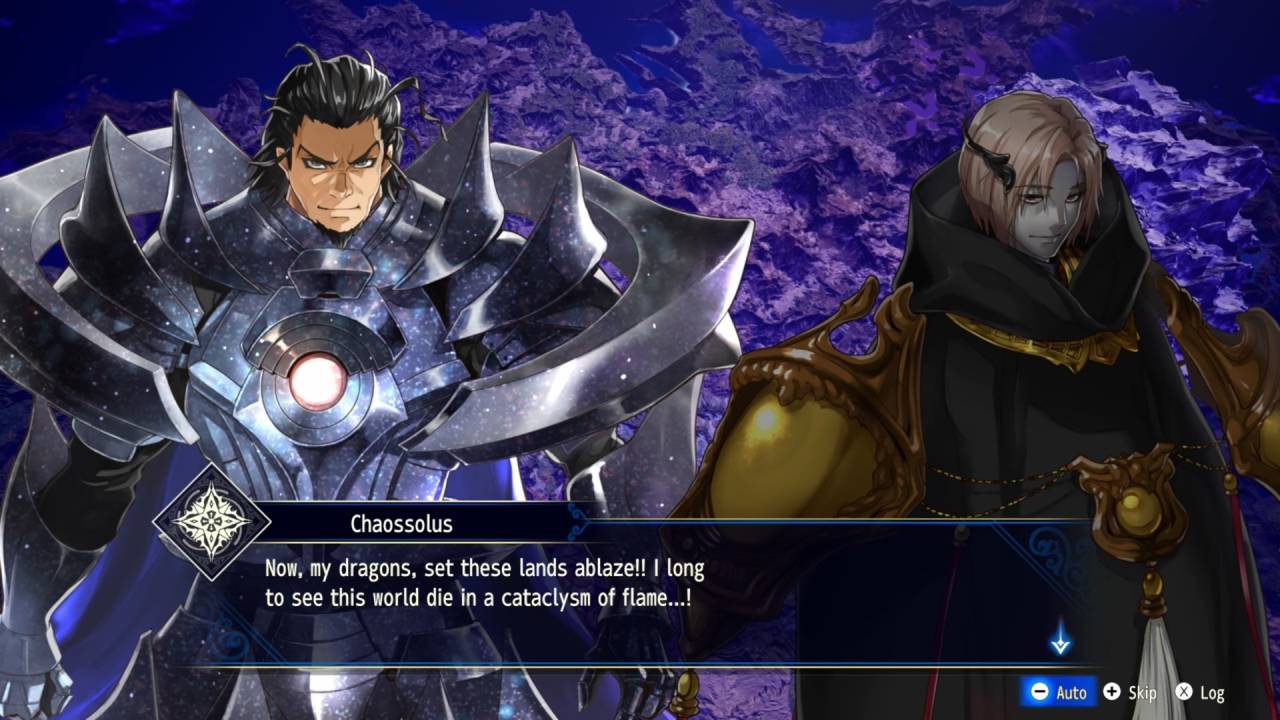
The plot is set in a continent torn apart by yet another war with the Abyssa Empire as its prime antagonist. The adversary, Chaos, is as cunning as his name implies, and his objective is to take over the continent while the various groups try to live, safeguard their interests, and block his progress. Brigandine Abyss doesn’t focus the story on a single traditional protagonist; instead, it splits the story across six faction campaigns.
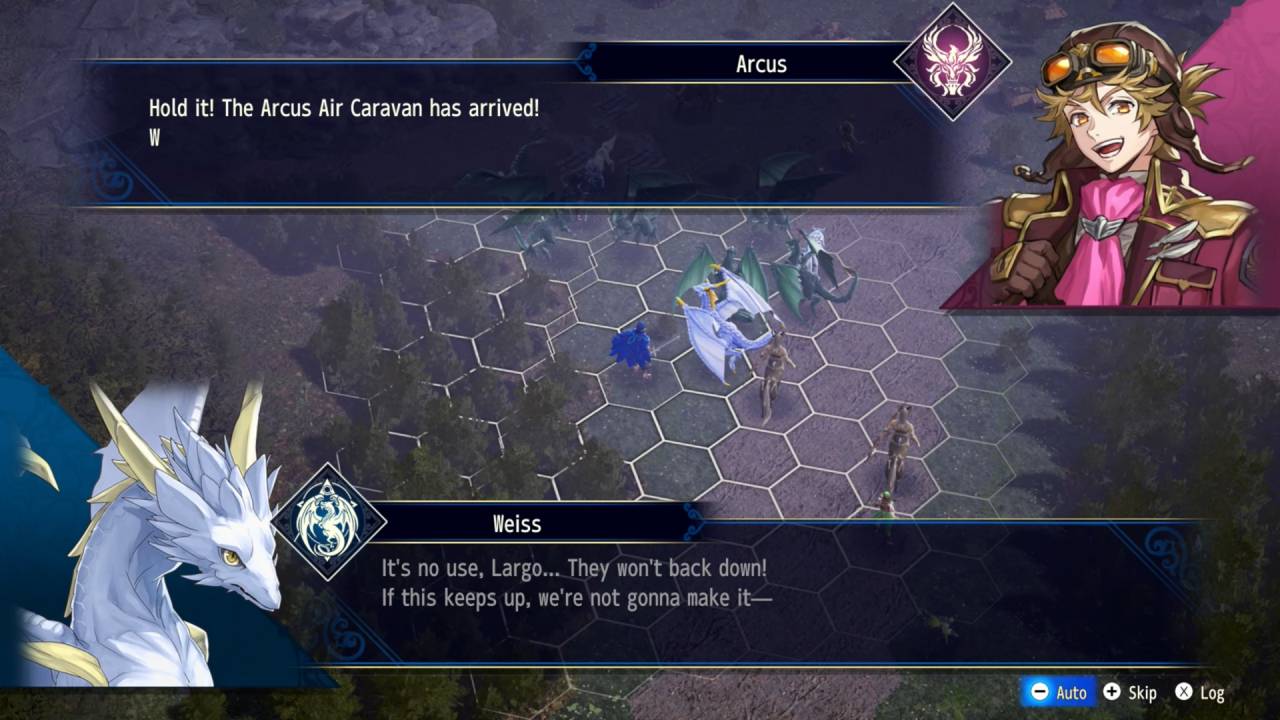
This framework is one of the game's most interesting ideas, giving the setting a broader perspective. Each side has its own leaders, political motives, allies, and reasons for fighting. For example, one campaign follows Largo and the nation of dragons as he tries to keep his people and friends safe while finding out the bigger picture of the fight. Other campaigns offer diverse takes on the same shaky world.
The game also does an excellent job of serving as an entry point for newcomers.
You don’t need to know every little piece of the franchise’s history to begin. The story introduces its world and characters well enough for new players to grasp what’s going on. At the same time, returning fans may enjoy the continuation of the series’ broader ideas.
But seldom is the story why you play Brigandine Abyss. The tale provides enough background to make the factions and fights relevant, but it doesn’t always hit the mark for dramatic storytelling like the best tactical RPGs. There are twists, betrayals, and moments of conflict, but they rarely match the emotional impact of games like Final Fantasy Tactics.
The pace is odd too. Campaigns are broken up into seasons, so there will be times where you’re just kind of managing your forces as opposed to seeing sweeping narrative changes. That structure is mechanically functional, but it can make the plot feel compartmentalized. Some campaigns are more enjoyable than others, and certain battles or invasions can feel like they are only there to move the gameplay along, rather than being crucial to the story.
Overall, BRIGANDINE ABYSS has a tale that works, but it isn't great.
When it works, the story adds to the strategy mechanics and gives you a cause to care about a group or area. But it rarely takes center stage. The heart of Brigandine Abyss is its gameplay loop. The game has a season-based system,, and each season gives you chances to arrange armies, build bases, recruit soldiers, fulfill tasks, collect resources,, and prepare for fights. You select where to deploy your armies, which regions to defend, which enemy bases to strike, and how to allocate your resources.
Much of the grand plan happens in the organization phase. Bases are the base of your military operation, where you can store soldiers, recruit monsters, buy equipment, build facilities, and prepare armies. Leaders can be transferred between territories, soldiers can be sent on quests to gather equipment and resources, or armies can be put at key sites to defend them.
This builds on base development. Individual bases can be invested in to gain enhancements, bonuses, and other advantages. Expansion is crucial because the more regions you control, the more resources you have. The more land you own, the more money you can make, but if you spread yourself too thin, you can end up fighting on several fronts.
Quests are also a big aspect of the preparation loop. Units can be sent out to acquire materials, equipment, and other important supplies. You can also have mercenaries complete objectives, so you don’t have to pull your top leaders out of defensive positions just to get resources. This training ultimately leads to the game's tactical fights. The two systems complement each other quite well.
The grand strategy layer gives you a purpose to build up your army; the tactical fights give you a chance to see whether your plans truly worked. Much of the content is built around this loop.
Besides the main faction campaigns, there are 24 challenge or mission scenarios. Mission Mode allows you to choose from dozens of groups and work toward specific goals for a maximum of 99 seasons.
Quests can include economic aims, upgrade constraints, or limits on the units you can use.
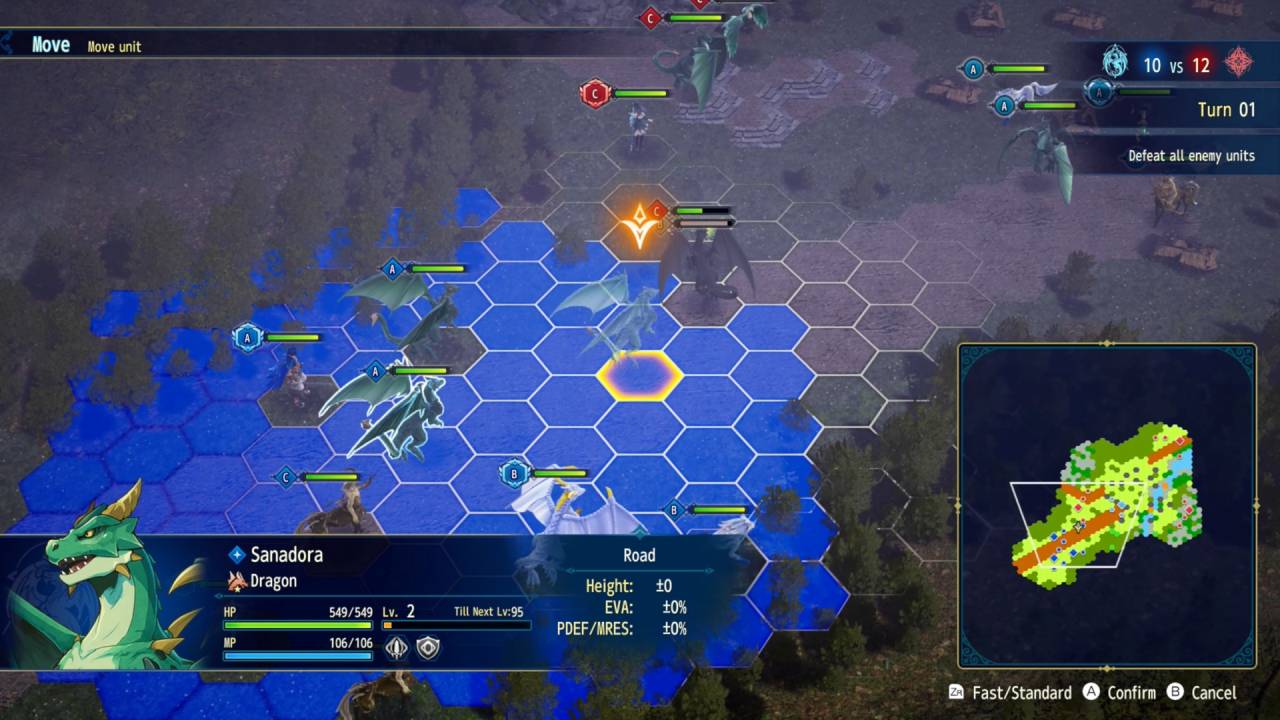
This means a lot of replay value for players who want to try out different strategies. A second run can feel substantially smoother when you know the systems. You're making choices based on experience, not trial and error. The combat mechanics are simple, but they offer enough room for experimentation. Battles are fought on hex-based maps, with up to three commander units per side.
These commanders control packs of monsters, each able to bring numerous more units to the field. In most fights, the goal is simple: eliminate the other forces. However, removing a character is less impactful than defeating a leader. If you lose a leader, the forces under their command also retreat. That makes going after opposing commanders one of the most crucial tactical choices you can make.
Units have basic attacks, skills, powers, and MP costs. Diverse classes provide diverse tactical choices. Mages, knights, archers, monsters, and the other unit kinds have strengths and weaknesses. Elemental interactions have a combat role as well, so choosing the right units for a given fight can make a big impact. There’s even another strategic layer to add: the Zone of Control system.
Units block movement around themselves, making it harder for opponents to just go past your defensive line. 2. You can also shock adversaries by surrounding them with many units. Battlefield strategy involves terrain, elevation, location, movement range, healing, choke points, etc. One noteworthy innovation is the Rally mechanic.
Leaders can temporarily sacrifice a monster in their squad to give a bonus effect/stat increase. This can be handy if a certain monster can't reach the adversary, or if you require a leader's extra power at a key point. It adds an interesting risk-vs-reward decision to otherwise simple conflicts. The monster system is perhaps one of the game’s most appealing features. There are so many different species to choose from, and the combinations can be really fascinating.
The creatures don’t always seem to fit inside the same visual or narrative universe, but it almost adds to the charm.
There’s a playful sense of experimentation seeing totally diverse monsters fighting alongside knights, mages, and other fantastical warriors. Losing units also carries penalties. The game has a sort of pseudo-permadeath, though defeated units can ultimately be resurrected. This still means battles carry some weight. You might intentionally lose a leader, so the remainder of the squad can leave safely, instead of risking losing everything.
The fighting mechanics can get predictable, unfortunately. Many battles have little variety in their objectives, so fights often come down to gathering your forces and taking down enemy leaders as fast as possible. The AI isn’t usually a genuine problem either. The enemies can occasionally be tricked into making bad choices, and their target priorities aren’t always believable.
This weakness shows up especially in boss engagements. Sometimes, a massive area assault can be countered by just leaving one unit in range and keeping everyone else out of the attack radius. Once the boss has no MP to spend, the threat is pretty much gone. Though simple, the tactical system is fun. It shines when it integrates with the strategy layer, not just on-field mechanics.
Building greater armies is the key to Brigandine Abyss. Battles and other actions give leaders and monsters experience. This levels them up and improves their effectiveness. Leveling up lets you upgrade gear, learn new skills, and advance to higher-tier classes. Base development also promotes progress. Resources are required to obtain equipment for final class modifications ~20.
That suggests character leveling is insufficient. You must grow your territories and get supplies.
Between crucial battles, quests provide new equipment, resources, and supplies. Battles strengthen your army, which allows you to take better regions, which provides you more territory and resources to grow. Unfortunately, progression can sometimes feel like management for its own sake.
Many monsters and dozens of leaders are in the game. Equipment and unit management can be laborious. Monster recruitment is weird. Some monsters must be recruited at certain bases, but they can't move about without commanders. To design your perfect squad, you may switch leaders between bases, recruit animals, move units, remove equipment, and repeat for numerous seasons. The mechanics function, but you often need to take one or two extra steps.
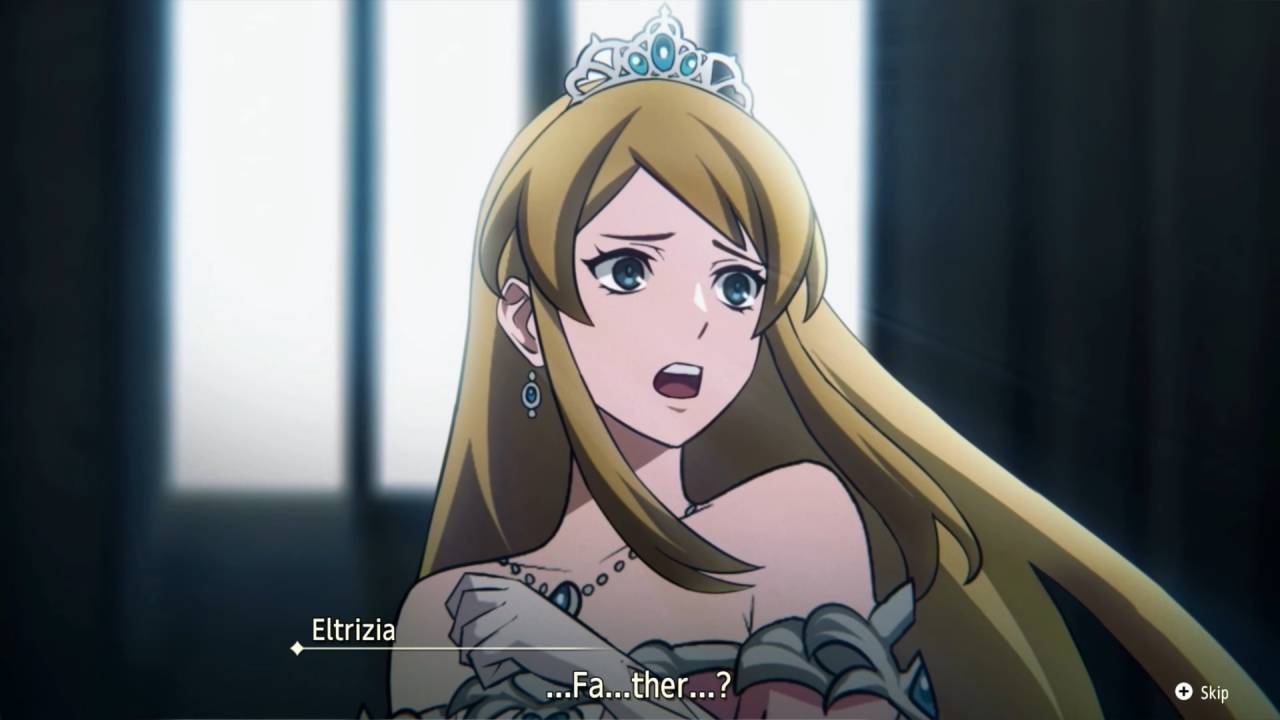
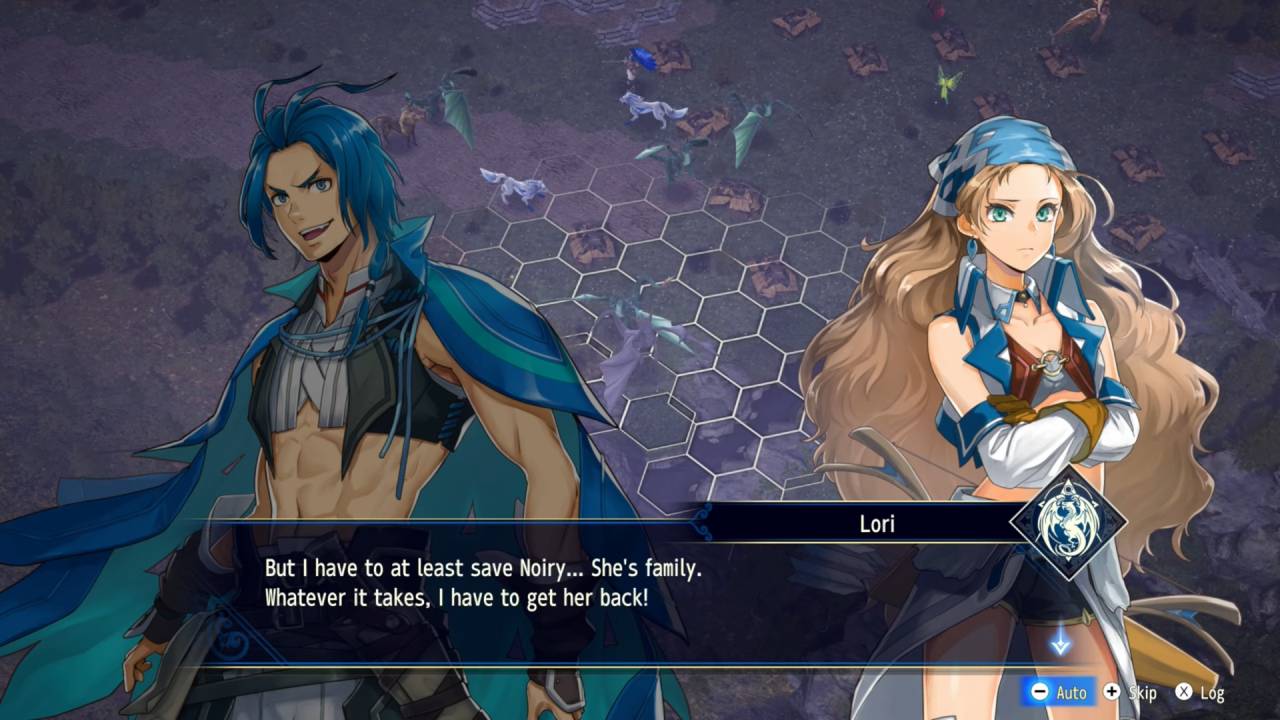
Brigandine Abyss looks mixed. Its character art, by Eiyuden Chronicle: Hundred Heroes and Fire Emblem Heroes artists, is strong. The key characters have distinct faces, and the artwork captures their personalities.
Japanese voice acting and anime-style scenes bring numerous crucial game moments to life.
The game's artwork gives it a fantasy feel, and the early stages are fun. However, the real show is less impressive. Some environments have repetitive textures, bland colors, and simplistic 3D objects. Sometimes character motions are stiff, and battlefield models overlap when several units are nearby. Abyss might even seem worse than The Legend of Runersia.
The issue goes beyond graphics quality. Strategic RPGs don't need cutting-edge visuals, but Abyss rarely has a strong visual design. The game's soundtrack is constantly strong. The music's epic, soaring martial themes fit fantasy warfare nicely. The soundtrack makes the fighting more dramatic despite the simple graphics.
The Japanese voice acting gives the characters depth and lends emotional weight to the otherwise stark presentation. No English voice track; thus, gamers who like English dubbing must use Japanese. Music and voice acting compensate for the game's visual flaws. Since Brigandine Abyss' pros and cons are clear, reviewing it is challenging. Not a bad strategic RPG or a must-have. It's a niche experience that will appeal to fans of tactical warfare and grand strategy.
Combat is easy, army-building is fun, monster variety is great, and the six faction missions are replayable.

For those who prefer to optimize their armies and test new methods, 24 more mission scenarios and several management tools are available. The game isn't refined enough to be more than a fair genre experience.
Its AI is predictable, its battles lack objective variety, and its quality-of-life issues may make basic army management tedious. It can feel like an undercooked story. Uneven visuals, terrible animation, and no 60 fps support on Switch 2 are wasted opportunities.
Despite these flaws, Brigandine Abyss has a personality. After conquering territories, building bases, recruiting monsters, leveling units, and preparing armies, tactical battles form a satisfying cycle that's hard to put down. Accessible but unmemorable, function but little form. Better tactical RPGs and cinematic plots are available. I prefer Brigandine Abyss for running a faction and directing units on the battlefield.
Contributor, NoobFeed
Verdict
BRIGANDINE ABYSS offers an addictive blend of tactical combat, army management, and territory conquest, but uneven storytelling, repetitive battles, and limited polish prevent it from becoming essential.
70
Related News
No Data.