
Gothic II Complete Classic Review
Nintendo Switch 2
An old-school RPG comes to modern consoles with sharper visuals, flexible controls, and a progression system where every upgrade still feels like it counts.
Reviewed by Maisie Scott on Oct 07, 2026
Piranha Bytes, the original developer, put out Gothic 2 in 2002 as a direct follow-up to the first Gothic. It kept the same technical foundation while growing almost everything around it. The controls and engine stayed distinctive, but the world grew warmer and more colorful, with a new story, extra factions, more quests, and much more freedom.
THQ Nordic is bringing it to modern platforms, and Gothic II Complete Classic lets you play that adventure on today's consoles without a full remake. It's available on PlayStation 5, PlayStation 4, XBOX One, XBOX Series X|S, and Nintendo Switch.
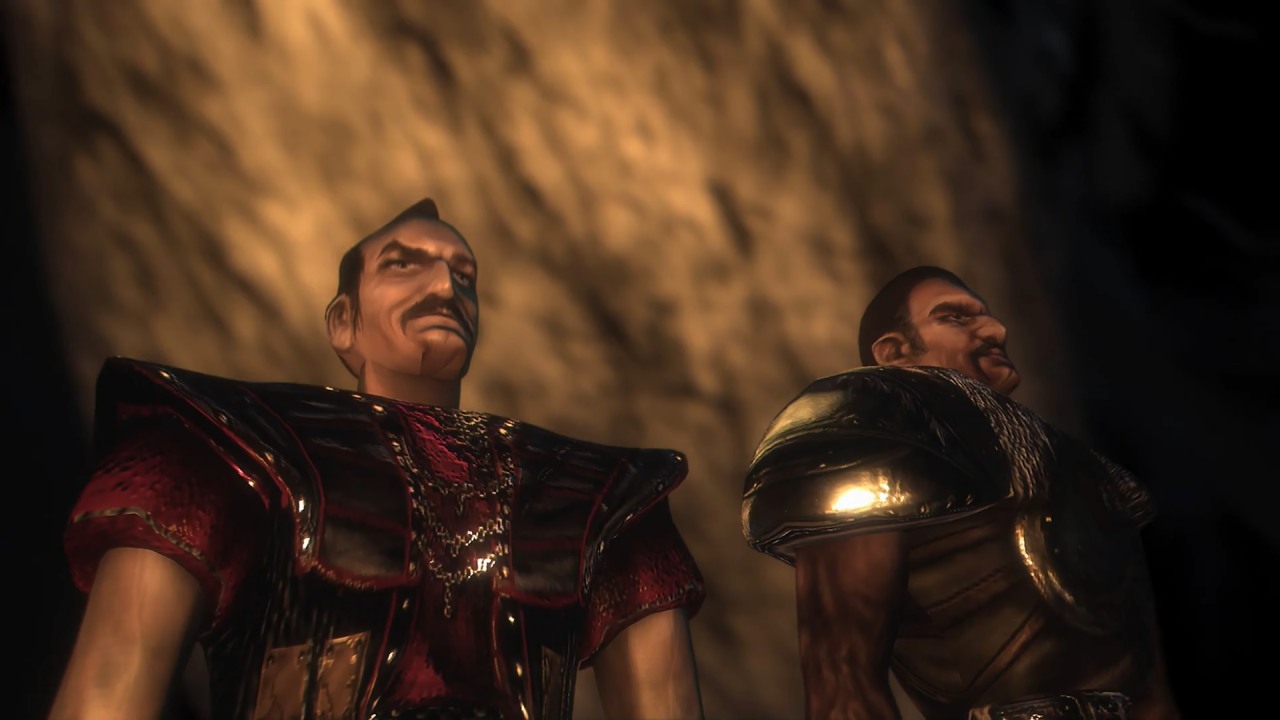
The PS5 edition gives the old RPG a nice presentation, proper controller support, and both the original sequel game and its tough Night of the Raven expansion in one package. It also packs in a handful of handy extras that make it easier to jump back in.
The story begins after the first game.
The Nameless Hero has defeated the Sleeper and destroyed the Barrier, but the victory leaves him trapped beneath the ruins. Xardas eventually rescues him, though the hero is badly weakened and has forgotten much of what happened. Unfortunately, his survival does not mean the danger has ended.
A new threat is already developing. The Sleeper's final command has summoned the forces of darkness, and dragons have gathered an army in the Valley of Mines near Khorinis. Xardas tells you the paladins in Khorinis have the Eye of Innos, a powerful artifact that could help against the dragons. You are also tasked with dealing with the opposing artifact connected to Beliar before it falls into dangerous hands.
That gives you a clear objective, but the game does not immediately force you into the main conflict. Before you can properly deal with the dragons, you need to reestablish yourself. You have to meet people, complete quests, gather equipment, earn money, and choose a faction that suits your character. You can join the militia, become a mercenary, or enter the monastery and become a Fire Mage.
The main storyline is relatively direct, but almost everything around it is considerably more open. You can reach Khorinis in several ways. You aren't constantly pushed along a single route, and many quests offer multiple ways to reach a solution. That freedom becomes one of the biggest reasons to explore rather than simply follow the main objective.
The world isn't enormous by modern standards, but it still offers plenty to explore.
You can wander off the obvious route, search buildings, climb towers, talk to characters, collect useful items, and discover areas you weren't expecting to visit. The atmosphere remains one of the game's strongest qualities, especially with the enhanced graphics enabled. The main gameplay loop centers on exploration, quests, combat, equipment, and character progression.
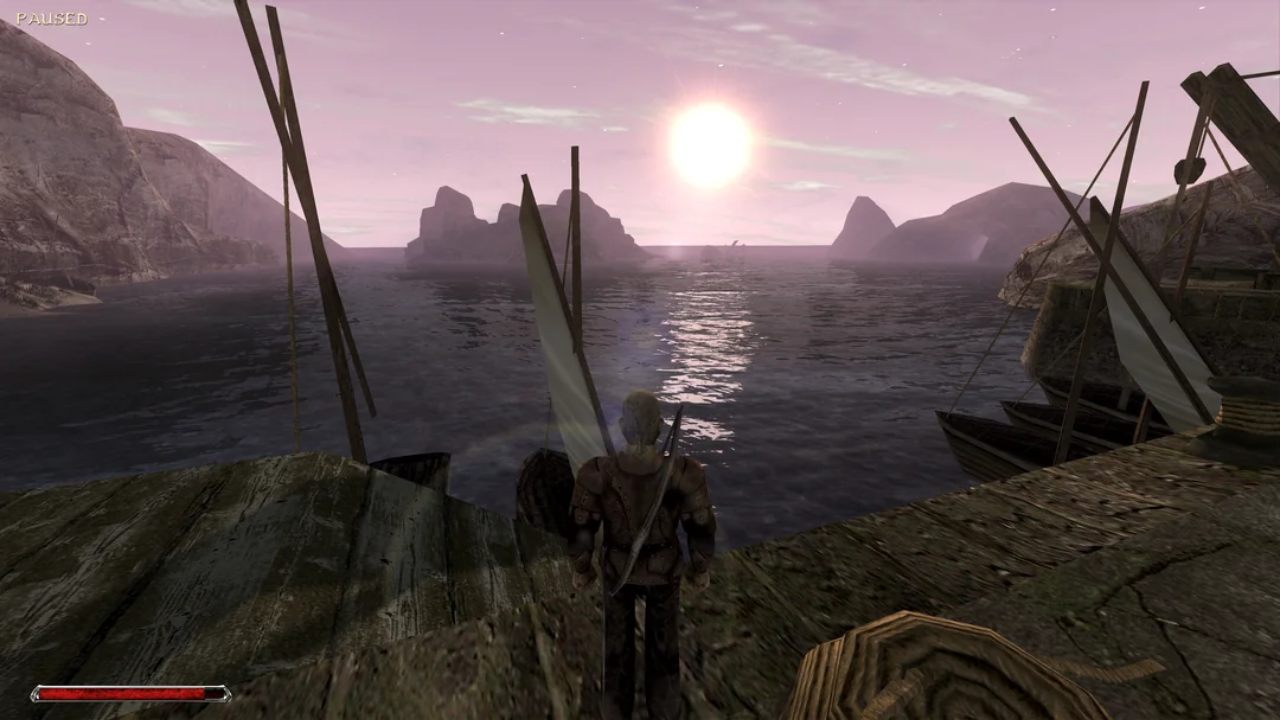
At the start, you are extremely weak, so even seemingly insignificant enemies can become dangerous. Rats, scavengers, wolves, and other creatures can cause serious problems when your character lacks the strength or equipment to handle them. That difficulty becomes especially noticeable when you play with the Night of the Raven expansion enabled.
This wasn't just a small piece of downloadable content. It added a new area, extra content, progression and leveling changes, and a tougher overall balance. Enemies got boosts to their health, armor, attack power, and behavior, making the early stretch much less forgiving. That means you have to think hard about which fights are actually worth taking.
Charging at every creature you spot is rarely smart, especially while your character is still finding its feet. Instead, explore, gather better gear, earn experience, sharpen your skills, and work your way up until stronger enemies become manageable. Progression is easily one of the best things about Gothic II Complete Classic.
Every level-up can make a noticeable difference, while new weapons and equipment can completely change how comfortable combat feels.
Certain percentage thresholds also unlock new combat animations, so skill development can change how you fight instead of simply increasing an invisible statistic. You can focus on melee combat, build around ranged attacks, or develop into a full mage. Each approach changes the way you handle encounters, and your choices affect which enemies you can comfortably face. Progression therefore works with exploration because getting stronger opens up more possibilities in the world.
The combat itself requires patience. The controls come from a much older design philosophy, and movement can feel strange until you understand how everything fits together. Attacking and creating combos is relatively straightforward with the standard control scheme, and Gothic II Complete Classic also combines elements from the first game's controls. That lets you swing left and right without constantly switching settings.
That combination is convenient once you get used to it, but it can feel unusual at first. Looting is awkward, positioning can be imprecise, and slowly moving with the analog stick before stopping can make the hero hop slightly. If you are standing near an edge, that small movement can make positioning even harder. The character's movement can also feel like an older game designed around a much simpler controller setup.
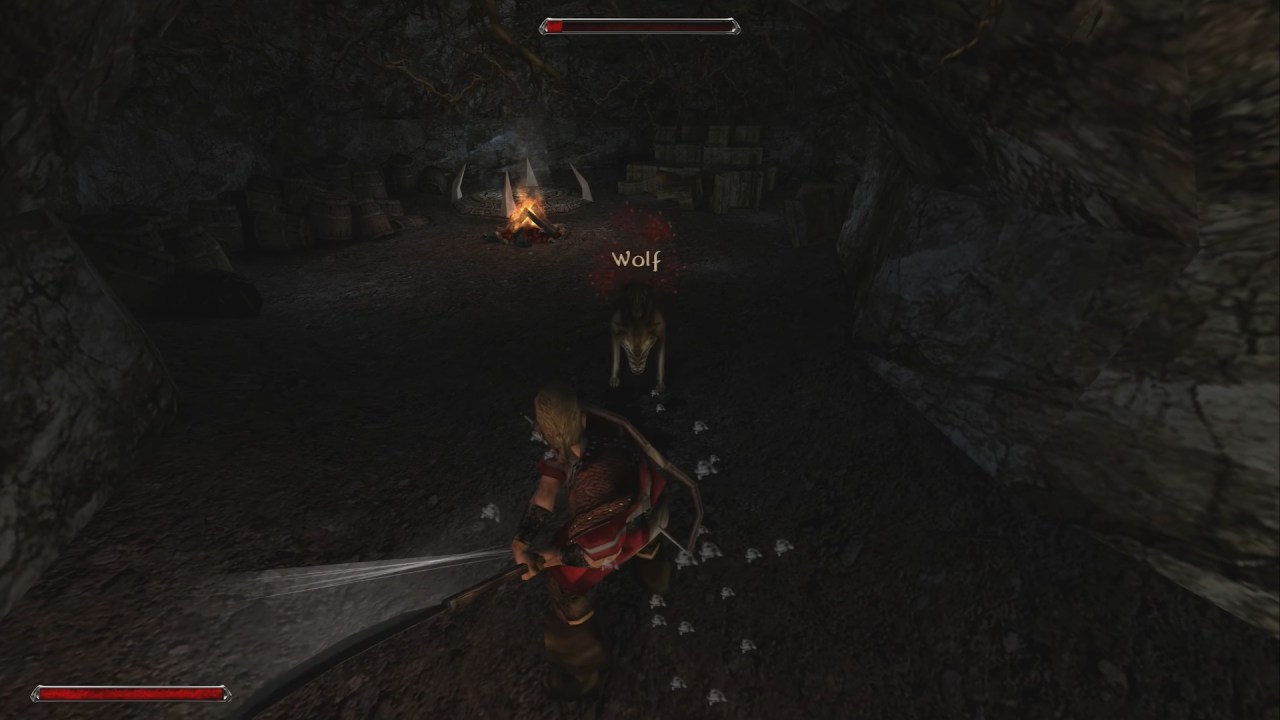
Combat follows the same pattern. The system may feel clunky at first, but it becomes much easier to appreciate once the controls click. The key is that your character grows into the fights. What felt impossible early on becomes doable once you've gained experience, sharpened your skills, and found better gear. So XP isn't just a number sitting there.
Beating enemies, finishing quests, and poking around the world slowly builds up the strength you need to survive the nastier situations.
Because enemies can be so punishing early on, gaining experience directly affects what you can safely attempt next. Gothic II also encourages you to think before attacking. Not every character or creature is automatically something you should fight, and conversations can have consequences. A poor decision can turn an otherwise simple situation into a battle that you are nowhere near prepared to win.
That makes preparation and restraint important parts of the combat system. The world can also create unexpected encounters while you explore. Creatures and characters can end up fighting one another, allowing you to intervene or simply move on. These situations make the environment feel less like a collection of enemies waiting for the player and more like a place where different groups can interact independently.
Classic mode in Gothic II Complete Classic is one of the most useful additions in this console release. Instead of forcing you to play Night of the Raven, you can select the original version from the menu. The two versions use separate save files, so you can experiment with both without risking your progress.
One important limitation: Classic mode disables achievements. If achievements matter to you, the expanded version is therefore the better choice. Still, having both the original and expanded experiences in the same menu is much more convenient than manually switching versions on PC. The Nintendo Switch version also doesn't offer this menu option.
Visually, you have two choices: Original and Enhanced.
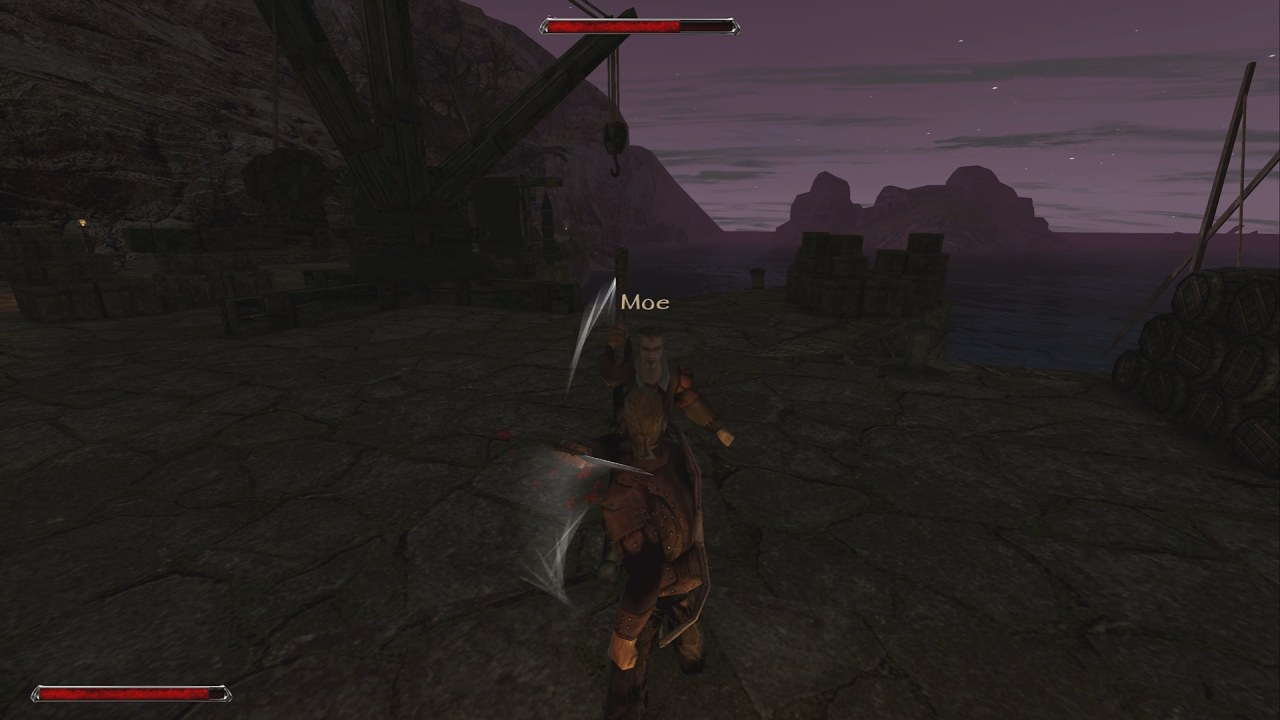
Original mode stays close to the old presentation, while Enhanced mode adds improved lighting, sun rays, stronger shadows, upgraded water textures, and more detailed distant terrain. The difference isn't enough to make the game feel like a remaster, but it does make the environment look noticeably better.
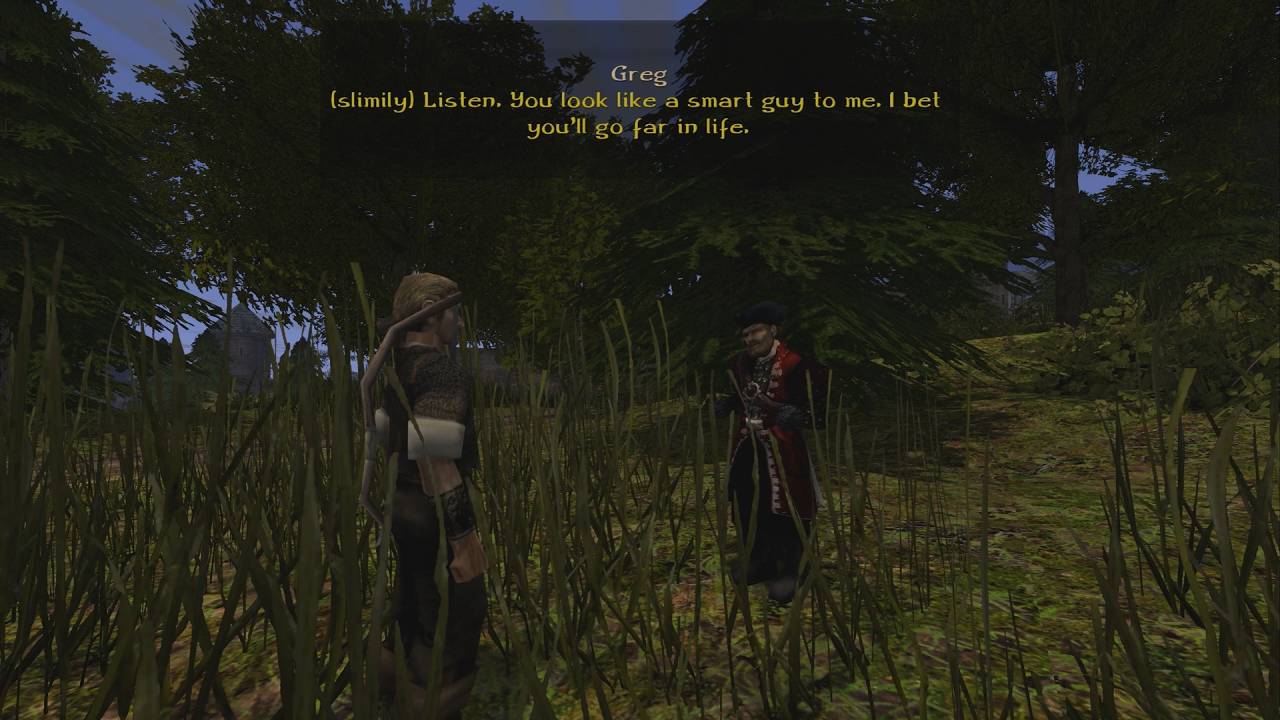
Water receives one of the clearest improvements. Enhanced mode replaces the original textures, giving rivers and other bodies of water a much more modern look. Since the world contains a considerable amount of water, the change helps reduce some of the original's visual age. Distant scenery in Gothic II Complete Classic holds up surprisingly well too.
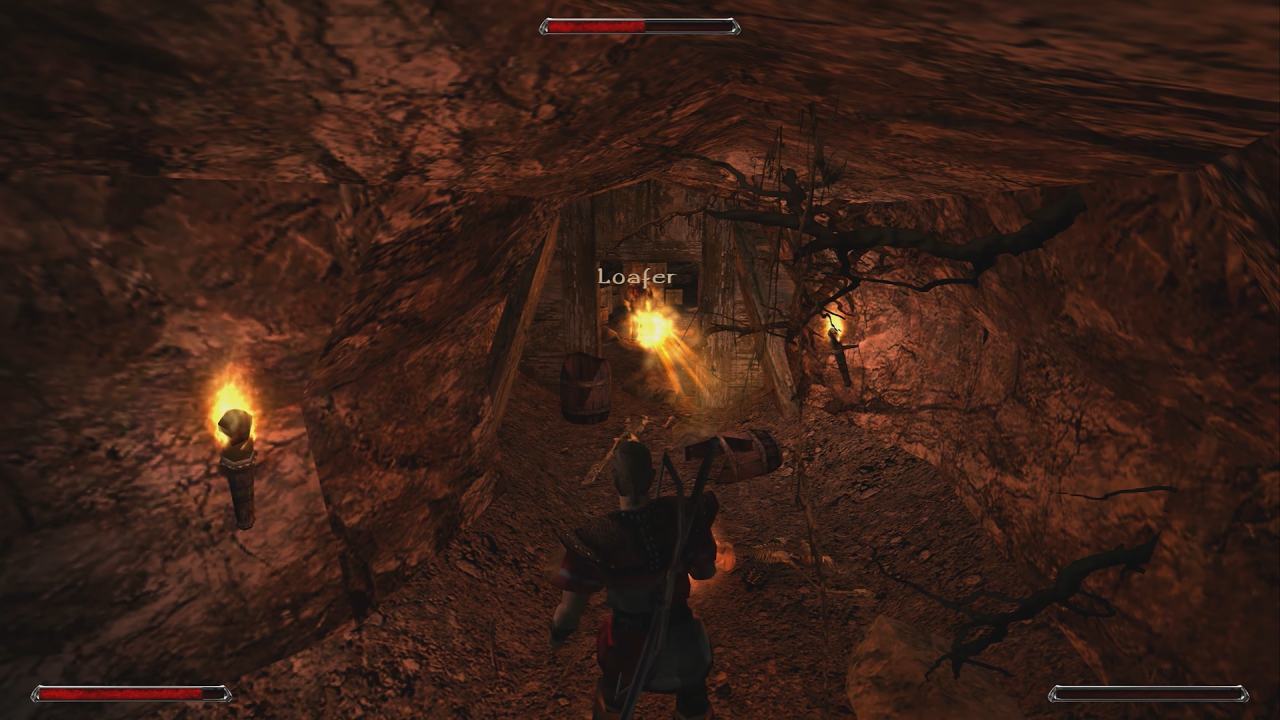
The console version shows much more detail in the distance than you'd expect from a game this old, and the view over the surrounding land still looks strong. Even without any tweaking, you get a great look at the world around you. However, enhanced mode has a downside. The stronger shadows make the game considerably darker, especially at night and in heavily shaded areas.
Seeing where you're going gets harder, so you'll probably lean on a torch or a light spell a lot more often. Even so, the improved lighting and environmental detail make Enhanced mode the more appealing choice if atmosphere matters more than maximum visibility. On PS5 and Xbox Series X, the game runs at native 4K, while Xbox Series S runs at Full HD.
Given the game's age, the resolution difference isn't especially important.
Performance is another area where the port shines. Gothic II Complete Classic appears to target a locked 60 frames per second, with no noticeable frame drops during extended play. One crash can occur after leaving Xardas's tower, but overall stability remains strong. Minor visual issues can also appear with a healing scroll and subtitles, although they don't seriously interfere with the adventure.
Some older technical problems remain. You can save during situations that may result in a softlock, including after death or while transformed. Certain stationary objects can disappear slightly before leaving the camera's view. Traders can also equip the strongest weapon in their inventory, so you can't buy it from them. The music at the militia barracks also plays once and stops instead of looping.
The PS5 version adds some expected modern controller features. Haptic feedback and vibration provide additional physical responses, while the controller speaker can produce combat and environmental effects. You can turn these features off if needed, but they add a little extra interaction without changing the underlying experience.
The sound design itself remains closely tied to the original game's atmosphere. Nothing here tries to disguise the production's age, and that is ultimately fine because the presentation works alongside the older visual style. The music, environmental sounds, and controller effects help maintain the atmosphere without distracting from exploration and combat.
After spending time with Gothic II Complete Classic, the game's age is impossible to miss, but that doesn't stop the core design from working.
The movement is dated, the combat takes practice, and some technical quirks remain. However, the combination of exploration, faction choices, quests, equipment, and meaningful character growth gives the adventure a strong identity. The progression is particularly effective because every improvement feels useful. You start vulnerable, and stronger enemies can completely overwhelm you.
As you gain experience, improve your skills, find better equipment, and unlock new combat animations, the world gradually becomes easier to handle. That makes every improvement feel connected to gameplay, not just another statistic. The open-ended quest design also remains valuable.
You are often given room to decide how to approach a problem instead of being pushed toward one solution. The same applies to faction choices and character development, allowing you to shape your route through the world while still following the larger story.
If you are playing the game on console for the first time, Gothic II Complete Classic offers a convenient way to discover an older RPG without needing original hardware. If you already own the PC version, particularly Gothic 2 Gold, the purchase is much harder to justify because the essential adventure is already available there.
The console version shows how a classic RPG can be more convenient without a full rebuild.
The Classic mode switch, enhanced graphics, flexible controls, higher-resolution presentation, and modern controller features all help the old design fit more comfortably on current hardware. Gothic II Complete Classic holds up because the stuff that matters most has aged better than the tech underneath it.
The graphics show their age, the controls need adjustment, and some technical issues remain, but the exploration and progression still feel rewarding. Once the controls feel familiar, you can focus on learning the world and getting strong enough to survive.
The experience rewards patience more than aggression. You need to decide which fights are worth taking, which quests to complete first, which faction to join, and when your character is actually prepared for a dangerous area. That structure gives your decisions weight, while the open-ended world keeps your journey from looking the same every time.
Gothic II Complete Classic is therefore best approached as an old-school RPG rather than a modernized remake. You get an adventure built around exploration, difficult combat, meaningful progression, faction choices, and a world that expects you to learn its rules. The rough edges remain, but they sit alongside systems that still make character growth and discovery genuinely rewarding.
Editor, NoobFeed
Verdict
A faithful console release that sharpens the look and feel of the controls without losing what made the original RPG special. It shows its age, but the open world, progression, factions, and tough combat still make the trip worth it.
74
Related News
No Data.