
Mina the Hollower Review
Nintendo Switch 2
An intense action adventure game in which burrowing, building, and daring routing come together in a continuous sense of danger.
Reviewed by Adeela Tas on May 29, 2026
When you first look at Mina the Hollower, you probably assume you already understand what you're getting into. It looks like a Game Boy Color-style action RPG, small and simple, the kind of thing you expect to play for nostalgia more than challenge. But Mina the Hollower doesn't stay in that box for even a few minutes. It slowly reveals itself as something far more deliberate and far more demanding than its visuals suggest.
You start off thinking you're revisiting old-school design. Still, Mina the Hollower quickly shifts that expectation into something heavier, denser, and more mechanically layered than most modern top-down adventures. This game comes from Yacht Club Games, a studio you probably already associate with Shovel Knight. The earlier game leaned heavily on NES-era platforming structure.
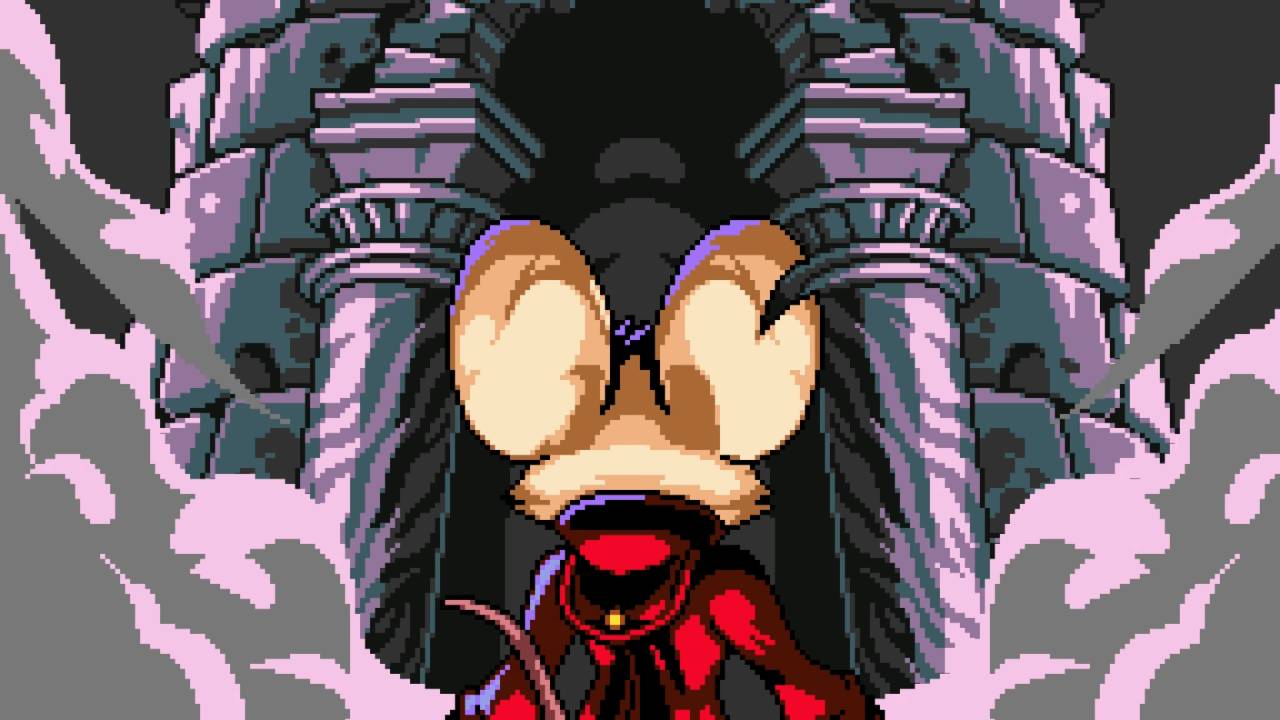
But Mina the Hollower feels like the studio pushing outward rather than staying in one nostalgic lane.
Rather than sticking to a single inspiration, Mina the Hollower pulls from multiple eras and genres at once. You see Zelda DNA in its structure, especially in Game Boy entries like the Oracle games. Still, you also feel Castlevania's gothic tone and music influence layered on top. Then underneath all of that sits a modern design philosophy that borrows heavily from Soulslike games.
Especially in how risk, progression, and combat are structured. Mina the Hollower doesn't just imitate these influences; it combines them into something that feels intentionally hybridized. You play as Mina, a Hollower engineer summoned to the Tenebrous Isles to investigate failing machinery. For starters, Mina the Hollower sees everything as a technical mission.
Repair the island's generators, stabilize the situation, and answer Baron Lionol's distress call. But it slowly shifts its tone as you go along. It's not that the machines are simply breaking down randomly and the island's problems are simply technical failures. Sabotage. Weird creatures. Unclear motives. And you start to grasp what's really happening.
Mina the Hollower doesn't lay out the story for you; it lets you piece together meaning from the fragmented interactions you have with it, and it builds its story slowly. As the action-adventure opens, you quickly realize it isn't structured like a traditional linear adventure. Instead of forcing you through a fixed path, it drops you into a large interconnected world and lets you decide where to go first.
Early on, you might move through areas like crypts, swamps, or towns depending on what direction you choose. Nothing strictly stops you from attempting tougher areas early, except your own ability to survive them. Mina the Hollower is built around freedom, but it's the kind of freedom that tests your readiness rather than guiding you gently from one zone to the next.
The city of Ossex becomes a central hub in Mina the Hollower, filled with NPCs, clues, and environmental storytelling.
You're not usually handed clear objectives. Instead, Mina the Hollower pushes you to gather information from conversations, newspapers, and scattered hints in dialogue. You might have one NPC talk about a ruckus in a nearby dungeon, and another about strange goings-on in another area. The experience depends on your attention to detail, and if you miss those clues, you will find yourself wandering deeper into areas with little direction.
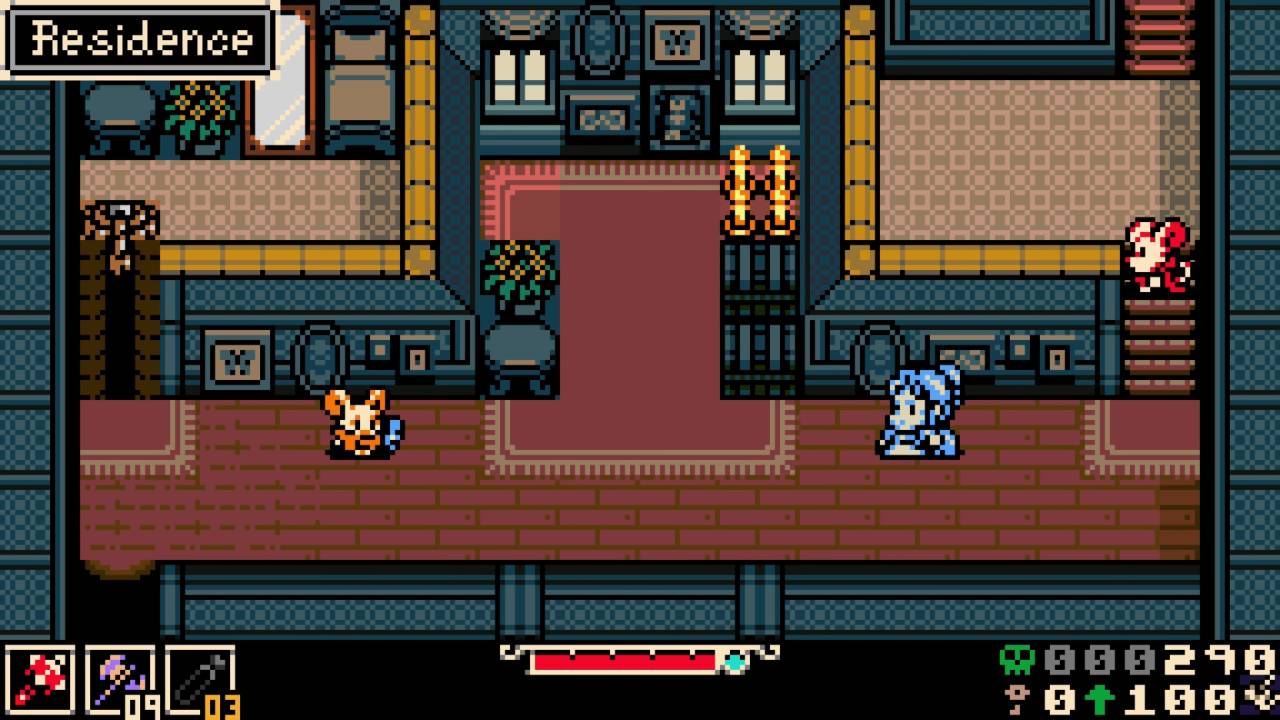
Combat is where Mina the Hollower begins transitioning from exploration-based to tension-based gameplay. You don't just stroll into fights and exchange shots at will. Every encounter in the game demands timing, awareness, and careful movement. Early on, you choose a weapon style from the three initial options: fast blades, heavy hammer/mace, or a whip/chain, and that choice actually shapes how you approach the entire game.
You can buy additional weapons later. Lightweight weapons enable you to be aggressive, but they force you to stay close; heavy weapons require patience but are more powerful. The whip-like option gives you more reach and control over spacing. Mina the Hollower ensures your combat identity forms early and stays with you throughout most of the experience.
Movement in Mina the Hollower is just as important as attacking. Instead of a standard dodge roll with invincibility frames, you rely on a burrow mechanic. This changes everything about how you interact with enemies. Burrowing isn't instant or purely reactive, so you often need to anticipate attacks rather than respond at the last second. Once you get comfortable with it, this journey turns this mechanic into something extremely flexible.
You use Burrowing to dodge attacks, reposition in fights, cross gaps, and navigate environmental puzzles.
It no longer feels like a single action, but part of your overall rhythm in both exploration and combat. As the game continues, the Soulslike structure becomes more obvious. When you die, you drop your currency (called Bones) and have to retrieve them or lose them permanently. That creates a constant tension in which every mistake counts.
It is important to note that bones help you level up and enhance your avatar, meaning the loss of these resources means that you fall back a great deal. However, it counters this with the introduction of certain game mechanics that make it easier for you to recover in certain situations or help you lose less due to how far along you have progressed.
Healing in Mina the Hollower also encourages you to be aggressive with the enemies. It does not mean that you can always get yourself healed using a particular item anytime; it means that you will receive healing only if you engage the enemy. The more you attack the opponent after taking damage, the better the healing works. Survival often depends on how well you can stay in the fight rather than disengage from it.
It creates moments where you're low on health but still pushing forward because attacking is your only way to stabilize yourself. As you progress deeper, customization becomes increasingly important. Trinkets are modifiers that subtly or greatly change your gameplay. Some enhance speed of movement or jumping, others enhance damage or survivability.
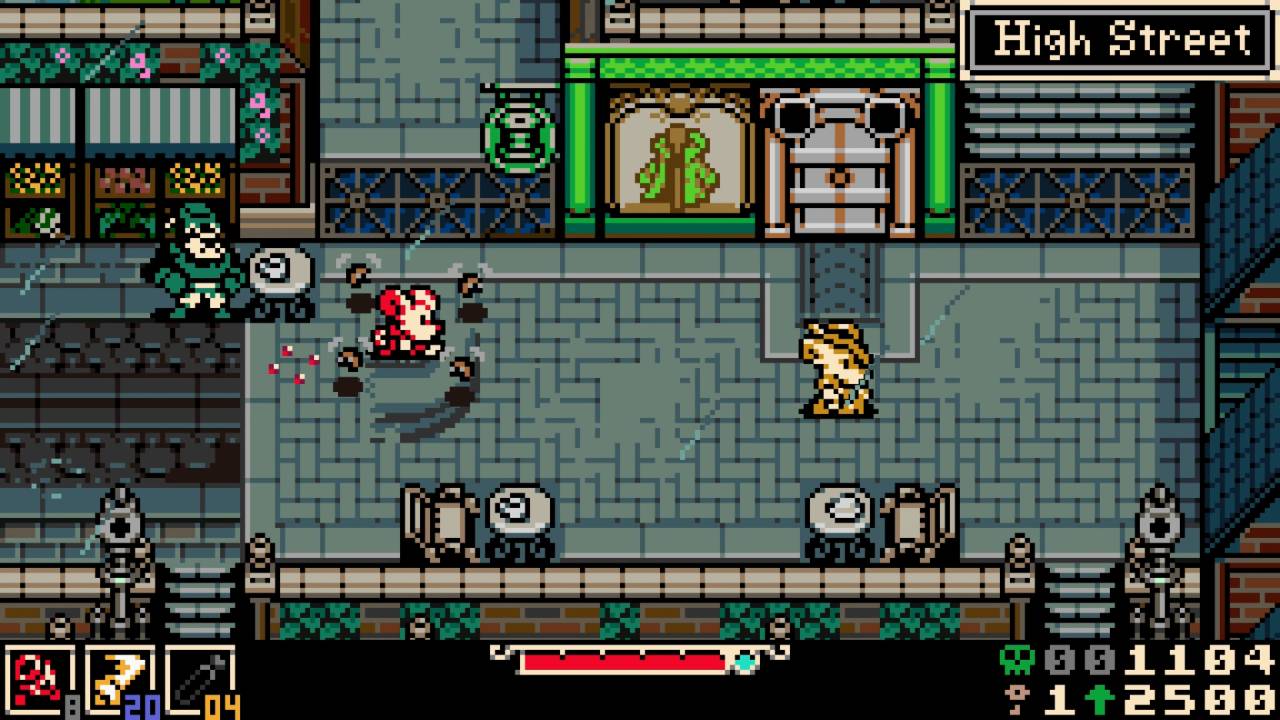
It's the synergy between all these artifacts that makes things really complicated. You could build one setup for exploration and traversal, then change to another for boss fights. This retro throwback encourages experimentation, and over time you'll probably change your approach multiple times as you find stronger or more efficient combinations.
The difficulty makes Mina the Hollower what it is; it doesn't ease you in gently or hold your hand through the early chapters.
Enemies attack hard and early mistakes are costly. There are sections of Mina the Hollower that might feel a little overwhelming at first, especially if you are unsure of how movement, combat, and positioning are meant to interact. Instead of driving you to frustration, it offers a range of ways to adapt. You can grind Bones, tweak your difficulty settings a bit, or even alter your build in order to deal with particular tasks better.
This allows you to keep the challenge tight while being flexible at the same time. Some areas have an element of surprise by breaking the rhythm and tone of the gameplay. One of those is the Queensbury Crypt, an area with a very ominous feel, as it depicts a graveyard scene. Another area that is essential for the gameplay experience is Septemburg.
This area begins with a theme of autumn and harvest but gradually evolves into one that takes on a menacing aura. In this area, Mina the Hollower presents Septemburg as a hunting ground for characters such as The Carving Man. Such elements prevent boredom during gameplay and imply experimentation in style by the game developer.
Density is essential in the development here. Every screen feels packed with something worth noticing. There are always hidden walls, breakable objects, vertical pathways, and secret tunnels. You're encouraged to dig into every nook and cranny, because progress isn't always about going forward. Instead, it rewards curiosity and patience.
Small detours can even lead to shortcuts, upgrades, or whole new areas that can change your perception of the map.
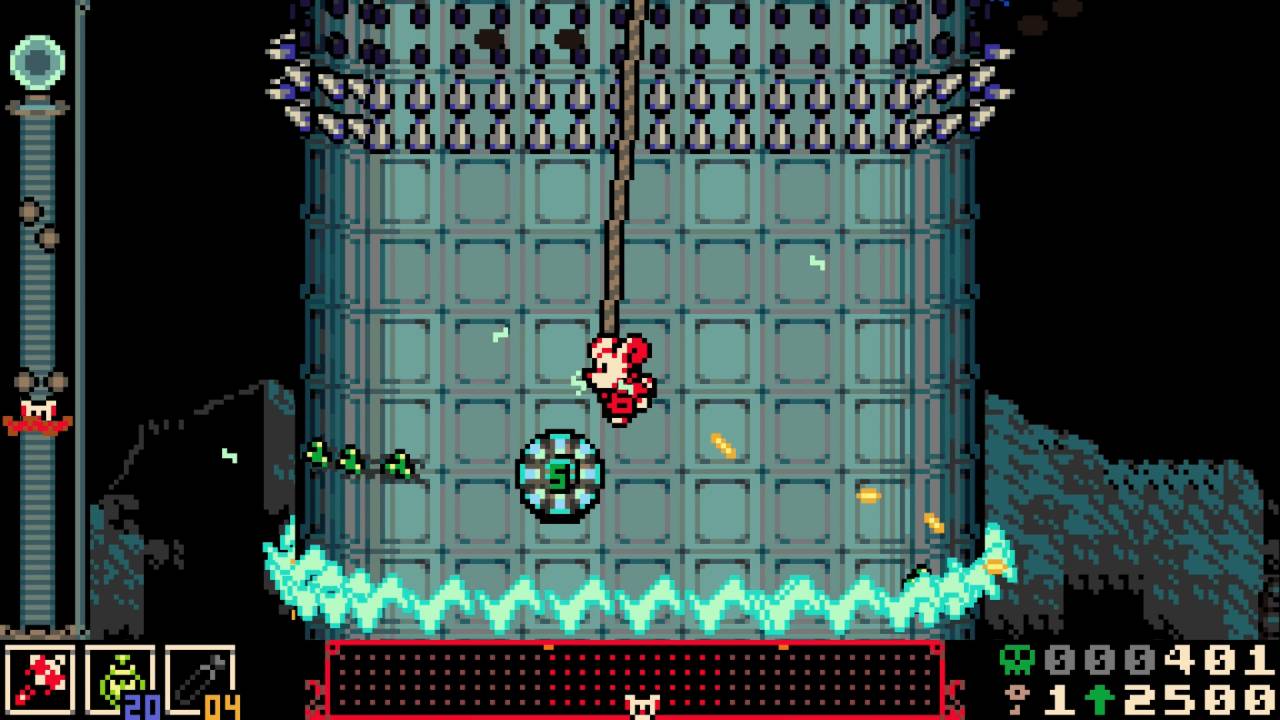
After a while, you begin to read the environment more carefully, noticing patterns and anomalies that might hide something important. Mina the Hollower has a visual style inspired by the retro era, but the game takes detail to a level that makes environments feel alive. The pixel art itself is deliberately minimalistic, but packed with animation and atmospheric design that gives each region character.
The juxtaposition of cute animal characters with darker gothic horror themes creates the odd but successful tone. This game doesn't have to be realistic. Instead, it uses contrast and consistency in design language to create mood. The sound design is crucial to the identity of Mina the Hollower. The music track of the game is quite dark and gothic, similar to that of other Castlevania games, each bringing its own flavor based on the world being explored.
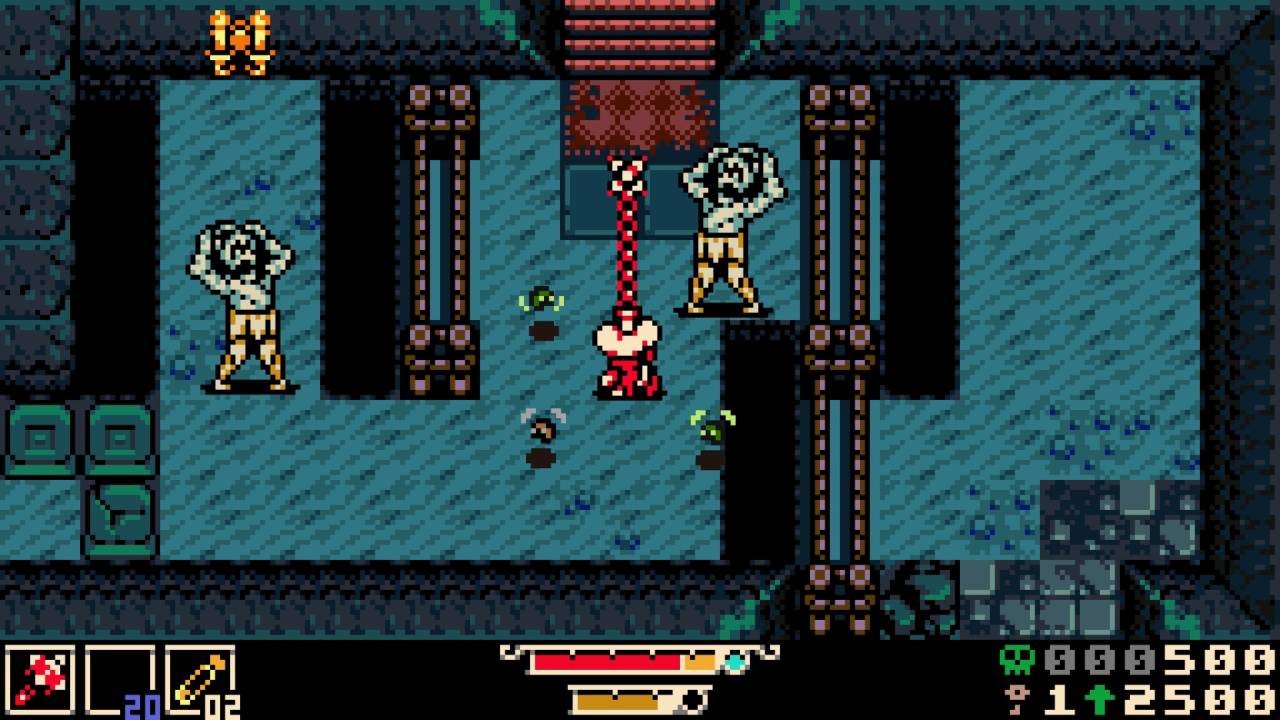
While the combat music complements the mood, the exploration music brings out the game's exploration. Here, the music is used as an atmospheric feature and not just music alone. As you progress further in the game, something you will realize is the fantastic pacing in the game.
Although you may get to explore several directions at the start of the game, this sense of progression is achieved through some difficulty peaks, environment storytelling, and enemy placement. You slowly realize that Mina, the Hollower, is constantly teaching you through pressure rather than tutorials.
If the place seems too daunting for you to tackle, you've likely arrived somewhat prematurely; if it seems doable, it means you've managed to adapt.
That invisible guidance becomes clearer when you pay attention to enemy placement. Encounters are structured to force you into learning spacing, timing, and burrow usage without explicitly telling you. Combat evolves from reaction-based survival into controlled decision-making. You're not just reacting anymore; you're reading space, managing pressure, and deciding when to commit.
This game gradually reshapes how you approach danger without ever pausing to explain itself. As it expands, exploration and combat begin feeding into each other more tightly. You don't fight just to survive; you fight to open space, earn resources, and unlock movement through the world.
Even grinding Bones never feels disconnected from exploration because you're still navigating dangerous terrain, still learning enemy patterns, still uncovering shortcuts. Progression stays embedded inside actual play rather than existing as a separate layer. Another important shift comes from how it avoids discovery fatigue.
Instead of repeating the same types of hidden secrets, it constantly changes how it conceals them. Some are obvious cracked walls. Others require vertical thinking or burrowing experimentation. Sometimes it hides rewards in plain sight but makes you question whether they're reachable at all. This keeps exploration active rather than automatic, because you're never fully confident you've learned all its tricks.
By the time you reach the later stages of Mina the Hollower, you're no longer playing cautiously in the same way you started.
You’re intuitive and more willing to take risks, trusting your gut to move, flow in combat and read the environment. There's growth here in the boss encounters, which require cleaner execution and better awareness rather than entirely new systems. It's less about learning mechanics, more about perfecting under duress. Mina the Hollower doesn't really feel like a complete experience in the traditional sense, even after you finish it.
The structure of the world and the density of its design mean you're constantly aware of missed paths and unexplored corners. It encourages you to play through it again, but not because of artificial replay hooks. It encourages you because you are genuinely curious about what you may have missed the first time around.
The changes to difficulty and resource balance that come with the New Game Plus modes in Mina the Hollower will make you reconsider your old methods of traversing the game world. In the end, this cursed island trek is a carefully crafted mixture of old and new design philosophies. It's a classic Zelda-style adventure structure, with the risk systems of Soulslike games, wrapped in a Castlevania-inspired atmosphere that never feels like a simple collage.
But this game feels singular, as though every influence were filtered through one design vision. It constantly challenges you, but it also respects your ability to adapt, learn, and push forward without constant guidance. Mina the Hollower sticks around because the more you think about it, the more it gives itself away.
Editor, NoobFeed
Verdict
Mina the Hollower is a dense, punishing, but rewarding Zelda-Souls hybrid with sharp combat, layered exploration, and strong atmosphere. A challenging retro-style adventure that respects your skill and patience.
92
Related News
No Data.