
Onirism Review
PC
Dreamscapes of chaos: a whimsical adventure that balances wonder with wild, imperfect energy.
Reviewed by Subaiyta Jahan on Oct 26, 2025
Onirism was developed by the French independent studio Crimson Tales, who are passionate about colorful environments and retro adventure design. The game, which took years to develop from an early stage to a finished product, combines the elegance of contemporary indie shooters with the spirit of late-1990s platformers.
It is a project driven by emotion rather than formula, drawing influence from cartoons, the heyday of exploratory adventure games, and childhood fantasies. From an endearing curiosity, it has developed into one of the most unexpectedly ambitious independent experiences.
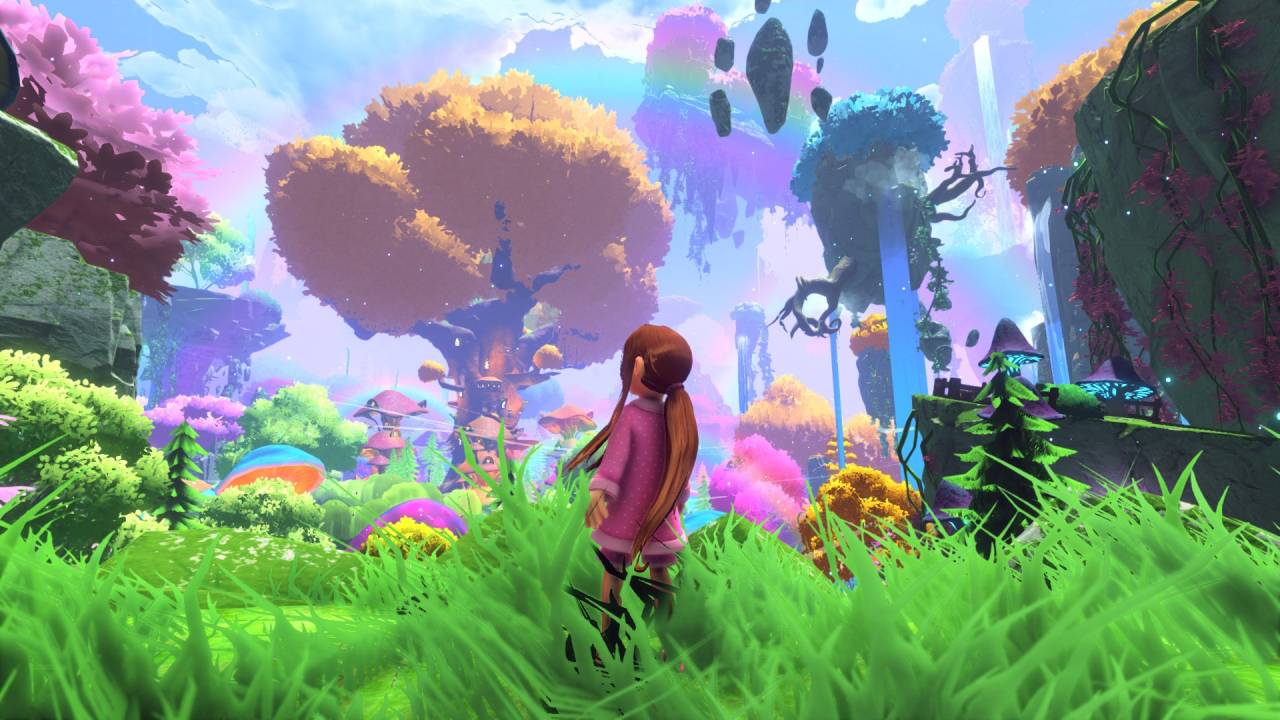
The story opens in the familiar innocence of childhood. A young girl named Carol wakes up one night to find that Bunbun, her cherished plush toy, has been taken. Her quest takes her into Crearia, a magical, dreamy world where imagination rules and reality bends. A straightforward rescue mission soon turns into a journey filled with bizarre characters, odd worlds, and unsettling consequences.
Every chapter reveals a new aspect of Crearia, exposing its hidden darkness and beauty. Even though the narrative is humorous, Onirism has a subtly strong emotional undertone. Its humorous exterior belies a metaphor about maturing, confronting anxieties, and losing one's innocence. The ambiance and surroundings tell a large part of the story without ever becoming overbearing.
Variety is Onirism's strongest suit.
The tone is kept vibrant and interesting by interspersing dialogue with comedy and inquiry. Variety is where Onirism shines. Although its core is an action-adventure game, it also features elements of platformers, shooters, and games with extensive exploration. Carol is controlled by the player through vibrant environments that are teeming with dangers, secrets, and treasures.
Carol's ability to rush, jump, glide, and use a variety of devices that keep exploration interesting makes for smooth, enjoyable movement. Combat is surprisingly deep and fast-paced. From blasters and plasma launchers to oddball, toy-like devices that fit the dreamlike concept, Carol's armament is extensive.
As players engage in combat with hundreds of enemy varieties, the unique feel of each weapon encourages exploration. The game ensures that the experience is rarely monotonous by gradually adding new mechanics. Instead of being shown as distinct barriers, the puzzle parts are organically integrated into the level design.
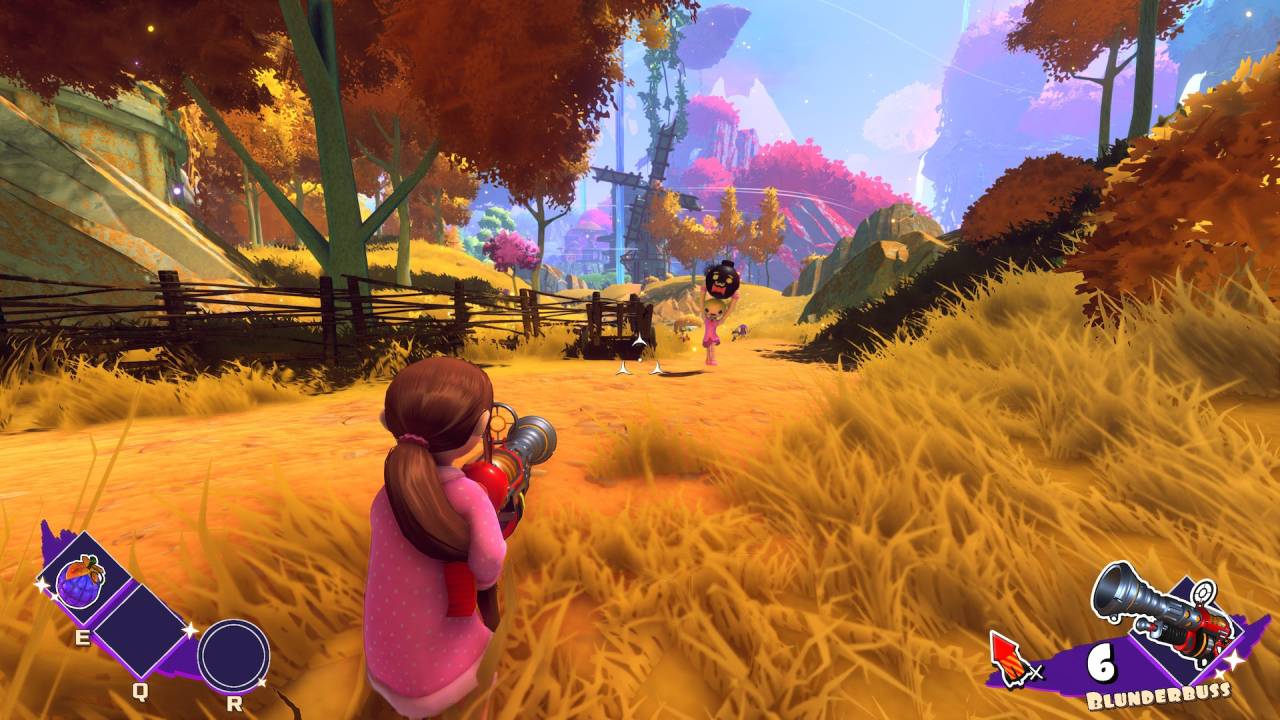
To advance, players frequently have to operate devices, flip switches, or take hints from their surroundings. Although none of these puzzles are very difficult, they maintain a steady tempo in between fierce battle scenes.
In contrast, the combat system is a patchwork of several approaches. Battles are thrilling because of the variety of adversaries and weapons, though clarity can be an issue in large-scale conflicts. There are instances when explosions, opponent swarms, and visual effects make it difficult to see what is on-screen, causing disorientation. While enemy AI is reliable, it can be erratic at times; some enemies attack without thinking, while others employ unexpected tactics.
Nevertheless, there is no denying the excitement of combat. Boss confrontations are particularly well-designed and often require the deft use of specific weapons or environmental elements. These instances demonstrate the developer's inventiveness and comprehension of traditional design principles: difficult, equitable, and incredibly memorable.
One of Onirism's strongest points is its originality. Each level, which includes floating dream islands, neon towns, chilly ruins, and lush rainforests, is bursting with individuality. The platforming sections are fluid and well-paced, and the level design as a whole promotes exploration without being overpowering.
The game's technical features don't always align with its goals.
Nevertheless, the game's technical aspects don't always match its aspirations. Immersion may be broken by physics oddities, small bugs, and occasional frame dips. Sometimes, especially in more difficult situations where a single error might set progress back several minutes, the checkpoint system can feel cruel.
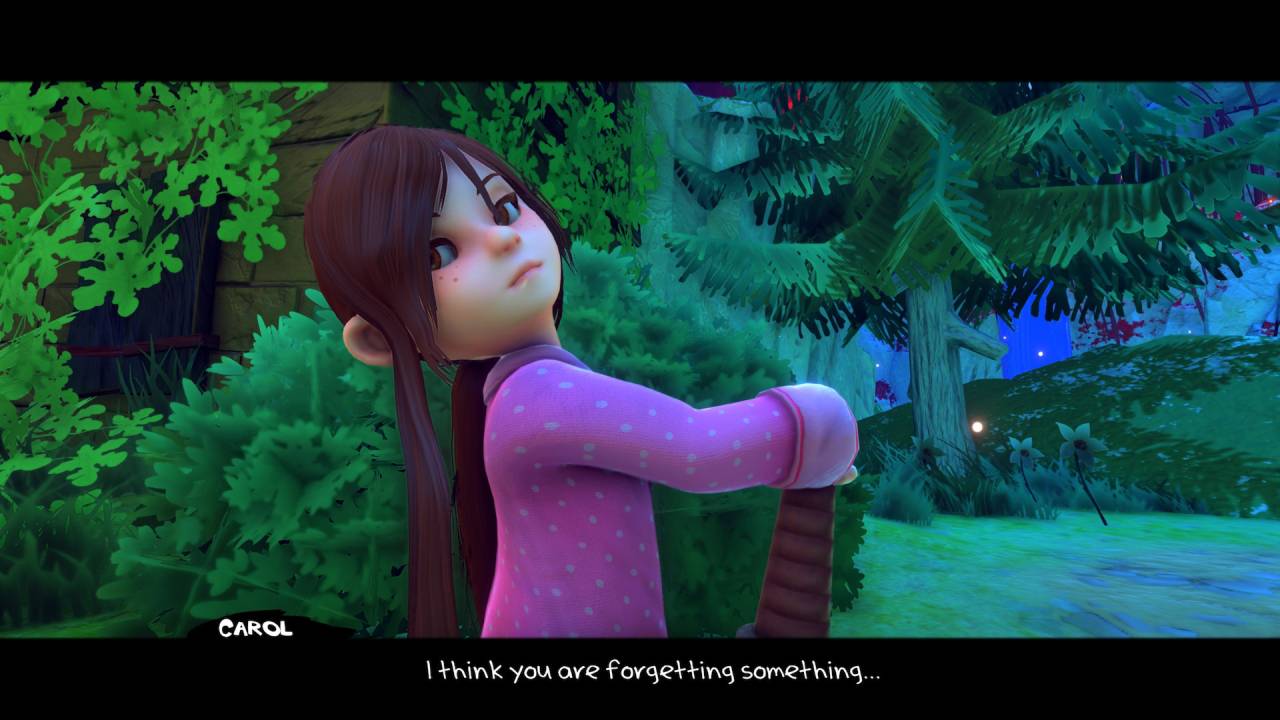
Additionally, the controller layout and aiming sensitivity need improvement. Although shooting can be erratic and certain users may struggle with the inverted controls, movement feels natural. Although these aren't deal-breakers, they do show that, despite its allure, Onirism still has the flaws of an independent side project.
In Onirism, advancement is centered on exploration and discovery rather than on physically demanding tasks. It doesn't try to be photorealistic; instead, it takes a timeless, stylized, and even funny approach to visual design. The bright world of Crearia is full of strange structures, colorful plants, glowing mushrooms, and floating islands that make you feel like you're in a dream.
The design language is the same in all areas, yet each one has its own look and feel. This approach keeps things moving quickly so that every new chapter feels rewarding rather than repetitive.
Onirism is a visual delight. Instead of aiming for photorealism, it adopts a timeless, stylized, and even comical approach to art design. Colorful flora, luminous mushrooms, floating islands, and bizarre buildings all contribute to the sense of wonder that permeates the vibrant world of Crearia.
It succeeds where many independent games fail.
The design language is uniform throughout, and each space has a distinct visual character. Even with a few performance glitches, the game's visual flow is strong. Though occasionally too strong for clarity, the particle effects during combat are particularly impressive. Onirism's art style, however, excels where many independent games fall short since it is instantly recognizable and bursting with personality.
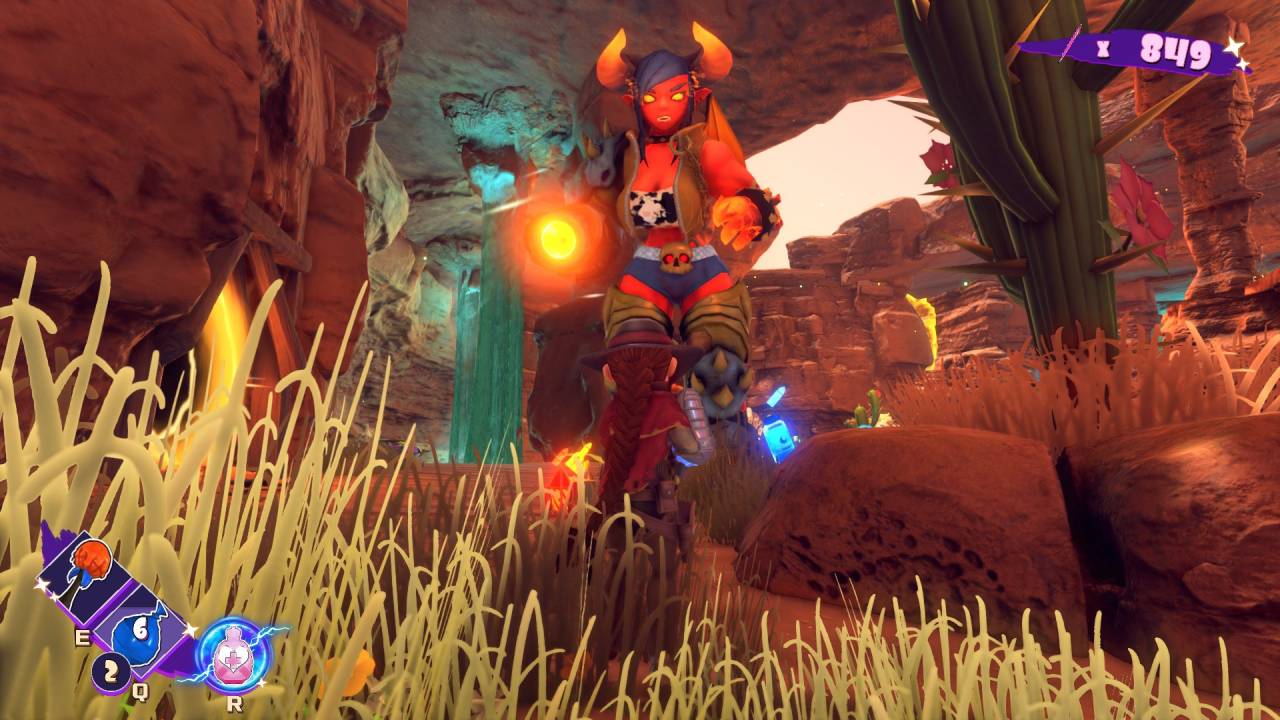
The game's quirky tone is complemented by its audio design. With lively orchestral and electronic fusions, the music reflects the tempo of the battle and exploration. The pacing quickens during boss battles, generating a sense of urgency that sustains suspense.
Despite its energy, the music suffers from repetition. Some songs loop excessively, particularly during long sessions, which can lessen their impact at first. Each confrontation has personality—clear, appropriate sound effects, including blasters crackling, devices buzzing, and hostile noises. Despite its sparseness, voice acting effectively conveys the story's whimsical charm.
The primary persistent issues are the auditory input
The controller's auditory feedback and occasional syncing problems are the main constant drawbacks. These little issues serve as a reminder to players that Onirism is still a work in progress rather than a polished masterpiece.
Onirism is a passionate fusion of contemporary creativity with nostalgic design. With each new chapter revealing something lovely, the game never ceases to surprise.
Its inventiveness and love are evident despite a few glitches and erratic scenes. It embodies the essence of adventure—bright, brisk, and unabashedly enjoyable. It is quite impressive how committed the devs were to creating such a vast, dynamic environment on such a small budget.
Onirism is a must-play for fans of imaginative indie shooters or vintage 3D platformers. It provides a sense of exploration that is becoming increasingly rare in today's glossy, formulaic gaming world. Players are enticed to explore Crearia's next gateway because, despite its occasional blunders, it does so with charm and zeal.
Contributor, NoobFeed
Verdict
Onirism is a lively, imaginative journey that is charming and inventive. It is a remarkable independent experience thanks to its captivating combat, vibrant world, and poignant tone, even with minor control and performance issues.
75
Related News
No Data.