
Silent Hill f Review
PlayStation 5
Silent Hill f drags the series into 1960s Japan with folklore horror and unsettling fungi, but its clunky combat and uneven storytelling risk burying the Silent Hill legacy in scarlet decay.
Reviewed by Zahra Morshed on Oct 03, 2025
Konami is back with Silent Hill f, a bold project meant to bring the series to a new generation after years of silence. The game takes the series from its famous American town to rural Japan in the 1960s. It was made by NeoBards and written by Ryukishi07, who also worked on Higurashi: When They Cry. By setting its story against cultural folklore and psychological horror, Silent Hill f tries to fuse old traditions with a fresh vision. Yet, in reaching so far, it risks losing the soul that made the franchise legendary.
The story centers on Hinako Shimizu, a troubled schoolgirl caught between the weight of family trauma and the supernatural collapse of her town. Her torment is caused by her missing sister, her abusive father, and a suffocating past. The story tries to combine psychological horror with folklore by showing monsters made from scarlet fungi and deformed dolls.
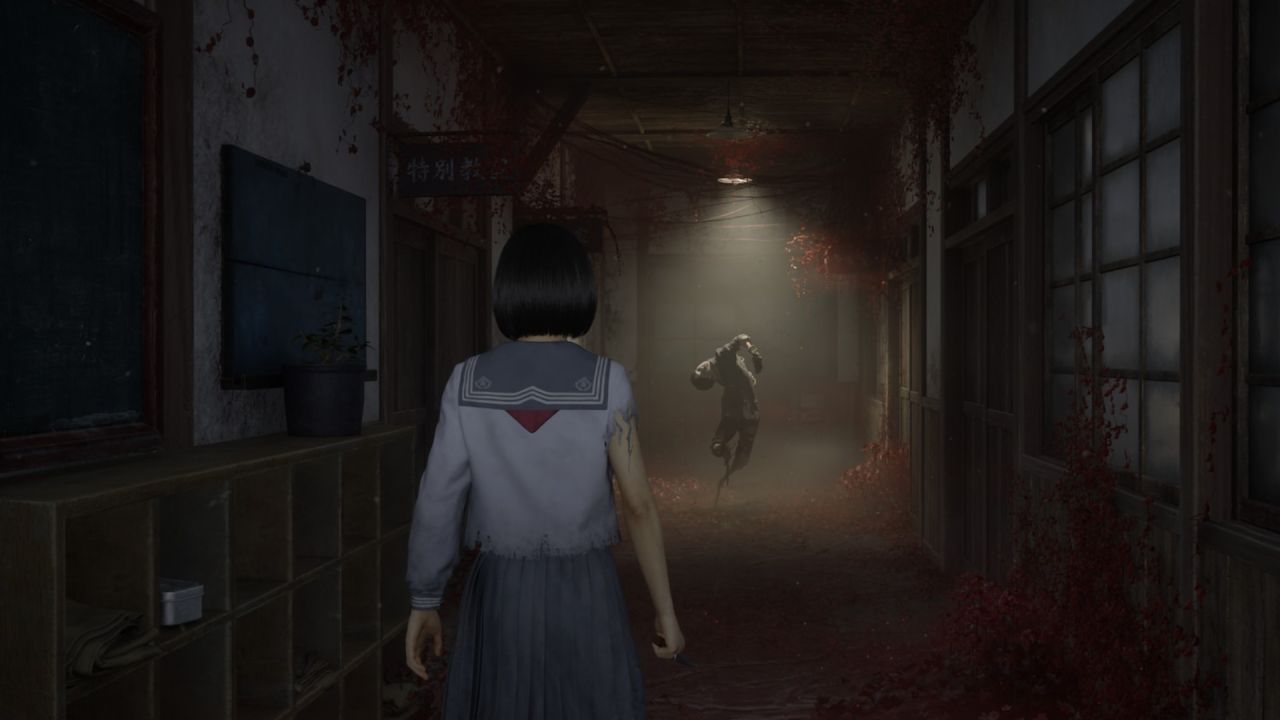
Even though it's vivid, a lot of it fails to capture the subtle fear of earlier books. Silent Hill 2 was scary because it made you feel guilty about things you did, but sometimes Silent Hill f sometimes feels too direct, reducing nuance to spectacle.
Despite these missteps, the game's atmosphere deserves recognition. Ebisugaoka, the new setting, feels isolated and archaic, its decaying buildings whispering of forgotten generations. That's why it's silence, not its shocks, that makes you feel scared. But the story falls apart when cultural references aren't explained, which means that foreign players can't understand a lot of the symbolism.
The fox spirits, shrine rituals, and folkloric curses are less scary when they are not explained properly, which makes Silent Hill f's story effect uneven.
Silent Hill's gameplay sticks to survival horror tropes, but it makes them more difficult by making some questionable design choices. Hinako is able to wield common weapons such as crowbars and bats; however, these weapons are prone to breaking, it means that you will need to continue searching for parts and repairing them.
Compared to earlier games, which placed a significant emphasis on the relevance of efficient resource management, this degrading element feels more like a form of punishment than it does like an experience that is engaging. This is because the prior games placed a big emphasis on the importance of effective resource management.
The management of inventory makes things even more difficult because there are not enough slots, and goods are not stacked appropriately, which makes even the most fundamental aspects of life difficult to handle.
Offerings of Faith at sites can improve your health, stamina, and sanity, which is linked to progression. The implementation of this strategy is not always successful, despite the fact that it creates an intriguing risk-reward layer. Instead of being pushed by tension, you are frequently hit with a shortage of resources as a form of punishment.
A gameplay loop that vacillates between tense survival and clumsy repetition is the result of this design decision. Silent Hill f tries to modernize its mechanics, but its reliance on outdated combat flow and rigid design hinders its ability to keep you consistently engaged.
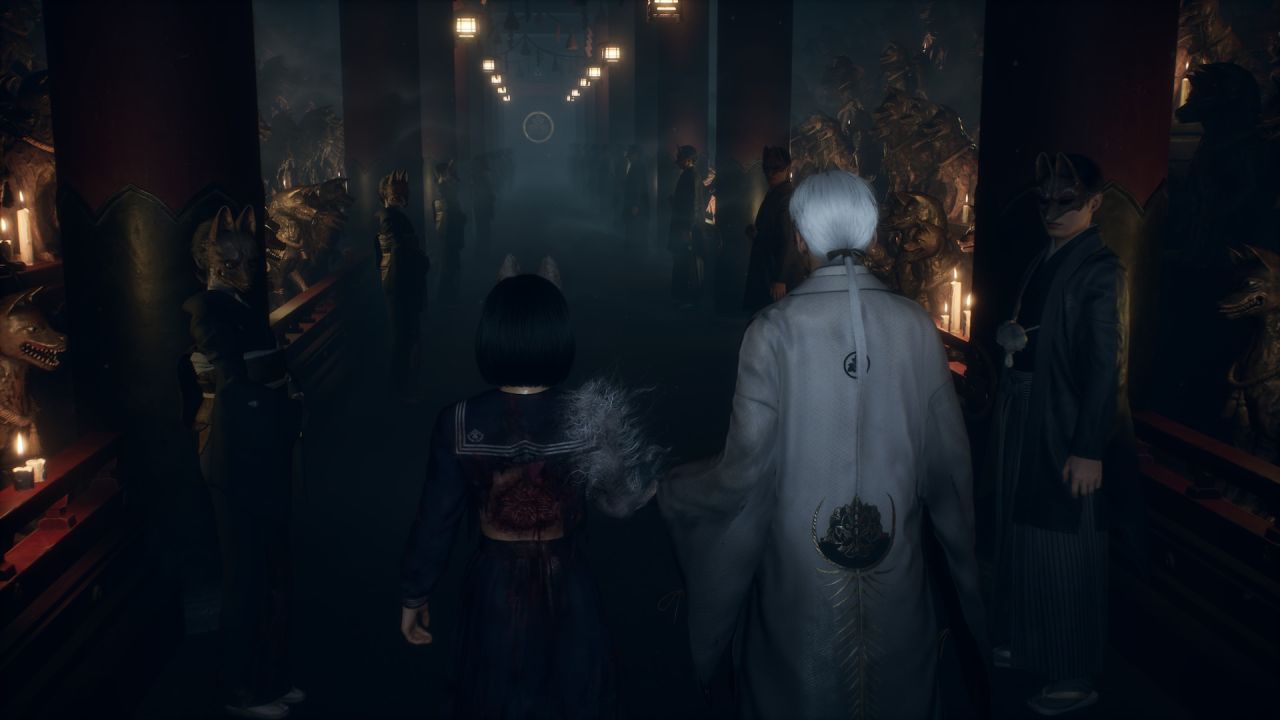
Combat in Silent Hill f is a deliberate struggle, meant to convey vulnerability. Hinako's swings are heavy and slow, while dodges consume limited stamina. Additionally, the addition of Focus strikes, which are powered by her sanity meter, adds an additional layer of tactical complexity.
However, the degradation of weapons undermines this mechanism, which results in fighting coming across as unreliable and unrewarding. Not only does it fail to develop suspense, but it also frequently results in frustration. Enemy designs, ranging from eerie scarecrow children to grotesque mannequins, evoke genuine dread, but the mechanics supporting these encounters do not always hold up.
Puzzles fare no better. Once the hallmark of the franchise, here they are inconsistent and often culturally opaque.
One sequence involving fruit and cake ingredients may resonate in Japan but leaves many of you bewildered. The absence of clever, multi-layered riddles, once central to Silent Hill's identity, diminishes the intellectual satisfaction long associated with the series. While some challenges provide brief sparks of intrigue, too many fall flat, leaving puzzles as more of an obstacle than a reward.
The devotion to atmosphere that Silent Hill f possesses is what makes it successful. People are frightened and have the impression that things are going to come apart in the near future because of the red plants that are growing all over the town. These plants are wonderful to look at.
Especially when Hinako confronts her darkest fears, there are certain moments of the story that are quite terrifying. In spite of the fact that boss fights are simple to perform mechanically, they are conceptually uncomfortable because they link the creatures to the anguish that the main character has experienced.
However, the flaws make these times less important. It's hard to move around, the story doesn't make sense, and combat is weak. A lot of what makes the series unique is missing, like the otherworld's rusty industrial hellscapes. It's hard for Silent Hill f to make a case for being in the series without the unique changes between normality and horror. Instead of reinvention, it often feels like a separate game dressed in Silent Hill's skin.
Faith gifts at shrines are the means by which Hinako can acquire Ema plaques, which are used to enhance her powers and contribute to her character development. This mechanism has a strong resonance with the theme; however, it is not well-balanced.
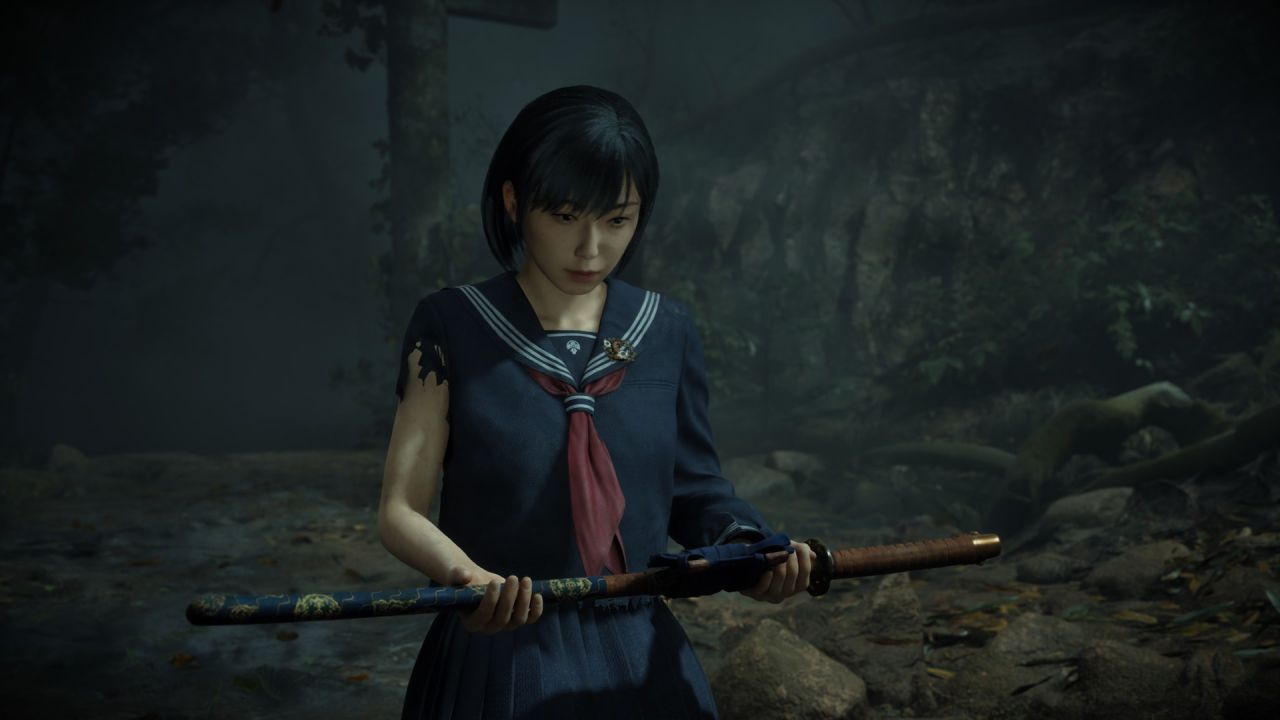
The early paucity of resources slows progression, while the latter availability of resources makes upgrading a trivial matter. It is an attempt to add depth to the game, but Omamori charms, which grant passive boosts, do not offer major customization options.
The progression system highlights Silent Hill f's larger problem: its inability to sustain tension over time.
Grinding for resources, once a subtle part of survival horror, here becomes overt and distracting. Instead of amplifying fear, it diminishes it by forcing you to manage stats rather than immerse themselves in dread. Progression in Silent Hill f feels less like survival and more like a chore, weakening the emotional stakes of the journey.
Visually, Silent Hill f is inconsistent. The overgrowth of red fungi and its frightening textures, on the one hand, create an unsettling appearance that distinguishes it from its predecessors. In a hauntingly precise manner, the town's design portrays the degradation that is characteristic of rural Japan. In certain moments, ugly material is transformed into unforgettable tableaus, resulting in a surreal beauty that is achieved.
Yet, character models often lack detail, and animations feel stiff compared to modern horror standards. Environmental repetition also weakens the impact of exploration. While the artistic ambition is clear, the technical execution leaves much to be desired. Silent Hill f thrives in stillness and design, but falters in motion and performance.
The soundscape is equally uneven. Akira Yamaoka's compositions, usually the lifeblood of Silent Hill, feel strangely subdued here. While ambient tones create dread, few tracks reach the iconic status of earlier works. The use of silence, however, remains powerful, making empty halls and fog-covered streets unnervingly oppressive.
Voice performances vary in quality. Some actors are good at showing weakness and danger, but others aren't sure what they're doing, which makes key scenes less emotionally powerful. Even with these problems, the game's audio design is still one of its best parts, supporting its attempts to create a mood. Silent Hill f would lose a lot of its creepy feel without it.
People have different opinions on Silent Hill f because it is both an attempt and a mistake. This game fails to live up to its potential due to its weak combat, simplistic puzzles, and difficult-to-locate references to culture. Despite its ambitious relocation to Japan in the 1960s and its embrace of folklore horror, the game fails to live up to its potential.
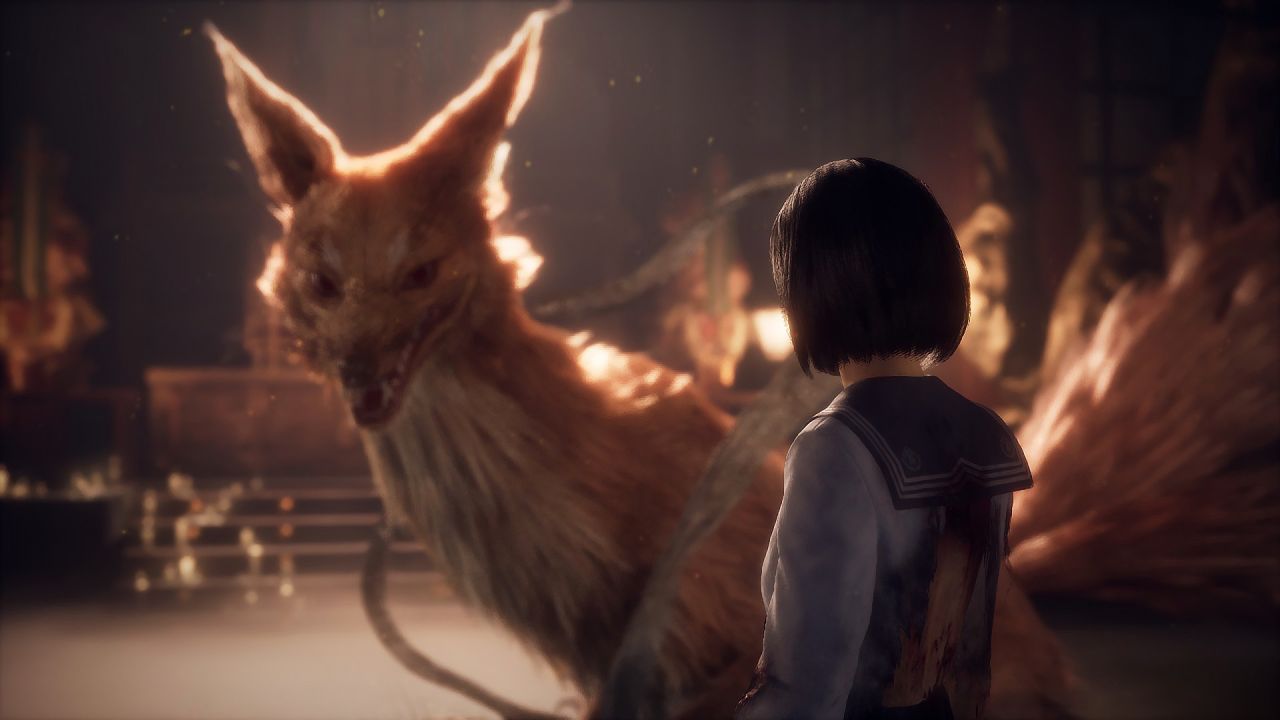
Although it does a good job of frightening people when it comes to survival horror games, it is not able to capture the essence of the Silent Hill series when it comes to Silent Hill games. This is despite the fact that it does a decent job of terrifying people.
For fans who have played Silent Hill games before, Silent Hill f might feel more like a side project than a real development. Its best parts are the mood and the idea behind it, not how it's put together. Its readiness to take risks should not be brushed off, though. Even though it's not perfect, Silent Hill f is a good example of how horror thrives on making people feel bad, and how failure can sometimes leave a lasting impact.
Contributor, NoobFeed
Verdict
Silent Hill f dares to reinvent but stumbles in execution. Atmospheric and ambitious, yet clunky and uneven, it's a haunting misfit that unsettles but rarely satisfies.
71
Related News
No Data.