
When AI Meets Gaming: Hype, Chaos, and the Future We Can't Ignore
A viral AI game clip on Twitter sparks memes and questions about the future of gaming.
Opinion by Mahi Araf on Oct 26, 2025
For today's daily dose of the internet, let's have a quick look at AI in gaming, and there's no better way to start than with one of the latest viral clips making the rounds on Twitter. It's been viewed three to four million times, spreading like wildfire, and nearly everyone with a bit of common sense has had a laugh at it.
But beyond the shits and giggles, there's a much bigger conversation brewing about where AI could take gaming if some of the optimistic predictions people throw around turn out to be true. So, let's break it down: first, the comedy, and then the implications.
The clip in question is titled "AI games are going to be amazing," and we have to give credit to Matt Schumer, the dude who apparently ran this through an AI prompt. The result of it was one minute and twenty-four seconds of absolute chaos that we are going to clown on today.
To really understand it, the best approach is to go frame by frame, or if you're off Twitter, just pause every couple of seconds—you'll see immediately how it doesn't work at all. This isn't the first AI-generated media to go viral, but it might be the first gaming clip to draw this level of attention.
Social media is full of weirdos claiming that "AI is the future of Hollywood" or that AI will revolutionize gaming. Yet, these AI-prompted creations often feature characters who can't walk properly without glitching, as if they're epileptic. Watching these clips is like watching a car crash in slow motion—you can't look away, but you can't take it seriously either.
After the clip went viral, a discussion emerged alongside it, asking a fundamental question: Who is this content even aimed at?
Some creators genuinely believe in AI's potential, but a lot of the voices promoting it aren't actual gamers. Many play only a few games a year yet position themselves as industry authorities. That's a huge problem because, like any craft, gaming requires experience and insight to become a master. Playing a handful of games doesn't equip you to speak for millions of players. Real gamers can immediately clock when something is off or broken.
Watching the AI clip, some moments are laughably absurd. Early on, the character is given a choice to shoot an air-conditioning unit (yes, an air-conditioning unit) on the side of a building. He misses the target entirely, and yet this is treated as a "miracle moment." There are countless bizarre details like this: attempts to hit a target go to the legs instead of the head or torso, and subway cars suddenly appear on platforms that morph into Hogwarts Castle.
The transitions make zero sense. On top of that, the AI is trying to blend multiple genres into a single minute-long clip, which only makes its case worse. No gamer actually wants a game that mixes five different genres into one giant mess.
Yet it's important to remember that AI is constantly evolving. And, no matter how laughable the clips may be now, it's scary to think that an AI can do that just off a singular prompt. It's learning faster than many of us can comprehend. Robots can now jump from the floor to a table or manipulate objects with precision. At the same time, in gaming, progress often feels painfully slow. Developers and companies are eager to adopt AI, but the tools are not yet mature enough to fully deliver.
For instance, Krafton. They bought Tango Gameworks, the studio behind Hi-Fi Rush, and are spending billions to make the firm AI-first. EA and other big publishers, even Nintendo, are allegedly doing the same thing by using or intending to incorporate AI into their games.
The most important thing to remember is that replacing people with AI is a bad idea, but ignoring AI is just as bad. The smartest approach is to see AI as a tool. You have to strike a balance between the two so you get the best of both worlds: AI's efficiency and human creativity.
This viral clip doesn't demonstrate AI's potential; it's a collection of broken sequences.
But it does spark an important discussion, and we should ask ourselves, as gamers, how AI should be integrated responsibly. Even with bad games, people may still be creative. Even if the idea or execution isn't great, human-made games nonetheless seem unique.
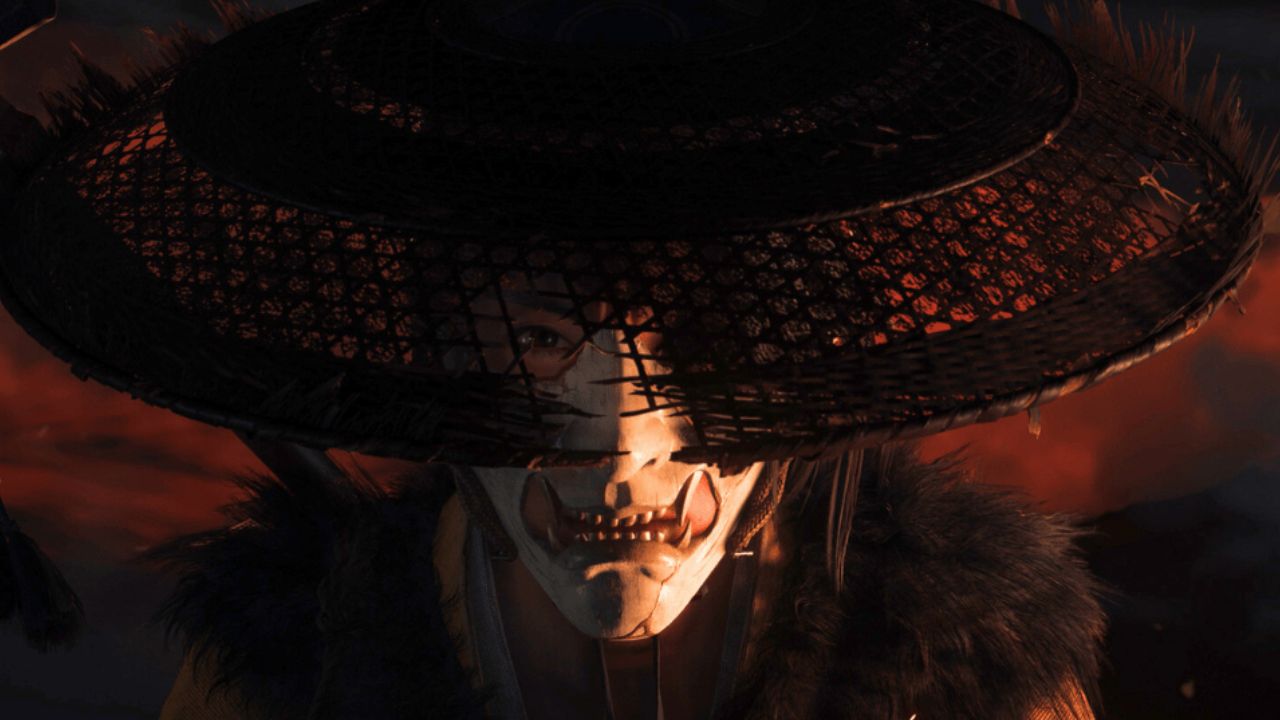
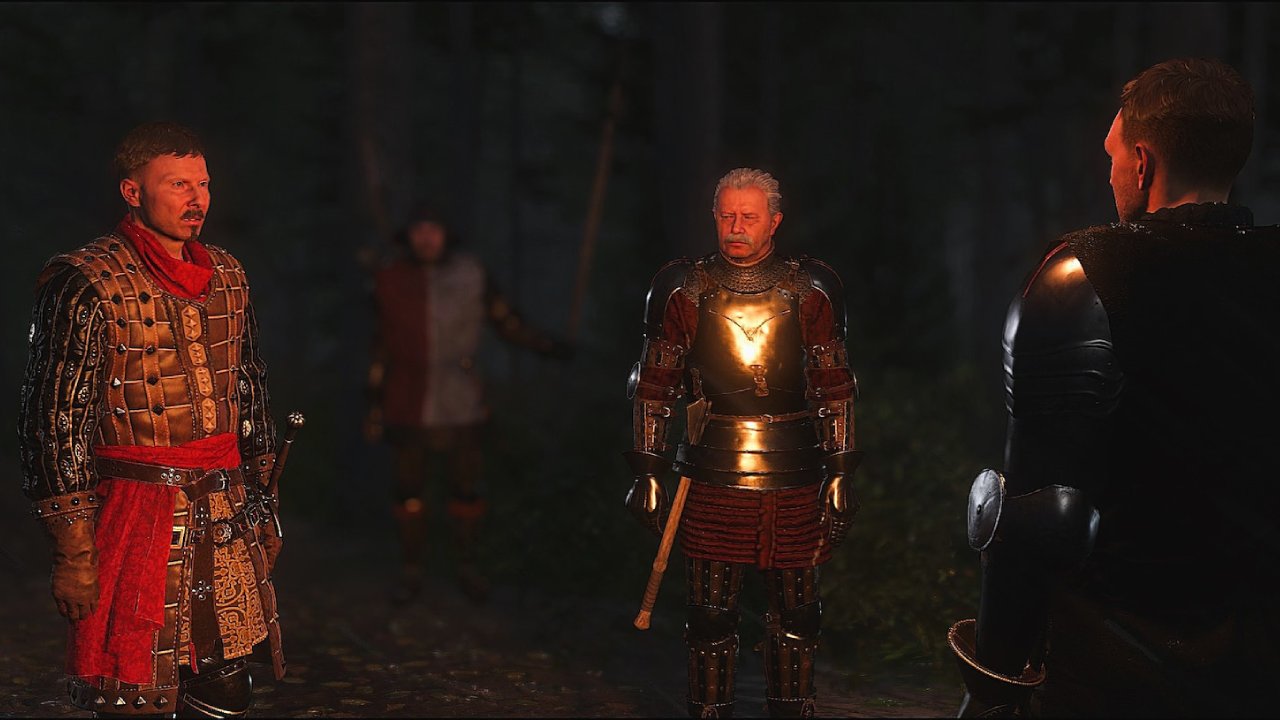
Instead of artificial intelligence, games like Sword of the Sea, Dispatch, Ghost of Yotei, Expedition 33, and Kingdom Come: Deliverance 2 display natural intelligence. When you watch AI-generated clips, it's immediately obvious that they can't be human-made, and they just look ugly in all honesty. The transitions are nonsensical, and the overall experience just feels meh.
Human developers make mistakes, but that's the beauty of it; even flawed games are good in the sense that they are original. Think of GTA 6, for example. Now, if Rockstar started using AI to push out a GTA title every year or two, would you be as excited as you are now after 13 long years of waiting? I don't think so.
AI currently lacks this intentionality. It can be incredibly helpful in development, yes, but expecting it to fully craft a playable game on its own is premature. Elon Musk's proposed fully AI-generated game, rumored for release next year, will undoubtedly reveal just how far we still are from that reality. Experienced gamers will tear it apart in seconds, while casual social media sheep might give it praise without ever playing.
On social media, where clips go viral for views and retweets, the audience is often made up of people who aren't regular gamers. Blue-checked accounts, hype enthusiasts, and casual observers may celebrate the "innovation" without understanding how unplayable the content actually is.
Interestingly, AI-generated games are not selling well, which may be one of the biggest checks against fully AI-run gaming products.

Platforms like PlayStation Network have seen a surge in low-effort AI titles — 30-minute experiences with AI-generated thumbnails and gameplay — and yet players are not buying into that market.
The market itself is sending a message: fully AI-driven products may exist, but without human engagement, they will fail. And I'm willing to die on that hill. Companies will continue to, but will they hand over the entire creative process to AI? Not yet.
The viral clip exemplifies just how far AI still has to go. It cannot sustain a coherent gameplay loop for more than a few seconds, let alone manage a ten-hour, Uncharted-level experience. Even as AI evolves, games generated solely by AI will just feel shallow and soulless. That said, the clip is useful for showing both the promise and the limitations of AI.
Players and devs alike must navigate a future where AI plays an increasingly significant role, but the human touch remains irreplaceable.
For now, the chaos is funny, and the conversation is just beginning. AI is here to stay, but it is our job to shape how it contributes to gaming. It can be a good tool, but you should avoid being a tool and buying into all the AI gaming propaganda. At this moment in time, more than trying to avoid artificial intelligence, we have to focus on avoiding natural stupidity. So there you have it, your daily dose of the internet concerning AI in gaming.
Senior Editor, NoobFeed
Latest Articles
No Data.