
DRAM Market Stabilizing After Price Surge as SK Hynix and Samsung Turn Cautious
Memory prices begin stabilizing as manufacturers slow expansion amid concerns over declining long term demand across global markets.
General by Nahe Yan on Mar 23, 2026
Memory prices have risen sharply in the last few months, but recent reports suggest they may be stabilizing. Companies like SK Hynix and Samsung think that the spike in demand may be coming to an end.
Several reports say prices rose sharply, but they are now starting to level off. Manufacturers are also changing their growth plans because they expect demand to stop rising and may even decline.
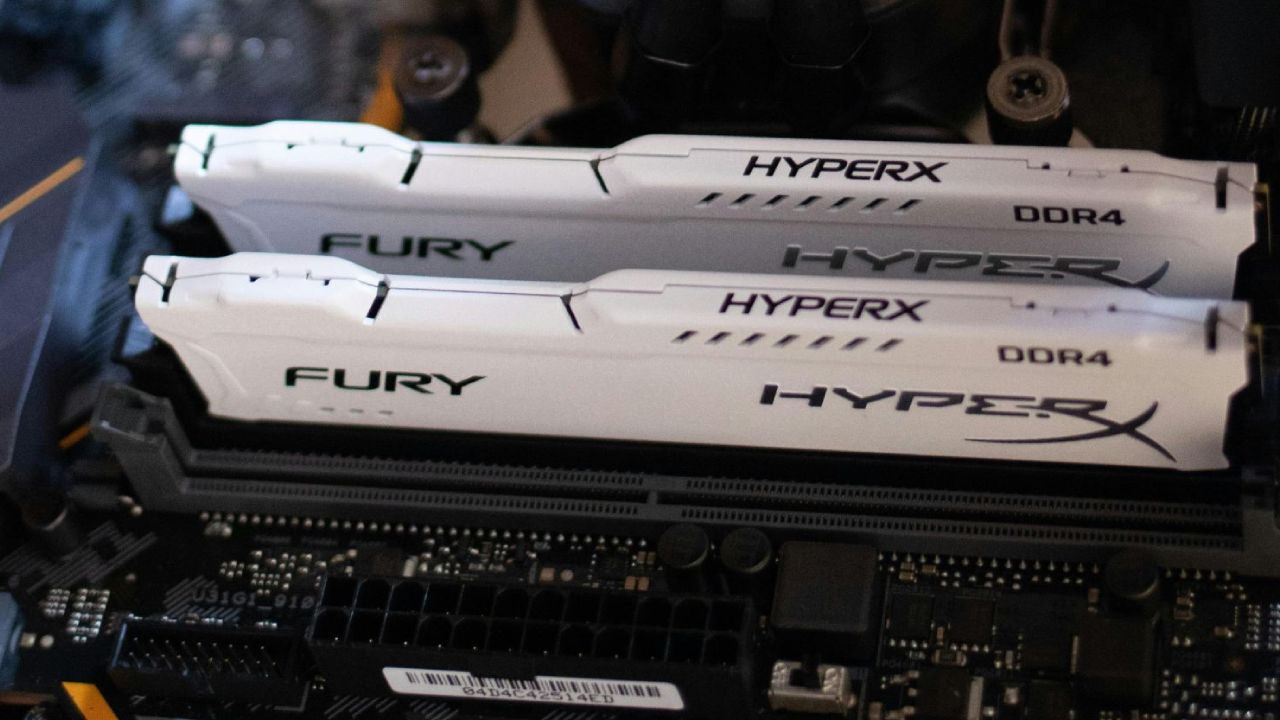
Manufacturers are Changing their Growth Plans
Memory makers are being careful about making DRAM. SK Hynix has said in public that it is being careful about increasing production. The worry stems from past market cycles, especially after the COVID outbreak, when demand dropped, and supply was too high. During that time, too much stock on hand caused memory prices to drop significantly. It was possible to buy large capacity kits, such as 32GB, for very little money.
Companies now want to avoid going through the same thing again after prices have been going up for a while. The risk of another demand slowdown is affecting decisions about production and growth.
Recent Changes and Trends in Prices
Recent price data suggests that DDR5 memory, notably 32GB kits at 6000 speeds, has risen significantly. Prices rose sharply from the end of last year to the beginning of this year. But more recent data show a small drop or a stable level.
Higher-capacity kits, such as the 64GB DDR5 6000, are also following this pattern. Prices that used to range from 200 to 250 have risen significantly. Still, recent changes suggest they are no longer rising as quickly. The market is still costly, but signs indicate it is stabilizing.
More information shows that DDR4 costs fell by about 7.2% from February to March. Overall, DDR3 and DDR4 didn't alter much, but laptop memory got smaller. Prices for internal SSDs and HDDs rose, while GPUs got a little cheaper. These developments suggest that the broader hardware market is beginning to stabilize.
The Outlook for Consoles Stays the Same
The CEO of Take-Two Interactive said that the PlayStation 6 and the next Xbox, both next-generation systems, should not be delayed due to memory or storage issues. There was no official confirmation that supply problems will improve. Still, it is expected that production schedules will not be significantly affected.
We know that console makers often make long-term deals with suppliers that include set prices and a promise to always have stock. This could help keep things running smoothly even if the larger market changes.
The next PlayStation is likely to be released in late 2027 or early 2028. Sony has released consoles in November before, so that time frame is likely the target.
Concerns about Demand and Pressure from the Industry
There is growing concern about the long-term viability of demand, especially from large customers in the AI and data center industries. Companies working on AI have boosted demand for memory by buying large amounts in a short time.
You should know that if demand from certain areas goes down, memory prices could drop quickly. If big buyers cut back on purchases or run into financial difficulties, the market might change swiftly. This makes it hard for suppliers to plan their long-term production strategy.
The Future of PC Hardware
If current trends continue, we should see the memory supply improve gradually over the next few years, until late 2027 or early 2028. If demand drops sooner, stabilization could happen sooner. Overall, this would be good for PC hardware prices.
You might see upgrades that accompany new hardware launches, including next-generation Ryzen processors and new GPU architectures. Some rumors suggest AMD is prioritizing data center production over consumer products, which could lead to delays. However, as supply conditions improve, consumer hardware should become more available.
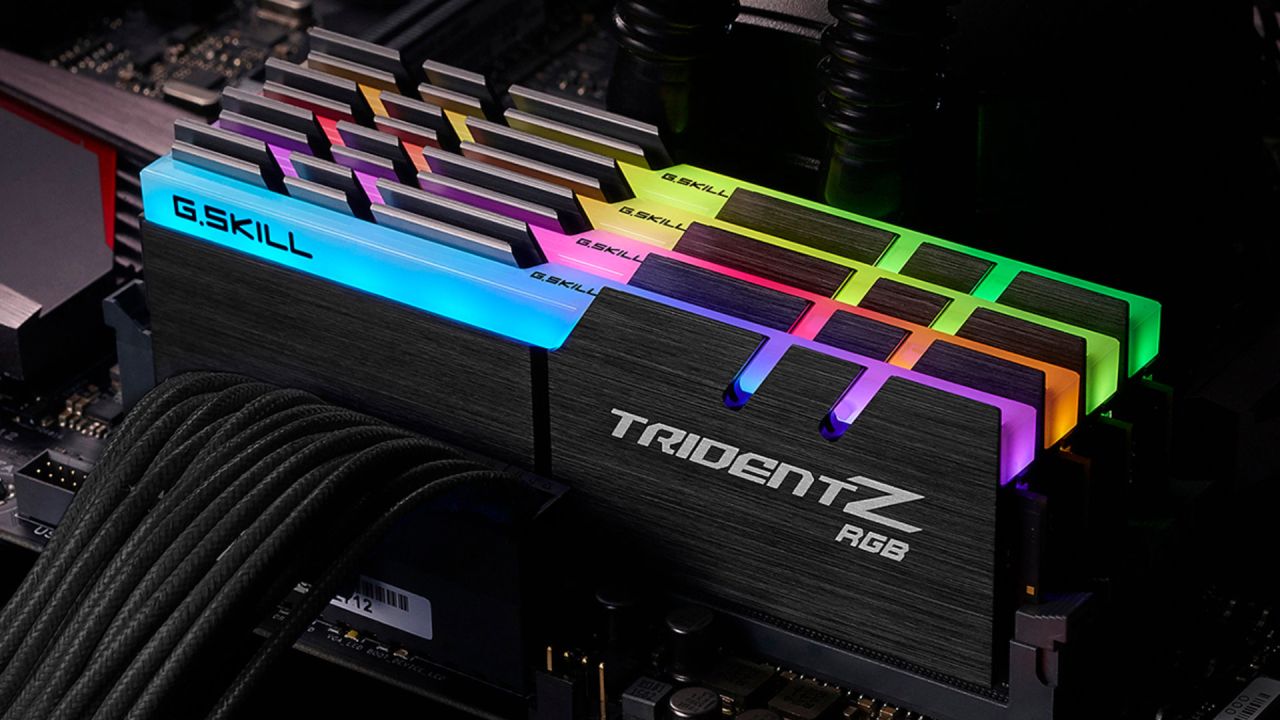
Changes in Technologies for Upscaling
Upscaling technologies are still under development. The enhanced PSSR utilized in the PlayStation 5 Pro and AMD's FSR 4.1 employs the same neural network. FSR4.1 has been tested in several PC titles. The results demonstrate that the visual output is better.
AMD, Sony, and other partners are still working together to shape the future of graphics technology. Some rumors say that future architectures might include new versions of upscaling, which could be called FSR5 or something similar. Not all current hardware may support these new features, since some of them may only work with newer architectures.
Final Thoughts
Memory prices are still high, but recent trends suggest they are stabilizing. Manufacturers are adjusting their plans to avoid overproduction, but demand uncertainty continues to affect the market. We are seeing signs of balance returning. If things stay the same, you may expect things to get better over the next few years.
Also, check our other hardware articles:
- AMD Ryzen 9 9950X3D Review: Setting The Standard For 2025 Gaming CPU
- Amazon Luna 2025 Review: Is Prime Gaming's Cloud Service Your Go-To For Casual Fun?
- AMD RX 9070 XT Review: AMD's RDNA 4 Champion for 1440p Gaming
- GeForce Now Ultimate: Ditching Your Gaming PC For Cloud RTX 4080 Power?
- NVIDIA GeForce RTX 5080 Review (2025): Still A 4K Gaming Powerhouse?
- Intel Core Ultra 9 285K Review And Performance Breakdown (2025)
- AMD Ryzen 7 9800X3D Review: 3D V-Cache Goes God Mode with Stunning Gaming Performance
- Intel Core Ultra 9 285K vs AMD Ryzen 7 9800X3D: In-Depth Gaming Performance and Benchmark Comparison
- NVIDIA GeForce RTX 5080 Super Performance In Cyberpunk 2077: Path Tracing & DLSS 4.0 Tested
- AMD Radeon RX 9070 XT In Cyberpunk 2077: Ray Tracing & FSR 4.0 Tested
- Intel Arc B580 Review: The $250 GPU Revolutionizing 1440p Gaming
- Intel Arc B570 Vs. B580: Value, Specs, And Real-World Gaming Performance
- RTX 5090 Laptop Vs. M4 Max MacBook Pro: Ultimate Raw Performance Vs. Battery Endurance
- Intel Arc b580 Vs. RTX 4060: Game Performance And Value Analysis
- RTX5090 Hell Is Us Demo 4K Ultra Benchmark: DLSS Vs. Native Performance Guide
- NVIDIA RTX 5070 Review: Mid-Range Muscle or Marketing Hype?
- Nintendo Switch 2 Review: Handheld Performance, Features & Value Breakdown
- RTX 5070 Ti Review: Performance, Thermals & Power Efficiency Tested
- Samsung Odyssey OLED G81SF Review 2025: Ultimate 32-Inch QD-OLED Gaming Monitor
- AMD RX 9070 Performance Review: Thermals, Clocks, and Real-World FPS
- AMD Ryzen 5 7600 Review: Best Budget Gaming CPU of 2025?
- AMD Radeon RX 7800 XT Review: RDNA 3 Power For Midrange Gaming
- Asus ROG RTX 5090 Astral OC Vs. Founders Edition: The 4K Gaming Benchmark
Editor, NoobFeed
Latest Articles
No Data.