
What Makes a Great Esports Title? Game Design Lessons from the Top Competitive Games
Other by Arisu Taiaya on Aug 22, 2025
Some games are fun. Others are fair. But only a few strike the balance between both—and it’s those few that make it to the top of the esports world.
Developers and students looking to create a competitive game can learn a lot from the titles that dominate tournaments and live broadcasts today. But winning in the competitive scene isn’t just about mechanical polish. It’s about consistency, clarity, adaptability, and a core gameplay loop that rewards mastery without alienating newcomers. The best esports titles don’t just work—they scale with skill.
.jpg)
Skill Ceilings and Mastery Matter
Every great competitive game offers depth. Whether it's managing recoil in Counter-Strike 2, controlling vision and cooldowns in Dota 2, or juggling team coordination and aim precision in Valorant, what unites them is their respect for player agency. These games reward dedication over shortcuts.
Skill expression becomes part of the spectacle. Matches are compelling not because the games are chaotic, but because they’re structured well enough to let individual decisions shine through. A great esports game lets the best players show why they’re the best—and it gives viewers a reason to care.
Consistency Builds Competitive Trust
Consistency is another key trait. Hit registration, movement responsiveness, and physics must remain reliable across online esports sessions. Players need to know that when they make a move, the outcome will be based on their input—not the whims of latency or an RNG.
From a viewer’s perspective, familiarity breeds engagement. Maps, agents, heroes—they evolve, sure. But the core mechanics stay stable enough that fans can follow the action, form loyalties, and develop their own strategies as they watch. This also makes it more exciting for them to bet on matches.
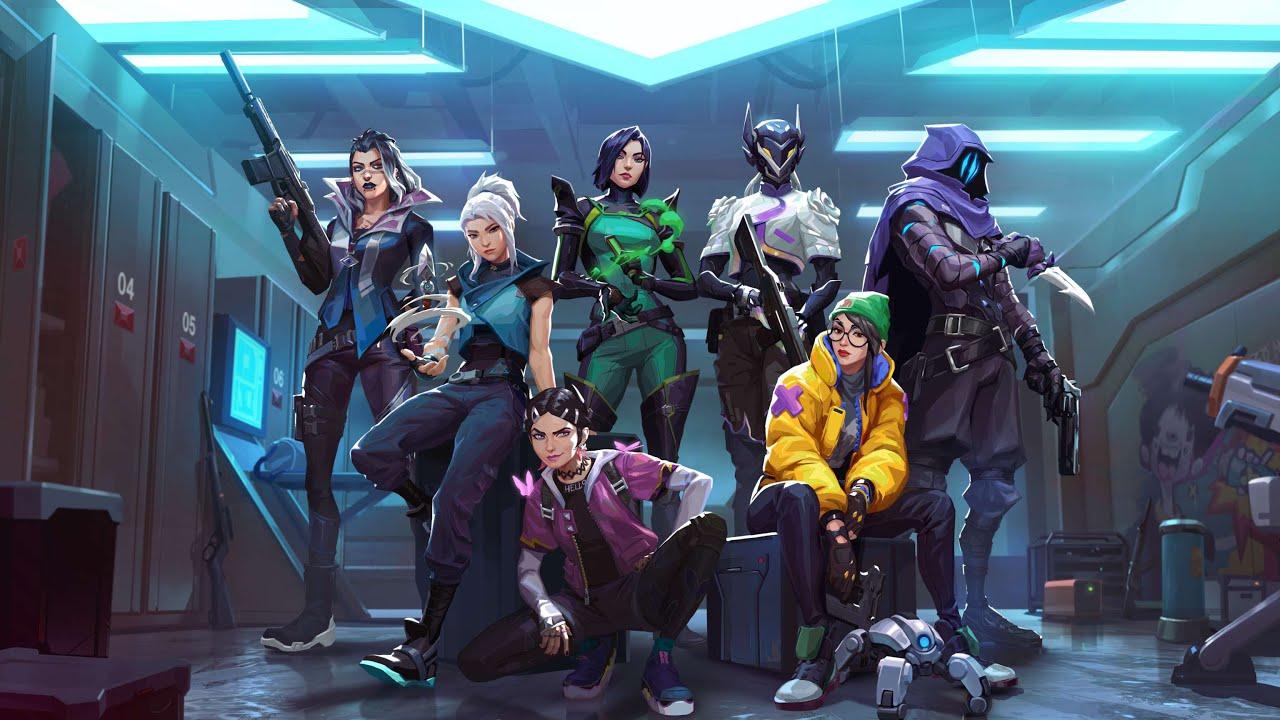
A deeper understanding of that consistency can also help newcomers. For example, players getting into Valorant today can benefit from curated guides like this breakdown of the best VALORANT agents for beginners in 2025, which highlights characters that are forgiving to learn yet powerful in the right hands. That balance of accessibility and potential is part of what makes the game endure in both casual and competitive spaces.
The Meta Should Evolve—But Not Collapse
No game can remain static and survive. But too much volatility kills competitive confidence. Strong esports titles allow their metas to evolve slowly, guided by patches, pro play, and community adaptation—not abrupt, jarring updates that upend months of progress.
What works here is a controlled flexibility. Tools, weapons, and agents may rotate in and out of popularity, but there’s rarely a moment when a single strategy is so dominant it invalidates others. In League of Legends, Overwatch 2, and Dota 2, this ongoing meta shift encourages innovation without invalidating legacy knowledge. Developers walk a fine line between freshness and fairness—and the best ones do it quietly.
This also keeps games exciting for spectators. Watching a team draft an off-meta comp that works is thrilling because it breaks expectations. That kind of moment can’t happen if the entire meta changes every two weeks.
Spectator-Friendliness is a Must
Not every competitive game is fun to watch. Even if a title plays well, it may still fail to resonate with a broader audience if its matches are difficult to follow or lack clear visual cues.
Great esports titles minimize this friction. Abilities and actions are visually distinct. UI elements help new viewers track progress—like round wins, cooldowns, and economy. Camera work is fluid, and replays clarify what just happened without overwhelming the viewer. And perhaps most importantly, every moment builds toward a win condition that’s clear, intuitive, and exciting.
This is especially important as esports continues to intersect with audience-based engagement like streaming platforms, content creation, and yes, online esports betting. The more understandable the match, the more invested the audience becomes.

Why It Works for Developers Too
For developers and game designers, building an esports-friendly title means thinking long-term. Mechanics need room to breathe. Meta balance requires restraint. And the player base must feel their time is respected. That means avoiding pay-to-win mechanics, prioritizing dedicated servers, and fostering a competitive environment that isn’t punishing for beginners but is still rewarding for veterans.
Here’s a simplified look at what separates top-tier esports games from the rest:
|
Element |
Why It Matters in Competitive Games |
|
High skill ceiling |
Rewards practice and creates exciting moments |
|
Consistent mechanics |
Builds player trust and strategic clarity |
|
Evolving, stable meta |
Encourages innovation without invalidating effort |
|
Spectator-friendly design |
Broadens appeal and builds long-term fan bases |
|
Developer support cadence |
Regular, fair updates signal long-term commitment |
How To Make a Great Esports Title
A good esports title doesn’t chase trends. It builds a foundation where trends can emerge naturally—through strategy, player skill, and long-term engagement. The design lessons from games like Valorant, CS2, and Dota 2 aren’t just for developers working in the AAA space. They apply to indie teams, modders, and students building the next big thing.
Consistency, clarity, and competition—that’s what keeps players grinding, fans watching, and esports alive.
Moderator, NoobFeed
Latest Articles
No Data.