

Intel Unified Core Architecture Confirmed: Nova Lake Timeline and Desktop Strategy Explained
Dual-tile Nova Lake variants target higher core counts while maintaining mainstream platform limitations.
Hardware by Okazaki on Feb 24, 2026
Intel has now formally acknowledged its unified core architecture, though in a roundabout fashion. This is a change from the company's current hybrid strategy. The effects on the desktop market, how they stack up against AMD, and the ongoing Zen plan are all very important. Along with this announcement, rumors about Nova Lake and its release date have also surfaced, making Intel's short-term plans even more unclear.
The job description says the candidate will join the unified core design team and be responsible for ensuring CPU logic designs work correctly through pre-silicon verification. That alone is enough to prove that a unified core project is now underway.
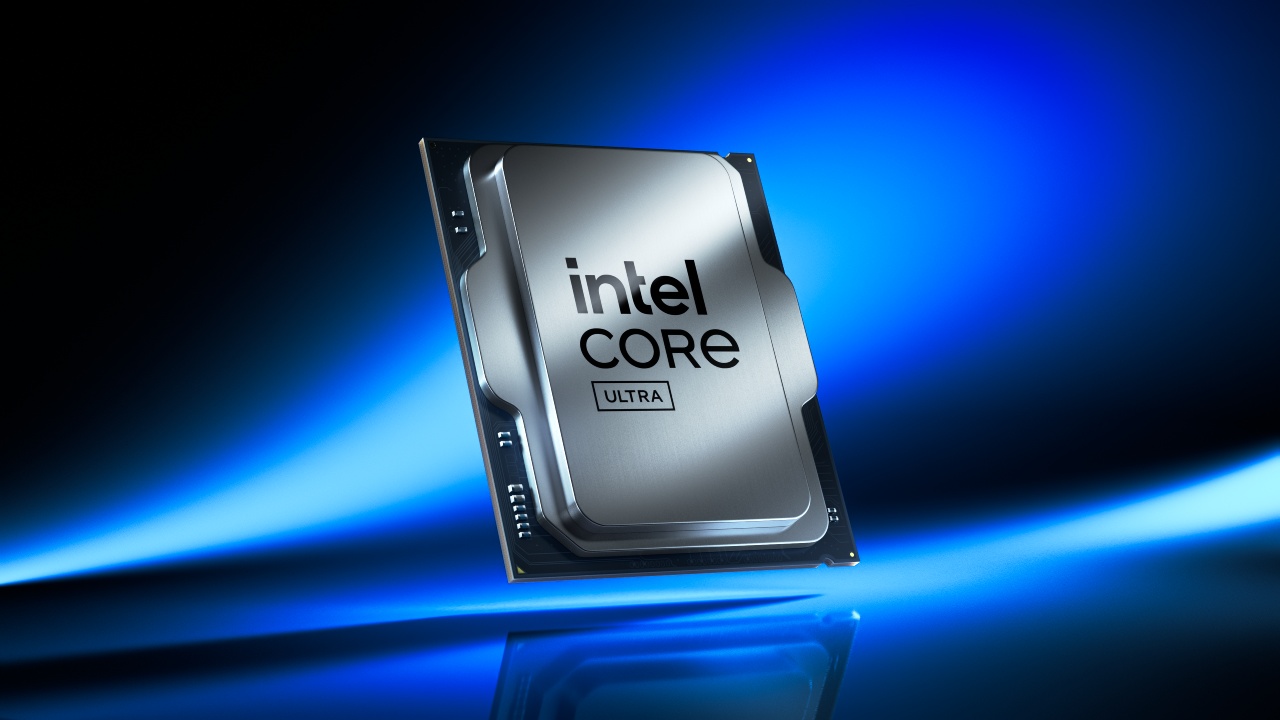
How Intel's Core Strategy Has Changed
Unified cores have come up a lot in the last several years for those who have been following the conversation. The idea has changed, and as far as we know, Hammerlake will be the first processor to use this design. Other processors are also coming out, such as Nova Lake and Titan Lake. However, Titan Lake is not thought to use a unified design.
Intel's prior hybrid design split performance cores with efficiency cores, as seen in processors like Raptor Lake and Arrow Lake. That architecture worked, but Intel is moving toward a single-core architecture that can be configured differently for different market segments.
Intel can make its products bigger or smaller by changing the sizes of clusters, cache allocations, instruction sets, and power envelopes. Instead of creating completely different types of cores, segmentation would occur through configuration. We can adjust the cache size, instruction set support, or power characteristics to make products stand out in the desktop, mobile, and server markets.
This is similar to how AMD is handling Zen5 and Zen5c. The way things are done may differ, but the general direction remains the same. One question that hasn't been answered yet is whether SMT will stay in all sectors. It might still happen with server goods, even though SMT has discussed security issues in the past. There is still a lack of clarity for desktop products.
AMD's Zen Roadmap puts Pressure on Competitors
AMD's Zen roadmap is still very ambitious. Zen5 has done well, and Zen6 looks like a formidable competitor. People say that Medusa, the Zen6 generation that focuses on desktops, will boost core counts to 24 cores and 48 threads. AMD thinks it will still be able to compete in single-thread and multi-thread workloads, based on what we know now.
Intel and AMD still use dual-channel memory in most desktop computers, which could hinder some applications depending on their bandwidth needs. AMD's early adoption of chiplet-based scaling, starting with Zen2, gave it a structural advantage in controlling costs and segmenting products.
Intel's more recent designs, such as the 200 series, have not been bad. But AMD's improvements in execution and efficiency have kept Intel's roadmap decisions under strain. Intel's structural response includes unified cores.
Rumors about Nova Lake and when it will be out
Rumors have been going around that Nova Lake might not come out this year. Some people said Nova S could come out in 2027, and others said corporations are timing their launches around CES. There are also suggestions that AMD would push back the release of Zen6 desktop to next year, even though it was supposed to be out in the fourth quarter.
Intel's CEO has said that Nova Lake will be out at the end of 2026. There is no solid proof that Nova Lake has been pushed back beyond that time window, even though product delays are always conceivable. A gradual rollout plan seems likely instead.

Based on what we know, the dual-tile version of Nova Lake, expected to feature 52 cores and be closer to the HEDT area, might launch in 2027. Still, it will have to deal with limitations such as dual-channel memory and fewer I/O ports compared to Threadripper-class devices.
The single-tile K-derivative desktop versions will be out in the fourth quarter of 2026. This is something Intel has done before. In the past, K-series processors came out first, and then non-K variations came out around the CES timeframe in the next quarter.
For instance, earlier publications indicated that K-variants would be released in October and non-K CPUs in January. We have seen the same sequencing in Raptor Lake and other generations. So, the most likely plan is to release single-tile K-series variants in Q4. Early 2027: Non-K desktop SKUs and dual-tile versions. This fits with Intel's previous delivery schedule.
Final Thoughts
There are still uncertainties about other variant types, such as BLLC models. Attempts to obtain confirmation have not yielded clear responses. If Intel's designs are ready and tested, they should be released quickly to improve their competitive position, especially versus AMD's Zen6 desktop launch timetable.
There will be a lot of activity for desktop CPUs next year. Unified cores are a change in Intel's design philosophy, and Nova Lake's staggered delivery approach is based on both competitive timing and product segmentation planning. It is still unclear whether this change would completely counter AMD's Zen vision, but the architecture's direction is.
Also, check our other hardware articles:
- AMD Ryzen 9 9950X3D Review: Setting The Standard For 2025 Gaming CPU
- Amazon Luna 2025 Review: Is Prime Gaming's Cloud Service Your Go-To For Casual Fun?
- AMD RX 9070 XT Review: AMD's RDNA 4 Champion for 1440p Gaming
- GeForce Now Ultimate: Ditching Your Gaming PC For Cloud RTX 4080 Power?
- NVIDIA GeForce RTX 5080 Review (2025): Still A 4K Gaming Powerhouse?
- Intel Core Ultra 9 285K Review And Performance Breakdown (2025)
- Intel Core Ultra 9 285K vs AMD Ryzen 7 9800X3D: In-Depth Gaming Performance and Benchmark Comparison
- NVIDIA GeForce RTX 5080 Super Performance In Cyberpunk 2077: Path Tracing & DLSS 4.0 Tested
- AMD Radeon RX 9070 XT In Cyberpunk 2077: Ray Tracing & FSR 4.0 Tested
- Intel Arc B580 Review: The $250 GPU Revolutionizing 1440p Gaming
- Intel Arc B570 Vs. B580: Value, Specs, And Real-World Gaming Performance
- RTX 5090 Laptop Vs. M4 Max MacBook Pro: Ultimate Raw Performance Vs. Battery Endurance
- Intel Arc b580 Vs. RTX 4060: Game Performance And Value Analysis
- RTX5090 Hell Is Us Demo 4K Ultra Benchmark: DLSS Vs. Native Performance Guide
- NVIDIA RTX 5070 Review: Mid-Range Muscle or Marketing Hype?
- Nintendo Switch 2 Review: Handheld Performance, Features & Value Breakdown
- RTX 5070 Ti Review: Performance, Thermals & Power Efficiency Tested
- Samsung Odyssey OLED G81SF Review 2025: Ultimate 32-Inch QD-OLED Gaming Monitor
- AMD RX 9070 Performance Review: Thermals, Clocks, and Real-World FPS
- AMD Ryzen 5 7600 Review: Best Budget Gaming CPU of 2025?
- AMD Radeon RX 7800 XT Review: RDNA 3 Power For Midrange Gaming
- Asus ROG RTX 5090 Astral OC Vs. Founders Edition: The 4K Gaming Benchmark
Editor, NoobFeed
Latest Articles
No Data.