

NVIDIA RTX 50 Series GPUs Tested in Battlefield 6 for High FPS and Low Latency
High-performance gaming with RTX50 series cards enables smooth 1080p, 1440p, and 4K gameplay with low latency and high frame rates.
Hardware by Godrics01 on Nov 21, 2025
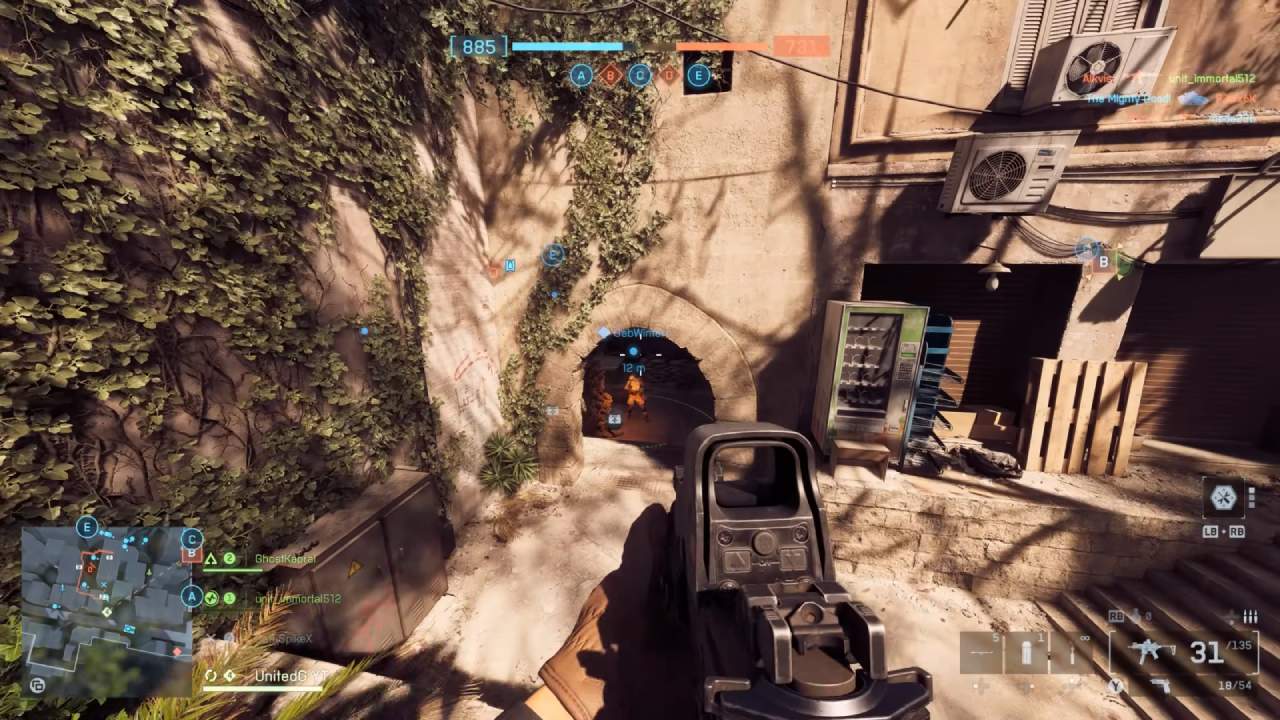
Battlefield has always pushed PC hardware. The combination of dynamic destruction, massive 64+ player multiplayer warfields, infantry, tanks, choppers, and jets requires high-end graphics, high resolutions, and high frame rates.
Battlefield 6 continues this trend. DICE and the Frostbite Engine have amplified all these elements, delivering detailed maps and fast-paced action. Achieving this requires capable hardware, and GPUs are central to meeting these demands.
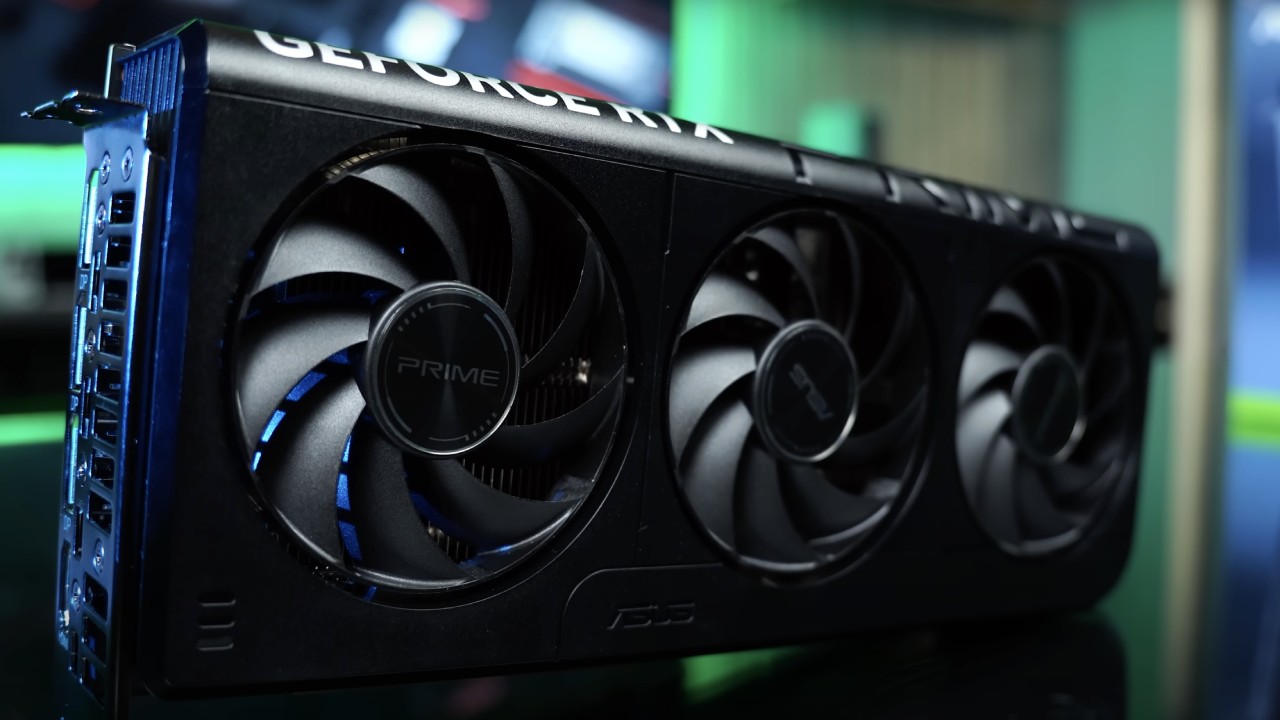
For high-quality low-latency gaming, achieving 100+ FPS requires careful selection of GPUs. We focused on three models from the latest Nvidia RTX50 series, each designed to deliver high frame rates while maintaining low temperatures. The series targets different price points and performance levels.
Entry-Level RTX 5060: 1080p High-Quality Gaming
The RTX 5060 is aimed at 1080p gaming. It supports RTX features such as real-time ray tracing, DLSS, transformer model reconstruction, and multiframe generation (MFG) up to 4x. Reflex low-latency technology is also included.
We tested the 5060 using a consistent system configuration to ensure the GPU alone was responsible for performance results. Battlefield 6’s Frostbite Engine supports physically based lighting, dynamic destruction, ray tracing, and the full RTX suite, including DLSS and MFG.
At 1080p, we started with overkill settings. Reducing global illumination bounce and ambient occlusion from super-sampled SSGI to ground truth AO improved performance dramatically with minimal visual impact.
Frame rates rose from 44 fps to 61 fps. Enabling DLSS quality mode reduced the base rendering resolution to 1280x720. Still, it reconstructed it to 1920x1080 using tensor cores, pushing frame rates to 73 fps. These settings provided an average of 65.53FPS across our gameplay test.
Reflex latency testing showed 47.37ms with the feature disabled. Enabling Reflex reduced input latency to 41.92ms, an 11% improvement. With MFG enabled, the RTX 5060 could scale frame rates further. Two times MFG averaged 114.2FPS with 56.54ms input latency, while four times MFG increased frame rates to 221.6FPS with 65.27ms latency. The GPU stayed below 56°C throughout.
Mid-Range RTX 5070: 1440p Gaming Performance
The RTX 5070 builds on the 5060, targeting 1440p resolution with higher CUDA core counts and 12GB of GDR7 memory. Using the same testing methodology, we compared 1080p DLSS quality to 1440p DLSS quality without MFG.
At 1440p ultra settings, the 5070 averaged over 144 FPS. Reflex input latency was 33ms without the feature enabled, dropping to 30ms when Reflex was activated. With MFG at four times, frame rates averaged 341.4FPS, with input latency at 41.7ms. Temperatures remained around 62°C thanks to the Twin X2 cooling system, which includes removable fans, an aluminum chassis, and a large copper heat sink.
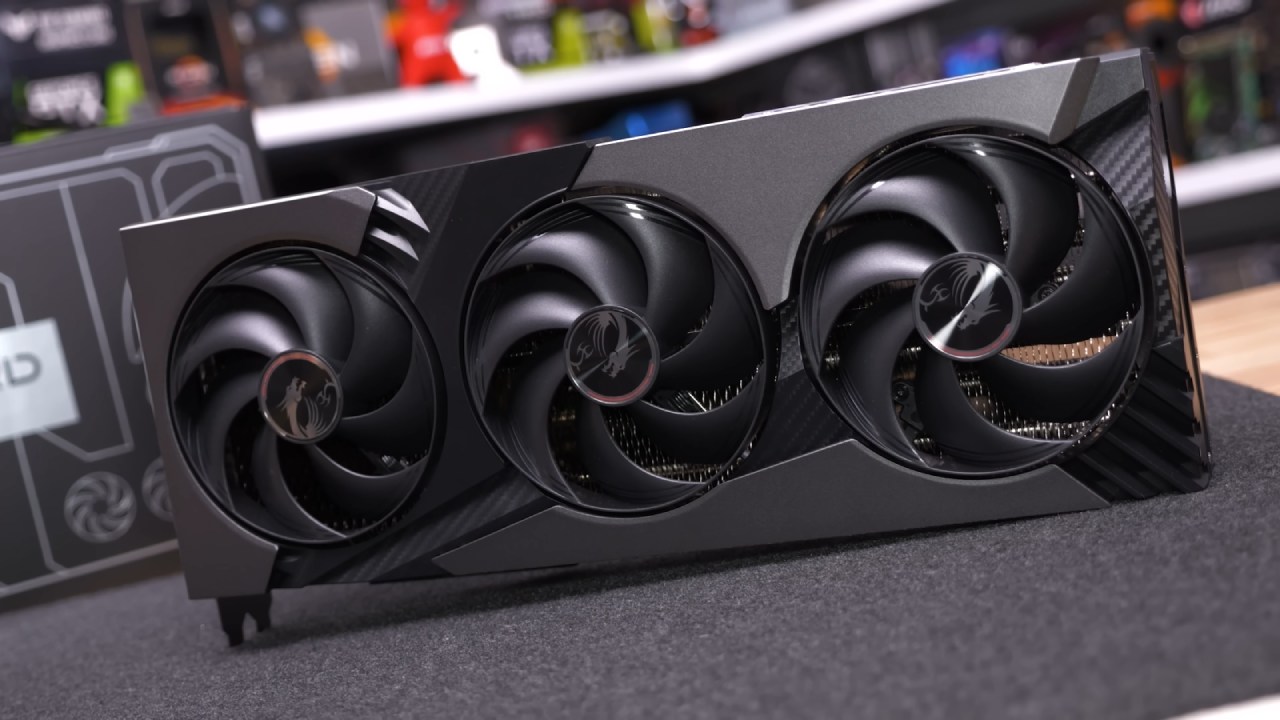
High-End RTX 5080: 4K Ultra Gaming
RTX 5080 targets high-end 4K gaming. Starting from 1440p ultra settings and enabling DLSS quality mode, the card averaged 123.5 FPS during high-intensity multiplayer action. Input latency measured 29.7ms without Reflex, with potential reductions of 2-3ms when Reflex is active.
MFG further increases frame rates. Two, three, or four times MFG enabled refresh rates above 400FPS while maintaining low input latency at 41.19ms and GPU temperatures under 58°C. This shows that even at high resolution, the card remains responsive, cool, and capable of high refresh output.
Scaling Performance Across RTX50 Series GPUs
When the three GPUs are evaluated, the differences in performance become clear. RTX 5060 can play 1080p games with excellent fidelity. The RTX 5070 offers strong performance and finds a decent balance for 1440p gaming. Because of its lower resolution, it can even surpass the 5080 in some circumstances.
The RTX 5080 Excels at 4K Ultra Settings
All RTX50 series GPUs tested deliver scalable performance, supporting high-quality visuals, fast frame rates, and low-latency gameplay. Reflex and MFG features allow gamers to optimize both responsiveness and frame output. Temperatures across all models remain within safe limits, even under demanding conditions.
Final Thoughts
RTX 5060 handles 1080p gaming reasonably well, but the RTX 5070 really shines at 1440p. These cards are built for the rigors of Battlefield 6 multiplayer, with support for RTX features, low latency, and high frame rates.
NVIDIA RTX 50 series cards can be explored across the full range to match performance and budget needs.
Also, check our other NVIDIA articles:
- NVIDIA GeForce RTX 5080 Review (2025): Still A 4K Gaming Powerhouse?
- NVIDIA RTX 5070 Review: Mid-Range Muscle or Marketing Hype?
- RTX 5070 Ti Review: Performance, Thermals & Power Efficiency Tested
- ASUS GeForce RTX 5090 LC Liquid Cooled GPU Review: Unmatched Silence & Speed
- MSI GeForce RTX 5090 32GB SUPRIM SOC Review: Power Efficiency, Cooling, and Gaming Performance
- INNO3D RTX 5060 Ti 16 GB X2 Review: Gaming Benchmarks, Temps, and Power Efficiency
- HP Omen 45L Review: RTX 5090 Performance, Thermals, and Value Analysis
- ASUS TUF Gaming GeForce RTX 5060 Ti Review: DLSS 4, Power Efficiency, and Gaming
- ASUS Prime RTX 5060 Ti OC 16GB Review: DLSS 4, Ray Tracing, & Thermals Tested
- NVIDIA GeForce RTX 5060 Review: Specs, Gaming, and Cost per Frame
- MSI GeForce RTX 5090 GAMING TRIO OC Review: A Monster Power GPU
Editor, NoobFeed
Latest Articles
No Data.