
Sony's Digital PlayStation Future Will Leave Gamers With Fewer Choices and Higher Prices
Sony's hold on digital sales, the demise of used games, and what consumers might be giving up in return are becoming increasingly concerning, as physical game production is reportedly slated to cease in 2028.
Opinion by Mahi Araf on Nov 05, 2026
Buying a PlayStation game could become a very different experience in the coming years, especially if Sony moves towards an entirely digital future. Imagine finding a game listed for $70 on the PlayStation Store. You decide that's too expensive and check Walmart for a cheaper physical copy, but there's nothing available.
GameStop doesn't have any used copies either, and Amazon offers no better deal. You can't even borrow the game from a friend because physical copies are no longer being produced. Eventually, your only option is to pay whatever Sony is charging through its digital storefront.
That's the kind of future raising concerns among PlayStation gamers.
Sony has already stopped retailers from selling individual digital PlayStation game codes through its previous retail program. On top of that, the company plans to stop manufacturing physical discs for new PlayStation games starting in January 2028. Although Sony says retailers will still be able to sell digital games, there's still uncertainty about whether those retailers will be free to compete with the PlayStation Store on pricing.
The biggest concern isn't necessarily that Sony will immediately increase game prices or stop offering discounts. Instead, it's about losing the alternatives that currently give you more control over how much you spend. Even if you buy exclusively digital games, the physical market can still benefit you because retailers, used-game sellers, and individual owners create additional competition.
Consider a new PlayStation release priced at $70. After a few months, Walmart might lower its price to $50, Amazon could offer it for $45, and GameStop might have used copies available for $35. With several retailers competing for your money, publishers and Sony have more reasons to offer attractive digital discounts as well. Physical sales don't automatically force the PlayStation Store to match their prices, but they help create pressure across the market.
You also have options outside major retailers.
You can find people selling their games, or even entire collections, on sites like eBay and Facebook Marketplace. You can trade games with your friends. You can also visit smaller local game stores and pick up older releases for a fraction of the original price. These options give you more freedom to decide what a game is worth and where you want to buy it.
Without physical releases, however, that secondary market becomes much harder to maintain for new games. You won't find used copies in clearance bins or have the option to purchase a game from someone who has already finished playing it. Instead, you'll largely depend on whatever purchasing options Sony permits through its platform.
That doesn't mean digital discounts will disappear. Sony and publishers can still run sales whenever they want. However, there's a difference between receiving discounts because multiple sellers are competing for your money and receiving them because the company controlling the storefront decides to offer them. When those alternatives disappear, consumers naturally lose some of their bargaining power.
The resale market is another major part of this discussion.
Imagine a PlayStation game released two years ago that's still listed for $70 digitally. Sony might eventually discount it to $30 for a week, but once that promotion ends, the price returns to its original amount. If physical copies were still available, someone might be selling the same game for $20. You wouldn't need permission from Sony or the publisher to purchase that used copy.
Physical games allow prices to fall naturally as players finish their games, lose interest, or decide to sell their collections. Digital purchases don't offer an equivalent legal resale market for ordinary PlayStation games. If a title never receives another discount, you're left paying its current price or waiting for another promotion.
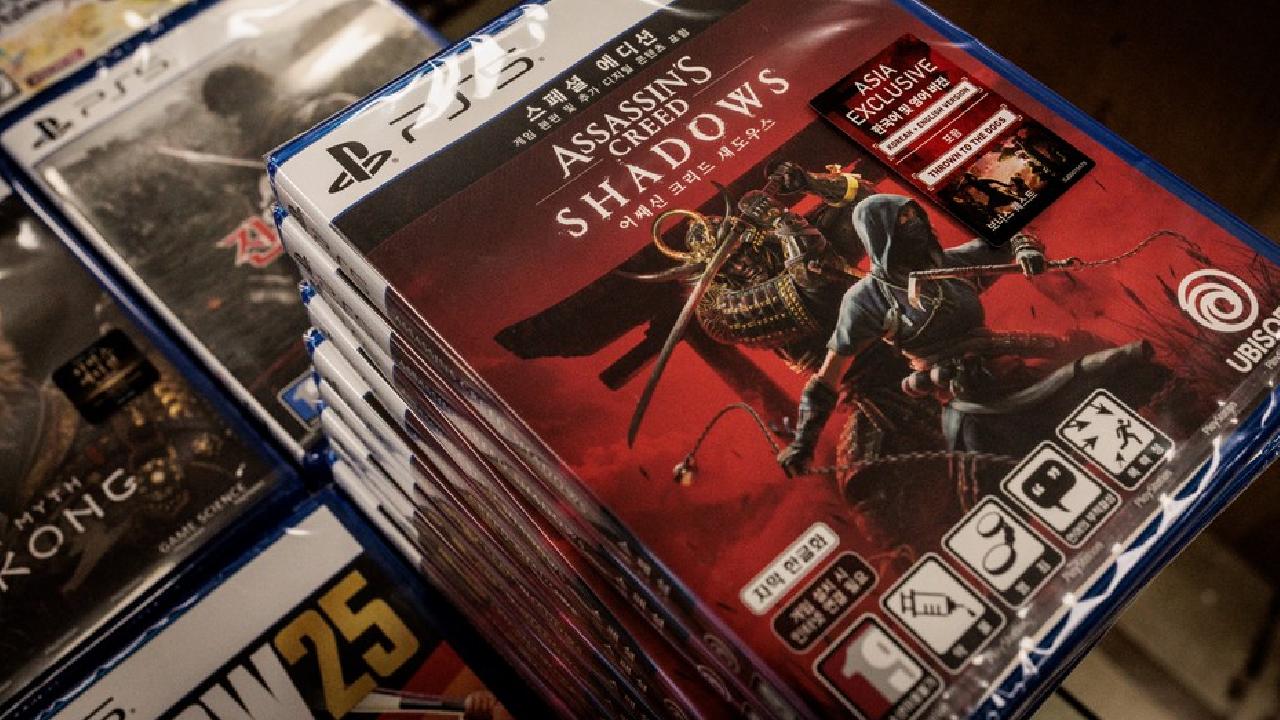
There's also the question of how much control Sony has over the digital purchasing experience. Publishers still set their games' prices, so Sony doesn't personally determine every third-party game's cost. But the company controls the PlayStation platform and decides how games are distributed on it. This gives Sony significant control over the buying choices available to consumers.
The claim that digital games automatically become cheaper also deserves a closer look. Of course, while the cost of manufacturing and distributing physical disks can be eliminated, that doesn't always mean those savings are passed on to consumers. Meanwhile, you're losing the ability to resell games, buy cheaper used copies, and benefit from the secondary market. Convenience might make digital purchases easier, but that doesn't automatically mean you're getting better value.
Sony's previous decisions have already raised questions about how much freedom retailers will have in this system.
Back in 2019, the company stopped providing retailers with full-game digital download codes through its retail program. Although stores continued selling PlayStation gift cards, those cards aren't the same as individual game codes. Walmart can sell you a $50 PlayStation gift card, but that doesn't mean it can independently discount God of War to $20 while the PlayStation Store charges $40. You're still purchasing credit to spend inside Sony's ecosystem.
Now, with physical discs for new games expected to disappear in January 2028, Sony says digital games will remain available through retailers. However, it's unclear what that arrangement will actually look like. Will Amazon be able to sell a PlayStation game for $40 while the PlayStation Store lists it for $70? Will GameStop have its own digital clearance promotions? Or will retailers have to follow pricing structures established by Sony and its partners?
Real competition among digital retailers would certainly help with some of these concerns. However, until Sony explains how its new distribution system will work, gamers shouldn't expect everything to stay the same.
PC gaming is a common example of why physical games aren't necessary anymore. Platforms like Steam have done business digitally for years and regularly offer steep discounts. But PC gamers have several storefronts to choose from, including the Epic Games Store and GOG. Authorized retailers sell PC game keys, and publishers have their own digital stores. Although PC gaming has its own problems involving exclusivity and DRM restrictions, you can still check other storefronts when you don't like a game's price on Steam.
PlayStation doesn't offer that same freedom.
You can't install Steam or GOG on a PS5 and purchase games through those platforms. Sony controls which stores and distribution methods are permitted on its consoles. If physical games disappear without meaningful alternatives, PlayStation owners could lose an important way of finding cheaper games.
Game preservation is another concern surrounding an entirely digital future. Games can disappear from digital storefronts for several reasons. Publishers might lose music licenses, sports games can reach the end of licensing agreements, or companies might decide that keeping older titles available isn't financially worthwhile.
If you bought a digital game that was delisted, you usually can still download it. But someone who never bought it before it was pulled might have no way to get it. Even with physical copies, at leastthere'ss another option if they're hard to find or expensive. If a game is digital-only and is delisted, there may be no copies available for new players to purchase.
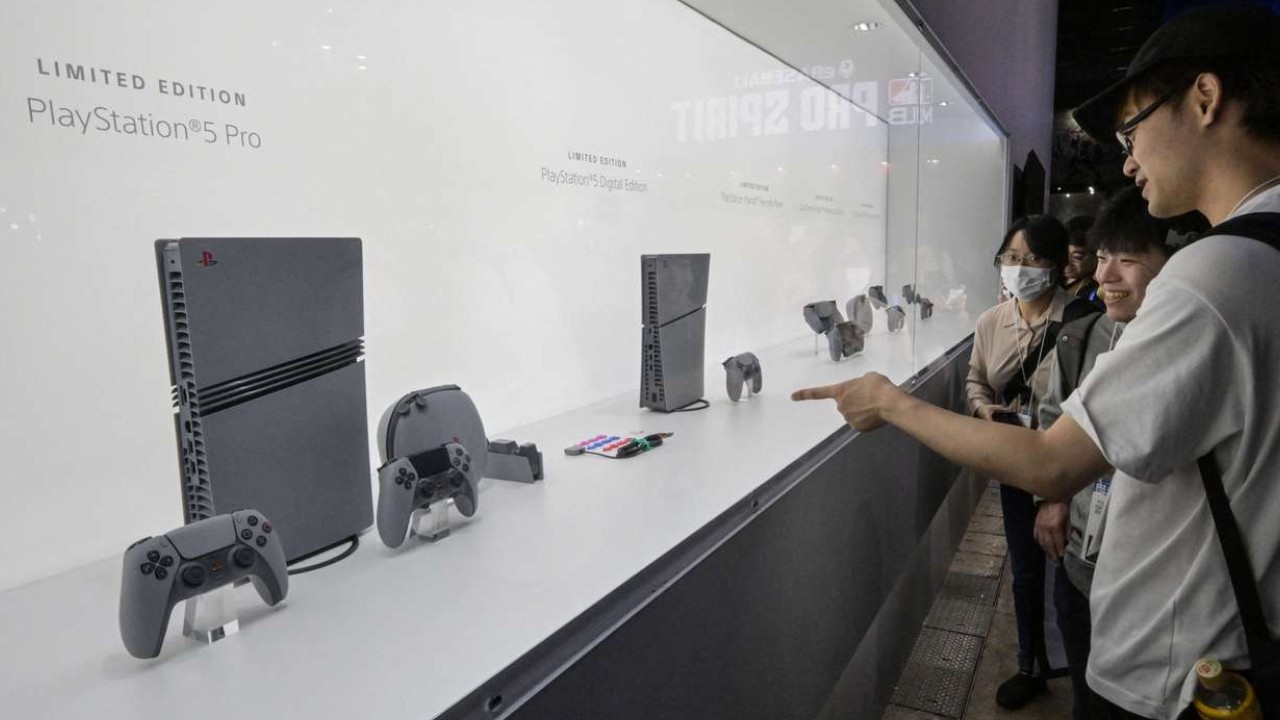
Future generations are heavily dependent on publishers, platform holders, and digital storefronts for what games remain available. These concerns aren't purely hypothetical, as older digital storefronts have already shuttered or stopped taking new purchases. Sony will need to consider what safeguards it can provide to protect game availability over time.
Digital ownership also comes with account-related complications.
Sony's terms describe digital purchases as personal, generally non-transferable licenses, meaning your library remains connected to your account and the company's licensing system. Account suspensions, security issues, billing disputes, and service shutdowns can all affect access in ways that don't apply to a functioning physical copy.
If you lose access to your account, you could encounter problems accessing games you've already paid for. A physical game that works offline gives you another way to play without depending on your account. Of course, physical releases aren't perfect either. Some games require you to download additional content or use online servers and don't offer the full experience on disc. But removing physical releases from the equation altogether doesn't solve those problems.
As Sony continues to move further into digital distribution, gamers deserve more, not less. Better physical releases, more digital ownership, and more flexibility to move or resell purchases would solve many of these problems.
An all-digital PlayStation future doesn't have to mean higher prices or the death of sales. But with fewer choices, consumers have less power to push prices down. The PlayStation Store may still offer regular discounts, yet it could become a less competitive place to buy games because you have nowhere else to go.
If the PS6 eventually goes all digital, Sony will have to show consumers what they're getting in return for losing physical releases and the benefits that come with them. Convenience alone may not be sufficient to justify abandoning the used-game market, resale rights and alternative purchase options. Ultimately, the future of PlayStation gaming shouldn't just be about making games easier to buy. It should also preserve meaningful consumer choice in how they buy, access, and keep the games they've paid for.
Senior Editor, NoobFeed
Latest Articles
No Data.