
AMD Zen 4 and RDNA 3 Steam Machine Specs with Practical Performance Insights
Detailed look at the Steam Machine’s Zen 4 CPU, RDNA 3 GPU, thermal structure, and overall gaming performance capabilities
Hardware by Tanvir Kabbo on Nov 14, 2025
The essential architecture and building blocks of the machine reveal an unusually large heat sink and cooling assembly, supported by a unique thermal design. In terms of storage, it ships with a 2230 SSD of either 512GB or 2TB capacity. Still, it can also accommodate a 2280 SSD without difficulty. Storage upgrades are straightforward.
A standard microSDXC slot is included—though not SD Express—and while it works well, it carries a significant speed penalty compared to internal storage, meaning demanding games should ideally be installed on the SSD. Users with a Steam Deck or Steam Deck Frame can hot-swap a microSD card between devices and immediately run games, a convenient feature that enables interoperability.
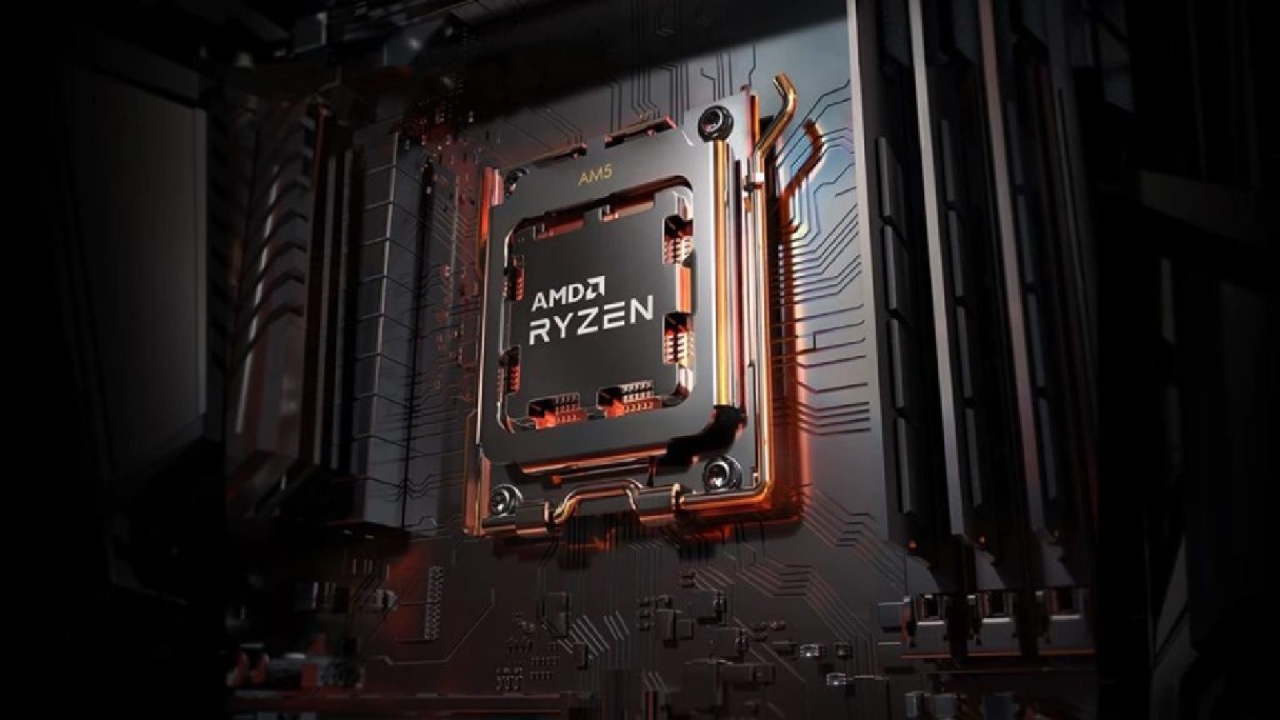
CPU Configuration and Performance Expectations
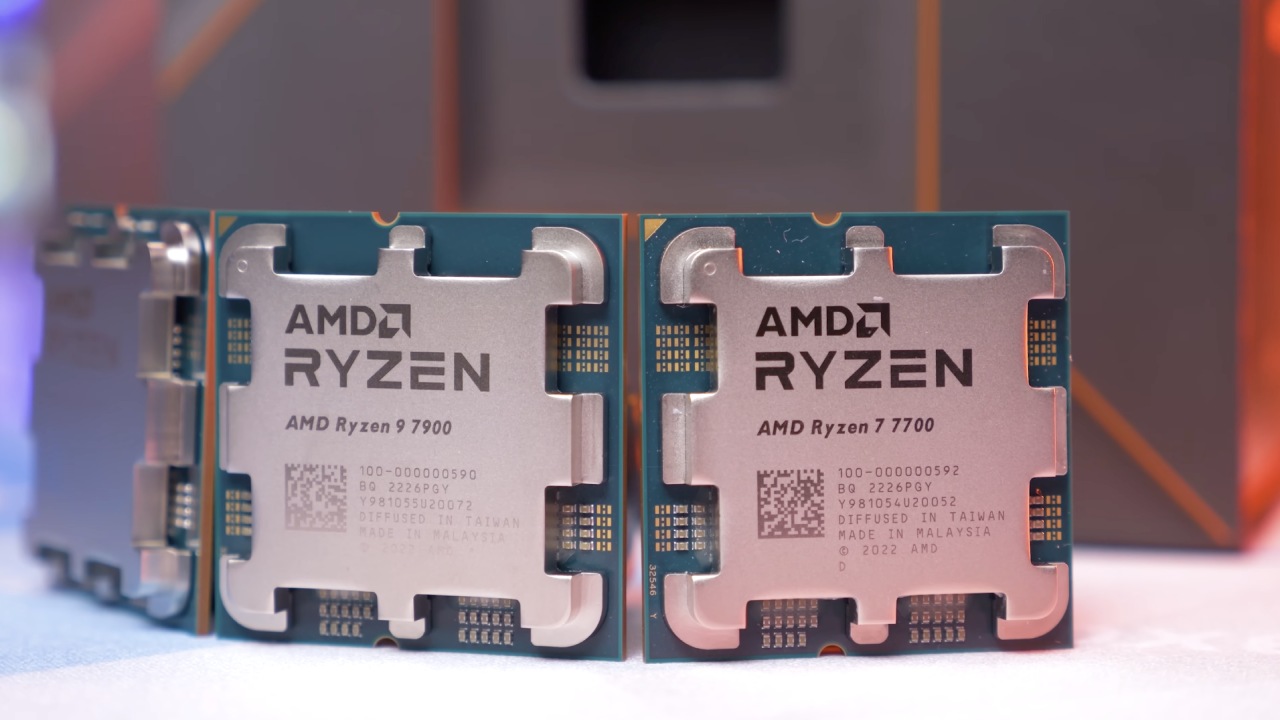
According to the spec sheet and discussions with Valve engineers, the CPU is a 6-core AMD Zen 4 design that operates at speeds of up to 4.8 GHz and consumes approximately 30W. There are rumors about a Hawk Point-based mobile APU that is connected to AMD's Z1 and Phoenix silicon, but this has not been proven.
We feel the CPU should comfortably handle 60fps gameplay on televisions across most titles, especially compared to other components in the system. It includes 16GB of DDR5 in a SO-DIMM configuration, which is user-replaceable but requires more disassembly than the SSD.
GPU Architecture and Memory Constraints
The GPU configuration becomes more controversial. It utilizes RDNA 3 rather than RDNA 4, featuring 28 CU cores at a sustained frequency of up to 2.45 GHz. This points to Navi 33, the same die found in the RX 7600, although it has been cut down from 32CUs to 28CUs. Valve calls it semi-custom, most likely referring to an off-the-shelf part with a custom configuration.
The GPU features 8GB of GDDR6, likely paired with a 120-bit memory bus, the maximum supported by Navi 33. The RX 7600 competes with the RTX 4060 in rasterization. Still, it falls significantly behind in ray tracing, and this configuration is slightly weaker than the previous one.
The claim of 4K60 gaming with FSR depends heavily on the title. In practice, we observed Cyberpunk running at 1440p60 with upscaling, but enabling ray-traced sun shadows and reflections dropped performance to the 30fps range. The demo TV lacked VRR support, creating noticeable jitter. Some games will achieve 4K60 with FSR, but certainly not all. Current-gen consoles often target 1440p60 or 4K30 with comparable upscaling, placing this GPU slightly behind them.
Valve quotes GPU power consumption at 110–130W, with total system load around 200W. The 8GB VRAM limit may pose significant bottlenecks, especially as console titles frequently exceed 10GB VRAM usage. Texture streaming issues, stutter, poor image quality, and sudden performance cliffs can occur in modern games when VRAM is insufficient. We believe this is the most concerning aspect of the hardware.
.jpg)
Concerns About VRAM Limitations and User Experience
Due to the GPU's limited bandwidth and 8GB of VRAM, players must adjust the game's settings to maintain smooth performance. While lighting or shadow settings can be adjusted without severe repercussions, reducing texture quality or exceeding VRAM constraints often results in substantial degradation.
We've seen textures becoming hazy, or the game stops for a few seconds while it unloads and reloads content. This is not ideal for a device marketed as a simplified, console-like experience.
Valve emphasizes affordability as the reason for the 8GB VRAM ceiling, an explanation similar to ones previously offered by AMD and Nvidia. However, even at 1080p, VRAM constraints persist in many modern games. We would like to see how demanding titles, especially those using DirectStorage or heavy asset streaming—behave under this configuration.
Positioning in the Living Room and Target Audience
The form factor aligns well with a living room setup. We can imagine placing it where a Series X sits and using it as a benchmark reference for PC gaming reviews. The curated Linux-based SteamOS experience is appealing, especially for those tired of Windows. Conceptually, this feels like a preview of what Microsoft may pursue in the future: a PC foundation with a game-first UI.
Two storage capacity options are available: 512GB and 2TB. The 512GB model is likely insufficient for players with large libraries, making the 2TB model a more practical option. We wish Valve had also provided 8GB and 16GB VRAM variations, considering the RX7600 does come in both.
Performance Expectations Relative to Other GPUs
Estimating GPU performance places this device roughly between the RX 6600 (28 CUs, RDNA 2) and the RX 7600 (32 CUs, RDNA 3). TDP is reduced, CU count is lower, and bandwidth is constrained. While 4K upscaling is possible, 1080p with FSR will likely be the optimal target for demanding titles. Ultra settings, particularly in Unreal Engine 5, are unrealistic. PC benchmarking typically uses ultra settings, but doing so on this device would be a mistake.
The price will ultimately determine its competitiveness. At $399, it becomes extremely attractive. At $499, especially with consoles offering better GPU performance, it becomes a tougher value proposition. Memory pricing volatility also affects production costs.
Linux Drivers, Optimization, and Real-World Performance
SteamOS relies on RADV drivers, which can outperform Windows in certain scenarios. There will be a notable difference between Windows-based benchmarks and SteamOS results. VRAM-limited games may still experience texture pop-in or reduced clarity, but all games will at least run smoothly. Stella Blade is a good example of how medium texture settings can significantly impact visual quality compared to the PS5.
The hardware choices reflect Valve's desire to maintain affordability in the US market, aligning with industry-wide arguments for 8GB GPUs in the mid-range class.
Also, check our other AMD articles:
- AMD Ryzen 9 9950X3D Review: Setting The Standard For 2025 Gaming CPU
- AMD Ryzen 7 9800X3D Review: 3D V-Cache Goes God Mode with Stunning Gaming Performance
- AMD RX 9070 Performance Review: Thermals, Clocks, and Real-World FPS
- AMD Ryzen 5 7600 Review: Best Budget Gaming CPU of 2025?
- AMD Radeon RX 7800 XT Review: RDNA 3 Power For Midrange Gaming
- Sapphire NITRO+ AMD Radeon RX 9070 XT Review: The Ultimate 4K Gaming GPU
- AMD Ryzen 7 7800X3D: Delivers Gaming Performance Far Beyond Expectations
- AMD Ryzen 9 7900X Review: Powering the AM5 Era with DDR5 & PCIe 5.0
- ASRock Radeon RX 7800 XT Challenger OC Review: Best Price-to-Performance GPU of 2025
- Intel Core i9‑14900K vs. AMD Ryzen 7 7800X3D: Power Profiles & Gaming Benchmarks
Senior Editor, NoobFeed
Gaming Hardware Updates
No Data.