

SteamOS on ARM: Valve’s Plan To Reduce Barriers for Gamers
Valve outlines a unified approach to ARM, x86, and Linux gaming designed to minimize platform barriers across future hardware ecosystems.
Hardware by Katmin on Dec 06, 2025
Valve has become more transparent about its long-term intentions, in line with the trend of openness that has characterized many of its recent hardware and software projects. SteamOS, Proton, and now the FEX compatibility layer have all changed over time. This is the result of years of work to make it easier for players to access their game libraries on diverse architectures.
With ARM-based computing becoming increasingly relevant to low-power devices, Valve's leadership has offered insight into how the company is preparing for a hybrid future in which games run seamlessly across architectures without requiring additional developer work.
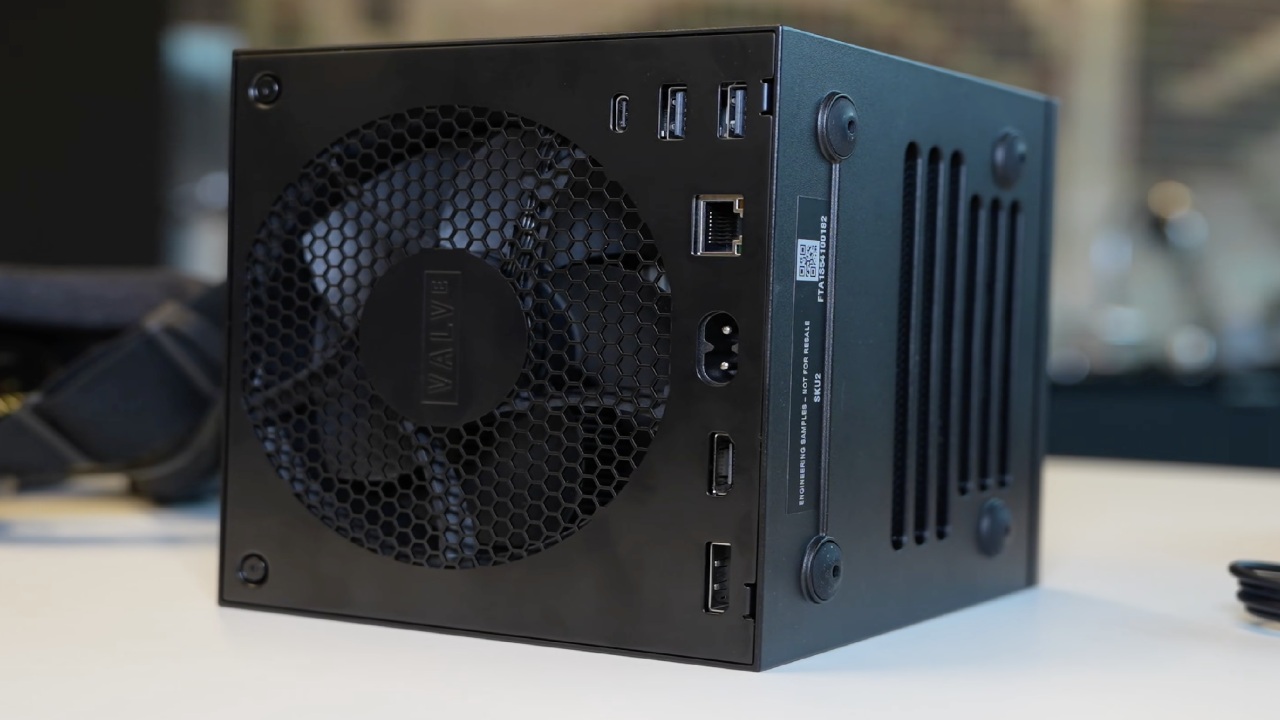
Why ARM Matters for Valve's Future
Pierre-Lou Grafé recently spoke with The Verge about why Valve decided to support ARM. ARM is a very efficient chip architecture that is used in many phones and some computers. It is noted for giving good performance while using little power. ARM is great for battery-powered devices since it works well with fewer GPUs. Valve recognized early on that supporting ARM would be essential for reaching a large segment of customers using low-power hardware.
He described how, in 2016–2017, Valve began developing the FEX compatibility layer, expecting that nearly a decade of engineering effort would be required to make it reliable. The goal was to ensure customers could experience the same library of games on any device, regardless of its architecture.
This would eliminate barriers and make Steam more accessible to everyone. It sounds like the idea behind easy-to-use devices, like the Wii. But in this case, the goal is to make the underlying stack easier to use instead of the interface. The aim is to allow you to buy and play games without needing to consider hardware specifics, which benefits both users and Valve's reach into the broader gaming market.
ARM Is Not the Future of All Gaming
Grafé made it clear that Valve doesn't think ARM will completely replace x86. ARM is more efficient, while x86 is still better for tasks that require a lot of power. ARM performs well in lowerlower-power ranges, including below Steam Deck levels, and can compete there.
Valve anticipates x86 will continue to dominate high-performance gaming. At the same time, ARM devices are increasingly important in portable or low-power applications.
Understanding Proton, FEX, and Multi-Architecture Compatibility
Proton translates Windows API calls into Linux equivalents, allowing Windows games to run on SteamOS. FEX goes a step further by translating Windows APIs into Linux APIs and x86 code for ARM devices. This dual translation incurs performance penalties, but Valve is working to minimize them—especially once execution reaches the API-call level, where performance loss tapers significantly.
All SteamOS devices, whether they run x86 or ARM, will come with both Proton and FEX. Each system will just download the right version of Proton. The ARM-targeted releases will also include the FEX emulator. Proton can run native ARM code, but FEX can only run code owned by the game itself, which makes the overall emulation load lighter.
.jpg)
Valve's Investment in FEX and the Push Toward Accessibility
Valve has funded FEX developers from the beginning, acknowledging that expecting studios to port games to ARM would repeat the mistakes made during Steam Machine era. Instead of asking developers to build ARM versions, Valve is removing the burden by creating the translation layer itself. This ensures users can access their libraries on ARM devices without needing developers to rewrite anything.
Steam Frame—Valve's upcoming ARM-powered headset—is the company's first ARM device. However, it doesn't signal an ARM-only future. ARM is merely a strong choice for low-power hardware. Valve's stance aligns with analysts who say ARM is part of the future, not the entirety of it.
Support for Running Android Games on SteamOS
Steam Frame can run Android games even though it doesn't run Android itself. This is thanks to an Android-targeted compatibility layer similar to Proton. It supplies only the necessary subset of Android libraries used in games. Since Android games already target ARM, no CPU emulation is needed. This creates yet another ecosystem SteamOS can potentially touch.
Speculation has grown about whether Valve will eventually release a SteamOS version for phones. While possible, Valve remains focused on handhelds, living room systems, and desktop environments, acknowledging that it already has massive workloads supporting them.
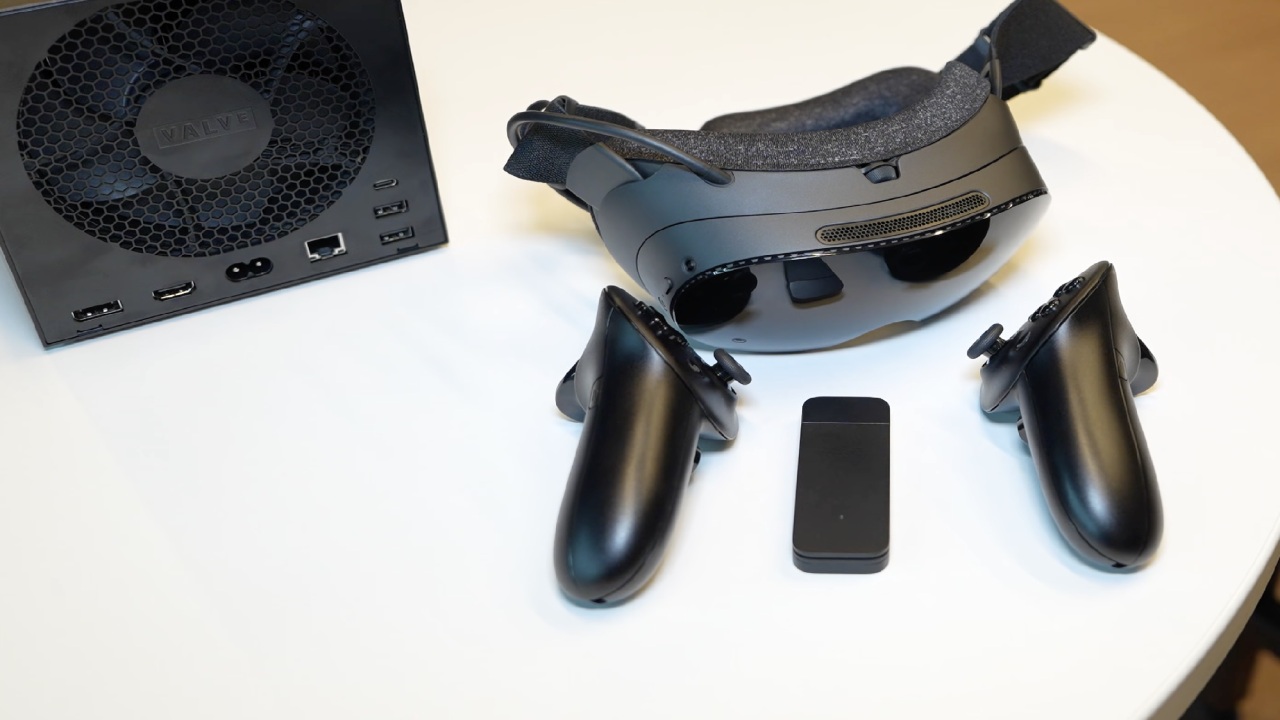
ARM's Role in Low-Power Gaming and Steam Library Compatibility
Valve stressed that the majority of games on Steam are not big AAA blockbusters that need strong GPUs. A lot of them are small and work well on low-power devices. If FEX works well enough, most of the games in the Steam catalog would be playable on ARM devices.
This is a long-term project, as shown by how much Steam Frame focuses on streaming, which addresses FEX's existing problems. High-power gameplay can be streamed from a larger machine while the headset handles lighter content natively.
Valve Leading by Example With Its Own Hardware
Past failures of Steam Machines taught Valve that it needed to provide a strong reference design before inviting partners. With the Steam Deck, Valve demonstrated what a good handheld experience should look like, leading other companies—like Lenovo—to adopt SteamOS for their own devices. Similar interest is already building around living-room-focused Steam Machine-style hardware.
Valve wants to finish its own Steam Machine and Steam Frame devices first, ensuring good hardware support before expanding its alliances. Future devices from other companies might use SteamOS or FEX to run on ARM. Valve benefits from putting Steam in more homes and pockets, giving customers more opportunities to buy games.
Also, check our other hardware articles:
- AMD Ryzen 9 9950X3D Review: Setting The Standard For 2025 Gaming CPU
- Amazon Luna 2025 Review: Is Prime Gaming's Cloud Service Your Go-To For Casual Fun?
- AMD RX 9070 XT Review: AMD's RDNA 4 Champion for 1440p Gaming
- GeForce Now Ultimate: Ditching Your Gaming PC For Cloud RTX 4080 Power?
- NVIDIA GeForce RTX 5080 Review (2025): Still A 4K Gaming Powerhouse?
- Intel Core Ultra 9 285K Review And Performance Breakdown (2025)
- AMD Ryzen 7 9800X3D Review: 3D V-Cache Goes God Mode with Stunning Gaming Performance
- Intel Core Ultra 9 285K vs AMD Ryzen 7 9800X3D: In-Depth Gaming Performance and Benchmark Comparison
- NVIDIA GeForce RTX 5080 Super Performance In Cyberpunk 2077: Path Tracing & DLSS 4.0 Tested
- AMD Radeon RX 9070 XT In Cyberpunk 2077: Ray Tracing & FSR 4.0 Tested
- Intel Arc B580 Review: The $250 GPU Revolutionizing 1440p Gaming
- Intel Arc B570 Vs. B580: Value, Specs, And Real-World Gaming Performance
- RTX 5090 Laptop Vs. M4 Max MacBook Pro: Ultimate Raw Performance Vs. Battery Endurance
- Intel Arc b580 Vs. RTX 4060: Game Performance And Value Analysis
- RTX5090 Hell Is Us Demo 4K Ultra Benchmark: DLSS Vs. Native Performance Guide
- NVIDIA RTX 5070 Review: Mid-Range Muscle or Marketing Hype?
- Nintendo Switch 2 Review: Handheld Performance, Features & Value Breakdown
Senior Editor, NoobFeed
Latest Articles
No Data.