
Valor Mortis Guide | How to Master Combat
Here's a guide on how to master combat in Valor Mortis.
Game Guide by Navid Kabbo on Oct 13, 2026
Mastering combat in Valor Mortis requires precise timing, strategic positioning, and a solid understanding of the game's offensive and defensive mechanics. Developed by One More Level, this first-person Soulslike combines brutal melee encounters with firearms and supernatural abilities, creating a combat system that rewards patience and calculated aggression.
.jpg)
Unlike traditional action games, Valor Mortis punishes reckless attacks and poor resource management. Every encounter requires you to balance offensive pressure with defensive precision while exploiting enemy weaknesses and breaking their posture.
This guide covers everything you need to know about mastering combat in Valor Mortis, including parrying, dodging, weapon selection, Transmutations, and advanced strategies for defeating powerful enemies and bosses.
How Combat Works in Valor Mortis
Combat in Valor Mortis revolves around combining melee attacks, defensive techniques, and supernatural abilities. Each action serves a specific purpose, and knowing when to use it is essential for surviving difficult encounters.
Melee weapons allow you to perform light and heavy attacks, while firearms provide ranged options for targeting enemy weak points. Meanwhile, Transmutations grant access to supernatural attacks that can change the outcome of a battle.
However, attacking continuously is rarely effective. Most combat actions consume Endurance, meaning you must preserve enough resources to block, parry, or dodge incoming attacks.
Another important mechanic is attack commitment. Once you begin an attack animation, you cannot immediately cancel it to perform a parry. Therefore, choosing the correct moment to strike is essential.
Master Parrying and Defensive Timing
Parrying is one of the most important combat techniques in Valor Mortis. A successful parry allows you to deflect an incoming attack without taking damage while simultaneously damaging the enemy's posture.
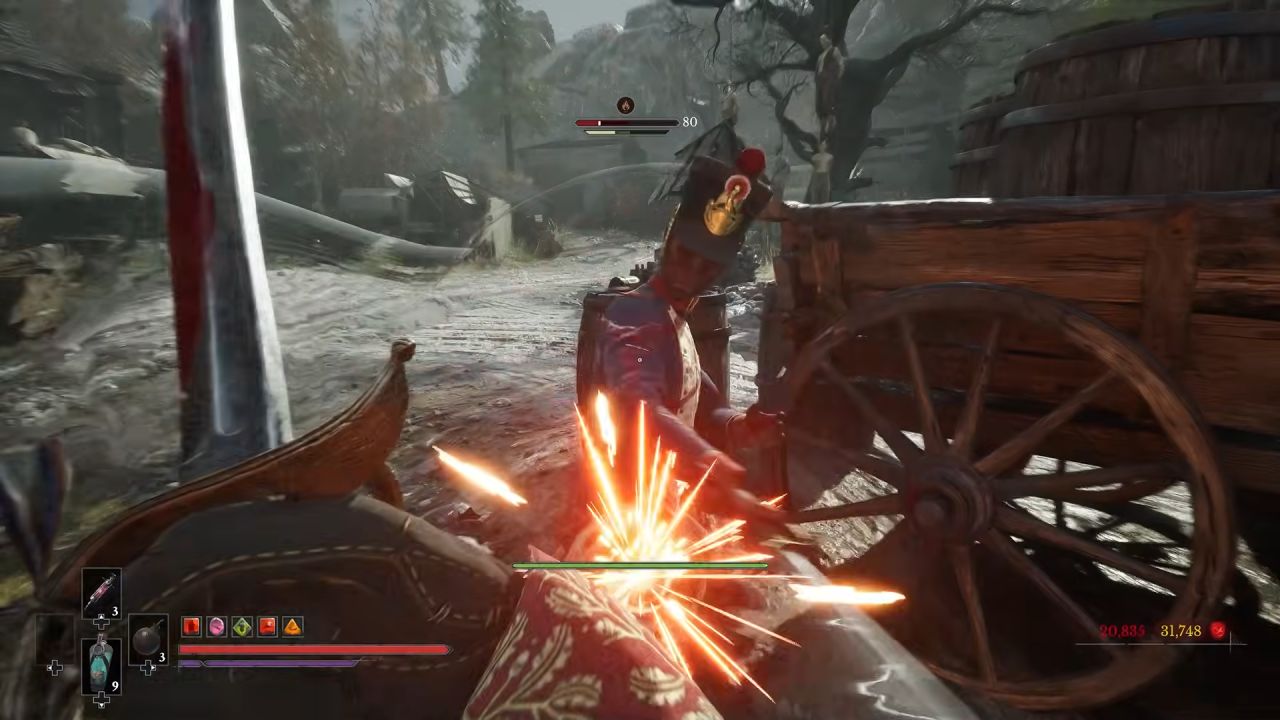
Unlike regular blocking, parrying requires precise timing. You must activate your defensive action just before an enemy's attack connects rather than holding your guard continuously.
To improve your parrying skills:
- Observe enemy attack animations before attempting a counterattack.
- Focus on the incoming strike rather than the initial wind-up.
- Practice parrying consecutive attacks to build posture damage.
- Avoid starting lengthy attack combinations when an enemy is preparing to strike.
- Use regular blocking when you are uncertain about an enemy's timing.
Blocking remains useful against unfamiliar attacks, although it can cause recoverable health damage. Quickly counterattacking allows you to regain some of that lost health before the opportunity disappears.
Break Enemy Posture for Critical Attacks
Breaking the enemy's posture is one of the most effective ways to deal significant damage during combat.
Every successful parry contributes to posture damage, while melee attacks can also help weaken enemy defenses. Once an enemy's posture is completely broken, they become staggered and vulnerable to a powerful critical attack.
Instead of focusing exclusively on reducing an opponent's health, try building posture damage through controlled offensive pressure and well-timed parries.
When the enemy becomes staggered, quickly move into position and perform the available critical attack before they recover.
This technique is particularly effective against powerful enemies and bosses with large health pools.
Use Perfect Dodges Against Unblockable Attacks
Although parrying is extremely effective, certain attacks cannot be blocked or parried. These attacks are typically indicated by a red visual effect, signaling that dodging is necessary.
Performing a Perfect Dodge requires avoiding the incoming strike at the correct moment. Successful timing can also provide an opportunity to retaliate with an empowered attack.
Avoid dodging unnecessarily, as repeated evasive actions consume Endurance and can leave you exposed.
During difficult encounters, pay attention to the enemy's movements and dodge only when necessary rather than constantly retreating.
Choose the Right Melee Weapon
Different melee weapons offer distinct advantages, making weapon selection an important part of mastering combat.
The Sabre provides a balanced combination of offensive and defensive options, making it a reliable choice for learning basic combat mechanics.
The Rapier focuses more heavily on precise parrying and faster attacks, rewarding players who are comfortable with defensive timing. However, its inability to perform conventional blocks makes mistakes more dangerous.
The Claymore offers a heavier fighting style with slower attacks, requiring careful positioning and greater commitment to each strike.
Experiment with different weapons and choose one that complements your preferred combat approach rather than relying exclusively on raw damage.
Use Firearms to Exploit Enemy Weak Points
Firearms provide an additional offensive option, allowing you to attack dangerous enemies without entering melee range.
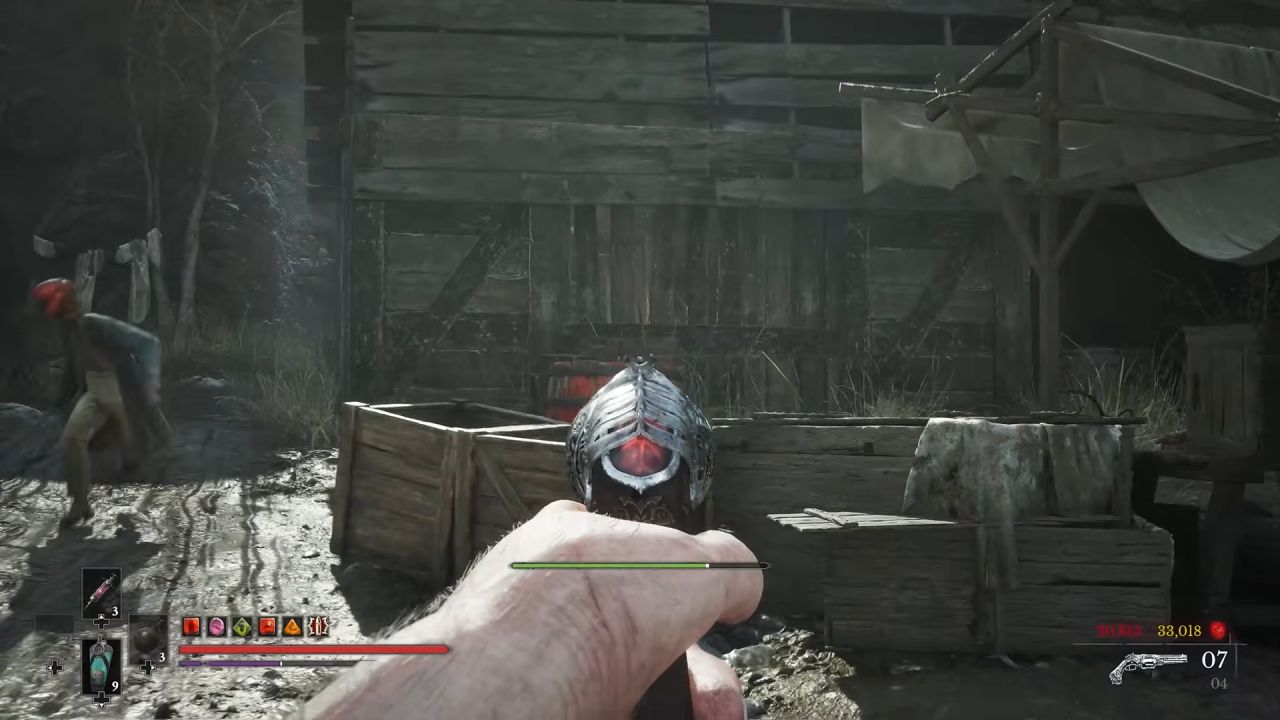
Many opponents feature vulnerable weak points that can be targeted for additional damage. Destroying these weak points can replenish Nephtoglobin and potentially provide ammunition, making precision shooting particularly valuable.
However, ammunition is limited, so firing randomly is inefficient.
Instead, save your shots for exposed weak points, dangerous enemies, and environmental hazards that can provide a tactical advantage.
Combining firearm attacks with melee pressure can make difficult encounters considerably more manageable.
Combine Transmutations With Melee Combat
Transmutations are supernatural abilities powered by Nephtoglobin, a separate resource that can be replenished through melee attacks and destroying enemy weak points.
These abilities provide additional options beyond traditional weapons, allowing you to deal elemental damage or temporarily control enemy movements.
For example, fire-based abilities can pressure enemies, while Stasis can temporarily restrict movement and create opportunities for follow-up attacks.
The most effective approach is to combine Transmutations with regular combat rather than treating them as separate abilities.
Use melee attacks to generate resources, activate a Transmutation when an opportunity appears, and follow up with additional strikes or firearm shots.
Manage Endurance and Avoid Overcommitting
Endurance management is essential for maintaining control during combat. Attacking, blocking, dodging, and sprinting consume Endurance, making reckless aggression particularly dangerous.
Running out of Endurance can prevent you from responding effectively to enemy attacks.
To maintain better control, avoid exhausting your entire Endurance bar during offensive combinations. Instead, perform a few calculated strikes and allow your resources to regenerate.
You should also avoid using heavy attacks when an enemy is preparing a lengthy combination, as slower animations can leave you vulnerable to counterattacks.
Best Combat Strategies for Boss Fights
Boss encounters test your understanding of every major combat mechanic. Powerful opponents often feature delayed attacks, extended combinations, unblockable strikes, and limited opportunities for retaliation.
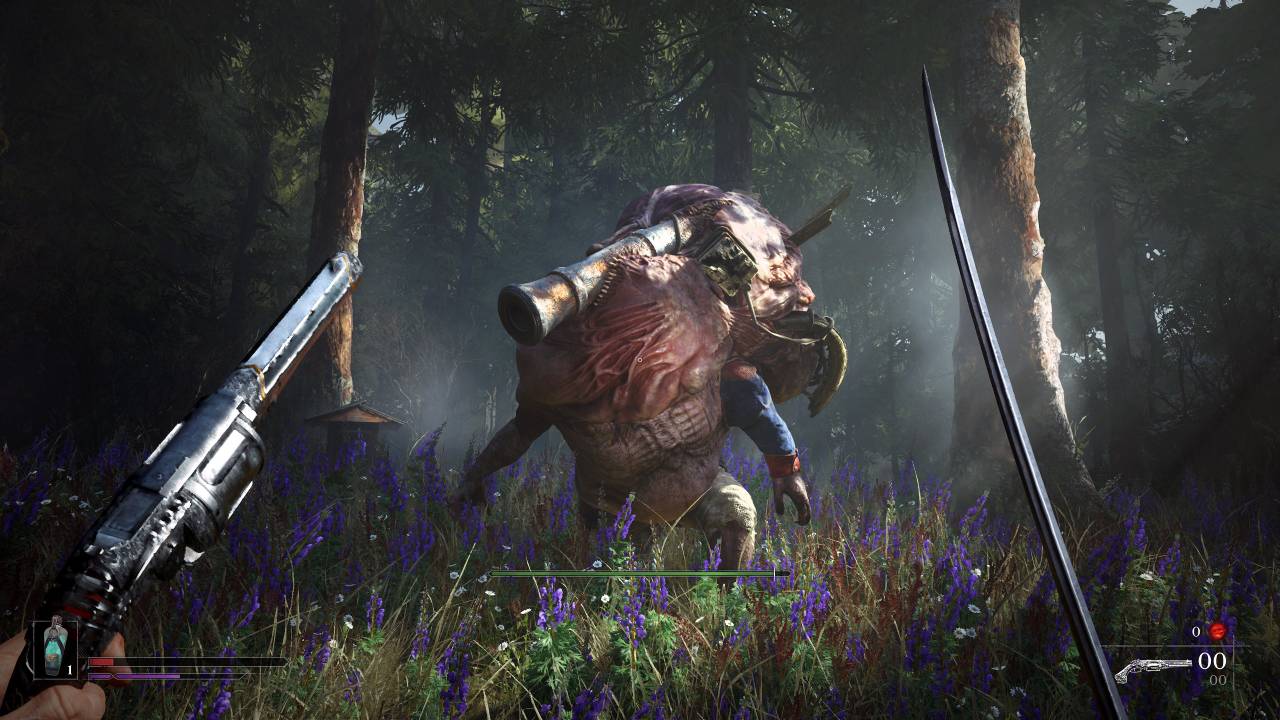
Rather than attempting to overwhelm a boss immediately, spend the opening moments observing its attack patterns.
The following strategies can improve your chances of success:
- Learn attack patterns: Recognize which strikes can be parried and which require dodging.
- Maintain defensive pressure: Use successful parries to build posture damage.
- Exploit weak points: Target vulnerable areas with firearms whenever opportunities appear.
- Avoid unnecessary attacks: Prioritize safe openings over lengthy offensive combinations.
- Manage your resources: Preserve Endurance and Nephtoglobin for important moments.
- Capitalize on stagger opportunities: Perform critical attacks whenever a boss's posture breaks.
Remember that patience is often more effective than aggression. Learning when to attack, defend, and retreat is the foundation of successful boss encounters.
Final Thoughts
Mastering combat in Valor Mortis requires understanding how its various mechanics work together. Parrying and dodging provide essential defensive options, while melee weapons, firearms, and Transmutations allow you to approach encounters with greater flexibility.
Focus on recognizing enemy attack patterns, managing Endurance, and exploiting posture breaks rather than relying on continuous attacks. Once you become comfortable switching between offensive and defensive techniques, even the game's most challenging encounters will become easier to handle.
FAQ
Q. What is the best way to master combat in Valor Mortis?
A. The best approach is to practice parrying, learn enemy attack patterns, manage Endurance, and combine melee weapons with firearms and Transmutations.
Q. What is the best weapon for combat in Valor Mortis?
A. The Sabre is a reliable all-round option, offering balanced offensive and defensive capabilities. However, the Rapier and Claymore support different playstyles.
Q. How do you deal more damage in Valor Mortis?
A. You can deal more damage by breaking enemy posture, performing critical attacks, targeting weak points with firearms, and combining melee strikes with Transmutations.
Q. Can you cancel attacks to parry in Valor Mortis?
A. No. You cannot cancel an ongoing attack animation into a parry, making careful attack timing and positioning essential.
Also, check our Valor Mortis Review and other guides below:
Editor, NoobFeed
Latest Articles
No Data.