
Where Winds Meet Preview
A sweeping martial arts epic that blends Wuxia tradition with modern action RPG sensibilities.
Preview by Adiba Manha on Jul 08, 2025
Where Winds Meet, known by its Chinese name Yun Yin, which translates to the "16 tones of Yin," is an ambitious title from Everstone Studios, a NetEase subsidiary. Where Winds Meet is one of NetEase's flagship projects in its recent shift into AAA experiences, which has been typically linked with mobile games.
This game demonstrates the ever-increasing commitment of NetEase towards creating the very best of PC and console experiences, an effort that has been growing since the success of Naraka: Bladepoint and will carry on through Ananta and Sword of Justice. The recent launch of Blood Message (sometimes billed as China's God of War) also highlights the publisher's increasing recognition in the global gaming market.
.jpg)
Because of NetEase's past, there was some early skepticism, but Where Winds Meet has dispelled these concerns and produced a game that respects Chinese customs while adhering to global design standards. Set in a real historical region of northern China, Yin, a location historically governed by various dynasties, the game grounds its narrative in cultural authenticity. Where Winds Meet is positioned as one of the finest Wuxia games in years, eclipsing past genre entries like Yunyang, Heroes Online, and Mosian.
Exploration reminiscent of Assassin's Creed; fighting system inspired by Sekiro; presentation, a dead giveaway for Ghost of Tsushima-this game goes on to distance itself from the plethora of Wuxia games devoid of character design and worldbuilding. Under the backdrop of Wuxia and historical fantasy, it would be very meaningful for every true Wuxia connoisseur, provided it is culturally accepted in the West.
Even for someone raised in a Chinese household without fluency in the language, Where Winds Meet proves incredibly captivating. The open world is vast and immersive, the stylized combat is elegant yet brutal, and the difficulty curve keeps you engaged from the outset.
While the narrative doesn't quite reach the philosophical depth of Black Myth: Wukong, it remains emotionally compelling, bolstered by stunning presentation and atmospheric music that enriches each moment. Boss encounters especially push the difficulty to Souls-like levels, and some foes can defeat you in a matter of seconds.
Fortunately, there's an easier mode available for those seeking a more cinematic, story-driven experience, complete with dodge prompts and toned-down enemy aggression. The time investment required for Where Winds Meet is substantial. Spending 50 hours in just the first region, Chingha, barely scratches the surface. From raiding bandit camps to assisting NPCs with their personal dilemmas, the game allows you to slowly develop your character by integrating martial arts skills in flexible and creative ways.
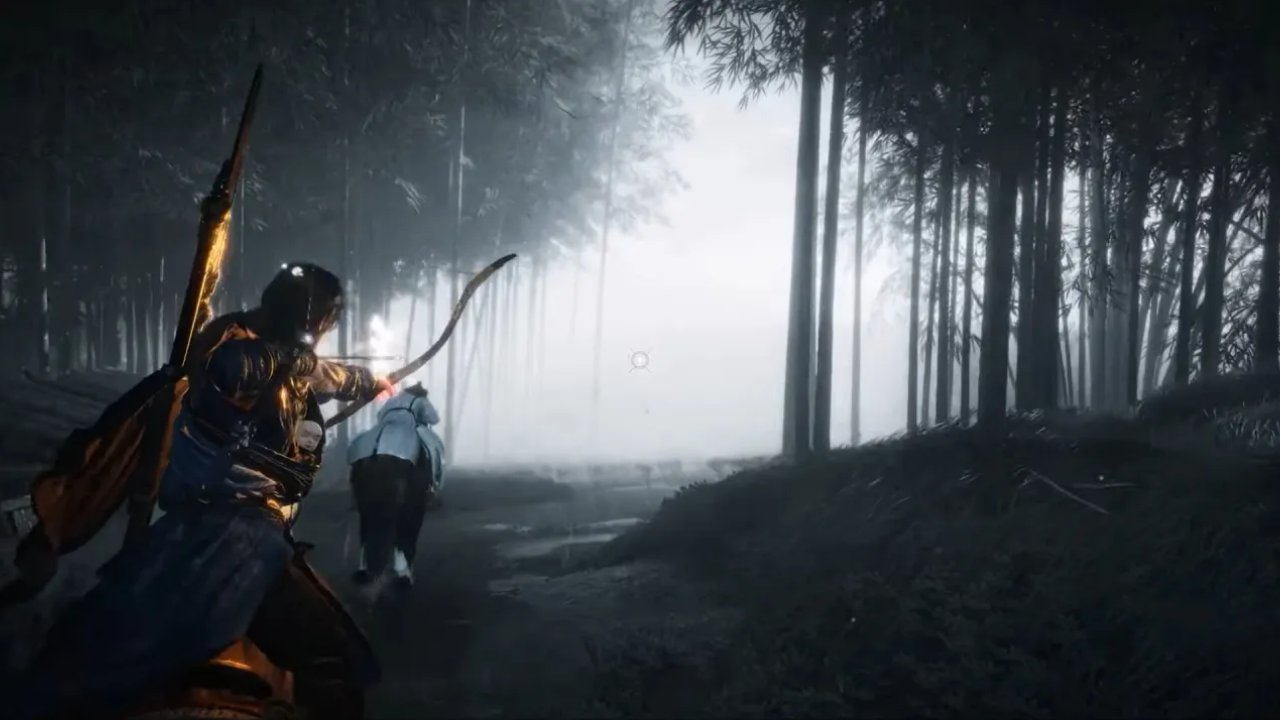
Another map, Kyifung, is expected to be introduced in the forthcoming worldwide beta, signaling a vast and content-drenched gaming universe. Dynamic boss fights, extensive exploration, and assassination contracts are all central facets enriching the gameplay loop with continuous novelty and satisfaction.
From a gameplay perspective, Where Winds Meet operates as a hybrid MMORPG with both single-player and cooperative options. The difficulty and organization of boss battles are both influenced by Souls. Inspired by the strategic group fighting and real-time rotations of Final Fantasy XIV, raids have a very different feel.
You can participate in raid-style battles that require careful coordination, yet still enjoy the freedom of a solo martial arts journey. The Chinese version features an eye-catching desert biome, hinting at the level of environmental variety to expect. Even after hours of play, many have only progressed through the first story chapter, a testament to the depth and breadth of the world.
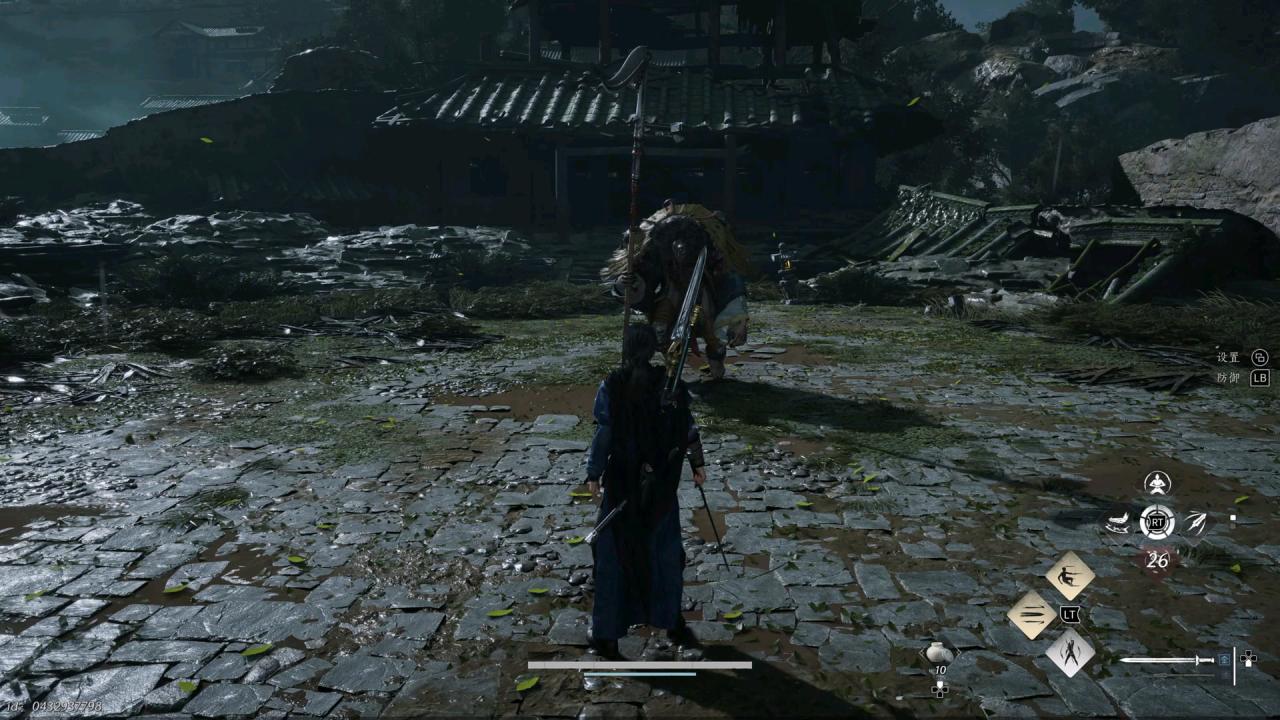
Where Winds Meet's combat is where the game really excels; it combines contemporary action-RPG responsiveness with classic Wuxia swordplay. Every martial arts technique you learn drastically changes your style of play; some stress airborne combinations or elemental damage, while others concentrate on quick counterattacks.
You can customize your battle persona through weapon variety and skill trees, creating confrontations that are very unique. Bosses are not only challenging but often dramatic, necessitating patience, strategy, and frequently several tries.
It's amazing how these fights are balanced to be both just and harsh without ever coming across as cheap. Additionally, the addition of a story mode guarantees that less experienced players won't find combat to be a barrier.
Instead of being distinct challenge chambers, the puzzles are frequently incorporated into quests or environmental exploration, and they are rather light in comparison to the combat. Although they are not very challenging, they are a mild diversion that enhances the world without slowing down the pace.
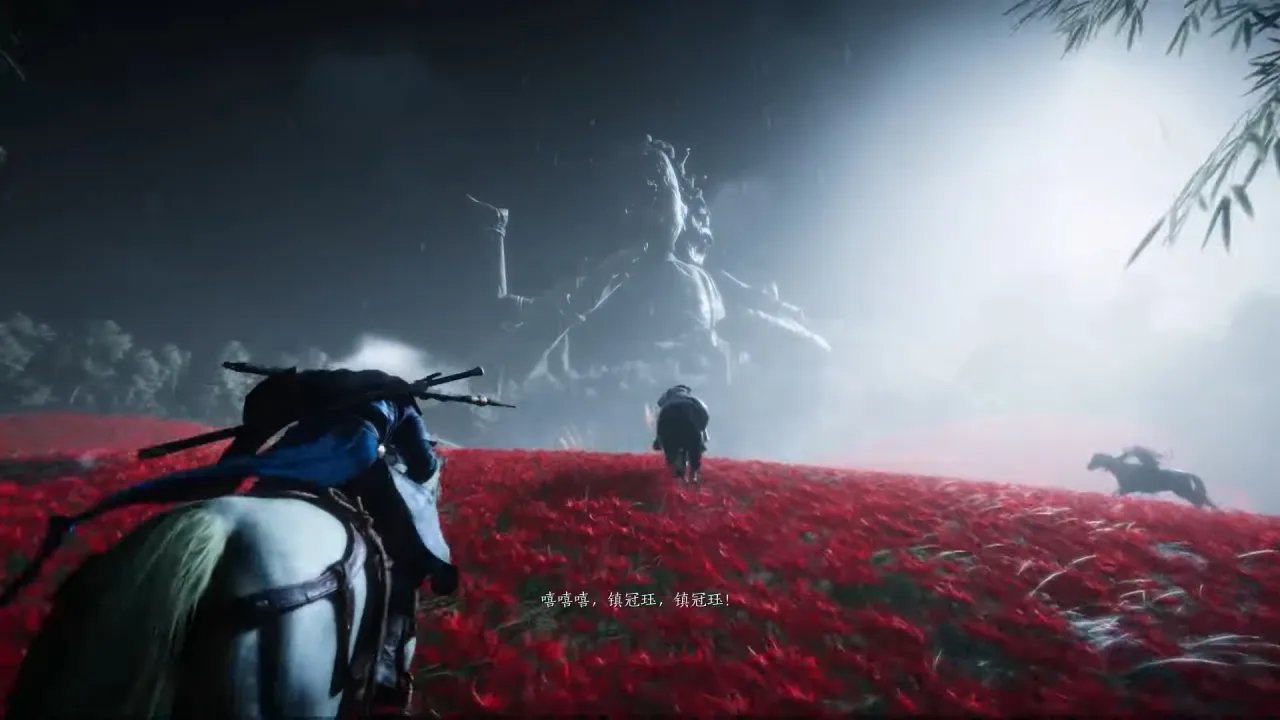
The puzzles have enough variety to keep your interest without getting to the point of frustration, whether you're following hints in a murder case or exploring ancient ruins. Although they aren't the main emphasis of the game, they provide just enough intricacy to allow you to mentally relax in between intense battles.
Gaining experience points and developing as a martial artist are closely related to progression. You can unlock and improve new styles with each mission, encounter, and discovery. In order to maintain a consistent impression of progress, XP also controls your strength in raids and PvP conflicts.
Because the world is interactive, grinding never feels like a chore. Exploration is always rewarded, whether it's a secret encounter with a master that increases your skill tree or a hidden scroll that teaches a new technique. By offering a variety of progression sources, this method steers clear of the problems associated with repetitive MMO systems.
Visually, Where Winds Meet is stunning. Built with the PC as its primary platform, the game makes excellent use of modern rendering techniques to bring ancient China to life. Every environment, from misty mountains to bamboo forests and sun-scorched deserts, feels alive, with rich detail and excellent draw distance.
Character animations are smooth, especially during battle, when the subtleties of Wuxia choreography are exquisitely rendered. The visual spectacle is further enhanced by the lighting and particle effects employed in martial arts techniques, which produce a thrilling rhythm of strength and movement.
The sound design has just as much of an impact. With equal ease, the game's soundtrack highlights both the silent exploring moments and the emotional story scenes. Dynamic battle music intensifies the tension of every clash, while traditional Chinese instruments give the score an authentic feel.
The ambient sounds of the world, such as rustling bamboo or flowing water, complete the realistic experience, and voice acting, even if not entirely understood without subtitles, conveys significant emotion and tone. The game has a strong sense of atmosphere, and it sounds as wonderful as it looks.
There are, of course, some concerns. The translation from Chinese to English is still a work in progress. Deep idioms and culturally nuanced expressions don't always carry over cleanly, and character names have been noted as difficult to pronounce for non-Chinese speakers.
The commitment to maintain traditional language style and native naming lends it an aura of authenticity that localized titles generally fail to possess. It may or may not appeal to a particular individual, but for those who do appreciate the cultural intricacies, it is the experience. Thus, the game places a balance between preserving culture at one end and universal accessibility at the other.
Even though there have been some console performance issues, the final beta test is indeed available on both PC and PS5. Having stated this, it is worth remembering that the first platform on which development took place was the PC version of the game, judging by the fluid interface, scalable settings, and thorough customization options.
A mobile version also exists, but it was created after the PC build to serve China's massive mobile gaming market, rather than as a compromised port. Even in beta testing, the game seems purposeful and carefully optimized on PC.
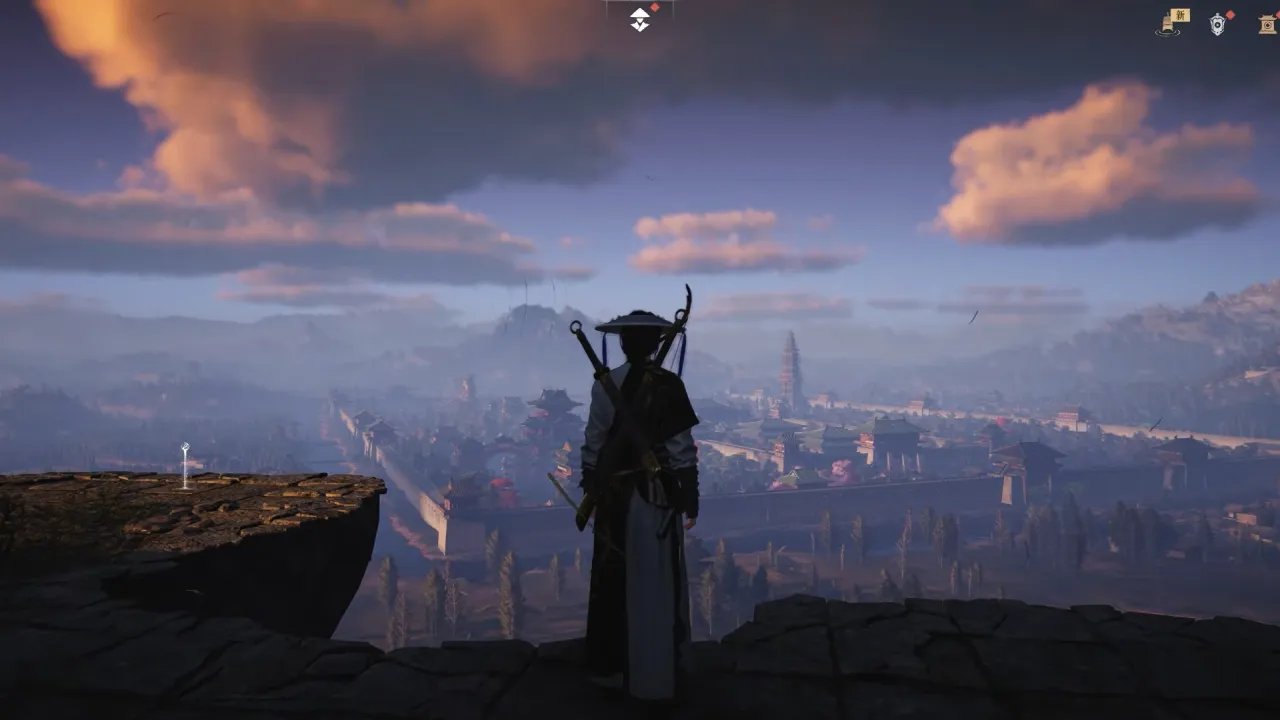
It looks like Where Winds Meet will be a seminal work in the Wuxia role-playing game genre. It's a must-play for fans of action role-playing games with a historical bent because of its expansive open world, incredibly enjoyable combat, exquisite graphics, and deep cultural roots.
Some people may find it tough to get started, but those who rise to the challenge will discover a game that is unlike any other available on the market. Where Winds Meet is definitely worth your time, regardless of whether you're a martial arts fan or just searching for your next immersive role-playing game.
Editor, NoobFeed
Latest Articles
No Data.