
Xbox Project Helix Hardware Details Hint at Major RDNA5 Ray Tracing Performance Leap
Microsoft’s Project Helix announcement at GDC signals a major shift toward unified Xbox and PC gaming ecosystems.
General by Shinji Okazaki on Mar 16, 2026
Microsoft's GDC presentation revealed new details about Project Helix, which is said to be the next-generation Xbox. The conversation rapidly shifted to how the news changed people's hopes and excitement for the hardware, its ecosystem, and the larger world of console and PC gaming.
When asked whether GDC made people more or less excited about Helix, Rudy said people were far more excited than before. At first, the excitement level was about five out of ten because not many people were attached to the Xbox brand.
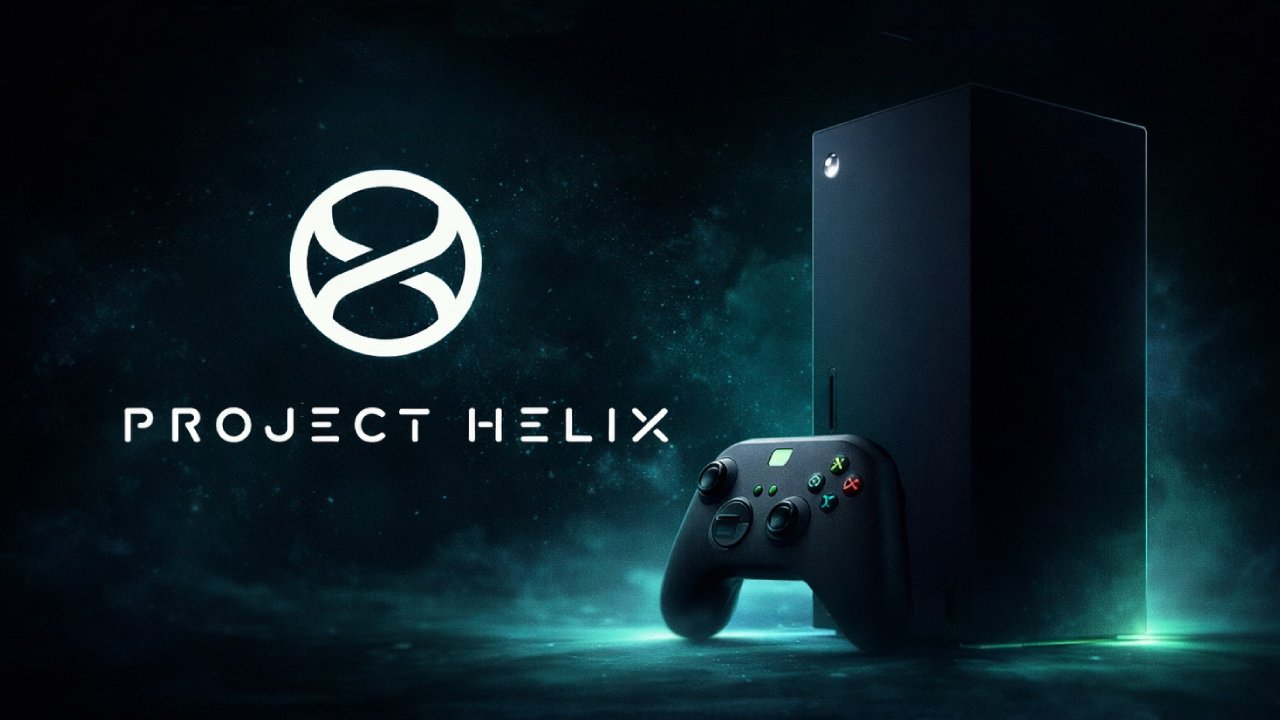
Excitement Grows After GDC
After hearing Microsoft's talk, the excitement level went up to roughly 8.5 out of 10. The main reason was the ability to play the same games on different devices. That idea is already out there on sites like Steam, where players can switch between systems without losing their data and games.
We know how attractive that smooth ecosystem may be. Being able to pick up a game on one device and keep playing it on another without stopping changes how you play.
But there is still no answer to the matter of physical collectors. A lot of people still have big libraries of games from platforms like the Xbox 360 and the original Xbox. It's still not apparent how those collections will fit into a new environment.
A lot of the excitement comes from what could happen. Some people may think of Helix as an Xbox console, while others will think of it as a PC that can play Xbox games.
A Focus on Emulation and Backward Compatibility
Before the GDC presentation, Carrie didn't care much about the topic either. Most of the rumors about Helix had already been discussed; thus, the announcement primarily confirmed what people expected would happen rather than offering new ideas.
One feature that got a lot of people excited was the ability to play older Xbox games on PC through approved emulation. For a long time, people thought that Xbox 360 emulation would finally come to PC in an official capacity, allowing older games to run without resorting to illegal methods.
That option affects the whole conversation. If proper emulation becomes available, you may play games like Daytona USA using real copies and an official emulator.
The notion also makes it easier to achieve backward compatibility. Microsoft now owns Activision, so older games will likely be patched to work on new systems. Updated compatibility mechanisms might support titles. Licensing problems persist, especially for music-based games, but ownership consolidation makes some issues more likely than before.
Technical Changes are Happening
In addition to Helix, the GDC announcements included several hardware enhancements. Microsoft discussed enhancements to the Game Development Kit, improvements to ray tracing with DirectX Raytracing version 1.2, and changes to the core GPU, including reorganizing the shader engine.
These adjustments point to significant improvements in ray tracing performance. The conversation said that the performance advantages between AMD's RDNA 2 and RDNA 5 might be more than 10 times better at ray tracing.
Shader Execution Reordering and other technologies were also brought up. Path tracing speed improved by about 2.3 times on high-end GPUs like the NVIDIA GeForce RTX 5090, according to demonstrations. These advancements show that future consoles based on RDNA5 could do ray tracing and route tracing tasks much more quickly.
Ray Tracing will be a Big Part of Future Games
Ray tracing used to get a lot of different reactions in gaming debates. Many thought it was unnecessary for gameplay and prioritized traditional rendering methods. But new game demos have changed people's minds. A Crimson Desert display showcased graphics that used ray tracing and ran very well.
It's harder to ignore ray tracing when you see it work well in a real game. If Helix really does improve ray tracing, it could align with the industry trend toward mandated ray tracing pipelines. In that case, Helix would be the basic platform that developers use to make games for the future generation.
Hardware Value as the Most Important Selling Point
Another point of view was less about software and more about the value of hardware. If Helix comes out with great specs at a good price, the hardware alone could make it so popular.
We typically look at the performance and price of consoles to see how they compare. If a system with powerful hardware costs about $1,000 and performs like a $2,500 PC configuration, the value argument is evident. In that situation, the console's hardware, not its exclusive software, is what sells it.
Mixed Emotions About the Helix Idea
Russ said that the news made people both more and less excited at the same time. Helix looks good on the hardware side. The system could run Xbox and PC games well and be very compatible with a wide range of games. But as Helix gets closer to PC performance, people who already have powerful PCs won't need the console as much. Some gamers might wonder why they need a separate console if Helix can play both PC and Xbox games as effectively.
That makes me think about the future of regular consoles on a larger scale. If the system mostly works like a fixed PC platform, the line between console and PC gaming may start to fade.
The Benefit of Having Fixed Hardware
Helix may still have one advantage: fixed hardware optimization. When developers make games for PCs, they have to ensure they work across a wide range of hardware configurations. Consoles don't have that problem because all of their units have the same hardware.
If developers make games expressly for Helix hardware, such versions run better than regular PC builds. Smart Delivery systems may automatically provide Helix-specific versions when compatible hardware is found.
For instance, a future game like Grand Theft Auto VI might have a Helix version that works better with its architecture. In that case, the console versions would perform better while still working with the PC versions.
Improvements to RDNA5 Architecture and GPU
Another technical aspect discussed was how to improve RDNA5's computational architecture. Older GPU architectures added two processing units, which doubled theoretical performance. But some workloads could only do one thing at a time, which made the advantages in real life less useful. RDNA5 is said to fix this problem by improving the performance of those units. That adjustment makes the theoretical teraflop performance more in line with what you would see in the real world.
The discussion focused on comparisons like the PlayStation 5 Pro disputes, where teraflop figures made it hard to gauge the GPU's true power. With RDNA5 advancements, Helix optimization could become more useful, as developers would be working with a hardware setup they know will work.
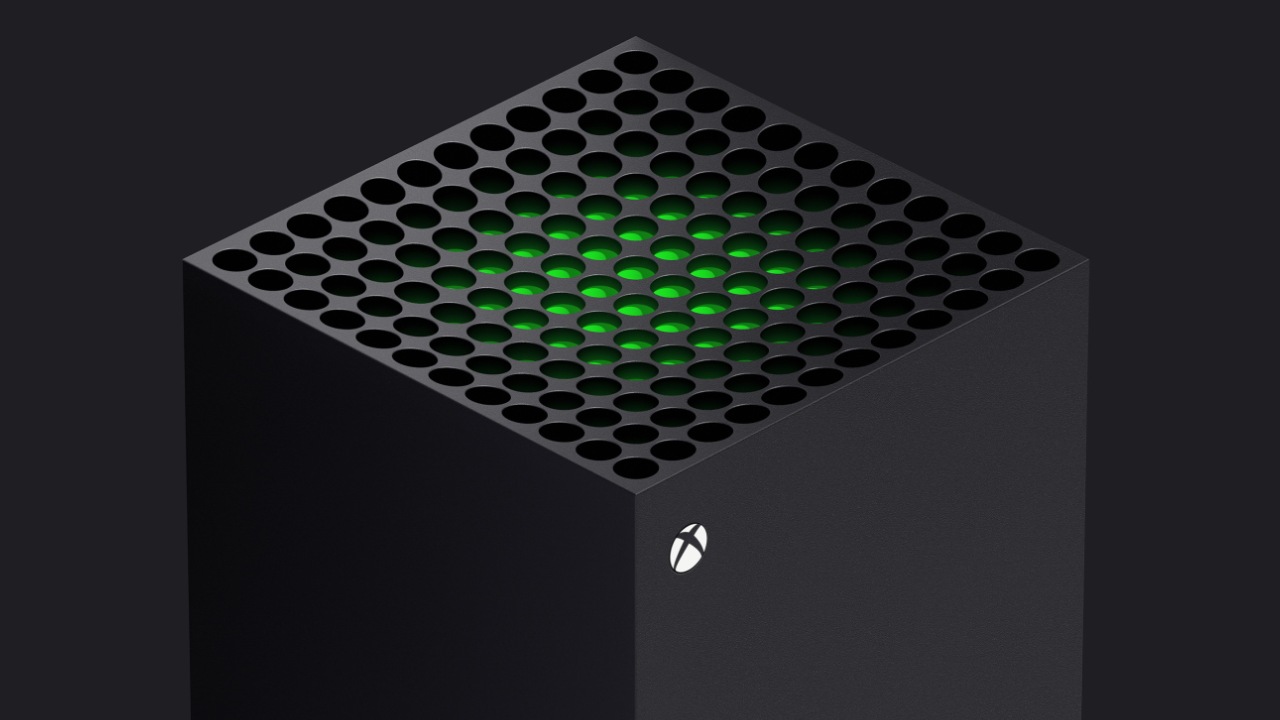
Success Depends on How It Affects the Market
Even with such benefits, the success of large-scale optimization hinges on one thing: market uptake. If Helix sells tens of millions of copies, developers will start making optimized builds for it alone. That would give the platform an obvious edge.
But if adoption is low, developers might make ordinary PC versions instead of making special Helix variants. When trying to figure out how the platform will affect things in the long run, such ambiguity makes people hesitate.
Final Thoughts
The overall conclusion from the conversation shows that people have different points of view. The hardware idea behind Helix is exciting because of how well it could work and how well it could work for the budget.
At the same time, many questions remain about software compatibility, optimization methodologies, and ecosystem design. Until Microsoft thoroughly explains how Helix will work on consoles and PCs, people will likely be excited about the hardware but unsure about the platform.
Also, check our other hardware articles:
- AMD Ryzen 9 9950X3D Review: Setting The Standard For 2025 Gaming CPU
- Amazon Luna 2025 Review: Is Prime Gaming's Cloud Service Your Go-To For Casual Fun?
- AMD RX 9070 XT Review: AMD's RDNA 4 Champion for 1440p Gaming
- GeForce Now Ultimate: Ditching Your Gaming PC For Cloud RTX 4080 Power?
- NVIDIA GeForce RTX 5080 Review (2025): Still A 4K Gaming Powerhouse?
- Intel Core Ultra 9 285K Review And Performance Breakdown (2025)
- AMD Ryzen 7 9800X3D Review: 3D V-Cache Goes God Mode with Stunning Gaming Performance
- Intel Core Ultra 9 285K vs AMD Ryzen 7 9800X3D: In-Depth Gaming Performance and Benchmark Comparison
- NVIDIA GeForce RTX 5080 Super Performance In Cyberpunk 2077: Path Tracing & DLSS 4.0 Tested
- AMD Radeon RX 9070 XT In Cyberpunk 2077: Ray Tracing & FSR 4.0 Tested
- Intel Arc B580 Review: The $250 GPU Revolutionizing 1440p Gaming
- Intel Arc B570 Vs. B580: Value, Specs, And Real-World Gaming Performance
- RTX 5090 Laptop Vs. M4 Max MacBook Pro: Ultimate Raw Performance Vs. Battery Endurance
- Intel Arc b580 Vs. RTX 4060: Game Performance And Value Analysis
- RTX5090 Hell Is Us Demo 4K Ultra Benchmark: DLSS Vs. Native Performance Guide
- NVIDIA RTX 5070 Review: Mid-Range Muscle or Marketing Hype?
- Nintendo Switch 2 Review: Handheld Performance, Features & Value Breakdown
- RTX 5070 Ti Review: Performance, Thermals & Power Efficiency Tested
- Samsung Odyssey OLED G81SF Review 2025: Ultimate 32-Inch QD-OLED Gaming Monitor
- AMD RX 9070 Performance Review: Thermals, Clocks, and Real-World FPS
- AMD Ryzen 5 7600 Review: Best Budget Gaming CPU of 2025?
- AMD Radeon RX 7800 XT Review: RDNA 3 Power For Midrange Gaming
- Asus ROG RTX 5090 Astral OC Vs. Founders Edition: The 4K Gaming Benchmark
Editor, NoobFeed
Latest Articles
No Data.