
Xbox Series S Gets a Potential Memory Boost Through SSD Optimization
Xbox Series S uses SSD storage as additional memory while Elite Series 3 leaks reveal new features and durability improvements.
XBOX by Nahe Yan on Oct 15, 2026
Xbox hardware is getting attention across several areas, including game optimization, controller development, and cloud gaming. The Coalition has reportedly found a way to use the Xbox Series S SSD as an additional memory tier in Gears of War: E-Day, while leaks have revealed details about the Elite Series 3 controller.
Microsoft has also announced a compact Nano controller and introduced an Xbox-themed collection through its IKEA collaboration. When a major game launches, the Xbox Series S often draws criticism for running it noticeably worse than the Series X or, in some cases, for holding back development. A major part of the problem is the Series S's memory constraints. Its 10GB of GDDR6 is not enough for many studios.
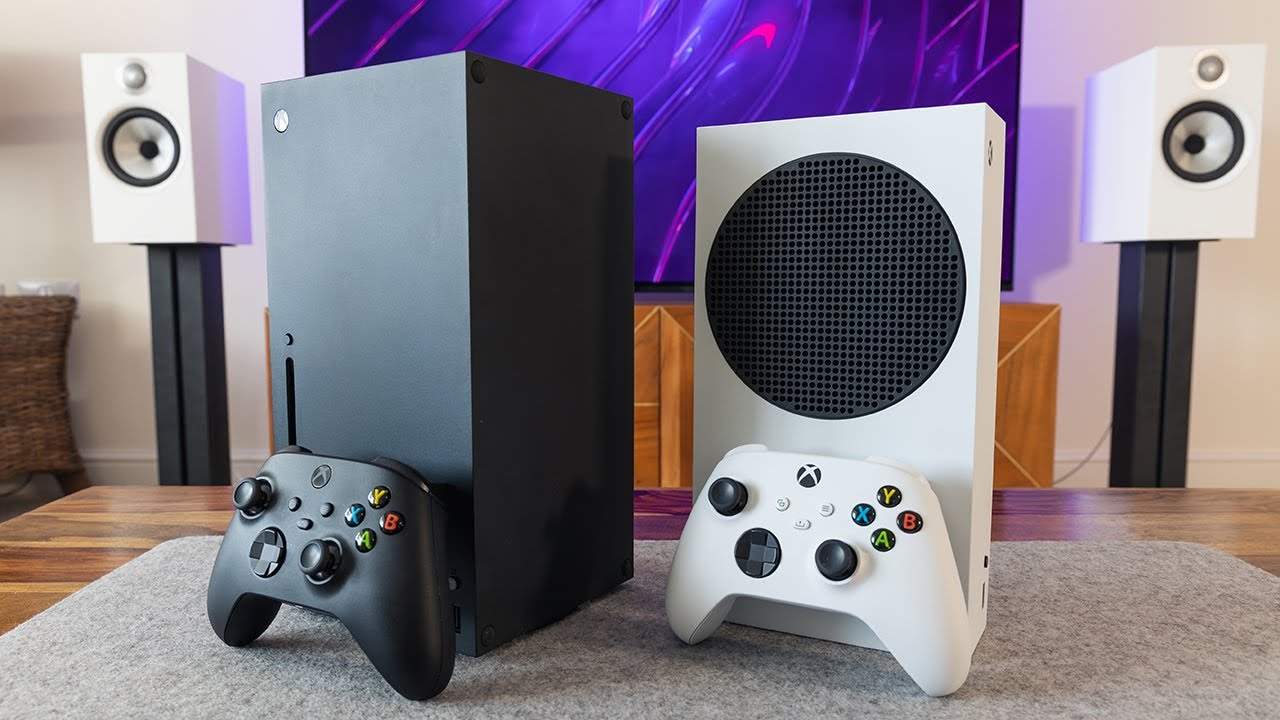
Xbox Series S Uses Its SSD as an Additional Memory Tier
However, Gears of War: E-Day, which features detailed visuals and graphics, reportedly runs well on the Series S. According to Digital Foundry, one reason is that The Coalition found a way to use the console's internal SSD as a new memory tier to supplement the existing RAM. The technique was developed in collaboration with Xbox's platform team and Advanced Technology Group.
Digital Foundry also suggests that it could serve as a blueprint for games developed for the Series S and other consoles with limited memory. The basic idea is that The Coalition uses the internal SSD to store detailed city data, letting the storage device act as an extra layer of memory. When the game needs that data for certain tasks, it can be moved from the SSD into system RAM.
This is not a one-size-fits-all solution. Developers must choose when to keep data actively available in memory and when to store it on the SSD. The technique requires careful management rather than moving everything to storage. According to Digital Foundry, the approach adds about 1GB of usable memory to the Series S, effectively increasing available memory from 10GB to 11GB for the game.
Digital Foundry's broader point is that modern consoles' fast storage can do more than stream assets quickly. It can also reduce pressure on system RAM. This technique isn't exclusive to the Series S, as it could benefit other consoles, including the more powerful Xbox Series X. If Xbox continues developing this approach, it could extend the usefulness of its current hardware.
Xbox Plans to Continue Supporting Series X and Series S
XBOX's commitment to its current consoles is another important part of this discussion. Asha Sharma recently stated that the Xbox Series X and Series S remain central to the company's business and strategy. That means the company will continue supporting these consoles well into the future, including when the tenth generation of consoles arrives.
Not everyone can afford to upgrade to Project Helix, and some players may prefer to keep their existing hardware. Continued optimization could let those players keep using their Series X or Series S while studios keep releasing games for the platforms. However, one deciding factor will be whether Xbox can package these optimization techniques in a way third-party developers can use. As a first-party studio,
The Coalition had direct access to Xbox platform engineers. That access to specialized knowledge and engineering support can help explain why first-party games often run well on the Series S. The challenge is making those techniques available to third-party studios.
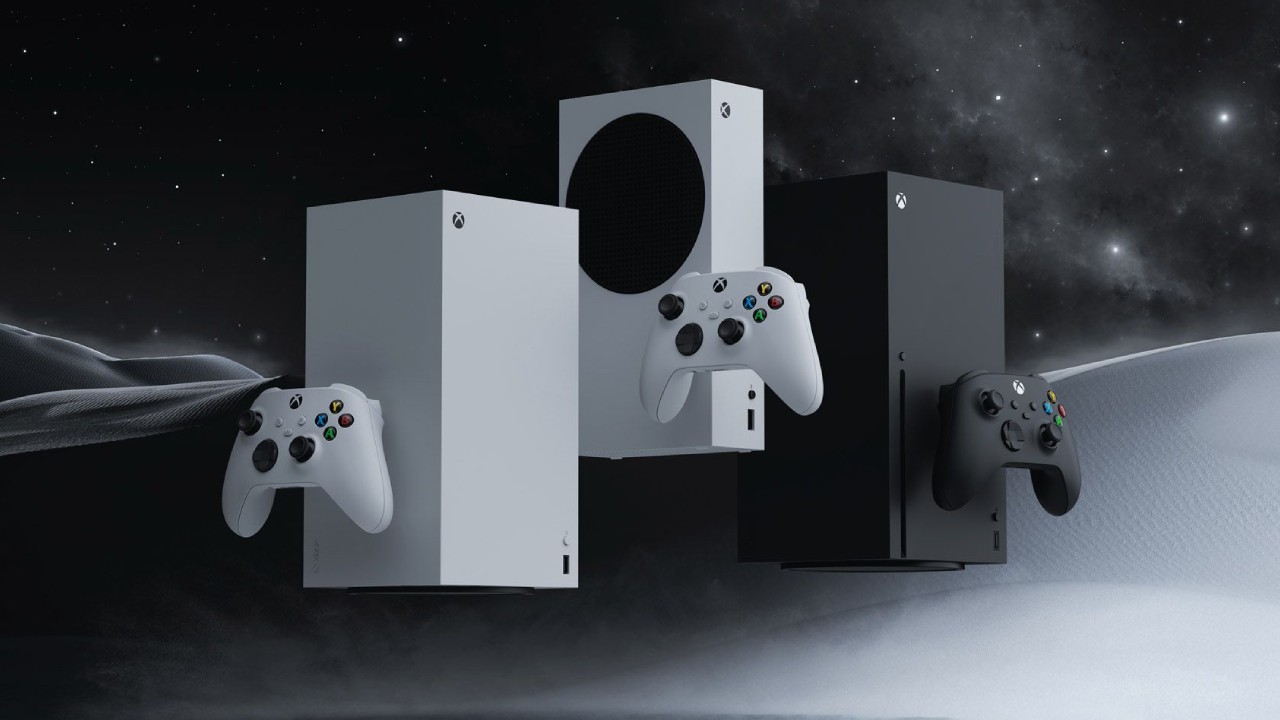
Xbox Elite Series 3 controller has returned to the news cycle following another leak.
At this point, it has become one of Xbox's worst-kept secrets. A Reddit post reportedly detailed several specifications and features of the upcoming controller. Although the post was taken down, Windows Central and other gaming outlets continued reporting on the information.
One of the main questions following earlier pictures of the Elite Series 3 was whether it would feature Hall effect or TMR thumbsticks. According to the latest leak, the answer is yes. As with the Elite Series 2, users will reportedly be able to tighten or loosen the thumbsticks. The new controller is also expected to include impulse trigger motors and advanced haptics using VCA motors, taking inspiration from features found in PlayStation controllers.
Other reported features include a dedicated audio scroll wheel and interchangeable faceplates. Before the post was removed, it also claimed that the Elite Series 3 would be available in four different configurations. Two models would include full haptic motors, while two would not.
Editor, NoobFeed
Latest Articles
No Data.