
ASUS GeForce GTX 750 Full Review and Performance Overview
A compact Maxwell-based GPU offering stable 1080p performance and practical efficiency for entry-level and budget-focused gaming systems.
Hardware by Naheyan Tahmin on Nov 26, 2025
The GeForce GTX 750 is often seen as the minimum GPU needed to build a gaming PC that can run games with decent graphics and consistent performance.
It is an easy way for anyone to start improving an old computer or building a new one.
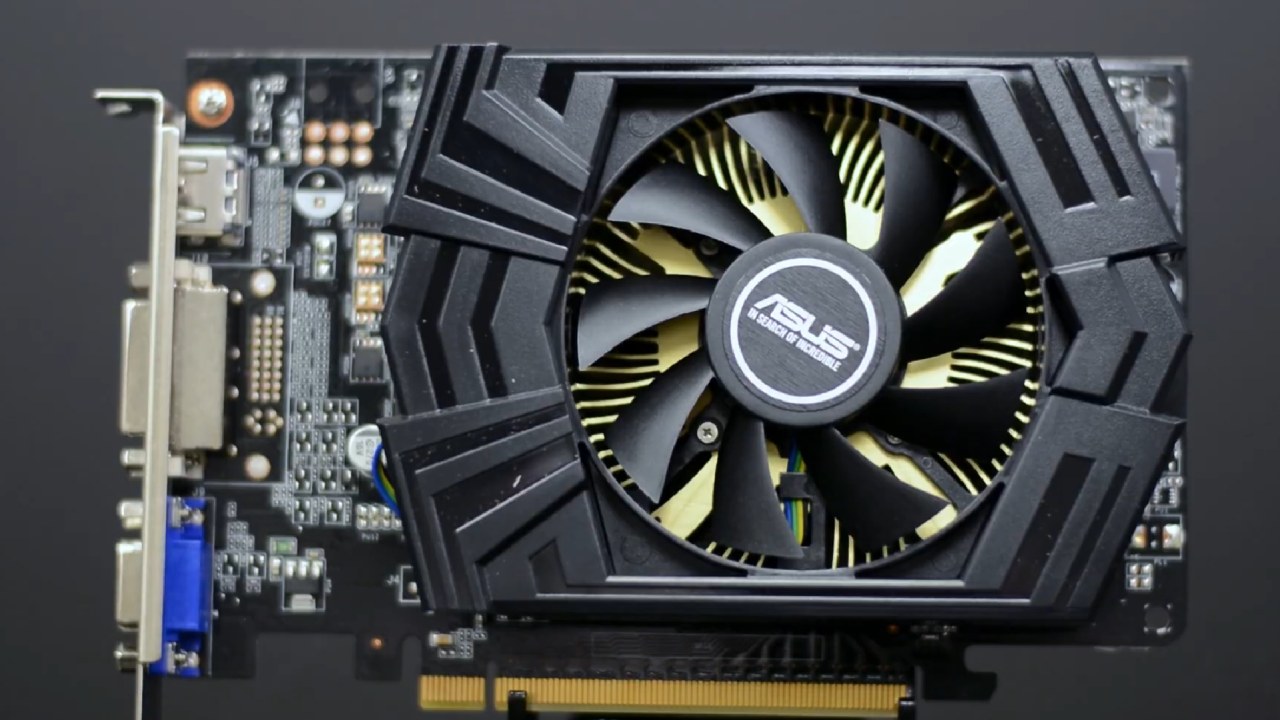
Unboxing and First Look
We get the GTX 750 in the usual ASUS box, which shows that it supports overclocking, has 1GB of GDDR5 memory, is dust-proof, and comes with GPU Tweak software. The package shows that the card supports HDMI, DVI, and CRT outputs, making it compatible with a wide range of screens.
The card comes in a sealed box with instructions and drivers. With the GPU Tweak tool, you may make simple changes to Windows 7. The card features a small design, a PCIe x16 interface, and materials typical of ASUS manufacturing. The finish on the plastic and the structure keep the edges from being weak or prone to the flaws common in cheaper models.
Notes on architecture and technology
We look at a GPU that is based on Nvidia's Maxwell architecture. The emphasis is not on precise specifications but on practical utility. The card employs CUDA technology, which lets supported software send rendering jobs straight to its 128 processor cores. The GTX 750 Ti, on the other hand, has 640 cores.
The TDP is about 55W. It can work with a 400W PSU; however, for gaming setups, we suggest choosing a 500W one for stability.
Setting up for performance testing
We put the GTX 750 into a computer with an AMD Phenom II Black Edition that has four unlocked cores running at about 3.2GHz, 4GB of RAM, and an ASUS M4N68T motherboard. The gaming display has a 1080p resolution.
The GPU works well for its class, and Battlefield 3 and 4 load quickly. Even when combined with older technology, this card can still handle 1080p graphics without any problems. The frame rates are still good enough for gameplay, and the system stays stable the whole time.

Behavior in the Real World
We illustrate how the GTX 750 performs in real games rather than in fake tests. The findings show what the customer may really expect from this GPU, without making any false claims. The action stays fluid at 1080p and on moderate settings, making it a good choice for people who want to upgrade their budget systems.
Final Thoughts
We think the ASUS GTX 750 is a good choice for people just starting to build or upgrade a PC gaming system. It maintains its reliable build, useful performance, and compatibility with both older and modern configurations. ASUS materials last a long time and don't have problems like parts wearing out or the structure bending, which can happen with other brands.
The card works well, is easy to install, and runs games at 1080p without any problems. The GTX 750 is a good place to start for anyone who wants to upgrade their computer for the first time or construct one on a budget.
Also, check our other hardware articles below:
- AMD Ryzen 9 9950X3D Review: Setting The Standard For 2025 Gaming CPU
- Amazon Luna 2025 Review: Is Prime Gaming's Cloud Service Your Go-To For Casual Fun?
- AMD RX 9070 XT Review: AMD's RDNA 4 Champion for 1440p Gaming
- GeForce Now Ultimate: Ditching Your Gaming PC For Cloud RTX 4080 Power?
- NVIDIA GeForce RTX 5080 Review (2025): Still A 4K Gaming Powerhouse?
- Intel Core Ultra 9 285K Review And Performance Breakdown (2025)
- AMD Ryzen 7 9800X3D Review: 3D V-Cache Goes God Mode with Stunning Gaming Performance
- Intel Core Ultra 9 285K vs AMD Ryzen 7 9800X3D: In-Depth Gaming Performance and Benchmark Comparison
- NVIDIA GeForce RTX 5080 Super Performance In Cyberpunk 2077: Path Tracing & DLSS 4.0 Tested
- RTX 5090 Performance Testing In GTA 5 – 1080p, 1440p, and 4K Max Settings Benchmark
- AMD Radeon RX 9070 XT In Cyberpunk 2077: Ray Tracing & FSR 4.0 Tested
- Intel Arc B580 Review: The $250 GPU Revolutionizing 1440p Gaming
- Intel Arc B570 Vs. B580: Value, Specs, And Real-World Gaming Performance
- Intel Arc B570 Review: Efficient Xe2 Performance At An Affordable Price
- RTX 5090 Laptop Vs. M4 Max MacBook Pro: Ultimate Raw Performance Vs. Battery Endurance
- Intel Arc b580 Vs. RTX 4060: Game Performance And Value Analysis
- RTX5090 Hell Is Us Demo 4K Ultra Benchmark: DLSS Vs. Native Performance Guide
- NVIDIA RTX 5070 Review: Mid-Range Muscle or Marketing Hype?
- Nintendo Switch 2 Review: Handheld Performance, Features & Value Breakdown
- RTX 5070 Ti Review: Performance, Thermals & Power Efficiency Tested
- Samsung Odyssey OLED G81SF Review 2025: Ultimate 32-Inch QD-OLED Gaming Monitor
- AMD RX 9070 Performance Review: Thermals, Clocks, and Real-World FPS
- AMD Ryzen 5 7600 Review: Best Budget Gaming CPU of 2025?
- AMD Radeon RX 7800 XT Review: RDNA 3 Power For Midrange Gaming
- Asus ROG RTX 5090 Astral OC Vs. Founders Edition: The 4K Gaming Benchmark
- ASUS ROG Astral RTX 5090 OC Edition Review: 32GB GDDR7 & 4K Gaming Benchmark
- Intel Core i5-13400F Gaming Performance: Still Worth It in 2025?
- ASUS GeForce RTX 5090 LC Liquid Cooled GPU Review: Unmatched Silence & Speed
- ASUS ROG Ally X Handheld Review: Double the Battery, Double the Comfort
- Lenovo Legion Go S Review: The Ultimate Steam Deck 2 Alternative
- Sapphire NITRO+ AMD Radeon RX 9070 XT Review: The Ultimate 4K Gaming GPU
- Alienware 16 Area 51 Review: The Ultimate 2025 Gaming Laptop
- Alienware Area-51 Review: Unmatched 4K, Thermal, and Acoustic Performance
- AMD Ryzen 7 7800X3D: Delivers Gaming Performance Far Beyond Expectations
- AMD Ryzen 9 7900X Review: Powering the AM5 Era with DDR5 & PCIe 5.0
- Intel Core i9‑14900K vs. AMD Ryzen 7 7800X3D: Power Profiles & Gaming Benchmarks
- Intel Core i9 14900K: Specs, Benchmarks, and Competitor Comparison
- ASRock Radeon RX 7800 XT Challenger OC Review: Best Price-to-Performance GPU of 2025
Editor, NoobFeed
Gaming Hardware Updates
No Data.