
GeForce RTX 5070 vs. Radeon RX 9070 XT Comparison – DLSS4 and FSR4 Performance at 1440p
Comparative performance of RTX 5070 and RX 9070 XT with DLSS4 and FSR4 upscaling at 1440p resolution
Hardware by Nahe Yan on Nov 25, 2025
There are two mid-range graphics cards available today at the same price: the Nvidia GeForce RTX 5070 and the AMD Radeon RX 9070 XT. The comparison focuses on these GPUs with multiple upscaling modes enabled to determine which model performs the best in realistic gaming configurations.
Many users will utilize DLSS4 on a GeForce GPU and FSR4 on a Radeon GPU, and the performance data includes both. The testing spans native and upscaled FPS performance across 23 games to illustrate what experience each GPU delivers.
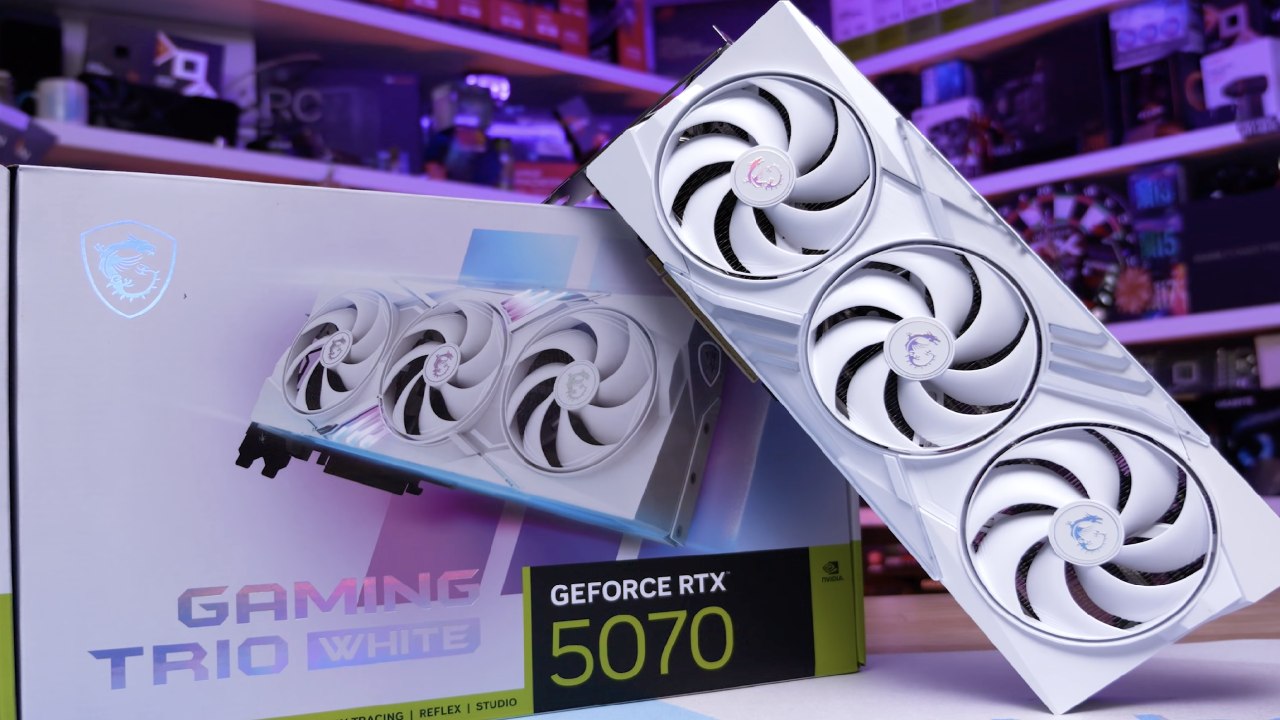
It also outlines whether DLSS4 or FSR4 provides a larger uplift and if that changes the performance difference between these graphics cards. The goal is to show the benefit of using balanced or performance mode upscaling instead of quality, now that modern upscaling technologies are usable at lower modes.
Test Setup and Methodology
We focused on delivering more data and different results than the day-one reviews, which largely centered on native performance across a range of resolutions. Testing upscaling and native performance together is time-consuming, so separating the data into a follow-up made sense.
As with any upscaling benchmark, you need to understand the visual differences between DLSS4 and FSR4, as they do not produce identical images, so performance comparisons are not apples-to-apples.
We tested 23 titles at 1440p supporting both DLSS4 and FSR4. Each game was tested in quality, balanced, and performance modes, as well as native TAA rendering. Using the respective driver utilities, we enabled the global override feature to upgrade games to the latest versions of DLSS4 and FSR4.
We used the MSI Vanguard SOC version of the RTX 5070 and the ASRock Steel Legend OC version of the RX 9070 XT, both set to factory clocks. The test system used a Ryzen7 9800X3D, 32GB DDR5-6000 CL30 memory, and the latest updates and drivers: 581.57 for Nvidia and 25.10.1 for AMD.
Horizon Zero Dawn Remastered
We found both models performing at over 100fps using native rendering. Upscaling provided modest gains, with a 16% increase from FSR4 quality on the RX 9070 XT and a 15% increase from DLSS 4 quality on the RTX 5070. The RX 9070 XT maintained a 13% lead natively and 14% with quality upscaling.
Ratchet and Clank Rift Apart
Using the very high preset with high ray tracing, both GPUs delivered similar native performance. RX 9070 XT scaled a little better, running 29% faster with FSR4 quality than with DLSS4 quality on the RTX 5070, for a 23% uplift. With quality upscaling, the Radeon model held a 5% lead.
The Last of Us Part One
RX 9070 XT was 16% faster in native rendering, dropping to a 12% lead with quality upscaling due to better scaling on the DLSS side. Achieving similar FPS on the RTX 5070 required at least Balanced or Performance mode.
Spider-Man 2
RX 9070 XT started 11% ahead, natively, with very high ray tracing and preset options. When quality upscaling was used, the performance margin disappeared, and both models produced similar average scores. 1% lows were worse on the Radeon GPU when upscaling.
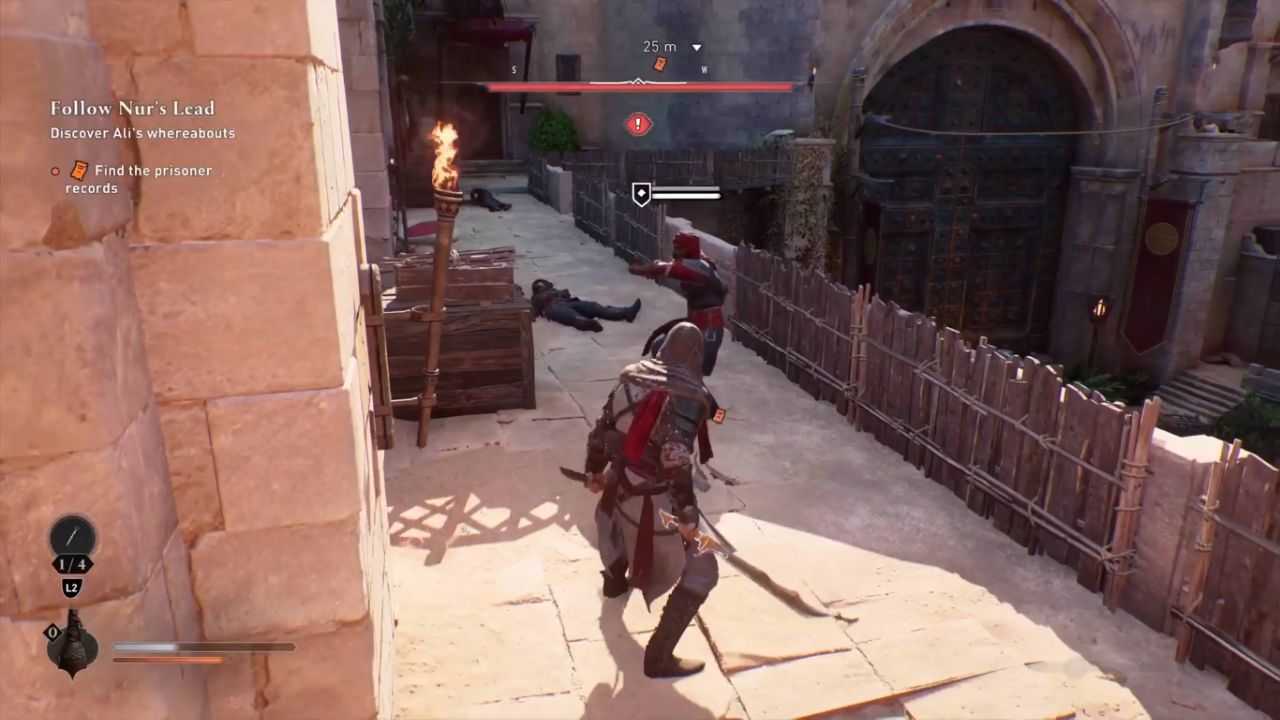
Assassin's Creed Shadows
RX 9070 XT remained 16% faster whether upscaling was used or not.RTX 5070 required at least quality upscaling for a 1440p playable experience. DLSS4 performance mode on the RTX 5070 could not match FSR 4 quality on the RX 9070 XT.
The Last of Us Part Two
This title strongly favored the RX 9070 XT, running 31% faster natively and 29% faster with quality upscaling. Even DLSS 4's performance mode couldn't match FSR 4's quality frame rates on Radeon.
Ghost of Tsushima
RX 9070 XT outperformed the RTX 5070 by 25% natively and 23% with quality upscaling. Both GPUs gained about 25% when using upscaling.
Stalker 2
Both GPUs performed similarly using native rendering at 1440p on the Epic preset. With quality upscaling, the RX 9070 XT pulled ahead by 7%, though 1% lows hit a ceiling.
Marvel Rivals
Natively, the RX 9070 XT was 10% faster. With quality upscaling, that lead grew to 16%, and with balanced upscaling, 19%. 5070 required DLSS4 performance mode to exceed 100 fps, while the RX 9070 XT achieved that with FSR4 quality.
Kingdom Come: Deliverance 2
Both GPUs exceeded 90fps natively. Upscaling improved performance by over 20%. RX 9070 XT held a 12% native lead, shrinking to 9% when using quality upscaling.
Star Wars Outlaws
Natively, the RX 9070 XT held a small 7% lead. With upscaling, the RX 9070 XT extended its lead to 30% because it received a 44% uplift from FSR4 quality, compared to 18% from DLSS4 quality on the RTX 5070.
Hunt Showdown
Recent driver updates improved AMD performance. RX 9070 XT was 18% faster natively and 17% faster with quality upscaling.
God of War Ragnarok
Upscaling scaled better on Radeon. RX 9070 XT was 17% faster natively and 23% faster with quality upscaling. FSR4 quality provided a 35% uplift, compared to 29% from DLSS4 quality.
Stellar Blade
This title favored Nvidia. RTX5070 was 6% faster natively and 2% faster with quality upscaling. 1% lows were better on the 5070, especially with upscaling enabled.
F1-25
RX 9070 XT improved its native lead from 9% to 15% with quality upscaling. RTX5070 users needed balanced upscaling to match RX 9070 XT performance in quality mode.
Cyberpunk 2077
Using the Ultra Ray Tracing preset, native performance was low at 35 fps on both GPUs. Quality upscaling pushed both above 60fps. RTX5070 offered better frame pacing, reflected in 16% higher 1% lows.
Hogwarts Legacy
Supporting FSR3.1 and thus FSR4, the RX 9070 XT was 7% faster with or without upscaling. The game's performance characteristics limited 1% lows.
Borderlands 4
RX 9070 XT ran 26% faster natively. With quality upscaling, the gap dropped to 20%. RX 9070 XT reached 60 fps with FSR 4 quality, while the RTX 5070 needed DLSS Balanced.
Mafia: The Old Country
RX 9070 XT led by 25% natively and by 30% with upscaling. RTX 5070 reached 60 fps with quality upscaling, while the RX 9070 XT averaged 80 fps.
Monster Hunter Wilds
RX 9070 XT ran 30% faster in the most intensive area. Upscaling offered modest gains: 15% on the 5070 and 19% on the 9070.
Dying Light: The Beast
Both GPUs performed similarly. RX 9070 XT led by 6% with performance upscaling, though it was slightly slower with other settings.
The Altars
RX 9070 XT scaled better, increasing its native 7% lead to 14% with quality upscaling.
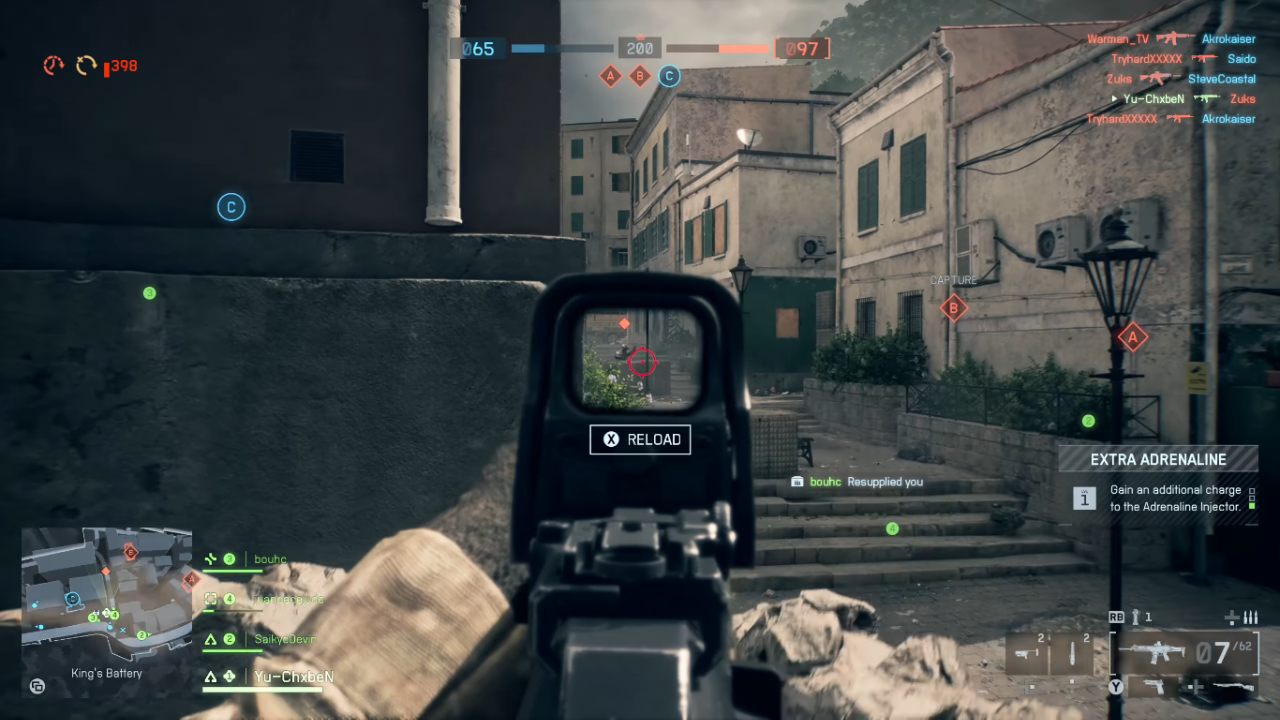
Battlefield 6
In heavy gameplay testing, the RX 9070 XT was 11% faster natively and 7% faster with quality upscaling. Both cards hit about 120 fps in balanced mode.
23-Game Average Results
Using a geometric mean, the RX 9070 XT was 13% faster than the RTX 5070 at 1440p native. This is higher than earlier reviews, reflecting improvements in the RDNA4 driver. The margin remained consistent across quality, balanced, and performance upscaling. 1% lows were about 11% faster on the RX 9070 XT.
You can expect similar margins between GPUs, whether you use native rendering or each card's upscaler. If you use quality upscaling on the RX 9070 XT, you would need balanced or performance DLSS4 on the RTX 5070 for similar frame rates.
Performance Spread Across Titles
In about half the games, the RX 9070 XT delivered around a 15% advantage. In one-third of cases, the margin was 7% or lower. Some titles, like Stellar Blade, favored Nvidia without ray tracing. Others like Mafia: The Old Country and The Last of Us Part Two gave the RX 9070 XT a lead of over 20%.
Purchase Considerations
At the time of evaluation, both GPUs are listed at a US MSRP of $550. RX 9070 XT provides an 11% better cost-per-frame. The GPU's strengths include a 13% performance advantage and 16GB of VRAM, compared to 12GB on the RTX 5070. Many modern games already use 10-11GB at 1440p with upscaling, bringing the 5070 close to its limit. Future titles will likely exceed 12GB more often, suggesting the RX 9070 XT will age better.
RTX 5070's strength lies in its feature set. DLSS4 is supported in more titles, and older games support DLSS2 or DLSS3. Radeon users must rely on earlier FSR versions in unsupported titles, which have lower quality. DLSS4 generally offers better image quality. RTX 5070 is also faster on heavy ray tracing and path tracing workloads, but it still often fails to reach 60 fps at 1440p and is limited by its 12GB of memory.
Final Thoughts
Neither model is really clear-cut. Although its price is still just passable, the RX 9070 XT has improved thanks to driver updates and now has a larger performance lead. Because of its 12GB of VRAM, the RTX 5070 still has limits. Clarity will be added by assessing the RX 9070 XT XT's place in the lineup at its current $650 US price.
Also, check our other NVIDIA articles below:
- GeForce RTX 5090 Unleashed: Is NVIDIA's New Flagship the Ultimate 4K Gaming GPU?
- NVIDIA GeForce RTX 5080 Review (2025): Still A 4K Gaming Powerhouse?
- RTX 5090 Performance Testing In GTA 5 – 1080p, 1440p, and 4K Max Settings Benchmark
- RTX 5090 Laptop Vs. M4 Max MacBook Pro: Ultimate Raw Performance Vs. Battery Endurance
- NVIDIA RTX 5070 Review: Mid-Range Muscle or Marketing Hype?
- RTX 5070 Ti Review: Performance, Thermals & Power Efficiency Tested
- Asus ROG RTX 5090 Astral OC Vs. Founders Edition: The 4K Gaming Benchmark
- ASUS ROG Astral RTX 5090 OC Edition Review: 32GB GDDR7 & 4K Gaming Benchmark
- ASUS GeForce RTX 5090 LC Liquid Cooled GPU Review: Unmatched Silence & Speed
- MSI GeForce RTX 5090 32GB SUPRIM SOC Review: Power Efficiency, Cooling, and Gaming Performance
- INNO3D RTX 5060 Ti 16 GB X2 Review: Gaming Benchmarks, Temps, and Power Efficiency
- HP Omen 45L Review: RTX 5090 Performance, Thermals, and Value Analysis
- ASUS TUF Gaming GeForce RTX 5060 Ti Review: DLSS 4, Power Efficiency, and Gaming
- ASUS Prime RTX 5060 Ti OC 16GB Review: DLSS 4, Ray Tracing, & Thermals Tested
- NVIDIA GeForce RTX 5060 Review: Specs, Gaming, and Cost per Frame
- MSI GeForce RTX 5090 GAMING TRIO OC Review: A Monster Power GPU
Editor, NoobFeed
Gaming Hardware Updates
No Data.