
HBM Demand and the Collapse of Consumer RAM Availability
Growing global demand for advanced memory technologies is driving unprecedented pressure on DRAM, NAND, and HBM production capacities.
Hardware by Tanvir Kabbo on Dec 22, 2025
Tech world is going through a time of great uncertainty since there are shortages in almost every major type of computer memory. DRAM and NAND, which used to be cheap and easy to find, are now high-priced and hard to find.
This has caused prices to rise across the board, led to hardware shortages, and shifted global production priorities. Experts in the field say that we might be approaching one of the worst memory shortages in decades.
.jpg)
Understanding DRAM, NAND, and the Foundation of the Crisis
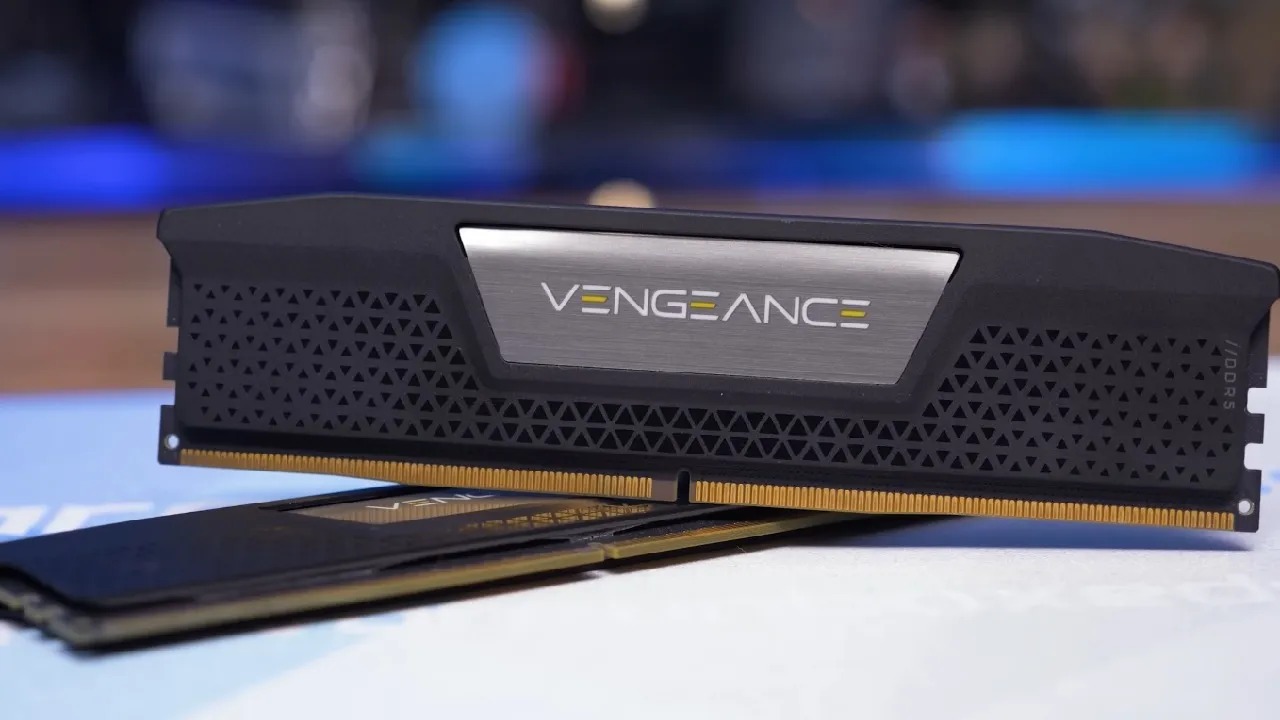
We need to start with the basics to really understand what's going on. Most devices have two main types of memory: DRAM and NAND. NAND is most commonly found in storage devices such as flash drives and SSDs. DRAM, on the other hand, is used in RAM modules, some SSD models, graphics cards, and even inside processors.
The shortages and price hikes we are experiencing are directly tied to these two chips. And the reason for this sudden shortage involving components that have been common for years is simple: artificial intelligence.
AIs like ChatGPT and Gemini are built on LLMs, or large language models. These require vast amounts of data to be processed. Given the high interest in these technologies, massive data centers are being built around the world to meet demand and advance development.
To process this data, the devices in these data centers need specific components. As you might guess, the most critical of these parts are DRAM memory and NAND storage chips.
Why AI Demand Is Overwhelming Memory Production
Imagine you're an investor. The AI boom looks promising, the future seems to be moving toward artificial intelligence, and it definitely doesn't look like something that will vanish like certain short-lived tech trends. The revenue potential is huge. So you jump in, set up a data center with a $ 100 million investment, and start training an AI model.
Now imagine hundreds of other investors doing the exact same thing.
The problem lies in the specialized memory used in these new data centers: HBM (high-bandwidth memory). HBMs are very different from the DDR or LPDDR modules we use in PCs. They are much faster—and far more expensive.
Since demand for AI infrastructure is exploding, manufacturers are prioritizing HBM production. For memory companies, high demand for HBM guarantees quick, certain cash. Companies like SKHynix, Samsung, and Micron have moved a lot of their business to HBM.
Then there was a huge project called Stargate. At the start of 2025, big tech and investment corporations, including US companies, made a huge deal worth $500 billion. The goal is to rapidly develop models like ChatGPT and Sora to stay ahead of competitors. This requires enormous processing power—and therefore enormous quantities of HBM, Nvidia GPUs, and NAND storage.
Orders for HBM and NAND started coming in months before the project ever started. As manufacturers moved completely to AI-focused production, they cut back significantly on consumer DDR production or stopped it altogether. The result: a global shortage of RAM.
Not many producers. Not enough stock. A lot of demand. A recipe that will make prices go through the roof.
Immediate Consequences for End Users
1. Device and RAM Prices Are Rising
RAM prices are already out of control. Prices for all kinds of devices that use DRAM are going up. Reports say that big PC brands aim to raise prices by as much as 15%. Also, there are speculations that Nvidia GPU boards may arrive without VRAM, which would mean that board partners would have to buy and install their own memory, which would raise prices even more.
SSDs with DRAM caches have also increased significantly in price, while DRAM-less models remain more stable. If the shortage persists, even products unrelated to typical computing—such as anything containing DRAM—may see price hikes.
2. The Consumer Market Is Being Ignored
Between 2020 and 2023, it was clear this problem would eventually emerge. Many NAND manufacturers reduced consumer-side production long before the AI boom, believing the end-user market was not profitable enough. When AI became popular, manufacturers completely changed their plans.
Micron is a great example. They just stopped making Crucial, their consumer brand, and now serve AI centers solely under the Micron brand.
3. Geopolitical Issues Are Intensifying
AI is becoming a central factor in global competition. Since AI development relies heavily on memory chips, governments have begun imposing restrictions on chip production and trade. The US has already taken steps to limit the supply of chip production equipment to certain regions.
Rare earth elements are also being used as leverage in supply chain negotiations. This situation could significantly shift the balance of power between countries.
What the Future May Hold
There are many different predictions. Some people think the situation will last for at least six more months. Some people say it could go on until 2027 or perhaps longer. Some leaders in the storage industry believe AI will generate 1,000 times more data than humans, potentially straining storage capacities for up to a decade.
The reality is simple: the longer the crisis lasts, the worse the consequences will be. DRAM is used in GPUs, SSDs, and even processors. If the shortage lasts more than a year, prices for all these components will rise. This will directly affect every smart device—from phones to televisions.
Samsung has previously made it clear that it would rather sell memory to AI startups than to its own smartphone division, since profits are higher.
What We Recommend You Do Now
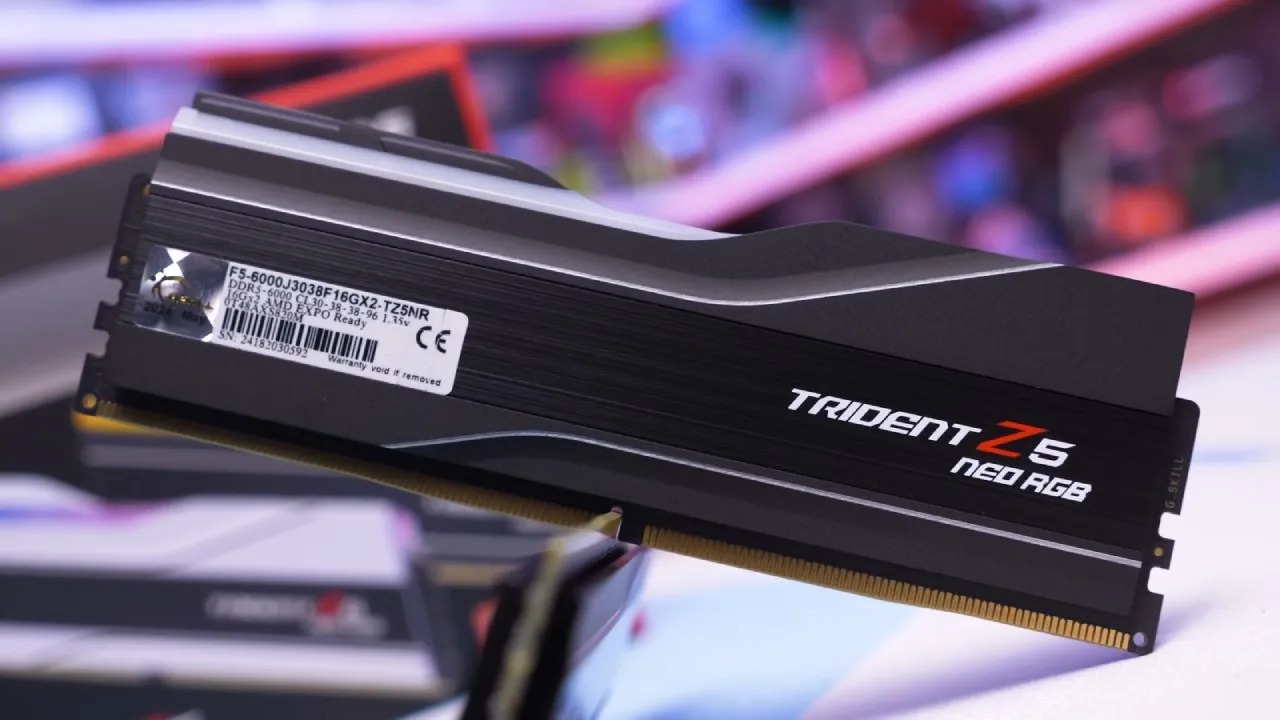
If you want to build or upgrade a PC or acquire a smart gadget shortly, we suggest that you move fast. Put DRAM-equipped gear at the top of your list before prices go up even more. If you find a reasonably priced product, you likely won't have much room for choice.
If you're considering buying used components, keep this in mind:
- Never buy secondhand SSDs or storage products.
- They could be infected with malware, contain worn-out NAND, or be close to failure.
- Used RAM, however, is generally safe to buy.
RAM is one of the hardest components to break, and it doesn't carry the same risks as SSDs.
Whatever you decide to buy, make sure you know exactly what the product is. Avoid no-name brands and stay alert for counterfeits. During shortages, fake products become increasingly common, and you could end up losing more money in the long run.
How Long Will the Shortage Last?
We can't say for sure. Some people have already been affected, while others may feel the impact soon. No matter how this unfolds, it's clear the memory market is undergoing one of its biggest shifts in decades.
Also, check our other hardware articles:
- AMD Ryzen 9 9950X3D Review: Setting The Standard For 2025 Gaming CPU
- Amazon Luna 2025 Review: Is Prime Gaming's Cloud Service Your Go-To For Casual Fun?
- AMD RX 9070 XT Review: AMD's RDNA 4 Champion for 1440p Gaming
- GeForce Now Ultimate: Ditching Your Gaming PC For Cloud RTX 4080 Power?
- NVIDIA GeForce RTX 5080 Review (2025): Still A 4K Gaming Powerhouse?
- Intel Core Ultra 9 285K Review And Performance Breakdown (2025)
- AMD Ryzen 7 9800X3D Review: 3D V-Cache Goes God Mode with Stunning Gaming Performance
- Intel Core Ultra 9 285K vs AMD Ryzen 7 9800X3D: In-Depth Gaming Performance and Benchmark Comparison
- NVIDIA GeForce RTX 5080 Super Performance In Cyberpunk 2077: Path Tracing & DLSS 4.0 Tested
- AMD Radeon RX 9070 XT In Cyberpunk 2077: Ray Tracing & FSR 4.0 Tested
- Intel Arc B580 Review: The $250 GPU Revolutionizing 1440p Gaming
- Intel Arc B570 Vs. B580: Value, Specs, And Real-World Gaming Performance
- RTX 5090 Laptop Vs. M4 Max MacBook Pro: Ultimate Raw Performance Vs. Battery Endurance
- Intel Arc b580 Vs. RTX 4060: Game Performance And Value Analysis
- RTX5090 Hell Is Us Demo 4K Ultra Benchmark: DLSS Vs. Native Performance Guide
- NVIDIA RTX 5070 Review: Mid-Range Muscle or Marketing Hype?
- Nintendo Switch 2 Review: Handheld Performance, Features & Value Breakdown
- RTX 5070 Ti Review: Performance, Thermals & Power Efficiency Tested
- Samsung Odyssey OLED G81SF Review 2025: Ultimate 32-Inch QD-OLED Gaming Monitor
- AMD RX 9070 Performance Review: Thermals, Clocks, and Real-World FPS
- AMD Ryzen 5 7600 Review: Best Budget Gaming CPU of 2025?
- AMD Radeon RX 7800 XT Review: RDNA 3 Power For Midrange Gaming
- Asus ROG RTX 5090 Astral OC Vs. Founders Edition: The 4K Gaming Benchmark
- Intel Core i5-13400F Gaming Performance: Still Worth It in 2025?
- ASUS GeForce RTX 5090 LC Liquid Cooled GPU Review: Unmatched Silence & Speed
- ASUS ROG Ally X Handheld Review: Double the Battery, Double the Comfort
- Lenovo Legion Go S Review: The Ultimate Steam Deck 2 Alternative
- Sapphire NITRO+ AMD Radeon RX 9070 XT Review: The Ultimate 4K Gaming GPU
- Alienware 16 Area 51 Review: The Ultimate 2025 Gaming Laptop
- Alienware Area-51 Review: Unmatched 4K, Thermal, and Acoustic Performance
- AMD Ryzen 7 7800X3D: Delivers Gaming Performance Far Beyond Expectations
- AMD Ryzen 9 7900X Review: Powering the AM5 Era with DDR5 & PCIe 5.0
- Intel Core i9‑14900K vs. AMD Ryzen 7 7800X3D: Power Profiles & Gaming Benchmarks
- Intel Core i9 14900K: Specs, Benchmarks, and Competitor Comparison
- ASRock Radeon RX 7800 XT Challenger OC Review: Best Price-to-Performance GPU of 2025
Senior Editor, NoobFeed
Gaming Hardware Updates
No Data.