
NVIDIA Reportedly Cancels RTX 50 Super Series Amid GDDR7 Memory Shortages
Nvidia faces potential cancellation of the RTX 50 Super lineup as global GDDR7 memory shortages disrupt production schedules.
Hardware by Tanvir Kabbo on Nov 10, 2025
There's a rumor circulating that Nvidia might be cancelling the RTX 50 Super series of graphics cards—or at the very least, delaying them significantly. Initially, the RTX 50 Super lineup was expected to be announced early next year, featuring a primary upgrade in the form of extra memory provided by 3GB GDDR7 modules.
However, current shortages of these memory modules are reportedly causing major disruptions. This situation raises an important consideration: should consumers pick up an RTX 50 graphics card now, especially with Black Friday and the holiday season approaching?
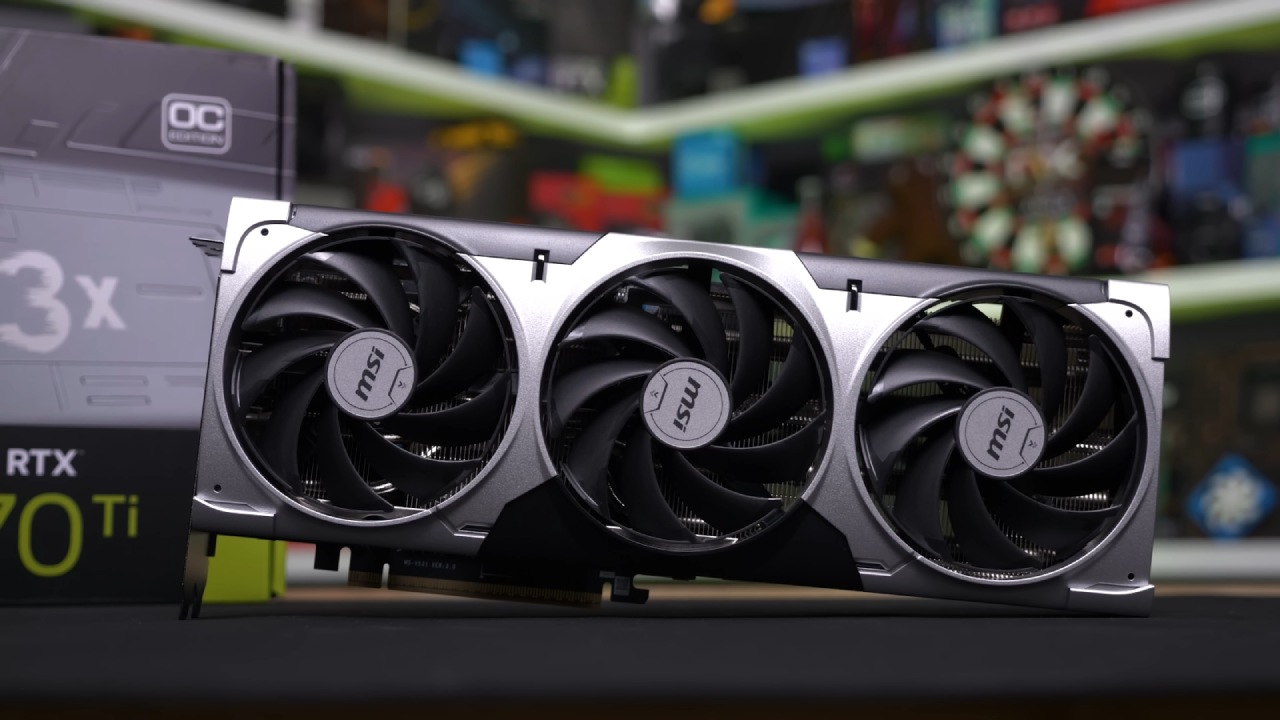
GDDR7 Shortages and Rising Costs
Unica Hardware, which has a good track record, states that the 3GB GDDR7 modules are experiencing difficulties in production, which means they can't be sold to consumers for desktop use. As a result, the RTX 50 Super series may be canceled. The current models, which use 2GB GDDR7 modules, are likely to get more expensive shortly because it costs more to make them.
We've already seen proof of the 3GB modules, even in Nvidia's own official video showcasing the design of the Founders Edition RTX 5090. However, people in the business say that Nvidia might allocate these higher-density modules to more profitable areas, such as professional or data center industries, rather than consumer GPUs. This decision, although business-savvy, could result in a constrained supply of high-end consumer graphics cards.
Looking at data from DRAM Exchange, memory prices across the board have been on the rise. GDDR 5 8GB modules have increased roughly 5%, while GDDR6 16GB modules have risen about 17%. These memory types are also used in AMD's GPUs, further contributing to industry-wide cost hikes. DDR5 memory kits for desktops have also experienced substantial price surges, in some cases doubling in price over the past year.
AI Boom's Impact on Memory Supply
One of the key reasons behind these price increases is the massive surge in demand from the AI industry. The global push toward AI computing is consuming huge amounts of DRAM and NAND resources, thereby tightening the supply of consumer hardware. Additionally, packaging bottlenecks at foundries like TSMC are exacerbating the situation.
Although companies like Intel are making progress in expanding production capabilities, the overall supply chain remains under immense strain.
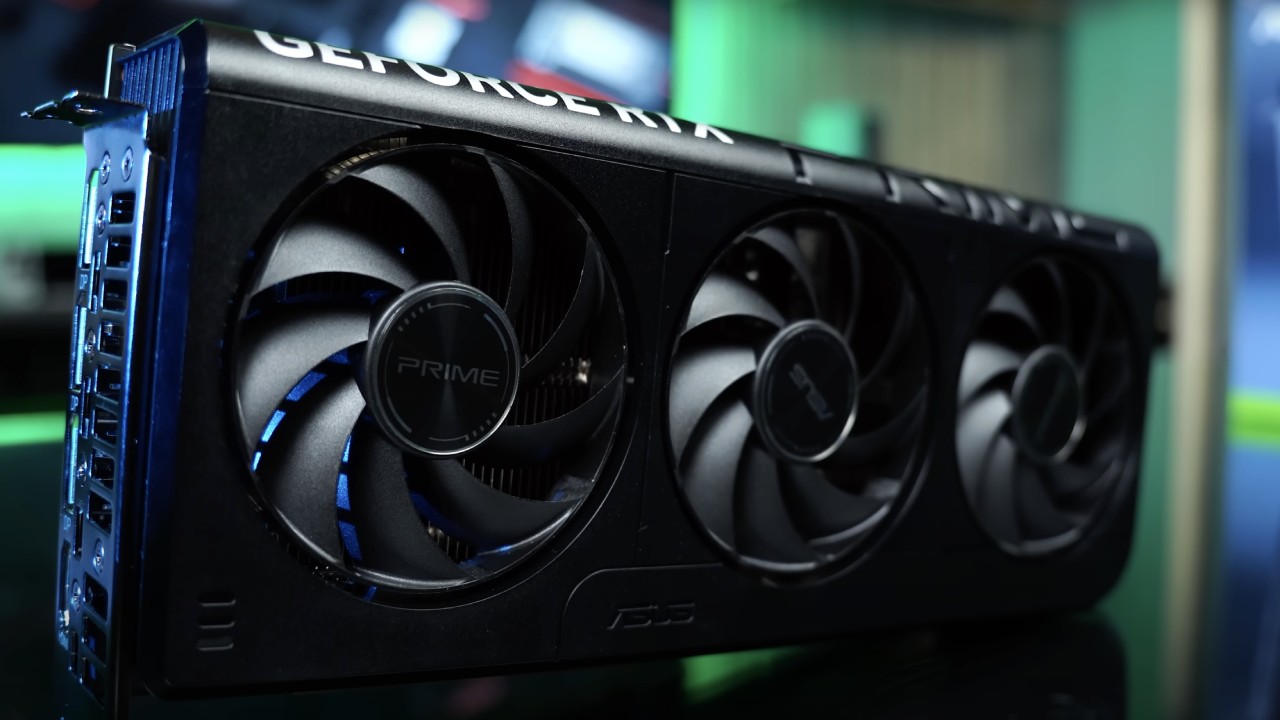
Should You Buy a GPU Now?
Given these conditions, the question becomes whether it's worth buying a graphics card right now. It mostly depends on how much money you have and what you need it to perform. If you need to upgrade, the RTX 5060 Ti 16GB or even AMD's RX 9060 XT series could be good options. Avoid the 8GB models, as they may struggle to handle modern gaming workloads for extended periods.
Currently, GPU prices in many regions remain stable; however, if GDDR7 shortages persist, retail prices are likely to rise soon. That makes the upcoming holiday sales potentially one of the best opportunities to secure a good deal before any price hikes take effect.
Future: RTX 60 and Next-Gen Expectations
Let's talk about what's next—specifically, the RTX 60 series. Earlier analyses from sources such as High Yield suggest that RTX 60 will be based on Nvidia's new "Reuben" architecture, which reportedly shares similarities with the GB202 chip. Although early reports mistakenly cited PCIe 5.0 support, it's actually expected to feature PCIe 6.0.
Sources indicate that Nvidia plans to use a single-die design rather than moving toward multi-die or chiplet architectures for its next-generation products. The company is likely to focus heavily on ray tracing, path tracing, and AI-driven enhancements, such as DLSS 5 or similar technologies.
Based on internal performance targets, the RTX 60 could offer roughly a 60-65% improvement in rasterization performance compared to the previous generation—comparable to the leap from RTX 20 to RTX 30.
For context, the RTX 3090 Ti averages around 107 fps in benchmark tests, while the RTX 2080 Ti averages 64 fps, representing approximately a 67% increase. A similar performance jump would place the RTX 60 series in a very competitive position for high-end gaming and creative workloads.
Final Thoughts
One thing is apparent, though: the global need for AI hardware is changing the GPU market. Nvidia, AMD, and even Intel are quickly changing to accommodate the needs of businesses and data centers, which often means that consumers can't get their hands on them. In the near future, this could mean fewer new products and greater pricing for gamers and PC fans.
You may want to consider upgrading your system sooner rather than later, especially before memory and GPU prices increase further. Even if the RTX 50 Super series never materializes, there is still significant competition in the GPU market. To make a solid purchase, you need to pay attention to both price trends and advancements in next-generation technologies.
Also, check our other NVIDIA articles:
- NVIDIA GeForce RTX 5080 Review (2025): Still A 4K Gaming Powerhouse?
- NVIDIA RTX 5070 Review: Mid-Range Muscle or Marketing Hype?
- RTX 5070 Ti Review: Performance, Thermals & Power Efficiency Tested
- ASUS GeForce RTX 5090 LC Liquid Cooled GPU Review: Unmatched Silence & Speed
- MSI GeForce RTX 5090 32GB SUPRIM SOC Review: Power Efficiency, Cooling, and Gaming Performance
- INNO3D RTX 5060 Ti 16 GB X2 Review: Gaming Benchmarks, Temps, and Power Efficiency
- HP Omen 45L Review: RTX 5090 Performance, Thermals, and Value Analysis
- ASUS TUF Gaming GeForce RTX 5060 Ti Review: DLSS 4, Power Efficiency, and Gaming
- ASUS Prime RTX 5060 Ti OC 16GB Review: DLSS 4, Ray Tracing, & Thermals Tested
- NVIDIA GeForce RTX 5060 Review: Specs, Gaming, and Cost per Frame
- MSI GeForce RTX 5090 GAMING TRIO OC Review: A Monster Power GPU
Senior Editor, NoobFeed
Gaming Hardware Updates
No Data.