
NVIDIA RTX 50 vs. AMD RX 9000: Which GPU Should You Buy?
Nvidia and AMD GPUs deliver distinct advantages across gaming, production workloads, and artificial intelligence performance in the latest generation.
Hardware by Tanvir Kabbo on Dec 05, 2025
Choosing between Nvidia and AMD has become one of the biggest dilemmas for anyone planning to build a PC. Nvidia has maintained a solid position for years, while AMD often pulls ahead whenever Nvidia falls behind. Both brands now offer new-generation GPUs, RTX 50 series and the RX 9000 series, which redefine expectations and offer different strengths depending on your needs.
Prices can vary significantly from one place to another, one stock to another, and one market to another; thus, PCPartPicker listings will serve as pricing guides. To avoid confusion, performance comparisons generally use TechPowerUp datasets, but they also use other sources when needed. These results reflect the situation at the time of writing, and future driver updates may change standings.
What Nvidia Offers
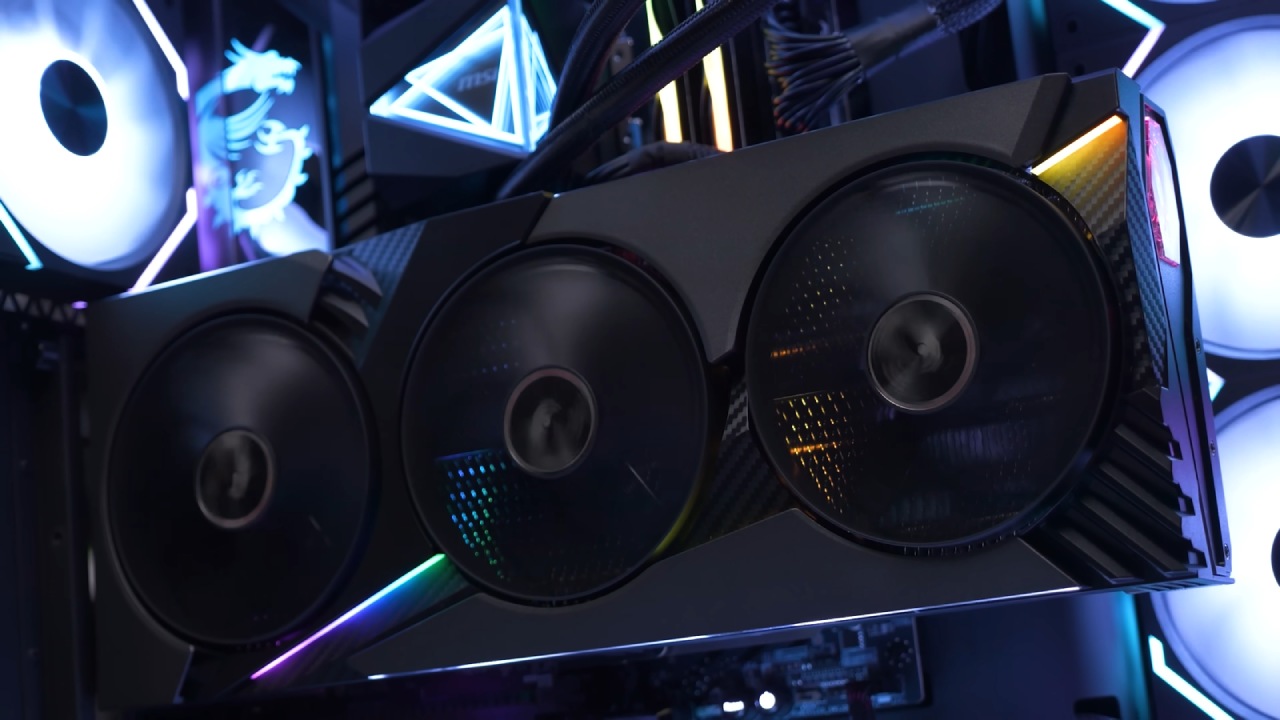
Nvidia's major advantage lies in its CUDA cores, which deliver strong performance for artificial intelligence and production workloads. If you plan to work in these areas, we can confidently say that Nvidia is the preferred option. DLSS and MFG improve gaming performance, effectively extending the GPU's lifespan, but raw performance remains quite important.
Ray, even though AMD has made some progress, Nvidia still has a big edge in tracing performance. Power use is usually more stable, and software stability is usually better than AMD's existing ecosystem, even though it isn't perfect.
What AMD Offers
AMD's biggest strength is still its excellent price-to-performance ratio. RX 9000 series, FSR 4, and AFMF upgrades, along with the impending Redstone release, are improving the experience. The results are more than satisfactory given the price, even though they aren't quite as good as Nvidia's upscaling technology yet.
On Linux, AMD often becomes the superior choice due to open-source driver support. Cooling performance across most RX 9000 series AIB models is excellent, with only a few units to avoid. As long as users know which models to skip, choosing a good variant becomes easy.
Low-End GPU Comparison
The history of xx50 GPUs varies widely. GTX 1050 Ti became iconic, RTX 3050 became a disappointment, and RTX 5050 sits in the middle—functional but held back mostly by price. As of now, RTX 5050 has no direct competitor in its generation, so evaluating it requires comparing older models.
Its performance lands roughly 3%–5% behind RTX 4060. Compared with AMD, it sits about 5% above RX 7600, yet still trails RX 7600 XT. The bigger issue is power consumption. Unlike the 1050 Ti, it cannot run without a PSU cable and consumes slightly more power than 4060. Given options like Intel Arc B580, RX 9060 XT 8GB, and even RTX 5060 are available at similar prices, we strongly recommend avoiding RTX 5050.
Mid-Low Segment: RTX 5060 vs RX 9060 XT 8GB
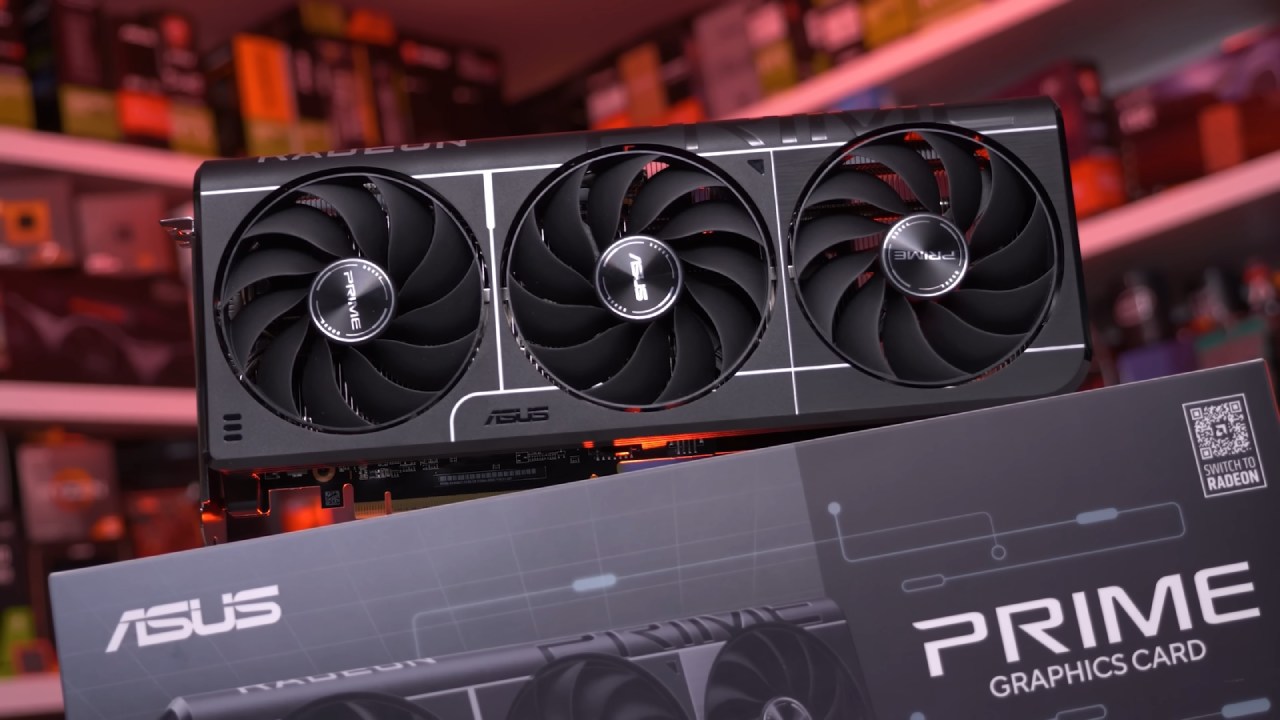
Although the RX 9060 XT 16GB usually compares better with RTX 5060 Ti, the 8GB version stands close to the base 5060. Performance depends heavily on game selection; sometimes Nvidia leads, sometimes AMD. Both GPUs are on par with RTX 4060 Ti.
At 1080p, RX 9060 XT 8GB averages about a 5% advantage, but RTX 5060 pulls ahead in select titles. We do not recommend 1440p for these GPUs. However, memory type matters here—GDDR7 benefits 5060 in some scenarios, while pure compute strength helps AMD in others.
Pricing is tight, with both GPUs listed close together. For standard users, RTX 5060 is more sensible due to Frame Generation and DLSS, which provide significant boosts at this tier. But if the goal is the absolute lowest price, RX 9060 XT stays appealing. With luck, users might even find an RX 7700 XT at similar price points, offering 12GB of VRAM and raw performance close to RTX 5060 Ti.
Mid-Range: RTX 5060 Ti vs RX 9060 XT 16GB
8GB vs. 16GB RTX 5060 Ti
5060 Ti 8GB and 16GB have similar base performance. Still, the 8GB model reaches VRAM limits quickly, leading to stutters and reduced stability. Its price sits too close to RX 9060 XT 16GB to justify the lower memory. Therefore, the 8GB variant is not recommended unless it is foupricedound $300 and only if RX 7700 XT has already been ruled out.
5060 Ti 16GB vs. RX 9060 XT 16GB
At 1080p and 1440p, both GPUs work about the same as RX 7700 XT, but RTX 5060 Ti does a little better on average. AMD, on the other hand, is usually approximately $70 cheaper, which is a big plus. On paper, 5060 Ti 8GB may look stronger than 9060 XT, but its limited VRAM makes it less reliable. The right choice here depends on how much money you have.
Architectural improvements give newer cards an edge in future updates. Ray Tracing performance on 9060 XT clearly sits above that of RX 7700 XT, which becomes worthwhile only when priced near $300.
Upper Mid-Range: RTX 5070 vs. RX 9070
After recent driver updates, RX 9070 gained enough raw performance to place it ahead of RTX 5070 in many scenarios, often by around 10% at 1080p and 1440p. However, this does not automatically make RX 9070 an instant recommendation.
Ray Tracing can dip toward RTX 4070 levels, reducing its advantage. Pricing complicates the comparison further. In many listings, RX 9070 XT appears in the same price range as RX 9070. At the same time, RTX 5070 is often available at similar or better pricing. Under typical US market conditions, RTX 5070 or RX 9070 XT is more logical than RX 9070 unless a significant discount is available.
High Mid-Range: RTX 5070 Ti vs. RX 9070 XT
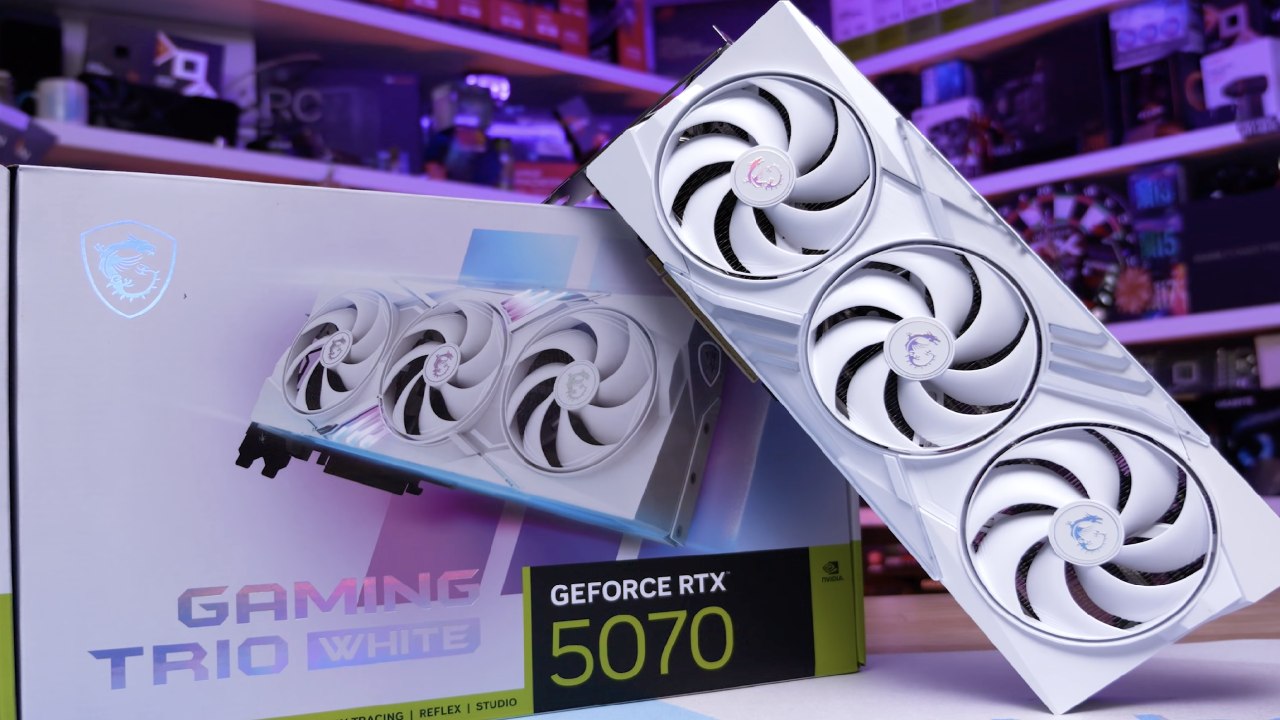
These two GPUs represent the most competitive matchup in RTX 50 vs RX 9000 lineup. Both sit between RX 7900 XTX and RTX 4070 Ti Super in terms of previous-generation performance.
At 1080p and 1440p, results vary greatly by title; RX 9070 XT sometimes leads, and RTX 5070 Ti sometimes takes the advantage. Due to GDDR7 memory, 5070 Ti averages a slight lead of about 5%.
However, the price gap is substantial. RX 9070 XT typically sells for $600–$650, while RTX 5070 Ti sells for $750–$800. With such a difference, RX 9070 XT becomes significantly more appealing for gaming. But for production or AI workflows, RTX 5070 Ti remains the superior choice.
High-End: RTX 5080
AMD currently has no direct equivalent for the RTX 5080. Rumors suggest an RX 9080 XT, but nothing official exists yet. RTX 5080 performs closer to RTX 4080 Ti rather than RTX 4090, landing roughly 10%–15% above RTX 5070 Ti.
Although the $200 price difference may feel steep, RTX 5080 stands as one of the most sensible GPUs for QHD or 4K gaming and delivers strong performance for production workloads.
Ultra High-End: RTX 5090
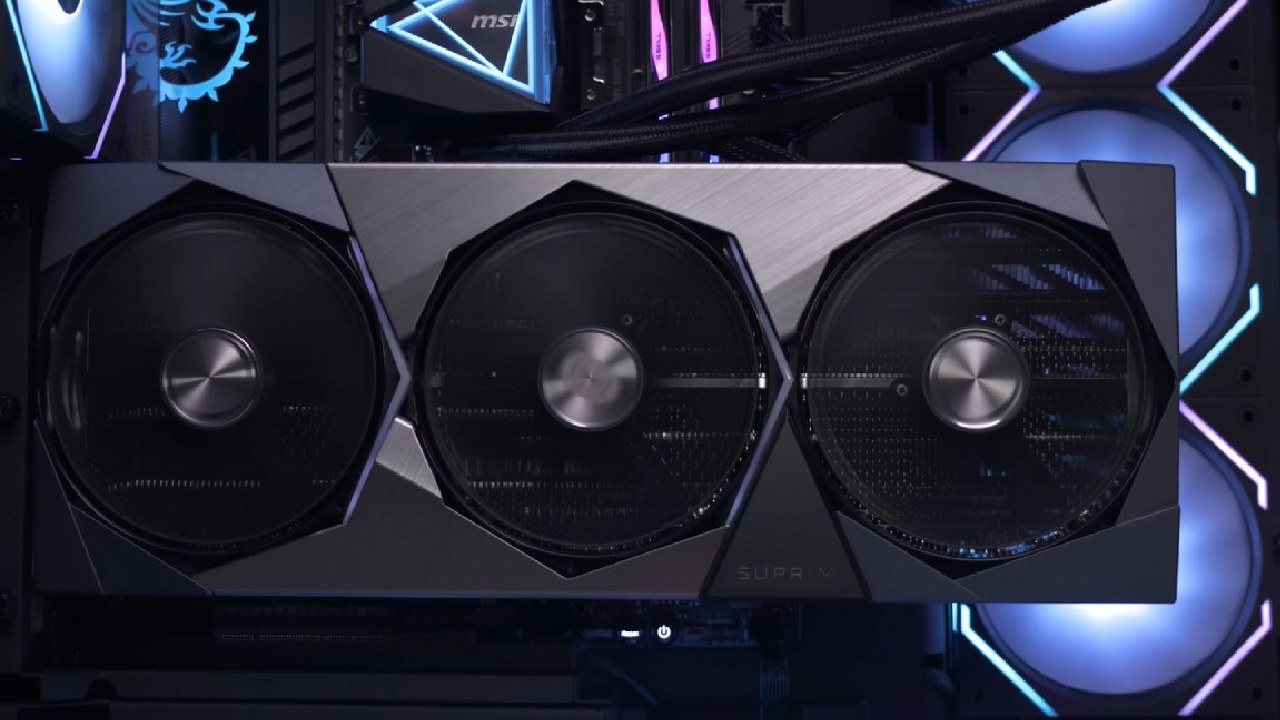
RTX 5090 should not be purchased solely for gaming. Pricing ranges from $2,000 to $3,000. For that amount, it is possible to build two systems featuring RTX 5070 Ti or a premium full system with RTX 5080.
There is no AMD equivalent here. 5090 primarily targets AI and production workloads and effectively replaces the old Titan-class cards. However, it is more gaming-capable than previous Titans. The entire cost increases further due to high power consumption, larger coolers, and additional PSU requirements. It becomes too much money to spend just on games.
Final Thoughts
Both sides have strong things to offer. The type of workload, resolution, budget, and performance expectations all play a big role in choosing the correct GPU. Whether you lean toward team green or team red, the lineup this generation presents competitive options across nearly every segment.
If you plan to upgrade during major sales periods, especially Black Friday in the US, evaluating discounts across these comparisons will help you land the most sensible choice.
Also, check our other NVIDIA articles below:
- GeForce RTX 5090 Unleashed: Is NVIDIA's New Flagship the Ultimate 4K Gaming GPU?
- NVIDIA GeForce RTX 5080 Review (2025): Still A 4K Gaming Powerhouse?
- RTX 5090 Performance Testing In GTA 5 – 1080p, 1440p, and 4K Max Settings Benchmark
- RTX 5090 Laptop Vs. M4 Max MacBook Pro: Ultimate Raw Performance Vs. Battery Endurance
- NVIDIA RTX 5070 Review: Mid-Range Muscle or Marketing Hype?
- RTX 5070 Ti Review: Performance, Thermals & Power Efficiency Tested
- Asus ROG RTX 5090 Astral OC Vs. Founders Edition: The 4K Gaming Benchmark
- ASUS ROG Astral RTX 5090 OC Edition Review: 32GB GDDR7 & 4K Gaming Benchmark
- ASUS GeForce RTX 5090 LC Liquid Cooled GPU Review: Unmatched Silence & Speed
- MSI GeForce RTX 5090 32GB SUPRIM SOC Review: Power Efficiency, Cooling, and Gaming Performance
- INNO3D RTX 5060 Ti 16 GB X2 Review: Gaming Benchmarks, Temps, and Power Efficiency
- HP Omen 45L Review: RTX 5090 Performance, Thermals, and Value Analysis
- ASUS TUF Gaming GeForce RTX 5060 Ti Review: DLSS 4, Power Efficiency, and Gaming
- ASUS Prime RTX 5060 Ti OC 16GB Review: DLSS 4, Ray Tracing, & Thermals Tested
- NVIDIA GeForce RTX 5060 Review: Specs, Gaming, and Cost per Frame
- MSI GeForce RTX 5090 GAMING TRIO OC Review: A Monster Power GPU
Senior Editor, NoobFeed
Gaming Hardware Updates
No Data.