
Samsung Display Pushes Gaming Laptops Beyond 240 Hz With 300 Hz OLED
Samsung Display’s 300 Hz OLED panels combine exceptional motion clarity with OLED contrast for next-generation premium gaming laptops.
Hardware by Tanvir Kabbo on Aug 24, 2026
Laptop display technology has reached a point where the familiar OLED-versus-high-refresh-rate LCD debate is becoming less relevant. For years, premium gaming notebooks forced buyers to make a fairly straightforward compromise: choose an OLED panel for exceptional contrast, HDR, and image quality, or stick with a fast IPS display for competitive gaming.
Samsung Display is now preparing to erase that distinction with 300 Hz OLED panels designed for premium gaming laptops. The development represents more than another spec-sheet number. Samsung Display's move beyond the previous 240 Hz ceiling for mobile OLED panels could fundamentally change what buyers expect from high-end gaming notebooks.
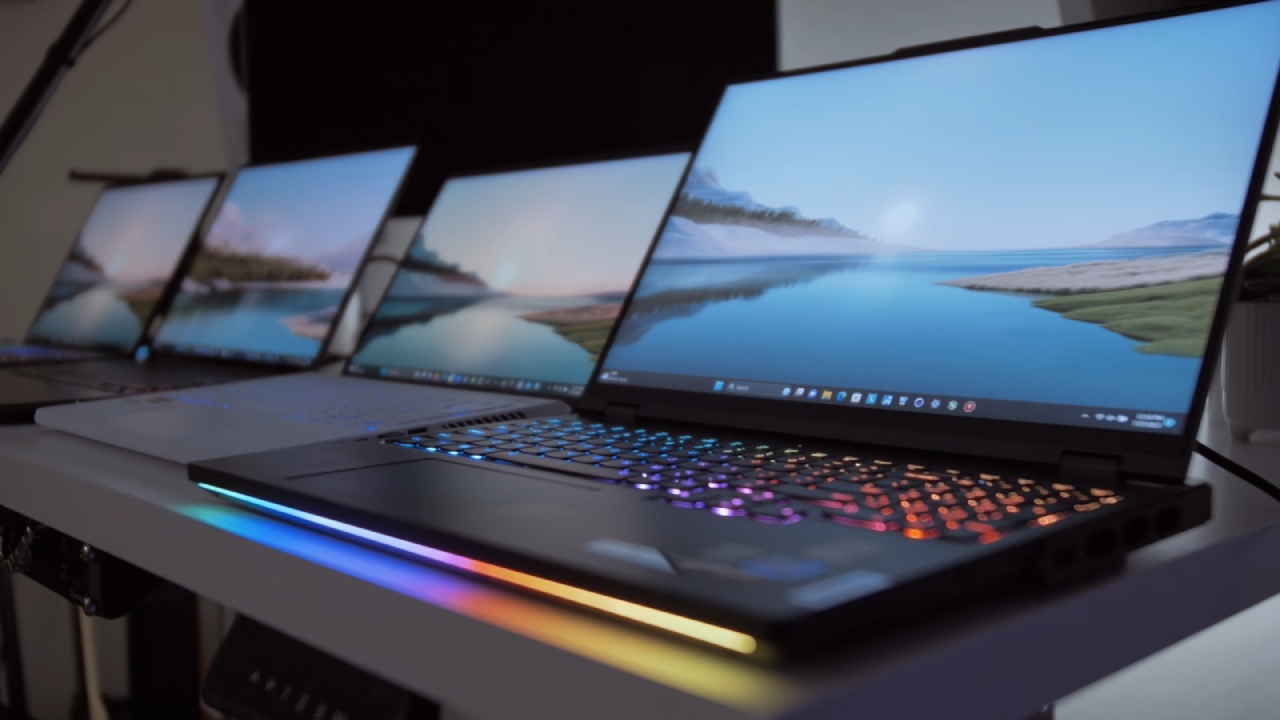
Instead of treating OLED as the cinematic option and LCD as the competitive option, manufacturers will soon have a panel technology that can target both audiences at once. For competitive players, however, the more interesting question is whether the hardware inside a laptop can actually feed all those frames to the display.
Why 300Hz OLED is the New Display Holy Grail
Refresh rate has become one of the easiest ways for gaming laptop manufacturers to communicate performance. A 144 Hz screen once represented the premium tier, while 240 Hz gradually became the preferred target for serious competitive gaming. The arrival of 300 Hz OLED pushes mobile displays into another performance category.
On paper, the difference between 240 Hz and 300 Hz may not appear dramatic. A 240 Hz display refreshes approximately every 4.17 milliseconds, while 300 Hz reduces that interval to roughly 3.33 milliseconds. The raw difference is therefore less than a millisecond per refresh. The real advantage comes from pairing that refresh rate with OLED's extremely fast pixel response.
OLED pixels can transition dramatically faster than conventional LCD pixels, with response times commonly cited around 0.03ms for high-end implementations. That matters because refresh rate and pixel response time solve different parts of the motion-clarity equation. A high refresh rate reduces the time between frames, while fast pixel transitions allow those frames to appear without the lingering transitions associated with slower LCD pixels.
This is where the 300 Hz OLED concept becomes particularly compelling. A 360 Hz or even 480 Hz IPS panel can theoretically deliver more frequent updates, but refresh rate alone does not guarantee perfect motion clarity. LCD pixels still require physical transitions between brightness levels, and these transitions can produce visible ghosting or smearing depending on the panel and its response-time behavior.
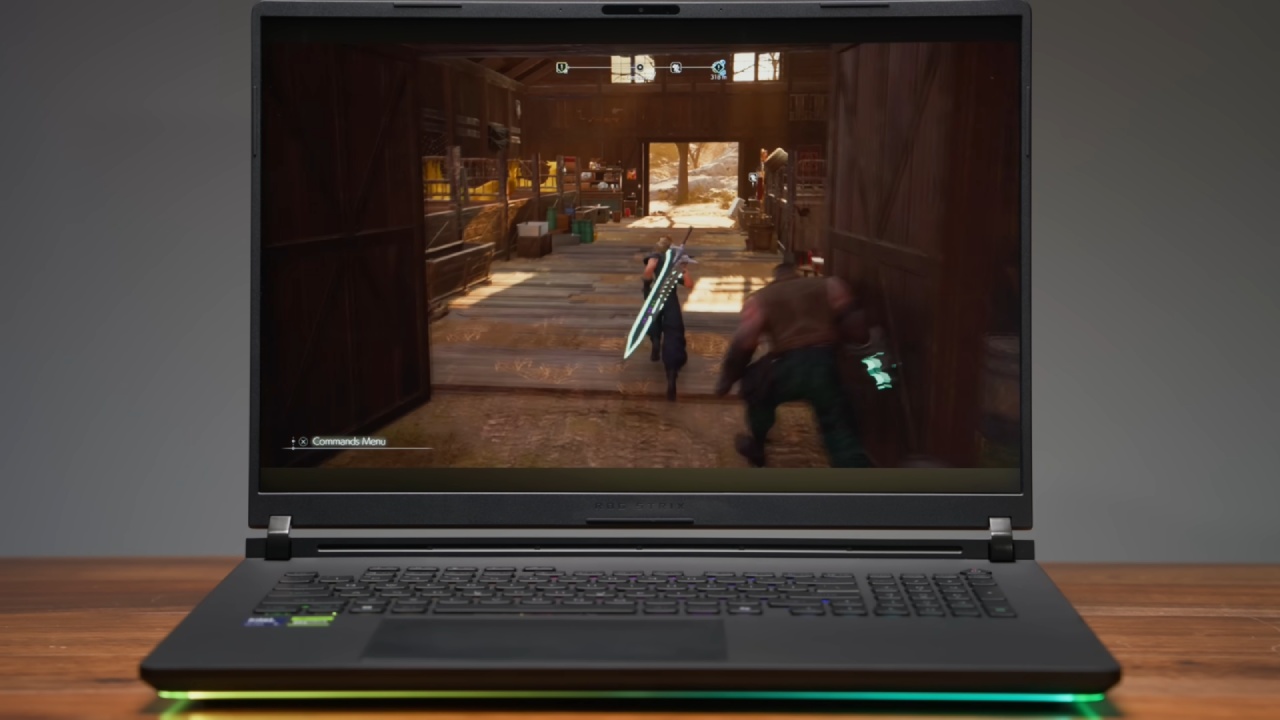
An OLED panel essentially attacks that problem at its source. When extremely fast pixel response meets a 300 Hz refresh rate, fast-moving objects stay much more defined during rapid camera movements. For competitive players who spend hours tracking opponents across the screen, that distinction can matter more than another layer of HDR marketing.
OLED Finally Catches Up With Competitive Gaming
OLED's biggest historical advantage has never been competitive performance. It has been the image quality. The technology can deliver effectively perfect black levels because individual pixels can switch themselves off. That creates an exceptionally high perceived contrast ratio, while HDR content benefits from precise control over bright and dark areas.
The weakness was the refresh rate. Gaming laptop OLED panels initially focused heavily on 120 Hz and 240 Hz configurations, leaving the fastest LCD panels to occupy the upper end of the esports market. That created an awkward situation where the best display depended on the type of gaming.
A player focused on competitive shooters could reasonably prioritize a 360 Hz or 480 Hz LCD. Someone who plays visually demanding single-player games might prefer an OLED for its contrast and HDR performance. Samsung's 300 Hz OLED technology changes that equation.
It does not necessarily make a 300 Hz OLED automatically superior to every 360 Hz or 480 Hz LCD in every scenario. Refresh rate still matters, and the difference between 300 Hz and 480 Hz remains measurable. However, OLED's dramatically faster pixel transitions can make its motion presentation exceptionally clean despite the lower refresh-rate figure.
That makes 300 Hz a particularly interesting middle ground: fast enough for serious competitive gaming while retaining the image-quality characteristics that make OLED desirable for everything else.
Feeding the Beast Requires Serious Laptop Hardware
One major catch has nothing to do with Samsung's panel technology. A 300 Hz OLED display is only as useful as the hardware driving it. Running a game at 300 fps means generating a new frame approximately every 3.33 milliseconds. That is an enormous workload in modern games, particularly at the high resolutions and graphical settings expected from premium gaming laptops.
AAA games such as Cyberpunk 2077, Alan Wake 2, or other demanding open-world titles are unlikely to consistently reach 300 FPS at native high-resolution settings. Even the most powerful mobile GPUs often hit rendering limits long before the display reaches its maximum refresh rate.
Competitive esports games are a different story. Titles such as Counter-Strike 2 and Valorant are significantly more realistic candidates for exploiting a 300 Hz panel, as their visual workloads can be considerably lighter than those of modern cinematic AAA games. With a flagship mobile CPU, a high-end discrete GPU, sufficiently fast memory, and competitive settings, reaching extremely high frame rates becomes much more plausible.
This is precisely where Samsung's panel makes the most sense. The target audience is not necessarily someone expecting every new AAA game to run at 300 FPS. It is the enthusiast who wants one laptop capable of delivering exceptional HDR gaming at one moment and extremely low-latency competitive gameplay at another.
The Real Premium Laptop Arms Race
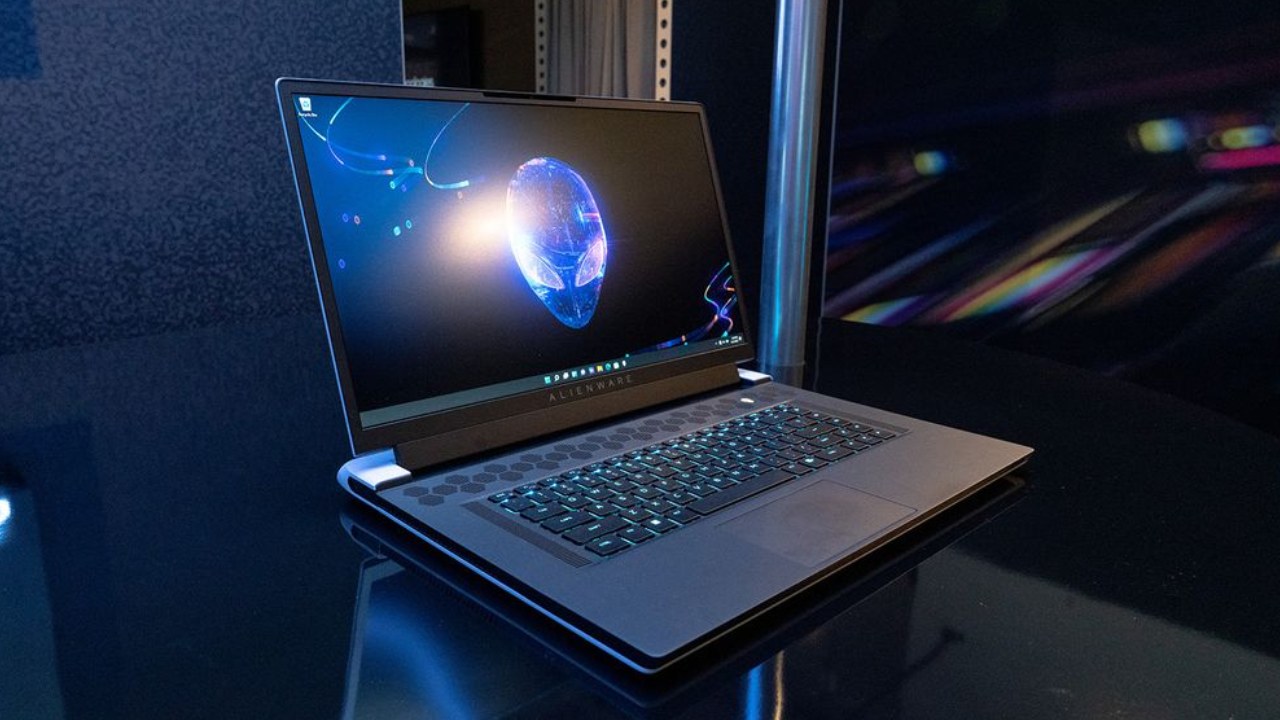
The arrival of 300 Hz OLED could also spark a new arms race among gaming laptop manufacturers. Once these panels become available at scale, simply advertising an OLED display will no longer be enough for flagship notebooks. Manufacturers will have other specifications to compete on: refresh rate, response time, resolution, HDR capability, brightness, and adaptive-sync behavior.
That could push laptop displays toward a much more balanced performance profile. Battery life is also a practical consideration. A high-refresh OLED panel can consume more power when operating aggressively, while gaming laptops are already constrained by their CPU and GPU power requirements.
As a result, manufacturers will need to carefully manage refresh-rate switching and power profiles rather than treating 300 Hz as an always-on requirement. For desktop-style gaming while plugged in, however, that trade-off becomes considerably easier to justify.
Senior Editor, NoobFeed
Gaming Hardware Updates
No Data.