
Steam Hardware Delay Explained Amid AI Boom and Rising Component Costs
Steam hardware delays reflect shifting timelines, supply chain instability, and growing uncertainty across the gaming hardware industry landscape.
Hardware by Nahe Yan on Apr 05, 2026
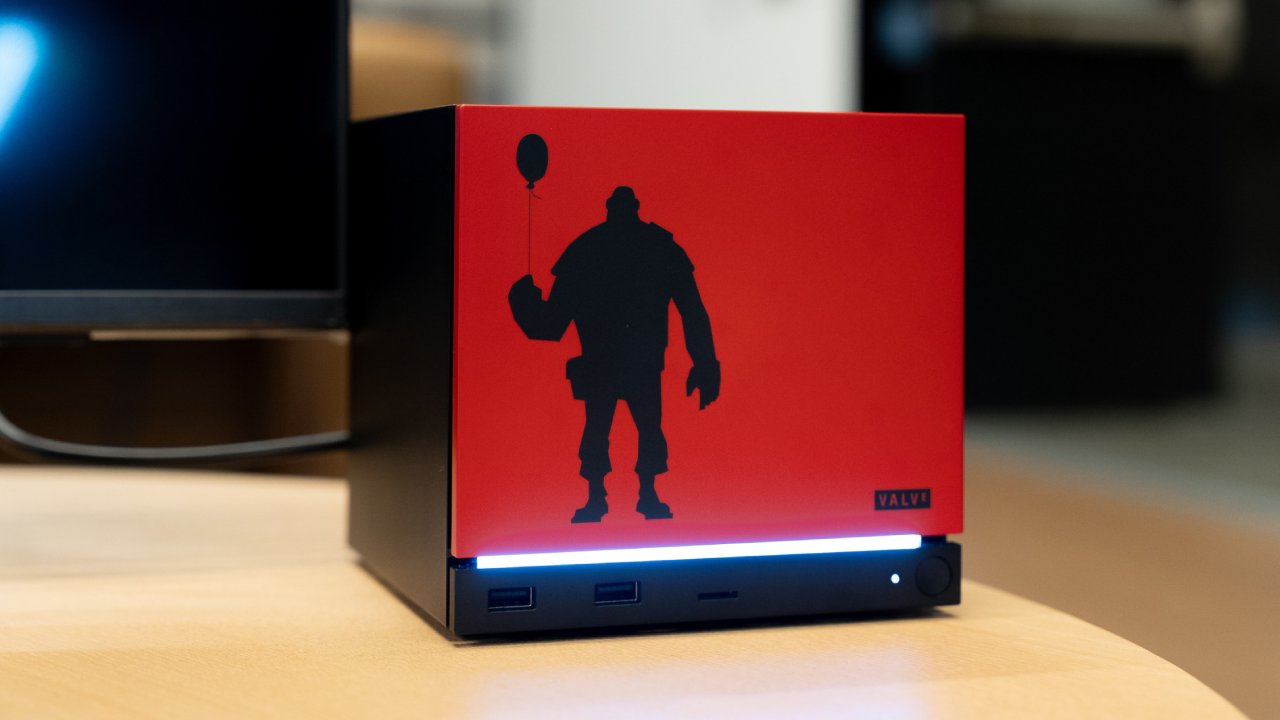
On February 4, news broke that Steam's new hardware would be delayed. The delay wasn't too long, and the intention was to release it in the first part of the year, which meant it could come out by the end of June. The year-end evaluation for 2025 came out in March, which gave the situation more context by April. Updates from early March also got people talking when Steam database entries changed the status of the Steam machine, frame, and controller to "coming soon," which piqued interest and sparked more discussion.
However, not long after that, more information about when the hardware would be released suggested it might not arrive until after July. People in online forums were upset by this change in language because they had been told that the release would happen sooner. The messages seemed inconsistent, but it was because the sender wasn't sure what they wanted.
Hardware Delays and Limits in the Industry
We know that delays can be frustrating, but it's vital to remember that broader business issues are affecting manufacturing schedules. AI data centers have had a big effect on the availability and prices of RAM, storage, GPUs, and CPUs. These demands have shifted the production priorities, leading to reduced supply of consumer hardware and higher prices across the board.
We find that big companies' choices to focus on AI infrastructure have changed how prices and availability work. Some companies have cut back on or changed the direction of their manufacturing of consumer-grade parts. Because of this, it costs more to build or upgrade a PC, and high-capacity RAM setups are now very expensive.
What the Community Thinks and Expects
People on Twitter and Reddit have reacted to the news, saying they are upset about the changing timings. Some views said that it was misleading communication, but we see it as a sign of changing logistics. It's hard to give accurate dates when deadlines depend on outside supply networks and pricing frameworks.
We think Valve is staying flexible as it deals with these problems. You can see that keeping details vague allows adjustments without committing to timelines that may change again due to external factors.
How AI Affects Consumer Hardware on the Market
We are seeing a larger shift, with more and more money being invested in AI. Large-scale funding cycles between internet businesses and hardware makers have made data center infrastructure more important. This has led to reduced supply and higher prices for consumer hardware.
We understand that some are worried about the long-term effects, such as the chance of an AI market correction. If that happens, extra hardware might return to the market. But prices might not drop right away, since corporations sometimes try to recoup past investments by keeping prices high.
Progress in Software Development and SteamOS
We can see that Valve is still investing heavily in software, especially with the ongoing improvements to SteamOS. These upgrades make things easier to use on all devices by adding quality-of-life improvements. The work being done on the operating system suggests they are preparing for the release of new hardware.
We can also see that SteamOS is growing beyond just one device ecosystem. You can put Linux-based systems like Bazzite on desktops, laptops, and mobile devices. This versatility enables a wider range of gaming configurations and reduces people's dependence on traditional operating systems.
Adding more Hardware Options and Ecosystems
More and more people are interested in alternative gaming gear, such as handheld devices made for emulation and portable gaming. Devices like the AYn Odin3 and Thor demonstrate this change by running operating systems similar to SteamOS.
We think these changes are part of a larger ecosystem that gives players additional options for how to play. You can try out different arrangements based on what you require, like handheld gaming, PC installations, or virtual reality.
Industry Power and Response to Competition
We can see that competitors are being affected by developments in the SteamOS and Valve ecosystem. It looks like Xbox leaders are changing their strategy in response to these events. This might not totally take the attention off the AI. Still, it adds more things to think about for future gaming systems.
We know that competition can have good and bad effects, but it typically leads to new ideas. Companies will change in response to new technologies and shifts in user demand.
Final Thoughts
We know that delays are annoying, but the most recent signs point to development continuing. There are "coming soon" status updates, SteamOS enhancements, and industry-wide movement that all point to a release.
We think Valve is trying to make gaming easier for everyone, not just veteran players but also newcomers to PC gaming or virtual reality. As logistics become clearer and production stabilizes, you may expect more updates.
Also, check our other hardware articles:
- AMD Ryzen 9 9950X3D Review: Setting The Standard For 2025 Gaming CPU
- Amazon Luna 2025 Review: Is Prime Gaming's Cloud Service Your Go-To For Casual Fun?
- AMD RX 9070 XT Review: AMD's RDNA 4 Champion for 1440p Gaming
- GeForce Now Ultimate: Ditching Your Gaming PC For Cloud RTX 4080 Power?
- NVIDIA GeForce RTX 5080 Review (2025): Still A 4K Gaming Powerhouse?
- Intel Core Ultra 9 285K Review And Performance Breakdown (2025)
- AMD Ryzen 7 9800X3D Review: 3D V-Cache Goes God Mode with Stunning Gaming Performance
- Intel Core Ultra 9 285K vs AMD Ryzen 7 9800X3D: In-Depth Gaming Performance and Benchmark Comparison
- NVIDIA GeForce RTX 5080 Super Performance In Cyberpunk 2077: Path Tracing & DLSS 4.0 Tested
- AMD Radeon RX 9070 XT In Cyberpunk 2077: Ray Tracing & FSR 4.0 Tested
- Intel Arc B580 Review: The $250 GPU Revolutionizing 1440p Gaming
- Intel Arc B570 Vs. B580: Value, Specs, And Real-World Gaming Performance
- RTX 5090 Laptop Vs. M4 Max MacBook Pro: Ultimate Raw Performance Vs. Battery Endurance
- Intel Arc b580 Vs. RTX 4060: Game Performance And Value Analysis
- RTX5090 Hell Is Us Demo 4K Ultra Benchmark: DLSS Vs. Native Performance Guide
- NVIDIA RTX 5070 Review: Mid-Range Muscle or Marketing Hype?
- Nintendo Switch 2 Review: Handheld Performance, Features & Value Breakdown
- RTX 5070 Ti Review: Performance, Thermals & Power Efficiency Tested
- Samsung Odyssey OLED G81SF Review 2025: Ultimate 32-Inch QD-OLED Gaming Monitor
- AMD RX 9070 Performance Review: Thermals, Clocks, and Real-World FPS
- AMD Ryzen 5 7600 Review: Best Budget Gaming CPU of 2025?
- AMD Radeon RX 7800 XT Review: RDNA 3 Power For Midrange Gaming
- Asus ROG RTX 5090 Astral OC Vs. Founders Edition: The 4K Gaming Benchmark
Editor, NoobFeed
Gaming Hardware Updates
No Data.