
Why Windows is Better Than SteamOS on ROG Ally X?
SteamOS offers a clean handheld interface, but Windows currently delivers better hardware support and broader game compatibility on ROG Ally X.
Hardware by Nahe Yan on Aug 25, 2026
As Linux gaming grows, people often debate whether to use Windows or SteamOS on handheld gaming PCs. Windows lets you get to more games, launchers, services, and hardware tools, while SteamOS feels more like a console. On the ROG Ally X, however, the experience can depend a lot on how well the operating system works with the hardware.
ROG Ally X can run SteamOS, but the experience isn't the same as using SteamOS on hardware designed around it. A few weeks ago, moving from Windows to SteamOS on the ROG Ally X seemed like the right choice. SteamOS offered the kind of focused handheld experience that many people are looking for.
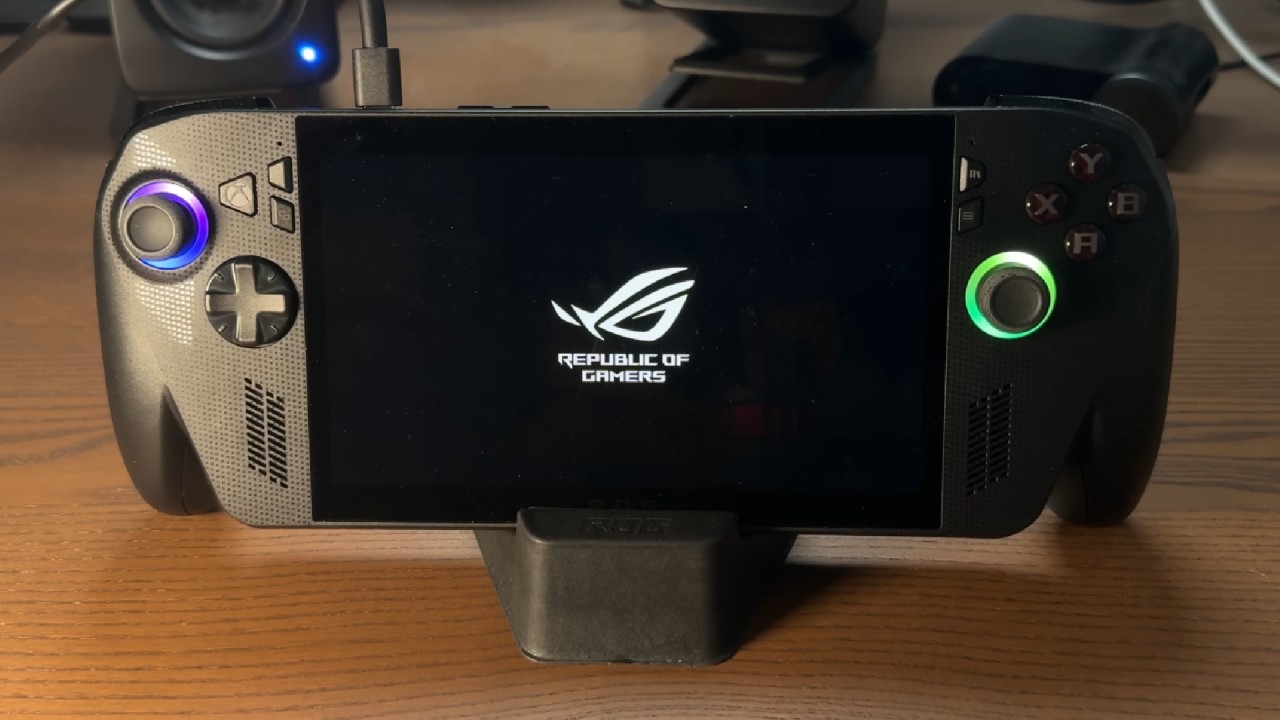
SteamOS on the ROG Ally X Changed the Experience
After spending more time with it, though, the problems became harder to ignore. There is a lot of positive discussion around SteamOS and Linux gaming right now. The idea of putting SteamOS on every device and getting rid of Windows entirely can sound appealing, but the negatives don't always get the same attention.
The experience can also change depending on the device and distribution. Bazzite on a Z1 Extreme device, for example, worked really well for a while. After a couple of months, a few bugs started appearing, and going back to Windows made more sense. The first major problem with SteamOS on the ROG Ally X was vibration.
Instead of providing controlled and intuitive feedback while playing a game, the vibration often felt like it had one setting that was simply too strong. Something as simple as stepping on a rock in a game could make the device vibrate extremely hard in your hands. It felt chaotic and immediately took away from the game. Even turning the vibration sensitivity down only reduced it slightly.
It still didn't provide the kind of feedback and vibration I expected. The vibration also had problems where it could become stuck. For example, after firing a gun in a game, the vibration could continue even after the action had finished. Sometimes the only way to stop it was to exit and restart the game.
SteamOS Loses an Important Audio Feature
Small bugs like this are reminders that the ROG Ally X is designed as a Windows device rather than a SteamOS handheld. When hardware features don't behave properly, the benefits of switching operating systems become harder to justify. The other major problem was audio. The ROG Ally X has speaker hardware that makes games sound different from what you'd expect from a standard handheld.
With Windows, the stereo audio can create a sense of direction that makes sounds feel like they are coming from different places. If a voice whispers behind a character, for example, the sound can feel like it is actually coming from behind the device. That experience changes with SteamOS. The audio still sounds good, but the device loses its spatial benefit.
Instead of getting the full experience from the two front-facing speakers, the audio feels more like two speakers simply sitting in front of the player. For games where sound matters, losing that feature can be enough reason to stay with Windows. None of this means SteamOS is bad. SteamOS is still an important part of the Linux gaming movement, and Valve has been doing a lot with Proton and Linux development.
SteamOS Still Has a Place
Hardware prices are also making optimization more important. Continually moving to more expensive graphics cards and larger amounts of RAM is becoming harder to justify. Developers cannot keep building games around the highest-end hardware when the cost of that hardware keeps rising.
The alternative is better software optimization. Lower-spec hardware needs to stay useful longer, and developers will have to take more steps to optimize games for the hardware people already own. That is where Linux and SteamOS can become interesting. Better software efficiency can reduce the need to constantly upgrade hardware, and that matters as storage, memory, and graphics hardware become more expensive.
Windows still has problems. Updates can be frustrating, and bugs can remain unresolved for long periods. Even on a regular computer, a security update can sometimes fail repeatedly without making it clear how to fix or remove the problem. Windows can also feel clunky in places. Those annoyances are real, but the Windows handheld experience has improved considerably over the last few years.
The early Windows experience on Z1 Extreme handhelds was not particularly well optimized for handheld gaming. That created the impression that Windows would always feel like a desktop operating system forced onto a handheld. The current experience is different. Windows has become much better optimized for devices such as the ROG Ally X, and giving it a proper chance makes that clear.
Windows Provides More Access
Switching to SteamOS can remove some of the things that make Windows annoying, but it can also introduce other problems that matter more. Losing the ROG Ally X's audio experience and vibration feedback is difficult to justify. Access is another broader issue.
Windows provides access to Game Pass, different launchers, games that require anti-cheat software, and other services without having to work around operating system limitations. Even if you don't use a game or service today, it may become useful later. Restricting a handheld based on what you're playing now can create problems later.
You can also clean up a Windows handheld without making major changes. Debloating does not have to involve running an aggressive script. You can simply reduce or remove notifications, unnecessary startup apps, weather apps, and other background processes.
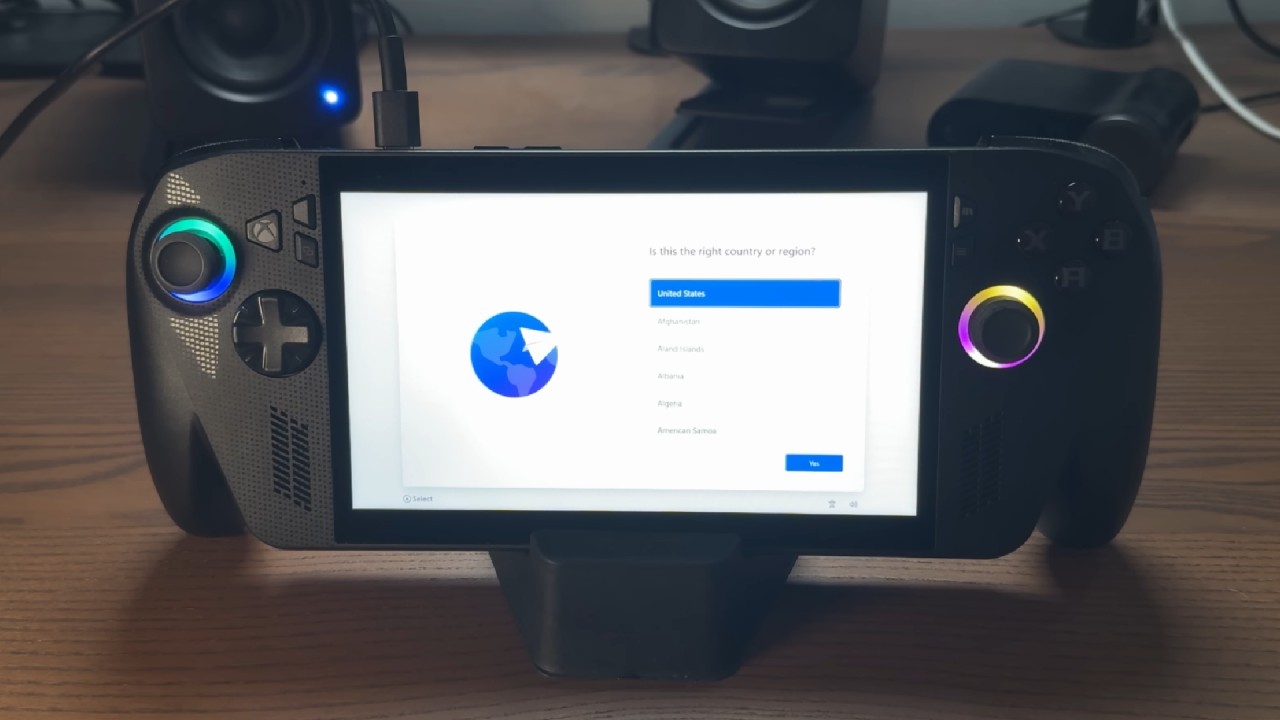
Going back from SteamOS to Windows was also difficult. Without backing up the Windows installation to an SSD or USB drive, I had to use the cloud recovery system. That recovery process was frustrating and made the decision to return to Windows even less appealing as a future experiment. After going through it once, putting SteamOS back on the ROG Ally X is unlikely to happen again anytime soon.
SteamOS has its place, and it remains an important platform for the future of Linux gaming.
Linux remains interesting for experimentation, though. Older laptops offer a place to try different distributions and learn more about the platform without affecting your main gaming device. A primary gaming handheld serves a different purpose. You should be able to pick it up, launch a game, and play without experimenting with bugs or compatibility issues.
However, the current SteamOS experience on the ROG Ally X doesn't offer enough benefits to justify giving up some of the device's hardware features and broader software access. For the ROG Ally X, keeping Windows installed makes more sense. SteamOS may become a better fit as support develops.
But there is no reason to force a change simply because SteamOS and Linux gaming are receiving more attention. There you have it; SteamOS isn't the issue, and Windows isn't perfect. Your hardware and knowledge matter most in deciding which operating system is best. Windows currently has the best mix of hardware support, game access, sound, vibration, and everyday usability on the ROG Ally X.
Editor, NoobFeed
Gaming Hardware Updates
No Data.