
Highguard Shuts Down on March 12 After Rapid Player Drop-Off
Although it attracted two million players at launch, Highguard failed to sustain long-term engagement or generate enough revenue to survive beyond its first month.
News by Mahi Araf on Mar 04, 2026
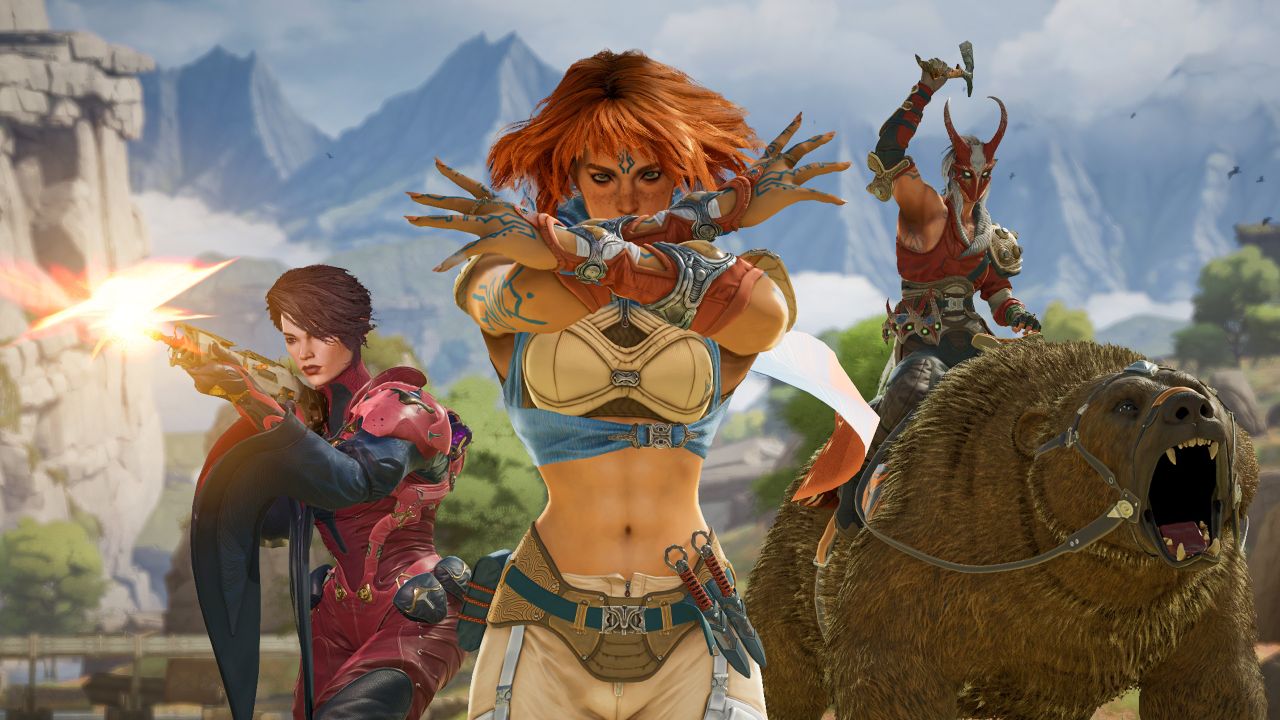
You are about to see Highguard disappear almost as quickly as it arrived. The free-to-play shooter is officially shutting down on March 12, only weeks after launch. Despite drawing more than two million players into its world, the team behind the game says it could not build a sustainable player base to support it long-term.
Servers will remain online until the shutdown date, and before it goes dark, one final update is still on the way. That patch will introduce a new Warden, a new weapon, account-level progression, and skill trees, even though the game itself will cease to exist just days later. Highguard is taking a sad exit, contrary to the "high" hopes the public had put on the game at launch.
The studio shared a statement acknowledging the difficult decision. It thanked players for their feedback, content creation, and belief in what the team was building. But gratitude does not change the numbers. What matters in the end is retention and spending, and Highguard struggled on both fronts.
If you look at the launch window, the trajectory tells the story.
Day one numbers were respectable. Interest was there for Highguard. A large audience jumped in, helped in part by the game's prominent showcase at The Game Awards, where host Geoff Keighley gave it a spotlight because he himself liked the game, but alas, another live service cash grab shoved down people's throats wasn't received well, and that brought about Highguard's imminent demise.
Reports and player tracking showed that the number of people playing at the same time dropped by 60 to 80 percent almost right away on day two. The talk about the game died down as quickly as Highguard itself, within a week or two. The initial excitement didn't lead to long-term interest.
The studio's statement about two million players may sound impressive, but in the live-service model, total sign-ups aren't the most important metric. How many people stay and, more importantly, how many spend money is what matters. Highguard was free-to-play, so it made money through in-game purchases. The financial model falls apart if most players only log in for a short time and never buy cosmetics or progression boosts.
The question is straightforward from a business perspective: are enough players spending?
A small percentage of an already shrinking player base cannot sustain development, server, and support costs. Even if three percent of day-one players remain active, that number becomes irrelevant if they are not paying customers. For publishers and investors, engagement without monetization does not justify continued investment.
There is also debate over whether the game was "sent out to die" due to its placement and timing. There are arguments that the high-profile reveal may have created unrealistic expectations or placed the game in a crowded spotlight. Others believe the opposite—that without The Game Awards stage, Highguard might never have reached its launch peak in the first place. If it had been released quietly, without major marketing support, it likely would not have hit the same day-one highs, but then again, the false reality didn't last long, as the higher you climb, the steeper the fall.
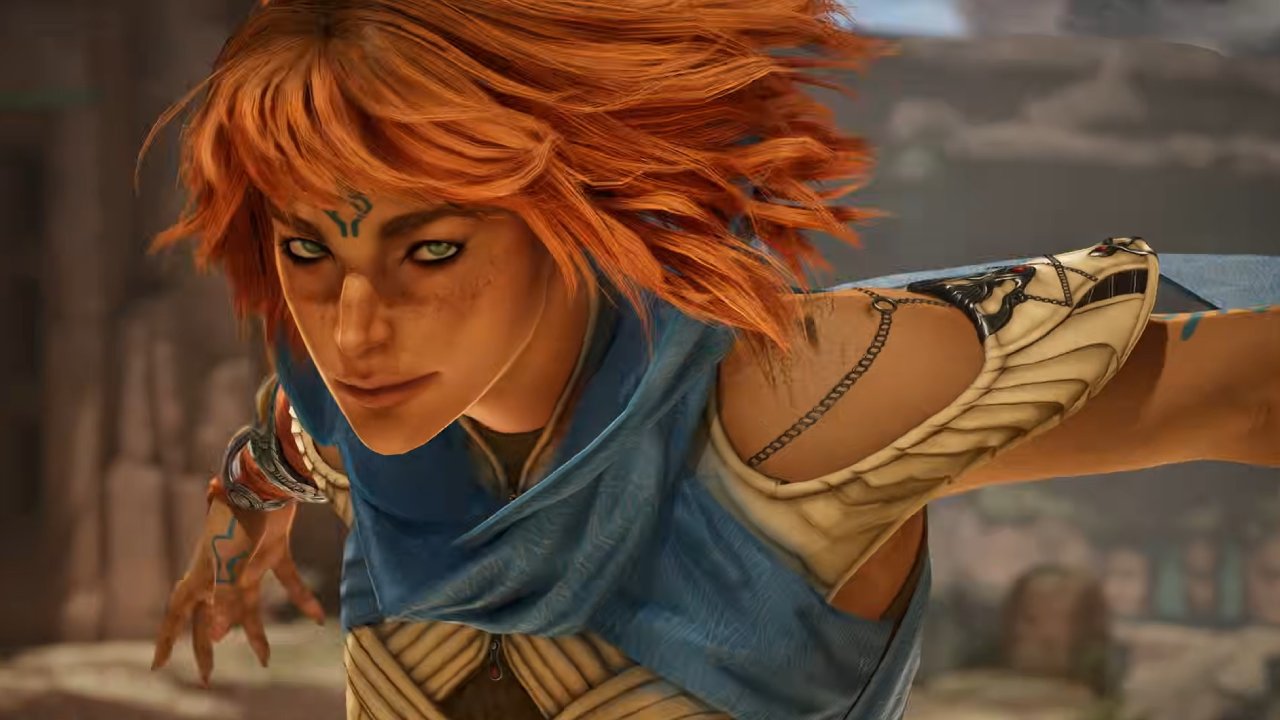
But even if you remove The Game Awards from the equation, the outcome may have been the same. The core issue appears to be the game itself and the market it entered. The multiplayer shooter space is saturated enough, and fatigue from titles like Concord is still fresh in people's minds. You can launch a similar concept dozens of times, yet only a fraction will survive. Most fade quickly, and Highguard followed that pattern.
Like Concord, Highguard also struggled shortly after release.
The difference is that Concord required an upfront purchase, while Highguard was free-to-play. In Concord's case, players spent money on access before servers were pulled. With Highguard, the spending largely came through optional purchases. Still, the result is similar: once servers shut down, access ends.
That leads to a bigger problem with live service games that are only available online. When you buy cosmetics or in-game content, you're paying for access to an online ecosystem. Your investment will also end if that ecosystem does. Even if only a few people buy things in Highguard, they won't be able to get to anything when the servers go down. The model lets publishers quickly cut their losses, but it doesn't give paying customers anything in return for their support.
Another factor worth noting is the apparent timeline for success.
Reports suggest the project had long-term content plans, possibly years of updates mapped out internally. Yet the shutdown comes within roughly a month of launch. That raises questions about how much runway the game was actually given. A live service title often needs time to grow and stabilize, but it appears Highguard was operating on a short leash, and that may be what should have happened. It's better than the game outliving its welcome and getting memed to oblivion.
Simultaneously, it's also a bit unfortunate, as, for instance, a single-player game can survive weak sales because it does not rely on ongoing servers or a constant player base. Once purchased, it exists as a complete product. A multiplayer live service title must justify its operational costs every day. If it fails to maintain engagement and revenue, it becomes a liability.
Fans see Highguard's closure as confirmation of a persistent trend. In an effort to generate recurring income over the long term, many studios are pursuing the live service model. However, there isn't much space for new players in the current market, at least with heavyweights like VALORANT and COD dominating. It takes more than a polished launch trailer or a successful debut week to break into the established ecosystems that players gravitate toward.
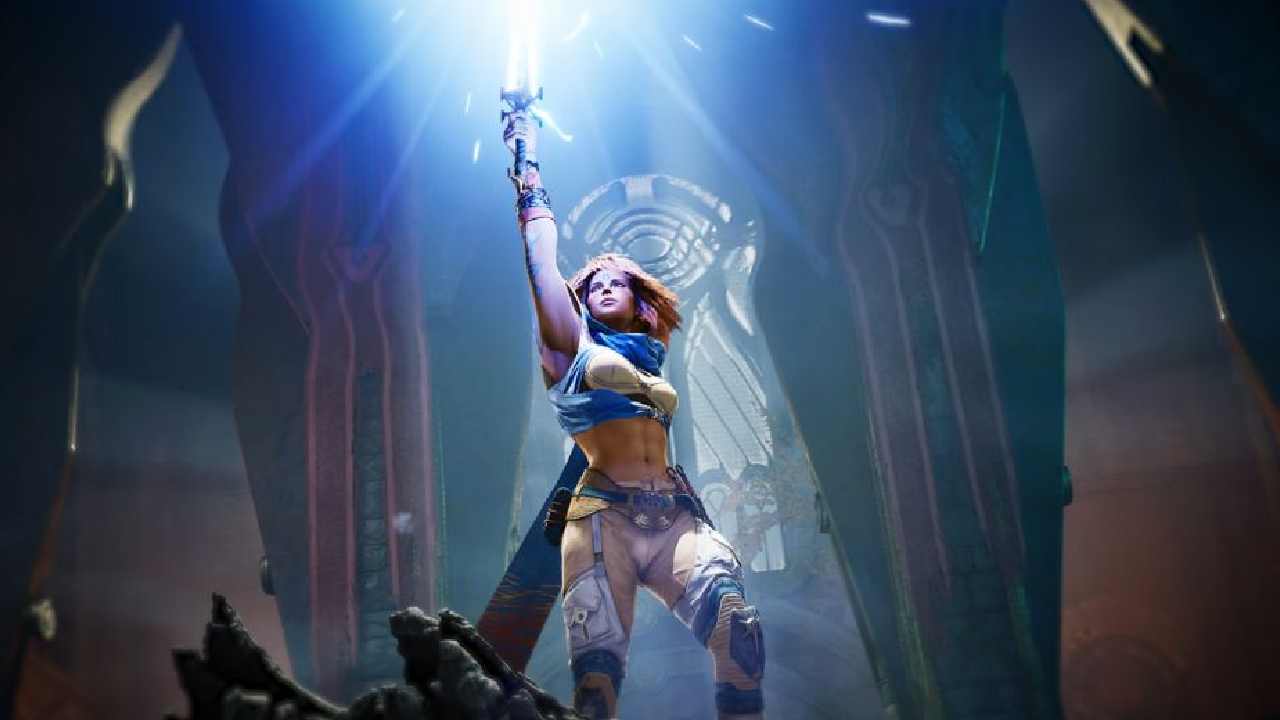
As for developers trying to assert themselves in this space with their live-service game, they will either look at Highguard as a lesson or a warning.
Highguard's last update, which added progression systems and skill trees just days before the game was shut down, shows how hard it is to balance development goals with the need to make money. Those features suggest there was a plan to keep people hooked for a long time. But without enough players and money to back up that vision, those additions are more like goodbyes than foundations.
On March 12, Highguard's servers will go offline, and its funeral will be complete. The two million players who stepped into its world will no longer be able to return. The rapid rise and fall serve as another example of how unforgiving the live service space can be. Visibility and early interest are not enough. Retention and monetization decide everything.
In the end, Highguard joins a growing list of multiplayer games that started well but shut down within a few weeks. Its closure might make studios think twice about doing something similar. There is a small market for new live service shooters, especially if you're as generic as Highguard. Without ongoing support and money, even a spotlight at The Game Awards can't guarantee survival.
Senior Editor, NoobFeed
Related News
No Data.