
Pragmata is Almost Here and it Might Be Capcom’s Next Big Bet
You are getting a $60 sci-fi action game with hacking mechanics, a story-driven duo, and just enough mystery to keep things interesting.
News by Mahi Araf on Apr 12, 2026
We are getting very close to the release of Pragmata, a game that was first revealed alongside the PlayStation 5 back in 2020, and now it is finally arriving in just under two weeks. The game is set to launch across PlayStation 5, Switch 2, Xbox Series consoles, and PC, and before you decide to spend your $60 on it, there is quite a bit you should know. Right away, that $60 price tag stands out, especially at a time when many major releases are pushing toward $70, so it already feels like a bit of a win.
If you are planning to play on PC, you do have the option to grab it at a lower price through Green Man Gaming, where a Steam key is discounted by 18%, bringing it down to $49.19, and you are not dealing with extra tax either. On top of that, you are not walking in blind because there is already a free demo available, known as the Sketchbook demo.
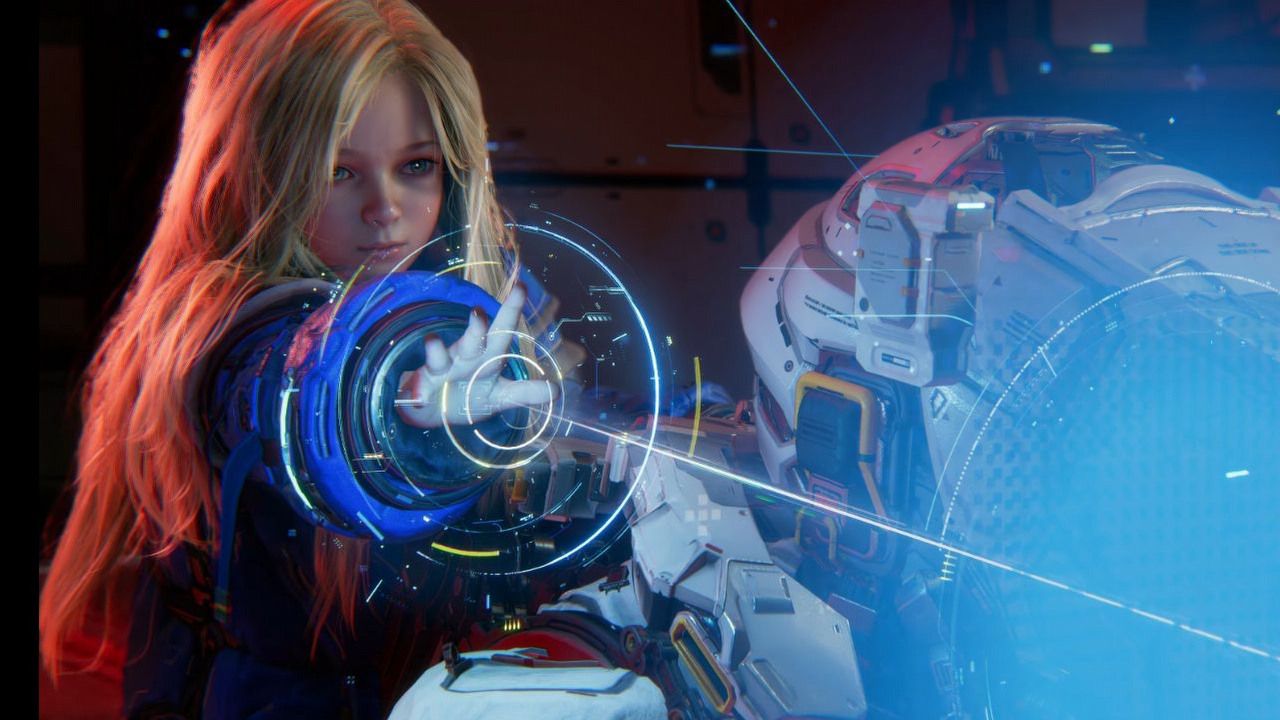
This gives you a chance to experience Pragmata’s unusual mix of mechanics, which blends action shooting with hacking systems. Some players have really taken to it, while others are still unsure how to feel, mainly because it is not a straightforward shooter and asks you to engage with its systems in a different way.
The story drops you into a near-future setting where humanity has discovered a material capable of replicating anything as long as the data exists.
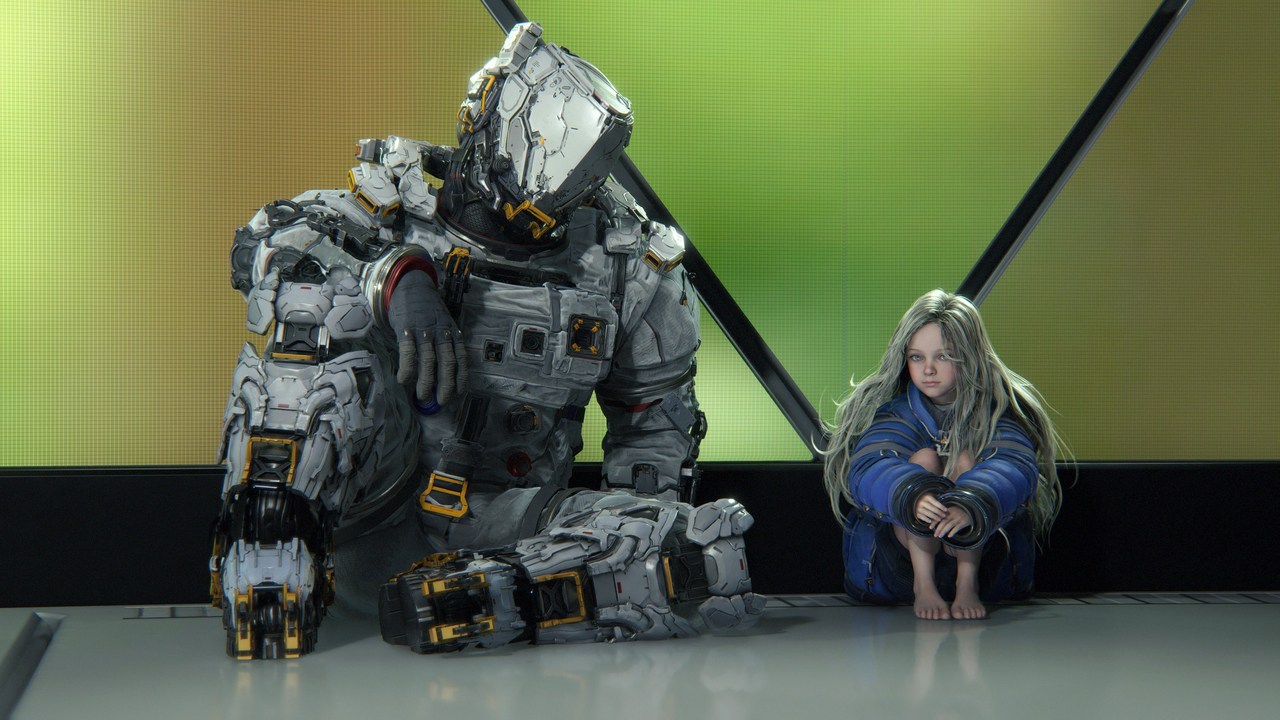
Things quickly go wrong when communication with a lunar research station suddenly cuts off, leading to a response team being sent in. Not long after arrival, a massive lunar quake hits, leaving Hugh Williams, the main character, separated, injured, and unconscious. You step into his role as he is eventually found by a mysterious android who looks like a young girl. She is later named Diana, and she becomes your constant companion.
As you move through the story, everything revolves around Hugh and Diana. Hugh is good with guns because he used to work in security. Diana, on the other hand, is an advanced android made from the same strong material that was found earlier. Her ability to hack systems, enemy defenses, and even parts of the facility itself gives her something completely different. You see how their relationship changes over time, with Hugh's bluntness balancing out Diana's curiosity and lack of knowledge about the world. Their relationship isn't just a background detail; it affects how the game goes.
At first glance, the gameplay may seem like a typical third-person action shooter, but it quickly becomes clear that it is based on a dual-system approach. You are not just shooting enemies; you are working through hacking sequences in real time to expose their weaknesses. Enemy units are protected by armor that cannot simply be blasted away, so you guide a cursor through a path-based hacking system to break their defenses.
After that, you can aim for weak spots and do a lot more damage, which makes the fighting feel more than just run and gun.
You also have multiple weapon types to work with, including high-damage attack units, a default primary weapon that slowly regenerates ammo, tactical options that focus on control, and defensive tools like barriers and decoys. Stronger weapons will break once they run out of ammo, so you are constantly thinking about timing and efficiency. The hacking system goes even further with special nodes that can lower defenses or affect multiple enemies at once, giving you more options for how to deal with each situation.
.jpg)
As you move through the game, you can do more things in both combat and exploration. You move through a multi-layered lunar facility with thrusters on Hugh's suit. This lets you dash and hover through different areas while keeping an eye on an energy gauge. Diana continues to play a role outside of combat by hacking security systems, unlocking doors, and solving puzzle-based challenges that are separate from the hacking used in fights. The environment itself becomes something you interact with rather than just move through.
There is also a shelter system that acts as a hub where you prepare your loadout, upgrade equipment, and decide how you want to approach upcoming sections. Escape hatches scattered throughout the facility let you return to this hub, and once they are unlocked, you can revisit them at any time, which adds a layer of flexibility to exploration.
The game lets you choose how to combine weapons and hacking skills, which makes your strategy a big part of the experience.
In terms of length, Pragmata is not an overly long game. Instead of stretching things out to 30 or 40 hours, it is expected to land somewhere between 15 and 20 hours, which fits the kind of focused experience it seems to be aiming for. The base version comes in at $59.99, while a deluxe edition pushes that up to $70. The extra content includes additional outfits for both Hugh and Diana, weapon skins, music tracks for the shelter, gestures, and a digital artwork library. It is there if you want it, but it is not essential to the core experience.
If you decide to pre-order, you get early bird bonuses that include themed outfits inspired by the Sengoku period, giving both characters a samurai and ninja-style appearance. These bonuses are not strictly limited to pre-orders either, as they are expected to remain available for a short period after launch, giving you time to wait for reviews before committing.
From a technical standpoint, the PC requirements are fairly reasonable for a modern release.
Minimum specs include hardware like an Intel Core i5-8500 or Ryzen 5 3500, along with 16 GB of RAM and a GTX 1660 or RX 5500 XT. Recommended specs move up to an i7-8700 or Ryzen 5 5500 with an RTX 2060 or RX 6600, aiming for 1080p at 60 frames per second. On consoles, PlayStation 5 offers both performance and quality modes, while the PlayStation 5 Pro version combines the two into a single enhanced mode for better visuals and smoother performance.
All of this leads to a bigger picture for Capcom, which has been doing well with established franchises like Resident Evil, Street Fighter, and Devil May Cry 5, while also bringing back older names like Onimusha and continuing support for Mega Man. At the same time, newer projects like Kunitsu-Gami: Path of the Goddess and Exoprimal have not made the same impact commercially. Pragmata sits in a position where it could change that, offering something different while still carrying the weight of a major release.
With its mix of story, character-driven moments, and a combat system built around cooperation between two very different abilities, you are looking at a game that is trying to stand out rather than follow a familiar formula. Its release on April 17 marks a moment where Capcom once again tests a new idea, this time with a concept that has been quietly building anticipation for years.
Senior Editor, NoobFeed
Related News
No Data.