
Sony's QSSR Could Give the Base PS5 a Second Wind Before GTA 6
Sony's software-based upscaling technology could narrow the gap between the standard PS5 and PS5 Pro, with GTA 6 potentially playing a major role in its timing.
News by Mahi Araf on Oct 05, 2026
For the last couple of years, owning a standard PS5 has meant dealing with a fairly frustrating compromise. If you want the smoother and more responsive feel of 60 frames per second, you often have to accept lower image quality or give up features such as ray tracing. Meanwhile, choosing a higher-quality visual mode usually means dropping down to 30 FPS.
When Sony introduced the PS5 Pro, one of the biggest selling points was PSSR, its AI-driven upscaling technology. The idea was to help bridge that gap, giving you better image quality without forcing you to choose between visual fidelity and performance. At the time, though, Sony didn't make one important detail particularly clear.
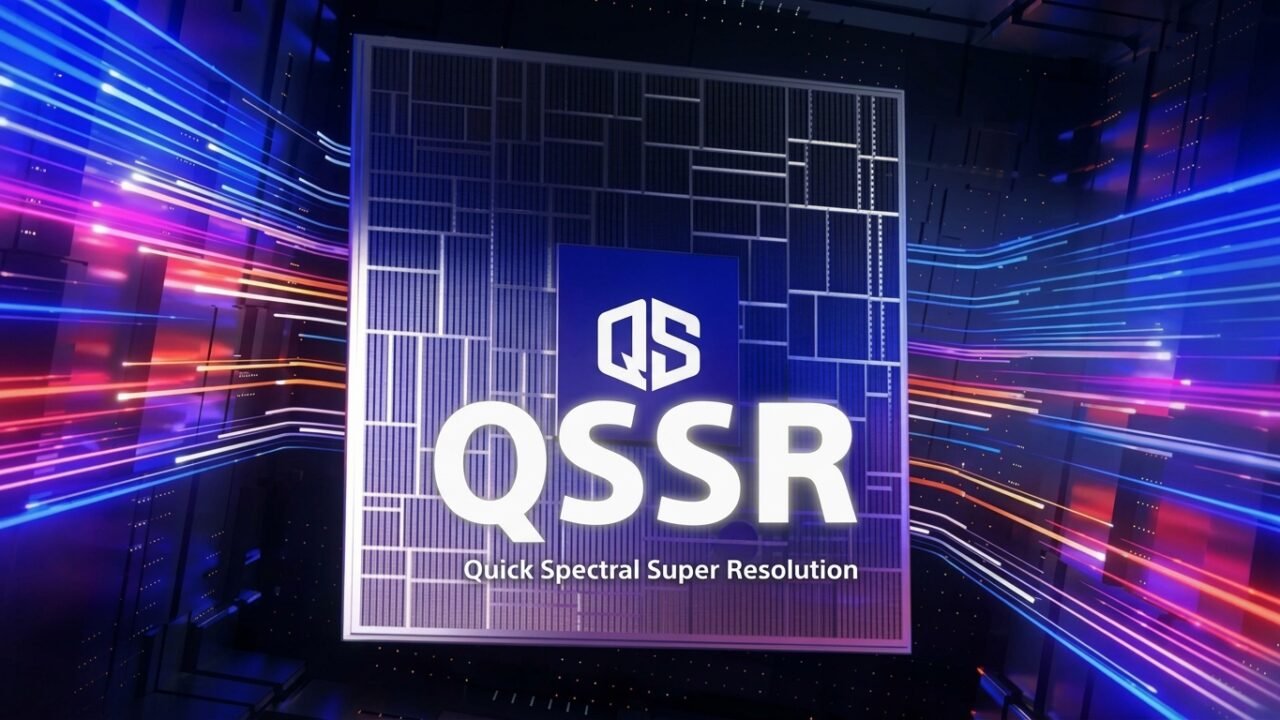
Its R&D team was apparently working on a software-based version of PSSR specifically for the standard PS5. That technology is called QSSR, and after the first technical breakdowns and demonstrations of it running in games such as Marvel's Wolverine and Ghost of Yotei, it looks like Sony may have given the base PS5 a meaningful second wind.
That could matter as the current generation moves closer to its later years. With more discussion about future hardware and the eventual PS6, the PS5 may need to stay relevant longer than expected. QSSR could be one way Sony plans to do that.
To understand why this technology matters, it helps to look at what's happening on PC. Even if you're playing modern games on a high-end gaming rig, raw hardware power isn't necessarily enough anymore. Upscaling has become a common part of getting modern games to run at the performance and visual quality players expect.
It isn't always something you absolutely need, but it has become increasingly difficult to ignore. That's a big reason why Sony focused so heavily on PSSR with the PS5 Pro.
The PS5 Pro's PSSR has dedicated hardware behind it, using machine-learning silicon to handle much of the processing involved. The standard PS5 doesn't have that hardware, which made the idea of bringing similar technology to the original console seem questionable when rumors first started circulating.
QSSR appears to be Sony's answer to that problem. Rather than relying on the dedicated hardware found in the PS5 Pro, it's a refactored, software-driven version of the upscaling technology designed to work with the hardware already inside the standard PS5.
The technical details of resolution reconstruction, sub-pixel clarity, and how the technology works matter, but the more interesting part is what QSSR could mean once you're actually playing a game.
Image quality isn't simply about making a game look prettier. In the right type of game, it can directly affect how well you can play. Consider games built around demanding combat systems where you're expected to react to tight parry windows, dodge attacks precisely, and read enemy telegraphs.
Games such as Control Resonant, Returnal, Sekiro, and Onimusha approach combat differently, but they all need visual clarity. You need to see what's happening on screen without visual distractions getting in the way. If an image blurs when you move the camera quickly, or if ghosting and other artifacts appear when an enemy moves across the screen, you're losing information. Even if the game is technically running at 60 FPS, poor image stability can make it harder to understand what is happening in front of you.
That's where QSSR could help.
By improving image stability while maintaining a 60 FPS target, the technology could make combat easier to read without requiring the base PS5 to simply brute-force higher resolutions. This is also why you shouldn't judge image quality only by resolution numbers. Adding more pixels or better reflections is one thing, but improving an image's overall stability and clarity can have a much more noticeable effect when you're actually playing.
This matters in two main areas. The first is presentation. Image quality is one of the first things you experience when you enter a game, and visual pollution, pop-ins, or glitches can quickly break immersion.

The second is the gameplay experience itself. Minor stutters or blurry visuals might seem like small problems, but during a fight they can become much more noticeable. It's not simply an imperfection on the screen. That imperfection can potentially affect your ability to react and play effectively.
Recent hands-on testing with Marvel's Wolverine has offered an example of what this could mean. The game's fast and frenetic combat involves plenty of rapid slashing animations, and with QSSR, those movements reportedly no longer leave the same kind of distracting smear across the screen.
The visual noise is reduced considerably, while Performance mode's responsiveness remains intact. That means you can get the fluidity you expect from a 60 FPS mode while also getting clearer visual feedback during fast combat.
But combat readability may only be part of Sony's reasoning for bringing QSSR to the standard PS5.
The timing of this technology is difficult to overlook when you consider what's coming next. GTA 6 is rapidly approaching. The game has already become one of the biggest tests that current console hardware is expected to face.
Technical analysis surrounding GTA 6 has consistently suggested that Rockstar's next game could push the PS5 and Xbox Series X|S harder than most other games this generation. One of the biggest questions is whether it can reach 60 FPS on current consoles.
QSSR isn't designed to increase FPS directly. Its primary purpose is to reduce the image-quality problems associated with older software-based upscaling techniques. However, better upscaling could free up resources, creating additional headroom that could help with frame-rate stability and consistency.
That brings the PS5 Pro back into the discussion. A major argument around GTA 6 performance is that Rockstar's games have historically relied heavily on CPU performance. The PS5 Pro doesn't offer a major CPU upgrade compared with the standard PS5. Its CPU is essentially the same.
That means if the PS5's CPU fundamentally limits GTA 6, simply owning the Pro wouldn't automatically solve the problem.
There are reasons to believe Rockstar is nevertheless putting significant effort into improving performance. Rockstar updated GTA 5 to run at 60 FPS, and Red Dead Redemption was also updated with a 60 FPS option. Multiple reliable reports have also claimed that Red Dead Redemption 2 could eventually receive a similar update.
Those updates could simply reflect Rockstar responding to what players want from its older games. But they could also provide the studio with opportunities to test different approaches to improving frame-rate performance on current hardware.
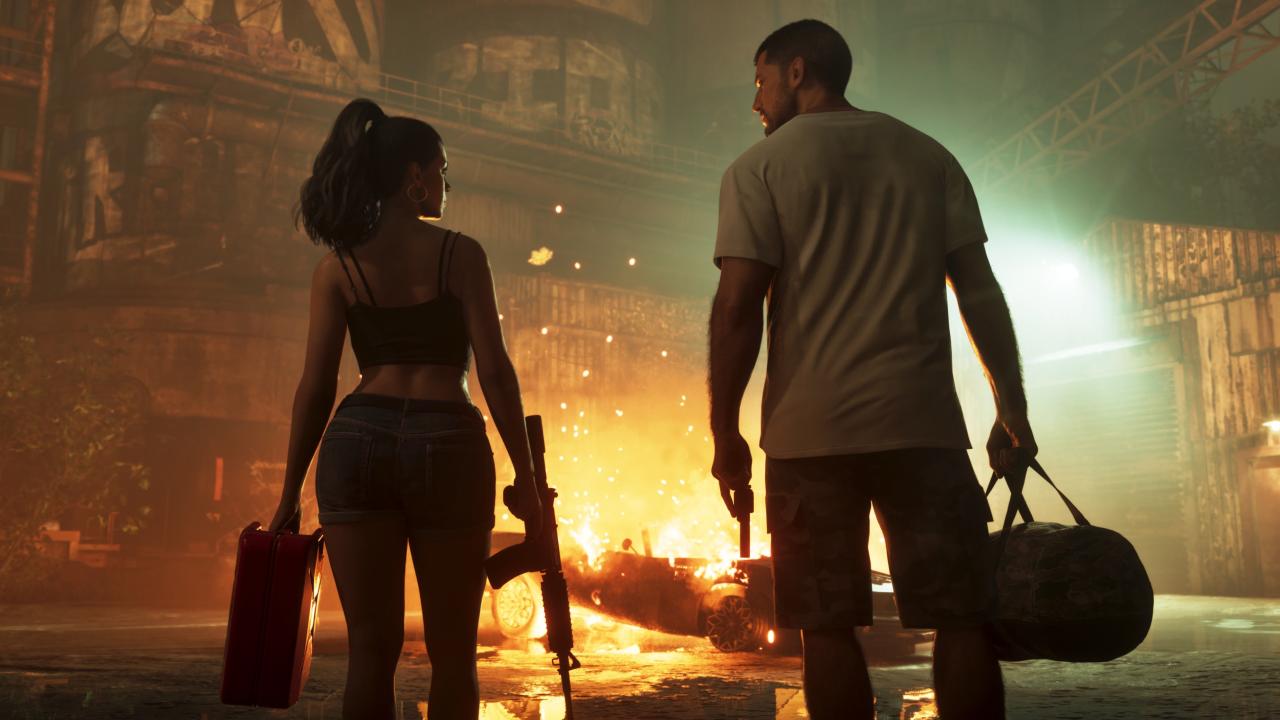
That becomes particularly interesting when you look at the footage shown from GTA 6. The extensive look at the game released through Netflix shows gameplay footage running at 30 FPS. At the same time, Rockstar has remained fairly quiet about exactly how GTA 6 will perform on the PS5 Pro.
Even Sony's "plays best on PS5" marketing hasn't been accompanied by specific performance details. No official confirmation has confirmed whether the Pro will offer a higher frame rate, improved resolution,, or another advantage in GTA 6.
However, there have been claims that Sony engineers have been working with Rockstar for some time. According to information shared earlier this year, Sony engineers being present at Rockstar isn't particularly unusual, as Sony regularly works with studios where it has an established relationship.
More interestingly, there have also been claims that a version of PSSR specifically intended for GTA 6 has been part of that ongoing work.
If that information is accurate, QSSR adds another layer. Sony is now rolling out a newly engineered version of its upscaling technology that can operate on the standard PS5, just as GTA 6 moves closer to release.
Rumors have already suggested that performance improvements for GTA 6 on both the PS5 and PS5 Pro could arrive through an update closer to launch. QSSR could potentially be part of the groundwork for that kind of update, although there is currently no official confirmation connecting the two.
The standard PS5 is expected to represent the largest portion of GTA 6's PlayStation audience, so Sony and Rockstar should pay close attention to how the game performs on that hardware. Sony has repeatedly marketed the PS5 as the place to play its biggest games, and ensuring that the standard console continues to provide a strong experience is becoming increasingly important.
That doesn't mean QSSR guarantees GTA 6 will run at 60 FPS on the base PS5. It doesn't even guarantee that the PS5 Pro will deliver a locked 60 FPS experience. The technology isn't designed to solve CPU limitations, and plenty of unknowns still surround Rockstar's game.
What QSSR does suggest is that PlayStation is continuing to invest in extracting more from the existing PS5 hardware.
That could become especially important as the generation continues. The PS5 Pro is certainly more capable than the standard PS5, but its price has made it a difficult upgrade for many players. For people who stayed with the original console, the assumption has generally been that they'd have to accept worse performance or reduced image quality for the remaining three or four years of the generation. QSSR changes that equation somewhat.
Sony has found a way to narrow the gap between the two consoles through software rather than simply requiring players to purchase new hardware. If the technology continues to improve, the standard PS5 could receive better image quality and more stable performance without players having to spend anything beyond what they already paid for the console.
In that sense, QSSR could become one of the most significant free upgrades the PS5 has received during this generation.
Sony may also want to extend the life of the current hardware. The PlayStation 5 generation may need to last longer than previous generations, particularly if the transition to PS6 doesn't happen according to the timelines some players expect.
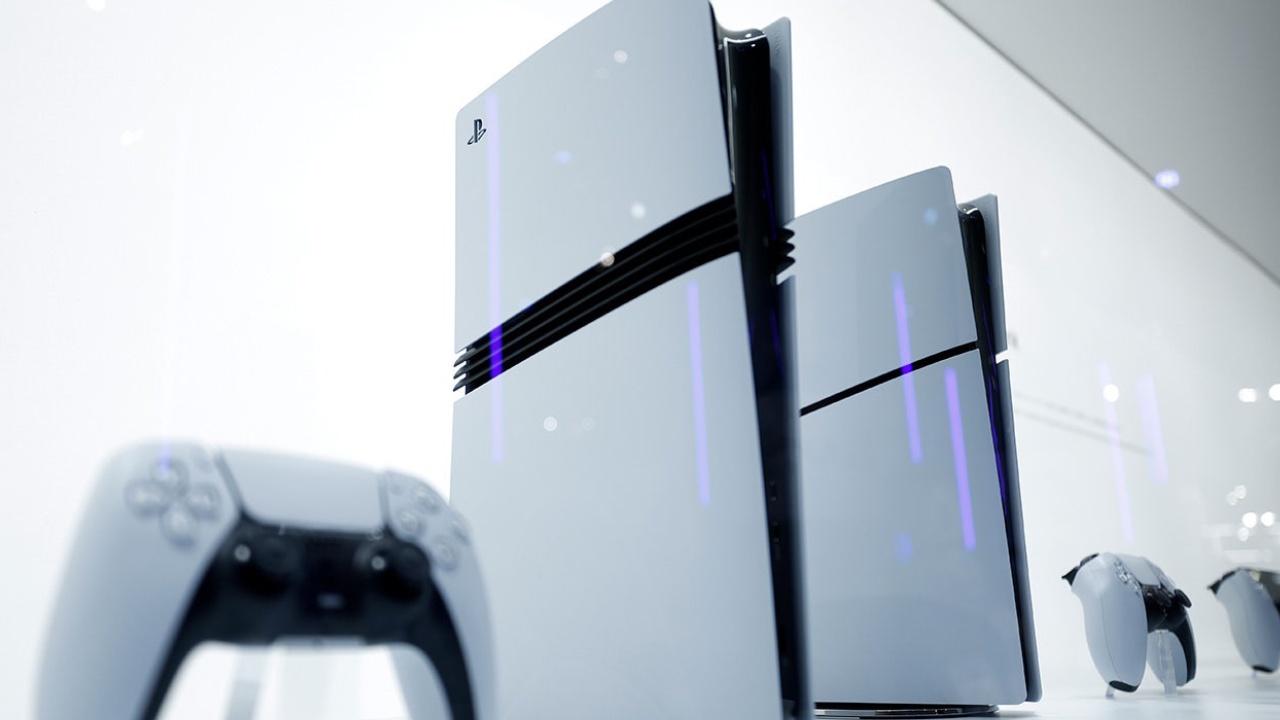
The future of PlayStation hardware remains uncertain, and Sony has little reason to rush players away from a platform with such a large installed base. Keeping the standard PS5 capable of handling demanding games is therefore useful regardless of whether QSSR was created specifically with GTA 6 in mind.
GTA 6 could still matter.
The timing is certainly interesting, especially since the game is expected to be one of the most technically demanding releases of the generation. If Sony and Rockstar are already working together on ways to improve performance and image quality, a software-based version of PSSR that can run on the base PS5 would give them another tool.
For now, the most reasonable way to look at QSSR is as part of a broader effort to extend what the PS5 can do. It improves the way images are reconstructed rather than magically adding more processing power, but that improvement can have practical benefits for both visual quality and gameplay.
For players who skipped the PS5 Pro, that could be significant. You may not suddenly get all the advantages of Sony's upgraded console, but the gap could become smaller than it was when the Pro first launched.
And with GTA 6 approaching, having a stronger standard PS5 could matter more than ever. Even if QSSR doesn't turn Rockstar's game into a guaranteed 60 FPS experience, it could help Sony squeeze more life out of the hardware millions of players already own.
The PS5 Pro may remain the best option for players who want the highest level of console performance, but QSSR suggests the standard PS5 isn't being left behind just yet. Sony appears to be preparing the current generation to go further, and GTA 6 may be one of the biggest reasons that extra headroom is becoming so important.
Senior Editor, NoobFeed
Related News
No Data.