
Valve Delays Pricing Reveal for Steam Machine Amid Hardware Shortages
Memory and storage supply issues complicate launch plans for Valve’s living-room gaming hardware ecosystem.
News by Wasbir Sadat on Feb 05, 2026
In a new update, Valve talks about its future hardware, which includes the Steam Machine, the Steam Frame VR headset, and a redesigned Steam controller. The company still wants to release these devices in the first half of 2026, but important details like price and exact start dates are still unknown because of the ongoing shortage of parts in the tech industry.
The update comes as Valve tries to make its roadmap clearer after the original statement in November. At that time, the business expected to have a firm price and launch details by the beginning of 2026. But the global memory and storage markets are changing so quickly that Valve has had to change its plans.
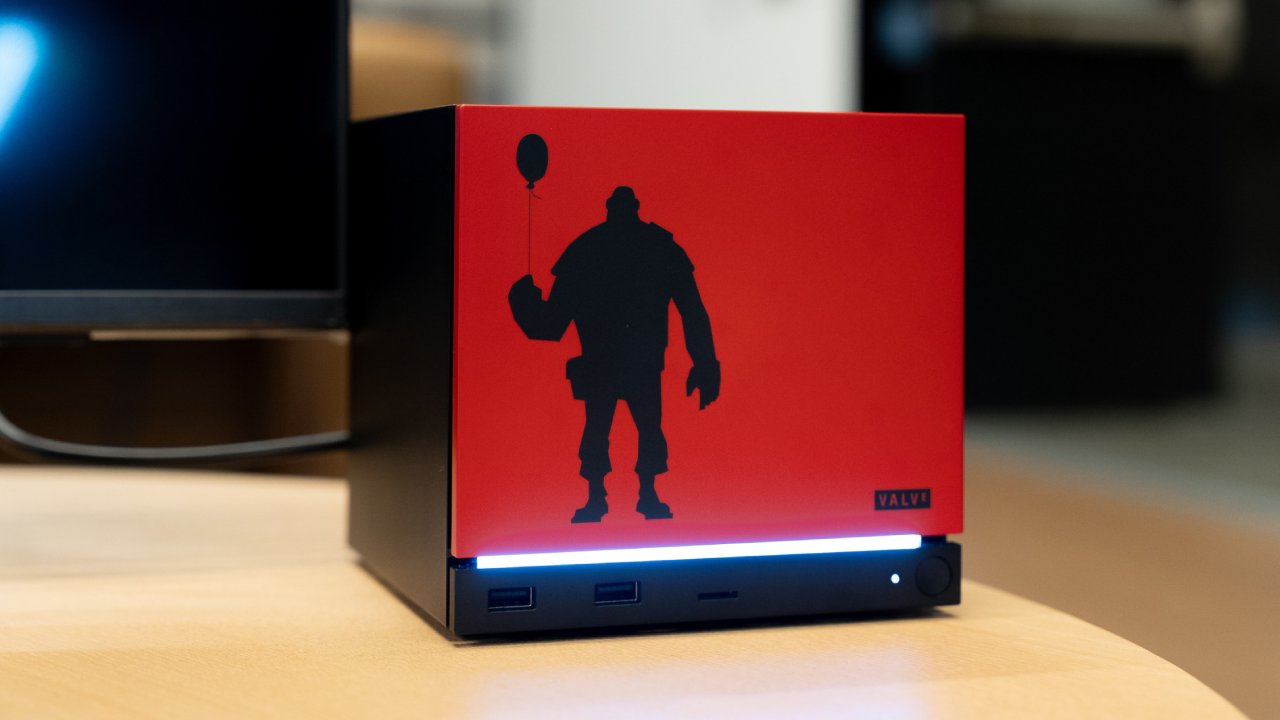
Valve says that the main reason for the delay in confirming final details is that DRAM and storage components are becoming harder to find and more expensive. These parts are necessary for systems like the Steam Machine, which aims to provide PC-level game performance in a small form factor made for use in the living room.
The company stressed that its general launch window has not changed, but it needs to carefully finalize its pricing and production plans to avoid sudden price hikes after the product comes out. Valve said it would let people know about any changes once it is sure of the production schedule and costs.
The Steam Machine is being marketed as a bridge between standard game consoles and high-end PCs. It makes playing PC games on big screens easier by removing the need for a full desktop setup.
Supply limits change Valve's hardware strategy.
Valve's answer brings up a bigger problem that affects the whole tech industry. Consumer electronics and data center hardware have already been affected by DRAM shortages and rising storage costs, which have made companies rethink their pricing strategies and production plans.
One thing that worries Valve is keeping prices the same after the game comes out. If the prices of parts keep going up and down, putting the device on the market too soon could cause prices to go up later, which the company seems very eager to avoid. Valve seems more interested in keeping the price stable from the start, even if that means not making any comments right away.
There was talk in the industry before that the Steam Machine might cost between $500 and $600 when it comes out. But because of tight supplies right now, people are expecting a higher price, maybe even closer to $700, based on how much the parts cost at launch. Valve reaffirmed its promise to deliver all three hardware products within the original timeframe, even with these problems.
Questions about performance arise regarding Steam Machine capabilities.
Valve's Frequently Asked Questions (FAQ) also talked about how fast the Steam Machine should be able to run games at 4K resolution and 60 frames per second. The company made it clear that FidelityFX Super Resolution (FSR) upscaling can help many Steam games meet this standard, but performance will vary from game to game.
To keep performance stable, some games may need more upscaling or lower internal resolutions. Valve said that technologies like HDMI variable refresh rate (VRR), better upscaling methods, and driver-level ray-tracing changes are still being worked on to make things run better. PC gamers are talking about whether the system's hardware, which includes a GPU with 8GB of VRAM, will be able to handle long-term performance.
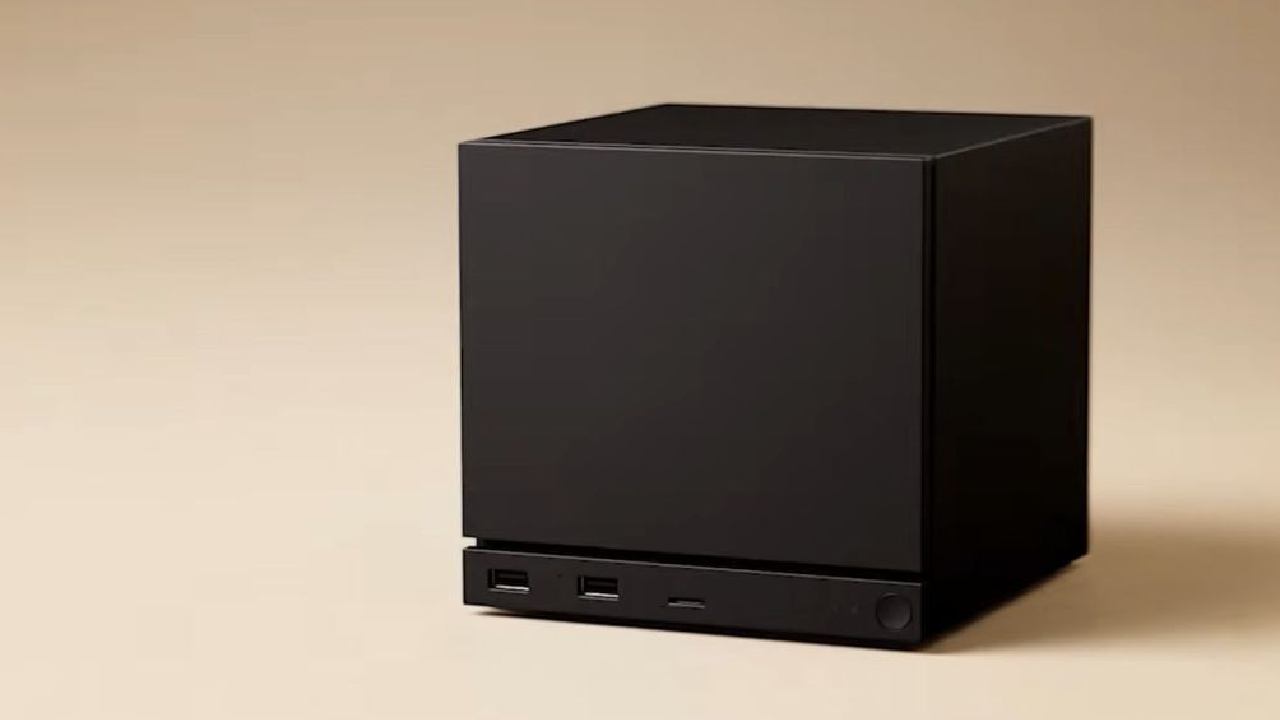
Valve is relying a lot on software optimization and developer help to make sure that games work well on a variety of hardware. In the gaming industry as a whole, optimization is becoming more important as hardware costs rise and developers try to keep mid-range systems running for longer. This method is similar to those trends.
FAQ highlights customization and upgradability.
Valve confirmed that the Steam Machine will have a number of customization and upgrade choices in addition to its performance. The company will create CAD files for removable front faceplates. This will let hobbyists and other makers make their own custom panels. Valve hinted that features like small front-panel screens have already been tested internally, which means the Steam Machine could become a place where people can make creative changes to the hardware.
The device will also have parts that can be changed by the user, such as NVMe SSD storage and DDR5 memory units. It's likely that the base setup will come with 16GB of RAM, but users will be able to add more memory or storage space as needed. This makes the system even more of a hybrid, since it can be used as both a game console and a small PC.
Valve also talked briefly about the new Steam Controller and confirmed that it will work with games that aren't on Steam but do support the Steam overlay.
But supply-chain problems don't affect the keyboard as much as they do the Steam Machine and Steam Frame. Valve is still working to improve its hardware plan, and people are still very excited to hear how much the Steam Machine will cost and when it will be available. Supply problems have caused some uncertainty, but the company seems determined to make a PC gaming experience for the living room that is a good mix of speed, customization, and ease of use.
More updates are coming in the next few months, so Valve's hardware ecosystem may only be successful if it can reach customers at a price point that feels competitive in a market for game hardware that is getting more complicated all the time.
Contributor, NoobFeed
Related News
No Data.