
Valve Steam Machine Update Signals Progress Toward Early 2026, Hardware Release
Valve backend updates indicate continued preparation for upcoming Steam hardware launches scheduled for early 2026.
News by Nahe Yan on Jan 27, 2026
Valve is getting closer to launching its next set of hardware, including the Steam Machine, Steam Frame, and a new Steam Controller. This is based on recent improvements to the Steam backend. The improvements were small but obvious, sparking discussions in Steam-focused communities and raising hopes for a launch window in early 2026.
While reviewing updates from Brad Lynch, a well-known source for Steam hardware news, it became clear that Valve changed a few internal URLs for new hardware. Links that used to go to specific hardware pages now go to the main Steam Store. New links, on the other hand, go to a cleaner structure under Steam's hardware section. This caused a lot of anger in the Steam Machine and Steam Deck groups, especially since the modifications occurred on a Tuesday, a day when Valve often makes announcements.
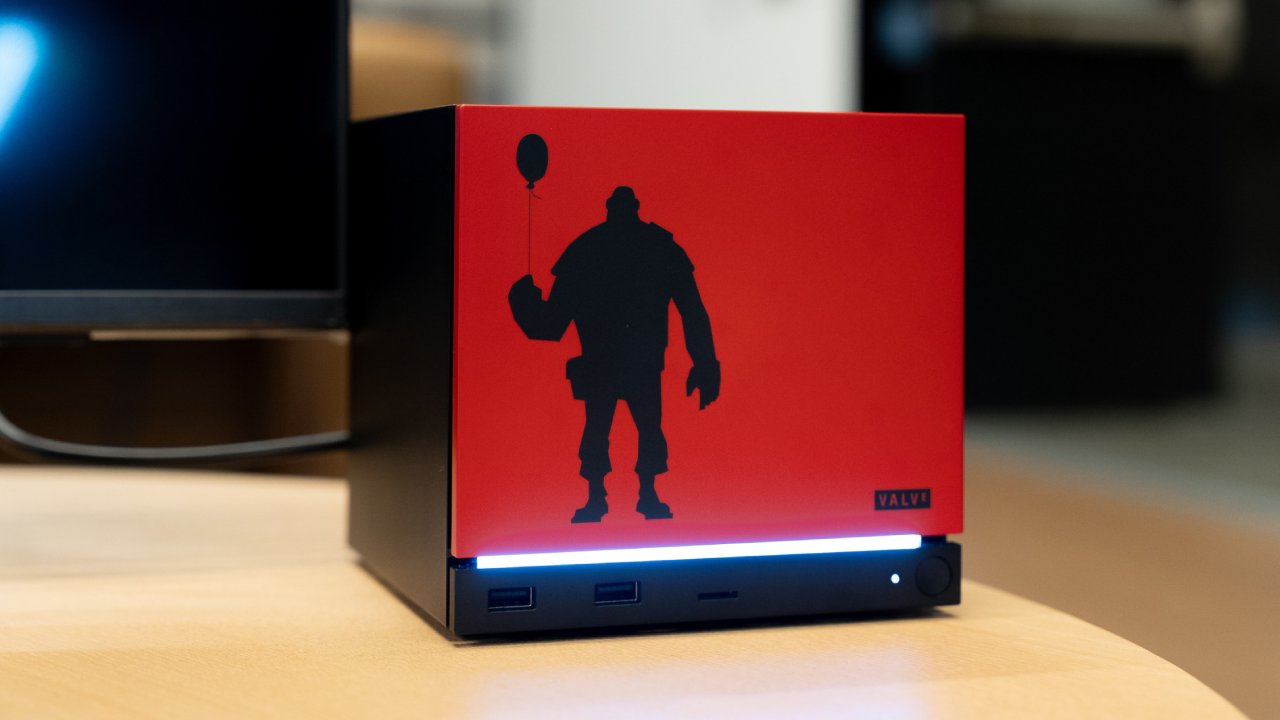
There was no official launch after the update, but ongoing backend development suggests things are still moving forward.
Valve is sticking to its original goals, even as shortages of RAM, SSDs, and GPUs persist.
Early 2026 really means the first third of the year. A release that happens between now and the end of March meets that description. People are still very confident that Valve will stay within that time frame, especially since most of the hardware development likely ended long before the public announcement.
Valve has made the Steam Machine, Steam Frame, and Steam Controller all work together as a single piece of hardware. That method helped get people interested, even though outside variables messed up the timetable. The plan is still good, and it's fair to presume that most of the hardware has already been manufactured and is only awaiting the final software installation.
People still expect prices to be between $600 and $650. Valve had already said it wouldn't subsidize this hardware as much as the Steam Deck. However, that was probably due to regular market conditions rather than high component prices. At this pricing, the Steam Machine would still be competitive, even if other firms raised their prices or canceled their initiatives.
Updates to SteamOS make it even more likely that the hardware launch is coming soon. A lot of the new capabilities work well with living room PCs and setups that rely on displays, which shows that work is going on behind the scenes.
Valve is more sure of itself this time than it was when the Steam Deck first came out. The Steam Deck showed that gear that uses less power and is well-designed may reach a wider audience at a fair price. There are other handhelds out there, but the Steam Deck set a standard for pricing and performance that is still hard to beat.
If performance is the most important thing, solutions like the cheap Z1 Extreme handhelds remain intriguing, especially when used with SteamOS. Those devices are a great deal for anyone eager to try new things and cost about $350.
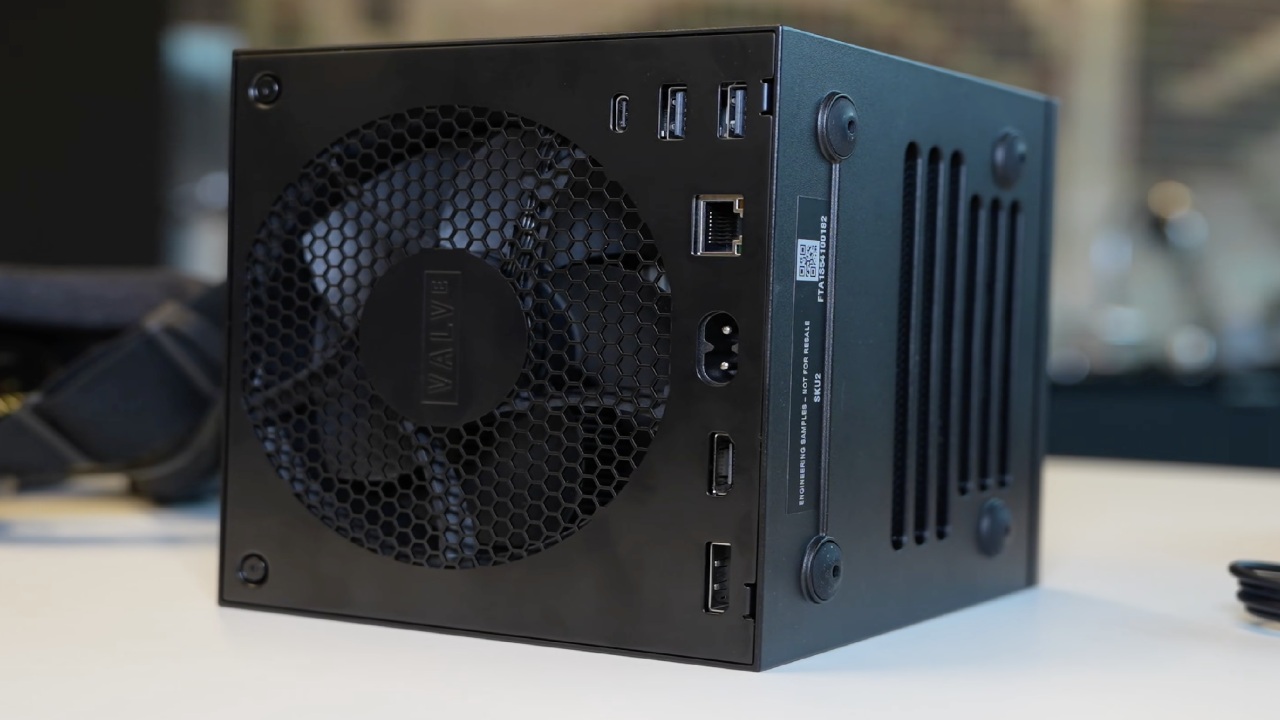
If delays can't be avoided, releasing the Steam Controller before the rest of the system lineup would still make many people happy. Many setups are already waiting for it, and there's strong demand for the controller alone. An early release would keep the goodwill and enthusiasm going without hurting the bigger launch.
Epic Games is still struggling with its growth plan.
It doesn't make its storefront easier to use; instead, it focuses on exclusive deals and constantly gives away free games. These strategies get people to pay attention in the near term, but they don't always lead to long-term involvement.
Blood West was recently free on the Epic Games Store, for example. Sales on Steam went up by 200%, nevertheless. More people could see the game, which brought in additional players. However, many still preferred buying it on Steam rather than playing it for free elsewhere. The result was good for the developer's finances on both platforms.
The main reason Steam is so successful is the quality of its products. Players would be more willing to try other things if Steam stopped working or was hard to use. Epic's popularity is still limited by decisions like removing games from Steam or not supporting Linux for major games. Not being able to play popular multiplayer games on Linux-based devices is still a major source of annoyance.
Editor, NoobFeed
Related News
No Data.