
Year-End Hardware Highlights—Nvidia AI Moves and Rising Silicon Costs
End of year hardware developments reveal growing AI influence, limited consumer access, and increasing control by major silicon players.
News by Nahe Yan on Dec 31, 2025
The yearly disappointment PC build is coming up, and it should be out around January 1. The summary of 2025 had to make many cutbacks because there were so many major disappointments during the year, many of which related to the same topics. With that in mind, let's look at the week's most relevant news, which includes AI, CPUs, GPUs, memory, and the cost of making things.
Nvidia agreed with Groq, which is spelled with a Q and has nothing to do with Elon Musk's xAI. The contract includes licensing and hiring personnel. The deal doesn't buy the company itself, but it does give Nvidia permission to use Groq's inference technology and hire important leaders and engineers. Groq will continue to operate independently with new leadership, and Groq Cloud services will continue.
Nvidia put up about $20 billion from its cash and short-term investments, which were worth almost $61 billion .
The most recent estimate of Groq's value was $6.9 billion, making this Nvidia's largest deal of this kind, even though it wasn't a full acquisition. The deal is clearly not exclusive, meaning other companies may license the same inference technology. However, the part about hiring talent is only for Nvidia.
People have guessed that the acquisition was made for reasons ranging from latency benefits in inference workloads to possible ways to split out products. Nvidia's management said that Groq's low-latency processors will be added to Nvidia's AI factory architecture to make it easier to run inference and real-time applications. From a broader perspective, the purchase appears designed to bring together beneficial technology and knowledge while evading regulatory scrutiny. This makes it harder for potential competitors to enter and strengthens Nvidia's grip on the AI ecosystem.
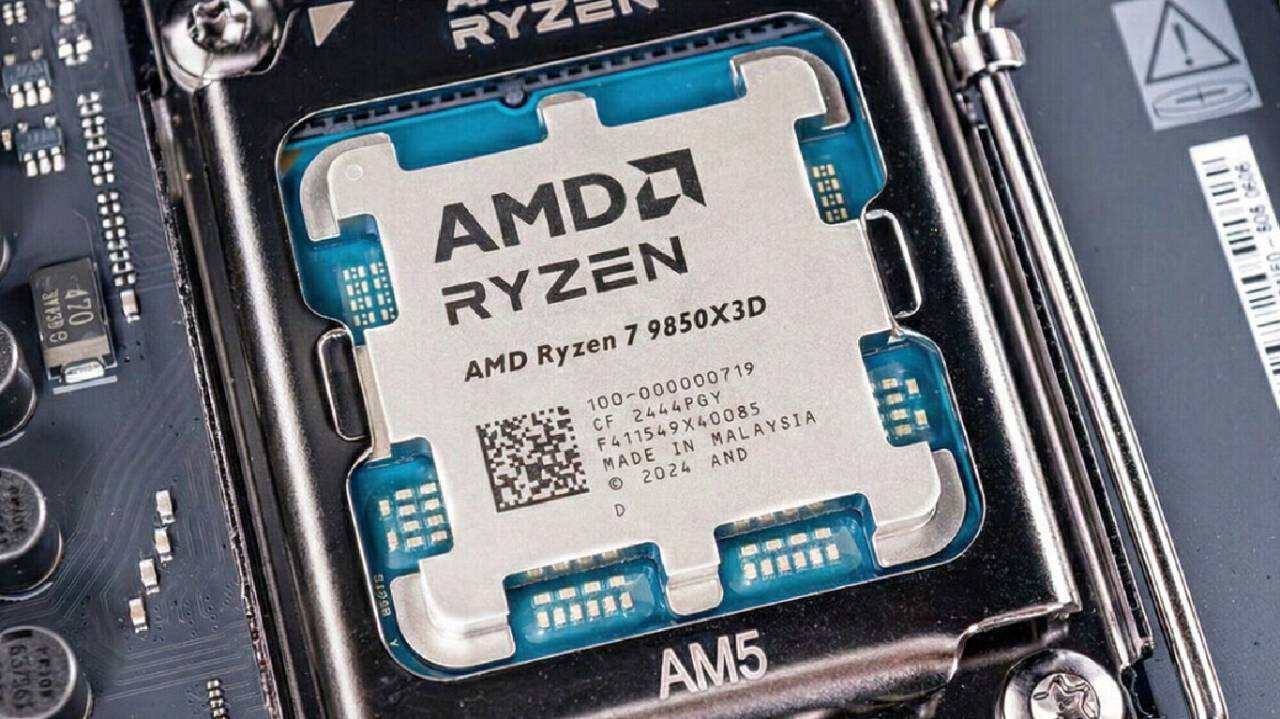
Dell and Alienware accidentally revealed that AMD's forthcoming Ryzen 79850X3D processor is real. This is the second time this has happened. The chip was included as part of system combinations that are slated for early 2026. This backs up what AMD and its retail partners have already leaked.
The listing talks about a Ryzen 7 9850X3D processor with 3DV-Cache technology and calls it a high-end gaming CPU. Earlier sources said the boost clock could reach 5.6GHz, and the base clock could reach 4.7GHz. This is a big jump from the last generation. Earlier ads for retail products listed prices between $550 and $600.
Given the numerous confirmations and the date, a formal announcement is expected shortly, likely at a major industry event. There are still speculations about higher-end dual-cache models, but there isn't as much solid information about them as there is about the 79850X3D.
Reports of blank DDR5 PCBs being sold at low prices, allowing users to solder memory chips themselves, showed that people were experimenting with DDR5 memory at the enthusiast level. By buying memory chips separately and assembling the modules by hand, builders can save a little money compared to buying DDR5 kits from a store. However, the savings are limited because the memory chips themselves are expensive.
A 16GB module assembled this way costs only a little less than the same module sold in stores. People who build systems or are fans of the technique may find it appealing, but it is not seen as a good business idea. The idea is similar to other ways of reusing hardware, such as using chipsets or parts from e-waste to build working systems.
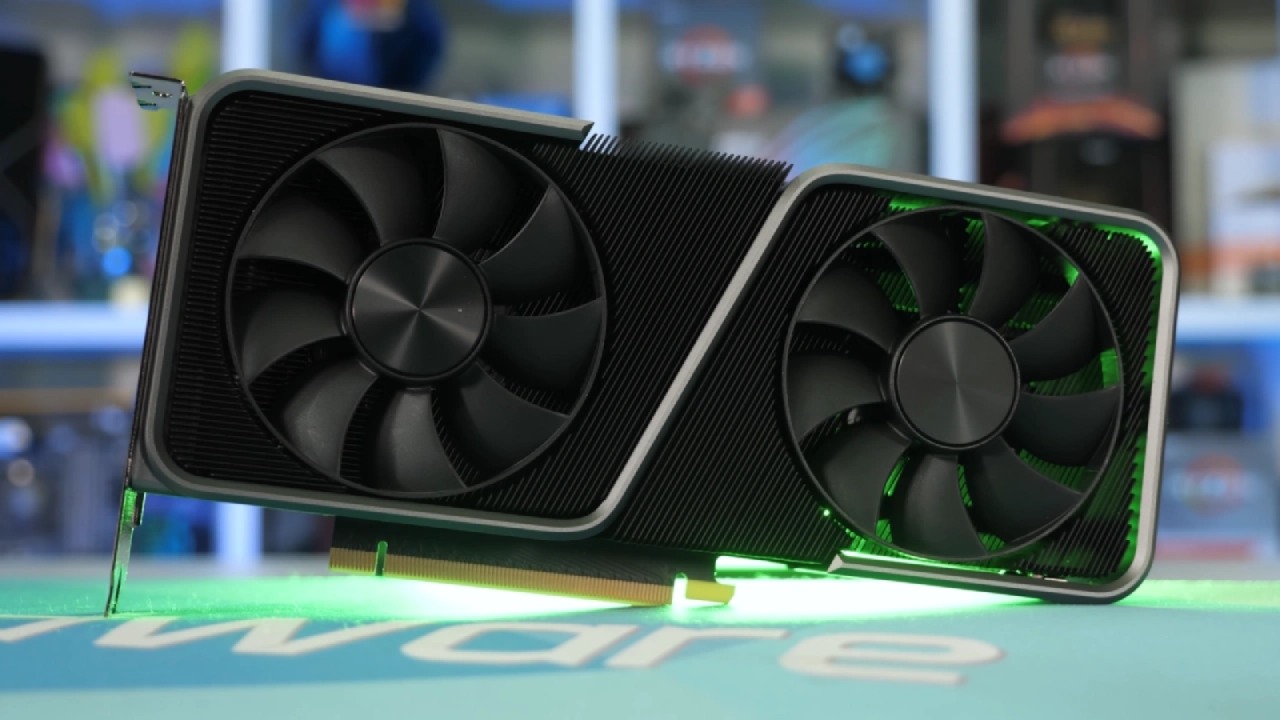
Retailers are starting to limit who can buy GPUs with 16GB or more of VRAM. Some models now have purchase limits, so buyers can only get one card per group. Retailers said they were unsure about future supply and had trouble getting high-memory versions.
The last week of 2025 shows that some issues are still affecting the hardware business.
These include AI consolidation, rising production prices, limited supply, and more pressure on customers. As 2026 begins, these factors show no indications of letting up. This means that there will be more friction between innovation, availability, and cost this year.
The limits apply to both mid-range and high-end GPUs with multiple memory configurations. This shows that there is still pressure on component availability and that higher-memory products are being prioritized for non-consumer industries.
There has been talk of modified RTX 5080 GPUs with 32GB of VRAM. Reports say these cards are made by modifying existing ones rather than being released by the company. Some films show extensive PCB repair and rework, but it's still unclear whether diagnostic tools can corroborate this.
Mods that add more VRAM are not new. Skilled repair shops have already demonstrated they can increase the VRAM capacity of high-end GPUs by swapping memory chips and updating firmware. Certain older GPUs were worth more because they could be modded similarly. If 32GB RTX 5080 cards become more prevalent, the prices of ordinary models could change.
Editor, NoobFeed
Related News
No Data.