
Call of Duty: Modern Warfare 4 Review
PlayStation 5 Pro
Infinity Ward brings the rebooted Modern Warfare story to a satisfying close while making DMZ the game's standout mode, backed by familiar yet refined multiplayer action.
Reviewed by Mahi Araf on Oct 23, 2026
In 2019, Infinity Ward rebooted Call of Duty's Modern Warfare series with a gritty campaign that reintroduced Captain Price and brought together the iconic Task Force 141. The reboot gave the series a strong start, but its follow-ups struggled to keep the momentum going.
Modern Warfare 3 was a letdown. The story was weak, and the open-world missions often felt like chores. Finally, Infinity Ward gets things back on track with Modern Warfare 4, delivering a satisfying campaign conclusion, improved DMZ, and multiplayer that brings the usual Modern Warfare action with a few welcome changes.
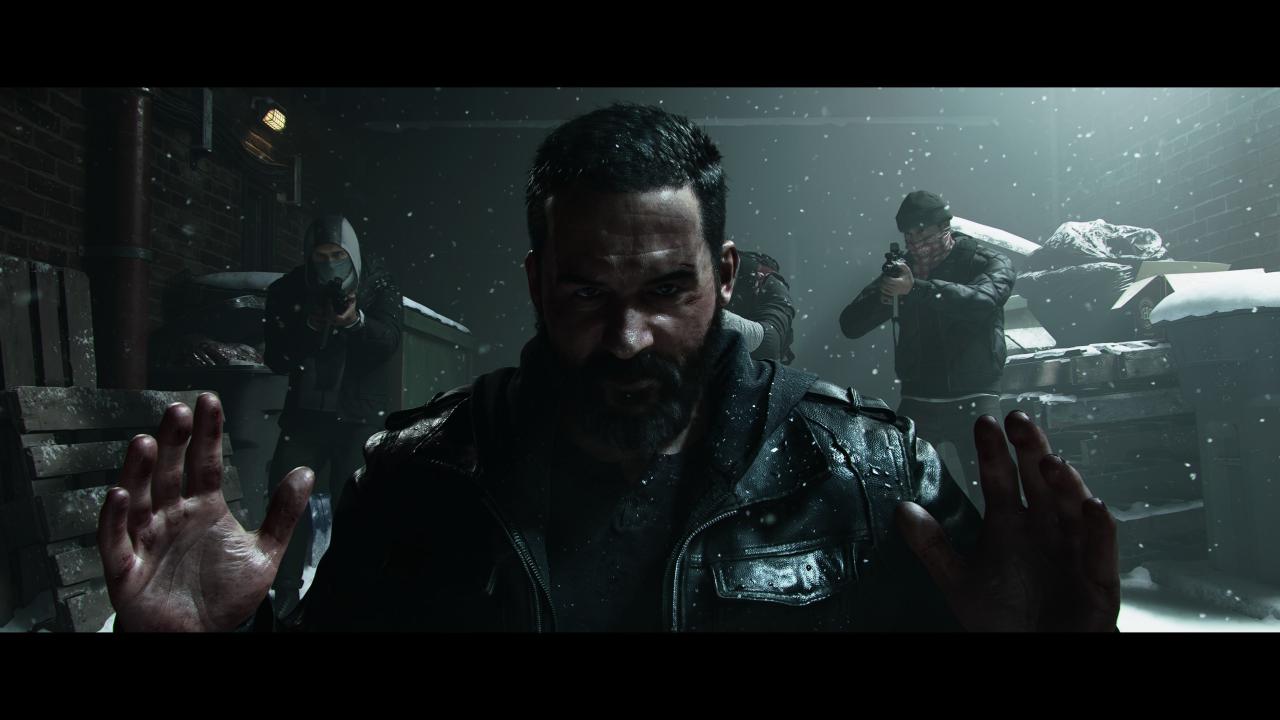
Modern Warfare 4 works because it doesn't try to reinvent every part of Call of Duty.
The campaign returns to a mostly linear structure, multiplayer moves away from the more extreme movement mechanics of recent Black Ops games, and DMZ receives the biggest collection of new features. While not every decision lands perfectly, the three major modes complement one another well. The campaign brings the emotional stakes, DMZ provides a rewarding extraction experience, and multiplayer delivers the fast-paced gunfights that keep you coming back.
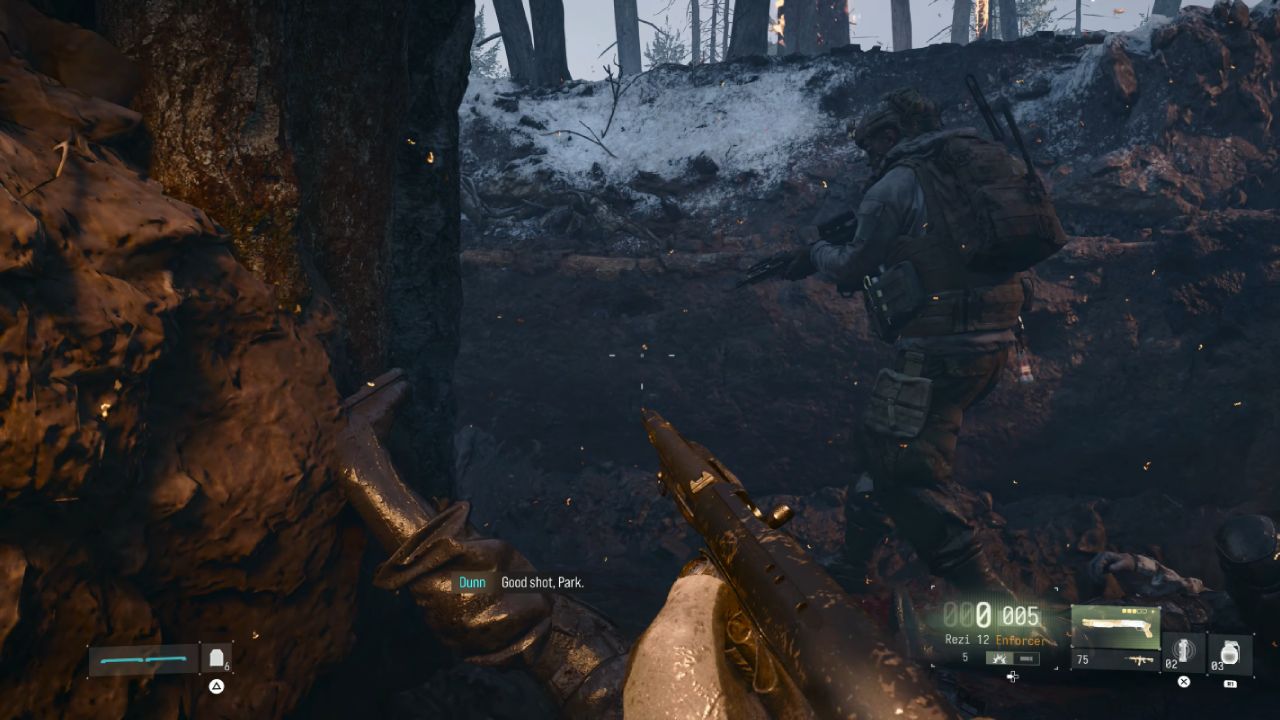
The campaign follows two connected storylines that eventually converge during a conflict between North and South Korea. One side puts you in the boots of Private Park, a young South Korean soldier who has never seen real combat. When North Korea invades, Park and his squad must fight to protect their country. He didn't choose military service, and he initially struggles with the idea of being a soldier. But when the war comes to his door, he has to overcome his fear and make tough decisions to protect those around him.
The other storyline continues the events of Modern Warfare 3, particularly the aftermath of John "Soap" MacTavish's death. Captain Price is in a much darker place, abandoning his usual rules as he hunts Makarov and tries to deal with the villain's associates.
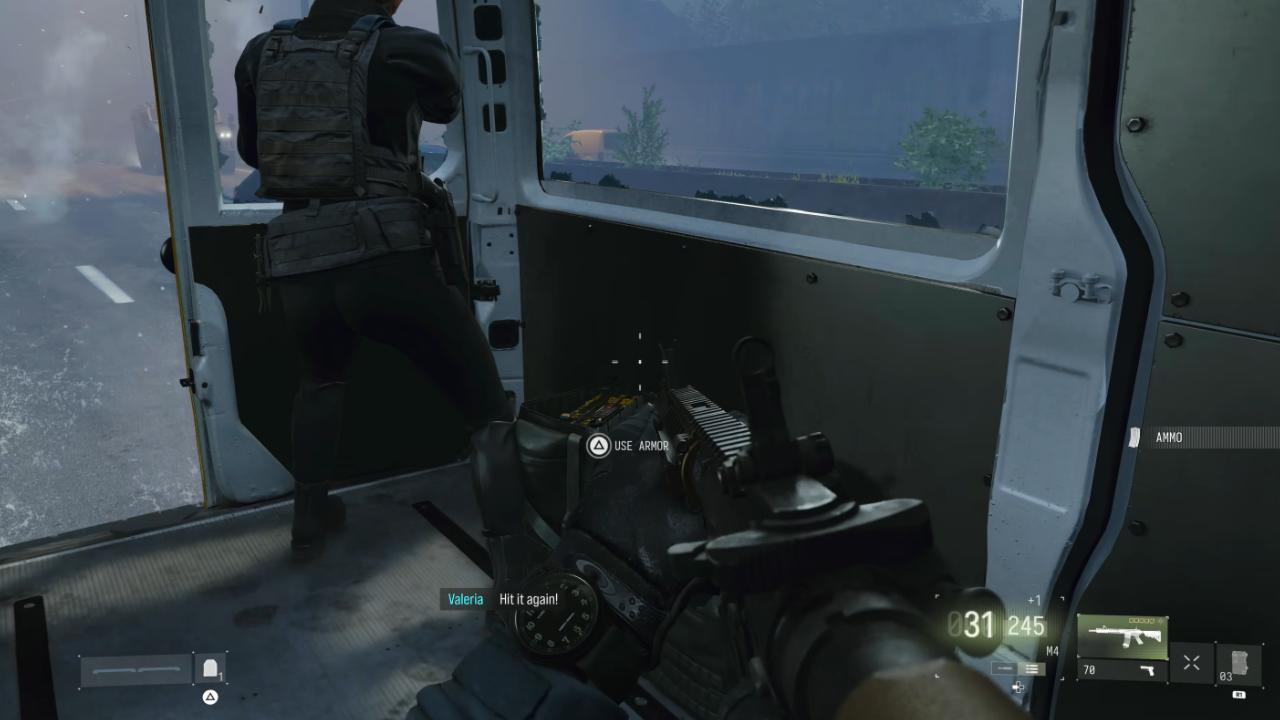
His search eventually leads him to work with Valeria Garza and her cartel, whose methods clash with his own sense of duty.
Price is still willing to get his hands dirty, but he hasn't completely abandoned his principles. He wants to minimize civilian casualties. Valeria cares far less about collateral damage. Their partnership leads to chaotic encounters in places like Paris, with Valeria often ridiculing Price for trying to maintain moral boundaries.
Their differences become a key part of the narrative, especially when Valeria reminds him that, for everything he's done, he's still a good guy. Coming from a notorious cartel leader trying to make a killing on a dangerous weapons deal, her judgment is far from simple.
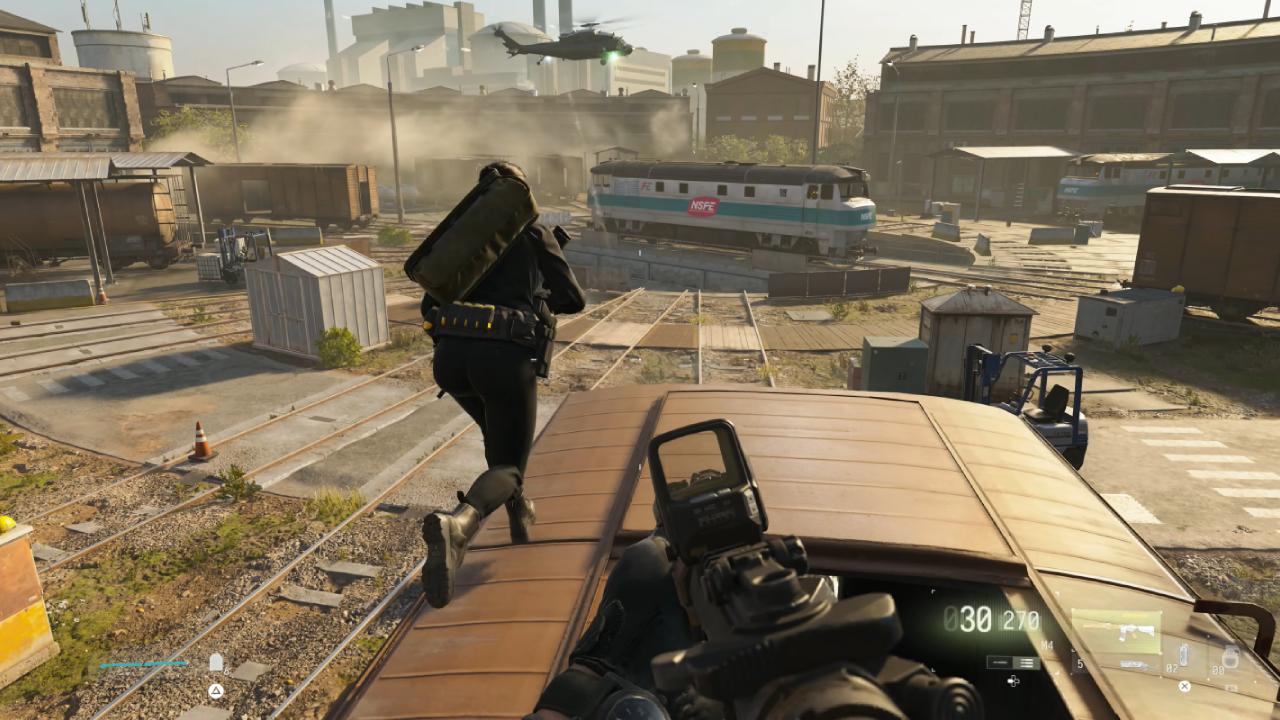
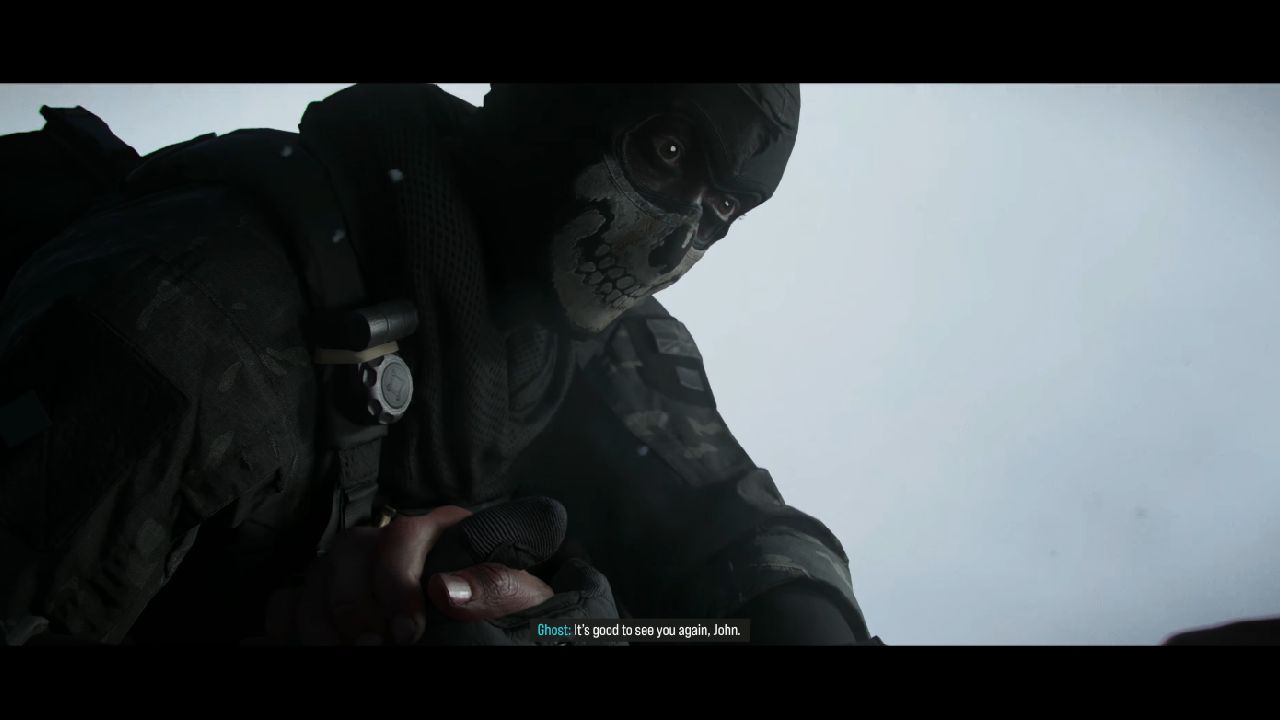
It gets even more complicated when Price's ex-teammates Simon "Ghost" Riley and Kyle "Gaz" Garrick are ordered to capture or kill him. This leads to "Gone Dark", a mission where you switch to Gaz's perspective as he hunts Price through a dark hotel. Gaz had been his mentor and moral compass, so seeing him become the person Gaz has to stop gives the encounter real emotional weight.
The confrontation makes good use of Task Force 141's history.
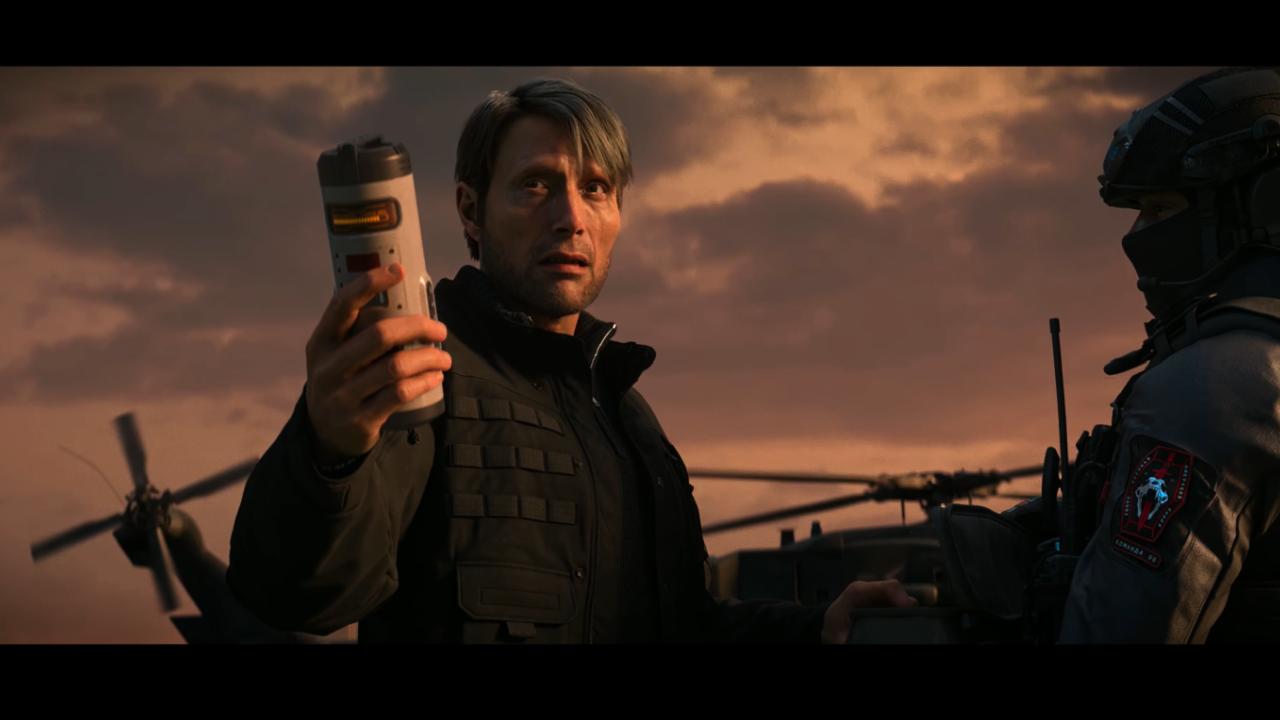
Price begs Ghost and Gaz to stand down, but his increasingly desperate actions reveal how far he's fallen. It's a moment that shows the damage his obsession with revenge has done when he says he doesn't want to kill them while implying he might. Later events build on this conflict, and the rebooted storyline comes full circle in an earned way.
Although the campaign switches between characters and moves through its story non-chronologically, the pacing remains strong. The Korean invasion eventually intersects with Price's pursuit of revenge, bringing the South Korean squad and US forces together. Missions take you across New York City, Paris, Mumbai, and several parts of Korea, giving the story plenty of variety without making its different threads difficult to follow.
The missions are familiar Call of Duty territory, but they work because they execute them so well. You move between stealth sections, vehicle chases, slow-motion breach-and-clear sequences, and large firefights. There's even a mission that requires you to use night-vision goggles and clear rooms carefully, with trigger discipline being essential if you want to avoid shooting civilians.
The campaign doesn't need to introduce a completely new formula when its characters and constant sense of urgency already give you a reason to keep moving forward.
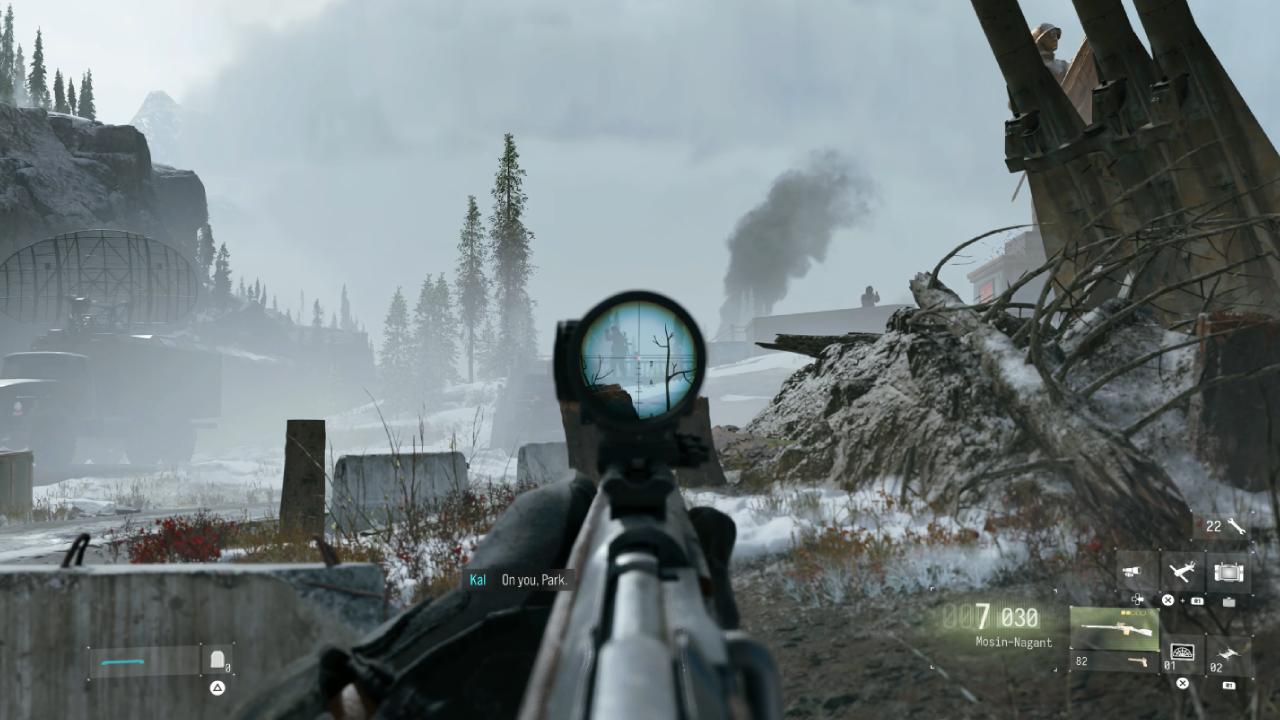
One of its strongest additions is "Stranded," the campaign's only open-world mission. Playing as Park, you're stuck behind enemy lines in a snowy, mountainous area of Korea and must gather supplies for your squad while completing three main objectives. You can tackle those objectives in any order, and the game lets you fast-travel directly to them if you want to skip most of the exploration.
That flexibility is useful, but it also exposes a weakness in the mission design. Exploring the map allows you to collect supplies and solve combination-lock puzzles inside sealed shipping containers. These resources can help you repair suppressed weapons, craft lethal equipment, and prepare mortar strikes.
However, the optional scavenging doesn't always feel necessary. You can collect enough supplies for useful upgrades, such as a suppressed sniper rifle, and then fast-travel through the remaining objectives without suffering much of a disadvantage. The mission offers replayability, but its exploration systems could have influenced how you approach the objectives more.
Modern Warfare 4 also introduces several boss-style encounters in which you fight opponents with your fists or a knife.
Blocking at the right moment lets you parry attacks and counter with your own hits. These encounters aren't particularly complex, but they're a welcome change of pace and add tension when they reflect the characters' conflicting beliefs.
Optional dialogue prompts also return, allowing you to ask questions or make small talk with fellow soldiers. These conversations don't really change the story, but they do give the supporting cast a little more personality, and sometimes they're nice little breaks after an especially intense mission.
The campaign's biggest disappointment comes toward the end, where the final boss battles feel too short and lack the challenge you'd expect from such important encounters. The global conclusion, however, is satisfying. This is the most compelling Modern Warfare campaign since the 2019 reboot, thanks to strong character writing, varied missions, and well-handled pacing.
If the campaign represents a return to form, DMZ is where Infinity Ward makes its most substantial improvements.
Modern Warfare 4 takes the 2022 extraction-mode beta and expands it with a much larger map, more progression, story missions, and a new home base that gives you more reasons to keep playing between matches. The result is a mode that feels considerably more complete than its predecessor.
The new Hajin map is the biggest environment Call of Duty has ever offered, bigger than Warzone's Verdansk and even Black Ops 7's Avalon. It takes place in a fictionalized demilitarized zone between North and South Korea, featuring dense forests, military compounds, underground tunnels, urban areas, and an irradiated nuclear power plant. The variety of locations makes exploration more interesting, and improved NPC behavior and dynamic weather make the world feel less static.
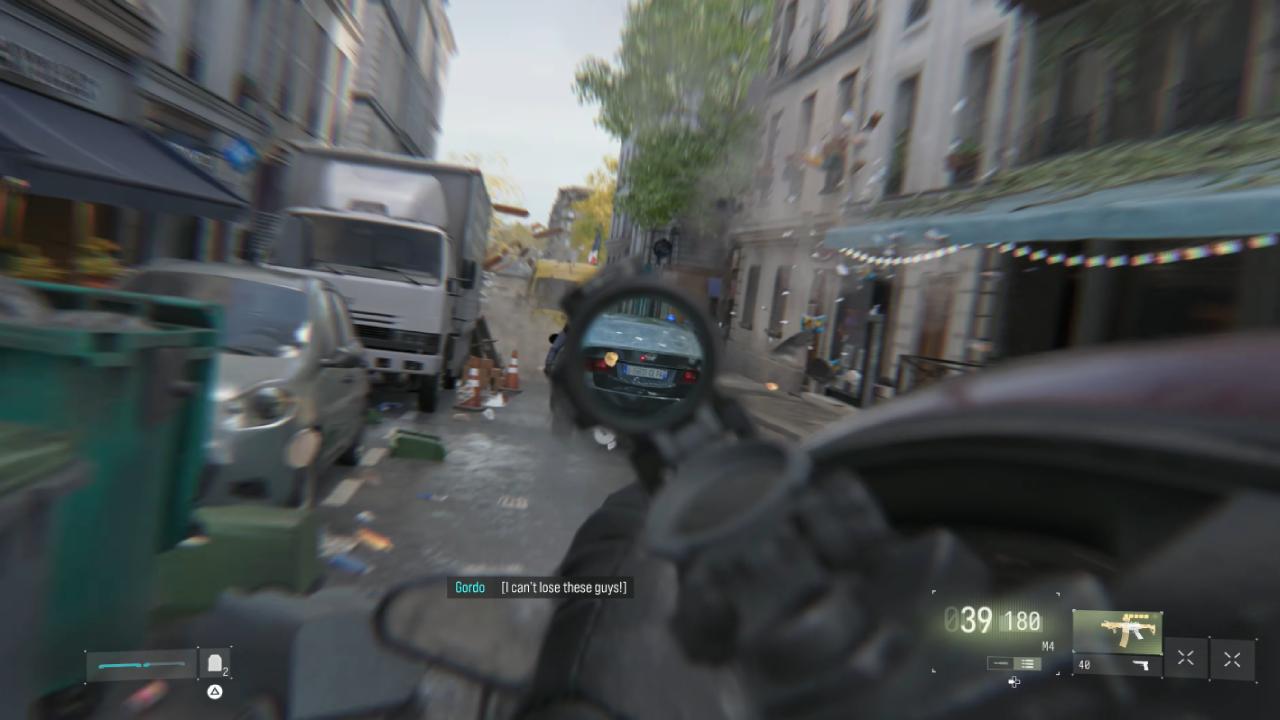
Localized rain and fog can occur during a match, changing how you approach encounters. Fog reduces visibility for you and your nearby enemies. This can make sneaking around easier, but harder to see your surroundings. Some areas have wet ground and water, which can leave slushy footprints and give away your position.
Moving carelessly through these areas can endanger your squad. Seeing fog roll in off the coast and march inland is awesome. It can even have tactical advantages. In one encounter, dense fog allowed a squad to avoid an entire enemy convoy.
Hajin also feels more active because enemies aren't simply standing around waiting for you.
Soldiers may exercise outside military bases, patrol vehicles move across the map, drones scan the skies, and robotic suicide dogs can chase you. A heavily armed tank also patrols the streets as a boss-level threat. The AI isn't necessarily smarter, but varied enemy behavior makes encounters less predictable and gives the environment a stronger sense of life.
Progression is another major improvement. You can enter a match to collect money and resources, hunt other players, complete story missions, or tackle smaller objectives. These activities all contribute to your DMZ player level, and you still earn XP even if you fail to extract. Weapon and player XP also carry over to multiplayer and Warzone, but advancing your dedicated DMZ level requires playing DMZ.
Between matches, you can visit the Forward Operating Base, or FOB, a personal headquarters where you prepare for your next deployment. Instead of forcing everyone to sit through menus while teammates organize their equipment, the FOB lets you move around and interact with different stations.
It also includes a shooting range for target practice, and party members can visit the base belonging to whoever hosts the group.
You can upgrade the FOB to make it more useful, unlocking things like a vendor, bounty board, dog-tag case, and a 3D printer to craft essential equipment. Hajin has no buy stations, so you can't just buy whatever you need once a match starts. Instead, you'll need to scavenge for weapons, equipment, and materials, or gather enough resources to craft what you want.
Weapon customization carries more risk. At level 10, you unlock the Gunsmith station in your FOB, where you can buy and customize basic weapons. As you find manuals, you unlock more weapons. Attachment slots and individual attachments cost extra. Fully customized weapons can be very costly, especially when you risk losing them on your next deployment.
You can always take a free random loadout, but that means going with basic equipment instead of your favorite build. This makes preparation more meaningful because you decide how much of your accumulated money you're willing to risk. DMZ also includes Warfighter, Scout, and Survivalist trait trees.
Operators grow more powerful as they survive and earn upgrades, but dying in Hajin means losing that operator in the zone. Fortunately, you can spend money to send an evacuation team to rescue them, although recovering a highly upgraded operator can be costly.
The downside is that DMZ has a learning curve.
Its menus, mission options, and progression systems can feel overwhelming, and the introductory tutorial explains little beyond following objectives and healing after combat. The mode offers only six main story missions, which feels limited given its size, but the existing missions are enjoyable.
One involves breaking into a casino vault and collecting cash before irradiated gas spreads through the area. Another requires your squad to rescue a handcuffed hostage from a hospital and transport them to an extraction point while enemies try to stop you.
The mode's greatest strength remains its unpredictable encounters. Smaller objectives give plenty of reasons to explore, and every deployment can play out differently depending on what you find and which players you run into. Infinity Ward has also tried to bridge the gap between players who want PvP combat and those who prefer a more relaxed extraction experience.
Killing other operators raises your heat level and places a bounty on your head.
The more players you eliminate, the more valuable your bounty becomes. Bounty boards let you pay to reduce your heat or buy information that reveals other wanted players' locations. This creates an incentive for aggressive players to hunt one another while letting those who avoid killing other operators stay off the radar.
However, there is concern about DMZ's move from a free-to-play mode tied to Warzone to a paid feature included with Modern Warfare 4's $70 price tag. The upgrades add weight to the mode, but the Vault Edition also includes practical perks like an extra operator slot, medium backpacks, armor plate carriers, and other single-use items.
These bonuses aren't game-changers in battle, but the gameplay advantages associated with a premium purchase raise questions about the future of monetization. Cosmetic rewards would be a safer way to provide extra value without risking a pay-to-win environment.
Multiplayer takes a different approach, focusing on refining the familiar Call of Duty formula rather than overhauling it.
After two years of Black Ops games, losing Omni-Movement takes some getting used to. You can no longer sprint, dive, and jump as freely in every direction. Players used to those mechanics may initially try to perform movements that are no longer available.
Once you adjust, though, the more grounded system feels responsive. Mantling and sliding have been improved, letting you transition smoothly from climbing over an object into a slide. A supine slide also allows you to move beneath low obstacles. You can no longer rely on wall jumps to reach elevated positions, but climbing pipes offer another way to access upper levels. It leaves you briefly vulnerable, yet provides a practical way to introduce vertical movement without making every encounter a contest of extreme mobility.
The maps offer a decent range of environments, from smaller urban locations and snowy Korean settings to colorful villages in Mumbai. Larger Ground War maps use sections of Hajin to support infantry battles and vehicle combat. However, the most interesting addition is Killblock, a modular Gunfight map that combines three different sections into a changing layout.
You might find pieces of Shoot House, Storage Town from Verdansk, and Highrise from the original Modern Warfare 2 joined together in unexpected ways.
Killblock keeps matches unpredictable because you can't always anticipate the layout you'll get. It's one of the most promising multiplayer additions, and its dedicated 6v6 and 10v10 playlists make it worth returning to. Expanding the map into other standard modes would make the idea even more useful.
Weapon customization also gets several thoughtful adjustments. The new Gunny assistant suggests loadouts based on your preferred playstyle, helping less experienced players get into matches without spending ages trying to build the perfect weapon. Its recommendations won't always match your preferences, but the feature makes customization easier.
Apex attachments provide another reason to experiment.
Each primary and secondary weapon, excluding launchers, gets a unique attachment that significantly changes how it works without taking up a regular attachment slot. The Odin, for example, can be converted from an automatic assault rifle into a powerful single-fire sniper weapon. Other options are more unconventional, such as the Osiris 8.6 marksman rifle attachment, which lets you throw knives at close range.
Weapon progression is also less tedious. Universal attachments unlock across multiple weapons, reducing the grinding required to access the same equipment repeatedly. It's a practical improvement that makes it easier to build the weapons you want without spending hours leveling every gun separately.
Not every multiplayer decision works. Modern Warfare 4 uses a hybrid killstreak system that awards some points for objective-based actions, but those rewards feel too small to encourage teamwork properly. Players who capture and defend objectives can struggle to earn streaks compared with those who focus on eliminating opponents.
Bringing back the option to choose between killstreaks and scorestreaks would give players more control over how they approach matches.
The new game modes help balance things out. Inflation puts a cash-based spin on Kill Confirmed, with teams collecting money dropped by fallen players. Because anyone can pick up the cash, a team that's leading late in a match can quickly lose its advantage, making the final minute particularly unpredictable.
Collateral adds a more tactical variation on Search and Destroy. Teams alternate between attacking and defending two bomb sites, but custom loadouts, killstreaks, and automatic health regeneration are disabled. Everyone starts with a pistol and earns cash to purchase upgrades between rounds. You lose your loadout when you die, but keep the money you've earned, creating a careful balance between saving for better weapons and buying support equipment for the team.
Across all three modes, Modern Warfare 4 feels like Infinity Ward spent more time refining the experience than adding features for novelty's sake.
The campaign delivers a satisfying conclusion, DMZ turns an interesting concept into a much deeper extraction experience, and multiplayer retains the fast gunplay that makes Call of Duty familiar while reducing some of its more frustrating movement mechanics.
Hajin's graphics are especially impressive; the changing weather and varied environments make the world believable. The fog blowing across the coast is a visual highlight, and the campaign's varied locations help maintain its cinematic presentation.
Sound also serves a practical purpose in gameplay, particularly in DMZ, where wet terrain produces squelching footsteps that can give away your position. The experience doesn't offer a specific judgment on the soundtrack or voice acting, but the character-driven campaign and environmental sound cues add to the overall immersion.
Modern Warfare 4 isn't perfect. Its final boss fights are underwhelming, the open-world campaign mission makes exploration feel too optional, DMZ could use more story missions, and multiplayer's hybrid streak system doesn't adequately reward objective play. The paid structure and Vault Edition advantages also deserve attention as DMZ continues to evolve.
Still, these problems don't outweigh what Infinity Ward gets right.
The campaign is intense and emotional, DMZ offers the biggest gameplay changes, and multiplayer has enough new ideas to keep its familiar formula fresh. Modern Warfare 4 shows that Call of Duty doesn't need to reinvent the wheel every year to deliver a solid package. Sometimes a good story and thoughtful additions make it all feel worth it.
Senior Editor, NoobFeed
Verdict
Call of Duty: Modern Warfare 4 delivers a satisfying campaign ending, a great evolution of DMZ, and fun multiplayer. There are missed opportunities, but it's the best Modern Warfare package in years.
90
Related News
No Data.