
Darkest Dungeon: The Fire's Edge Review
PC
A modest expansion that brings fresh tactical possibilities to Darkest Dungeon without losing its brutal charm.
Reviewed by Azfar Rayan on Aug 19, 2026
The game Darkest Dungeon: The Fire's Edge has a new expansion for the decade-old Darkest Dungeon, adding two characters from the sequel among a host of smaller additions. The DLC doesn't deviate much from the original's established formula, but it adds new combat mechanics and strategic options.
It's a small package, but the Runaway and Duellist give veterans good reasons to return to this brutal world of dark fantasy and psychological horror. The best part about the expansion is that neither character feels like just another addition to the roster.
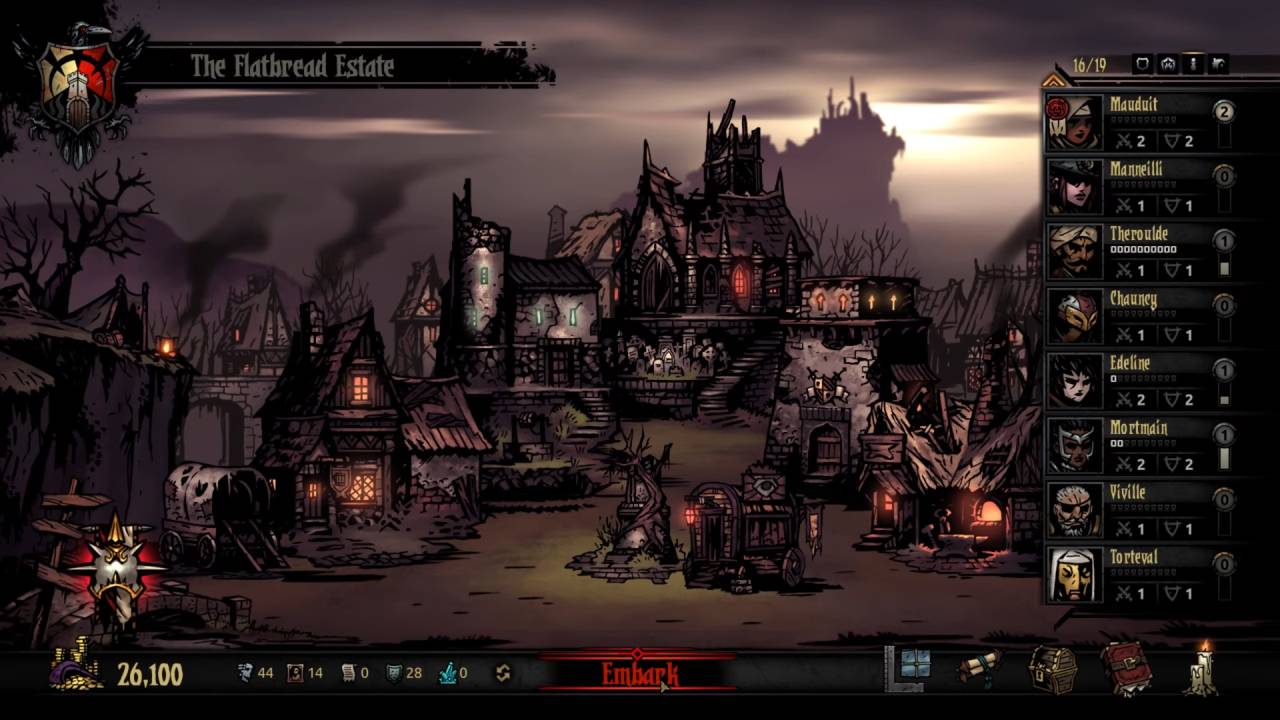
The Runaway introduces the Burn mechanic, and the Duellist is all about switching between aggressive and defensive stances. Both systems work well with the original's turn-based combat and add new tactical elements without changing the core of what makes the game so tough. That balance makes the additions feel more meaningful than the limited number would suggest to veteran players.
The Runaway turns fire into a potent tactical weapon.
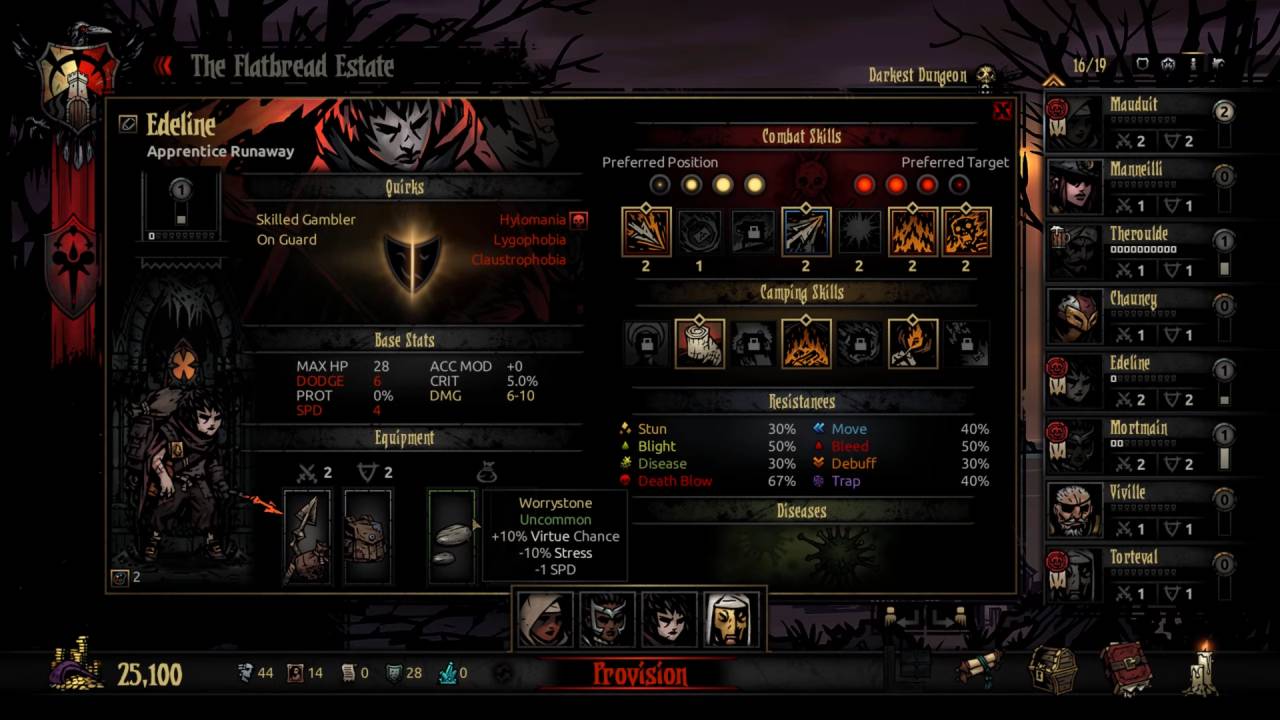
The Runaway is a survivor. Her face is a canvas of her suffering. The original game gets a new Burn mechanic, and she uses fire as her trademark weapon in combat. Burned skin and tattered clothes tell of her grim past. Burn deals damage to enemies over subsequent turns, while certain abilities can spread the flames to additional targets, allowing for devastating combinations.
She does more than just set enemies on fire. The Runaway has many direct attacks, repositioning skills, and a defensive skill that moves her to the back of the formation and activates stealth. Being able to move to different positions like this makes her much more versatile than a character that is stuck in one specific place in the party. Flexibility is extremely useful when battles start to break up your formation.
Burn works better when combined with enemy repositioning.
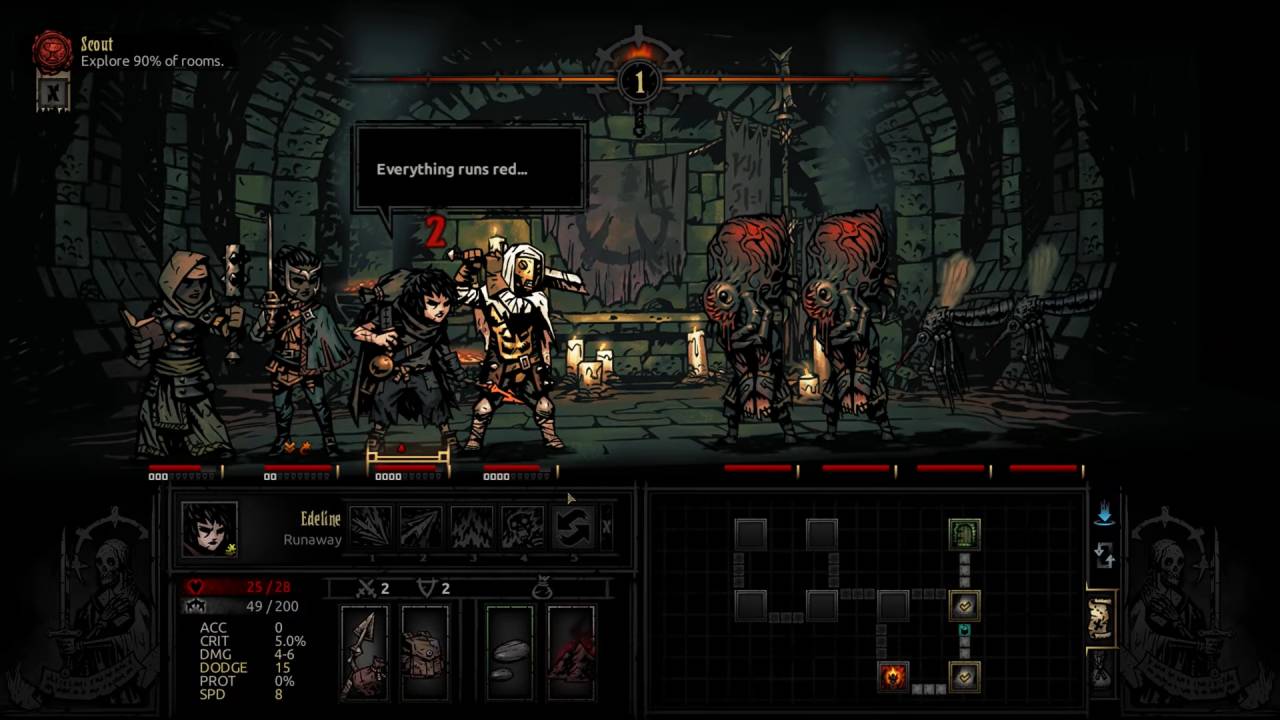
The most interesting thing about the Runaway design is how her fire plays with positioning. Setting one enemy on fire is useful, but the mechanic is much more powerful when combined with abilities that can move opponents around. Pulling enemies into a burning space can spread damage across a few targets, creating situations where careful manipulation can do more than attacking each enemy individually.
The combination makes the Runaway a unique tactical party member. Her flames are highly experimental on the players' part, with some players even making entire strategies based on her flames, especially if other heroes can reposition the enemy formation. It is especially enjoyable to see a powerful group forced into the right position, only to succumb to fire. It also shows how The Fire's Edge adds depth without introducing a whole new combat system.
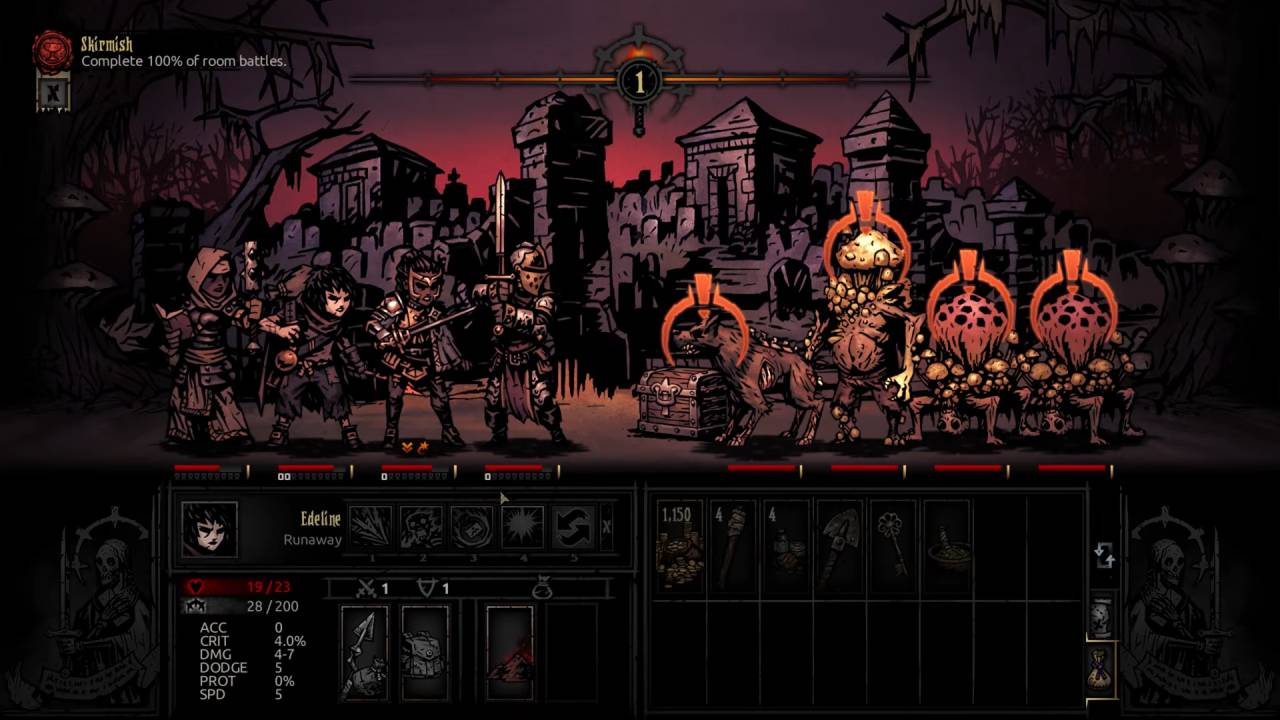
The Duellist is about precision, movement, and timing.
The Duellist takes an almost opposite approach. Rather than inflicting a status effect on the enemy formation, she alternates between aggressive and defensive stances. Each stance changes her available skills, letting her adapt to the battlefield. Play her carefully, and she can dish out heavy damage or protect herself, and the rhythm is flexible in turn-based combat.
But her mobility has a serious downside. Many of her attacks move her around automatically, so an aggressive move can unexpectedly disrupt the party's carefully arranged formation. That makes her difficult to use. Being able to move freely can be very advantageous, but careless decisions can put the Duellist and her allies in bad spots.
Her riposte skills reward players who know when to defend.
The Duelist's riposte skills are a rather interesting defensive posture. Some of her defensive options can also punish enemies for attacking her, rather than just mitigating incoming risk. This creates a special relationship with risk: sometimes it's advantageous to let an enemy target her, as long as she's prepared the proper stance and knows what is likely to happen next.
But her relatively low health and weaker defenses keep this system from getting too easy. Being too aggressive all the time can leave her quickly exposed, and being too defensive can limit her offensive potential. The real challenge is to find the right moment to change stances. This duality makes the Duellist one of the more interesting characters to master among the expansion's additions.
The new heroes beat out the smaller additions.
While the Runaway and Duellist clearly have most of the appeal of the expansion, Darkest Dungeon: The Fire's Edge also includes several smaller additions to round out the package. New trinkets add more equipment options, including unique effects that activate a couple of times or change under certain circumstances. These additions help, but rarely feel as transformative as the two new characters.
The expansion will add three new districts to the Hamlet. Once built, they provide weekly bonuses that can be useful during your campaigns. They fit nicely into the current flow and give players another reason to invest resources into their Hamlet. However, their relatively minor impact means they are unlikely to change the way most experienced players approach the game.
The new trinkets add some nice variety to the familiar strategies.
At their best, trinket additions make players rethink an established build. There are interesting possibilities with effects that trigger in certain conditions or that change during a run, especially for players who like to maximize their parties with strange combinations. They don't completely overhaul the game's equipment system, but they add another level of choice to an already demanding single-player experience.
That said, the modest scale of these additions becomes more and more apparent when compared with everything Darkest Dungeon has accumulated over the years. The original game already has a tonne of content, previous expansions, updates, and community-created content. Against this backdrop, the new trinkets and districts can sometimes feel like supplementary extras rather than essential additions.
The expansion's greatest strength is how naturally its characters fit the original.
It would have been easy to think of characters coming from Darkest Dungeon II into the first game as a simple crossover created to cash in on the sequel. Both the Runaway and the Duellist, however, were adapted around mechanics that make sense within the original's turn-based combat. It's not only about giving players two new and powerful characters, but about integrating their powers into the game's emphasis on positioning, formations, and difficult decisions.
The Burn mechanics for the Runaway and the Duelist's stance system also provide contrasting approaches to combat. One lets players manipulate enemies and spread out the damage; the other calls for careful consideration of positioning and defensive timing. This diversity matters because it means the expansion isn't just more of the same. It gives veterans some real new perspectives on shared experiences.
The original is so difficult that experimenting with it is particularly rewarding.
Neither character fully eliminates the game's notoriously difficult nature. The Runaway is versatile and can be dangerous if her fire skills are used well, but her effectiveness depends on how well the rest of the party supports her positioning strategies.
The Duellist can also deal significant damage and make good use of ripostes, but if she is poorly positioned, her mobility can be a liability. Learning both characters feels challenging in the right way.
Darkest Dungeon has always been about knowing your tools and accepting that mistakes can have serious consequences, and these additions are true to that philosophy. It's not like you're handed two overpowered heroes and told to enjoy the easier ride. Instead, The Fire's Edge asks you to learn their strengths, weaknesses, and interactions before they can even actually become effective.
The expansion feels more like a finishing touch than a major overhaul.
The biggest criticism of Fire's Edge is its size. Given how long the original has gone without new downloadable content, it's easy to expect something more substantial. Instead, the package is fairly focused. The two characters do most of the heavy lifting, with the extra trinkets and districts providing smaller supporting features.
That doesn't make the DLC disappointing, but it does make its value dependent on what you already want from Darkest Dungeon. The additions may not be enough to breathe new life into the experience for the players who have played through the original game. But for anyone who wants more reasons to return to its gothic world, the new heroes provide just that without upsetting the formula that made the game last.
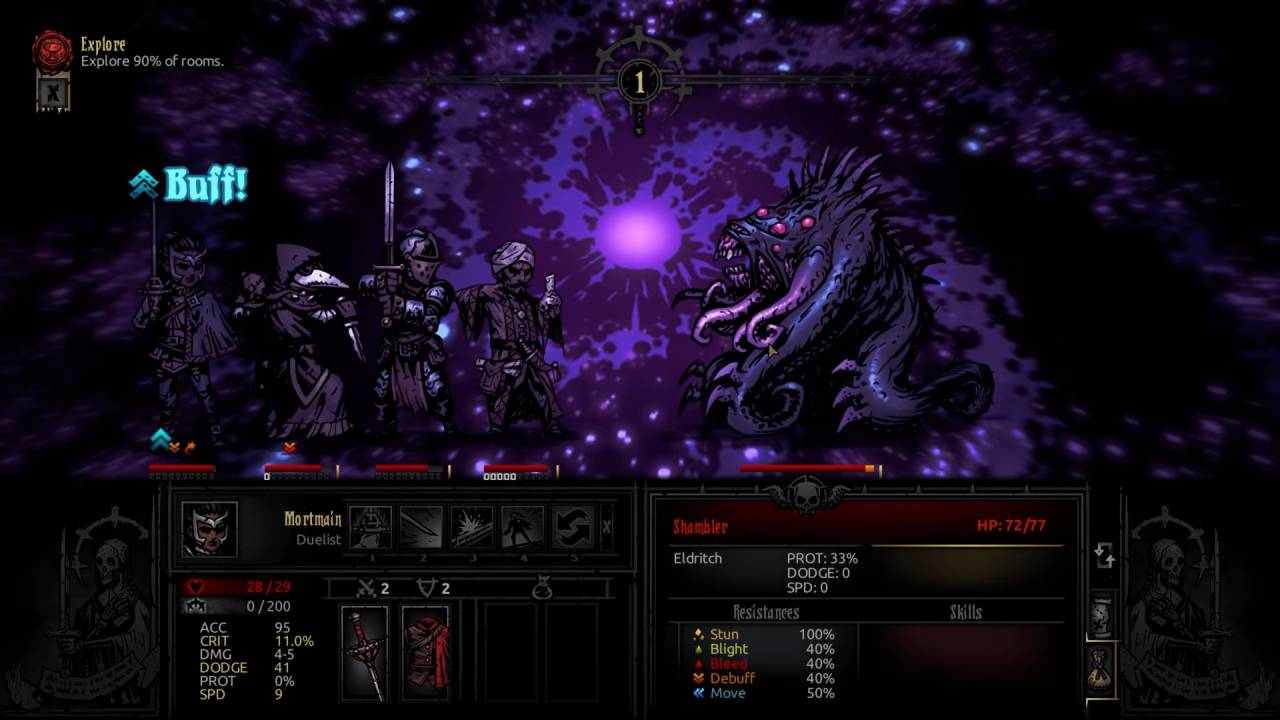
It's the same old stifling atmosphere.
Though the expansion is focused on the combat, The Fire's Edge never loses sight of what makes Darkest Dungeon so memorable. Its gothic presentation, Lovecraftian horrors, and psychological horror are still right there, every expedition still feeling like a slow descent into something deeply unpleasant.
Runaway and Duellist don't make that atmosphere any less harsh; they offer more ways to survive it. That consistency is important because Darkest Dungeon has always been as much about tension as it is about fighting. Every expedition is a dangerous affair with stress, imperfect decisions, and the ever-present possibility of losing a valuable hero.
The Fire's Edge understands that the original's challenge is part of its identity, so rather than easing the experience, it adds more tools for players willing to master them.
New heroes mean old battles are worth fighting again.
The Runaway and Duellist feel like meaningful additions rather than disposable extras, and that's what ultimately makes The Fire's Edge work. Their different mechanics fit naturally into the game's single-player turn-based combat, rewarding players who get positioning, timing, and risk right. Neither character revolutionizes Darkest Dungeon, but both bring enough new possibilities to make familiar encounters feel a little different again.
The expansion is a great addition for newcomers to an already daunting dark fantasy roguelike, while veterans will get the most bang for their buck trying out the new strategies. The smaller trinkets and districts are less memorable, but they don't clutter the experience and complement the two heroes. And a decade on, it's better to maintain that restraint than to change the formula because it's new.
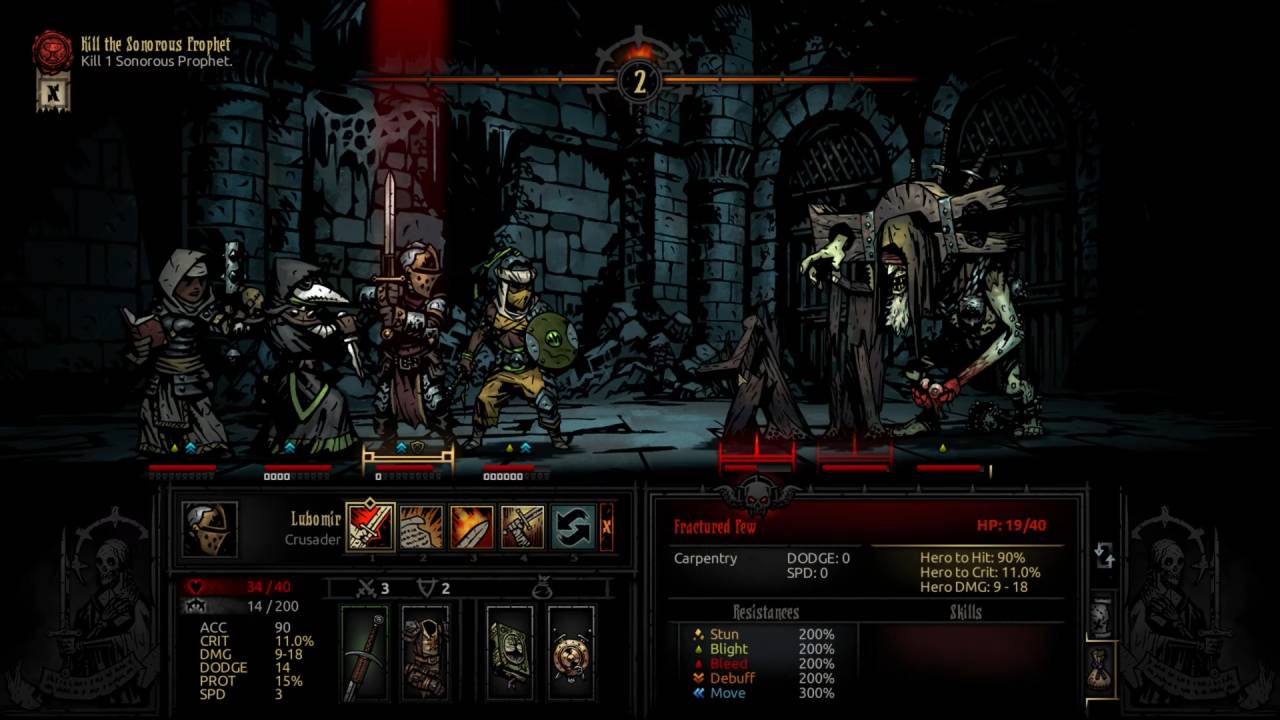
A little farewell to a game that can still hurt.
Darkest Dungeon: The Fire's Edge isn't the grand expansion that its unusually late arrival might have suggested. It's not a big package, and much of the package's appeal hinges on two characters.
But those characters are compelling enough to warrant another trip into the Hamlet, especially for players who have spent years learning how to deal with stress, formation, resources, and the many ways an expedition can go horribly wrong.
As a last flourish, it feels more like a respectful adieu to a classic than a dramatic new chapter. The Fire's Edge keeps the game's gothic identity, Lovecraftian unease, and punishing difficulty, while adding two genuinely interesting combat styles. This may not be for everyone, but if you're still drawn to the bleak world of Darkest Dungeon, the flames are worth following one more time.
Senior Editor, NoobFeed
Verdict
Darkest Dungeon: The Fire's Edge is a small but worthwhile expansion that adds two excellent heroes and new tactical depth without disturbing Darkest Dungeon's brutal formula.
80
Related News
No Data.