
K-Pop Rising - Dream to Shine Review
PlayStation 5
Create your own K-pop identity, build a musical group and pursue international stardom in this colorful rhythm and simulation adventure.
Reviewed by Maisie Scott on Nov 21, 2026
K-pop has exploded into a global phenomenon, shaping music, fashion, entertainment, and even how fans interact with their favorite artists. But behind the slick routines and glossy pop videos lies an industry built on preparation, choreography, and managing a recognizable public persona. K-Pop Rising - Dream to Shine tries to draw players into this environment.
K-Pop Rising - Dream to Shine is a rhythm-based simulation game developed by Old Skull Games and published by Microids. The experience focuses on developing a character, creating an idol group, and slowly building a reputation, rather than just giving players a bunch of musical performances. Its core concept is pretty simple, but the combination makes for an interesting direction for a music-based game.
The project was announced in July 2026, and the first gameplay trailer was released in October, followed by a second on November 5. The footage captured the key activities, character creation, rehearsals, musical numbers, and performances. It also set the tone for the game's colorful presentation and focus on personal expression, giving prospective players a better idea of what to expect.
While conventional rhythm games focus on matching musical inputs, this adventure ties those sequences to a broader career-building experience. Instead of simply jumping from song to song, players are encouraged to create their own performer and band. This gives the experience a more personal objective, especially for audiences interested in the K-pop lifestyle.
The Road to K-pop Stardom.
The story follows a girl who wants to make a name for herself in K-pop. Her best friend Nova is there every step of the way, an established connection to the premise at the heart of the adventure. Together, they aim to turn a normal start into a successful musical career.
The story starts from the characters' dreams rather than the established reputation. The idea of working toward recognition is introduced to the players, and they slowly move from the beginning of their musical journey to bigger performances. This progression gives the experience clear direction, so the different activities can rotate around the same ambition.
Nova's presence is a significant part of the setup because the adventure is not framed as a purely solitary pursuit. The friendship adds a personal dimension to the professional ambitions, tying the protagonist's journey to the larger idea of building a team. The emphasis in the material given, however, is much more on musical progression than on complex narrative development.
So the storytelling works best as a framework for the simulation and rhythm activities. If you are looking for a lavish character drama or a wide-branching narrative, temper your expectations. The main attraction is the chance to create a performer and join the journey to stardom, rather than follow a particularly complex storyline.
Creating a character with a unique identity and style.
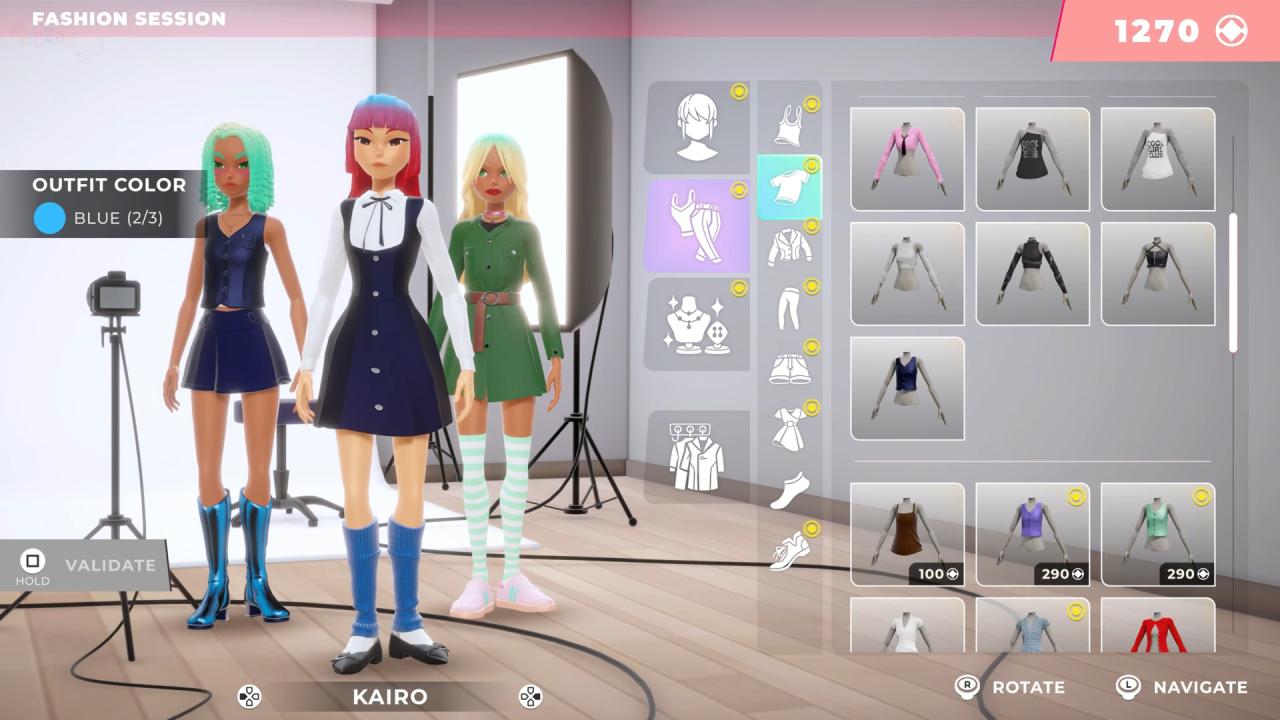
Character customization is one of the main draws of K-Pop Rising - Dream to Shine. In the game, players can create their own performer and change their look with different clothing and makeup choices. This is especially true given how fashion, presentation, and individual identity shape the image of contemporary K-pop performers.
The customization system offers a lot of freedom in how the protagonist looks. Players can mix and match different looks and create a character that fits their desired aesthetic. Rather than forcing everyone into a single, predetermined idol design, the experience makes personal expression the core of its character creation feature.
Clothing and makeup also naturally connect to the performance idea. A performer's appearance is part of the overall presentation of a musical act, so making personalization seem relevant to the wider experience rather than a cosmetic addition with no bearing on the performance. An additional reason to invest in your created character is the ability to develop a recognizable visual identity.
Thus, the female protagonist's theme is closely tied to the game's customization features. Players can also create the main performer and customize their look to match the character they develop during the adventure. This accessible approach should especially appeal to audiences who enjoy character creation and fashion-forward experiences.
The gameplay centers on music and performance.
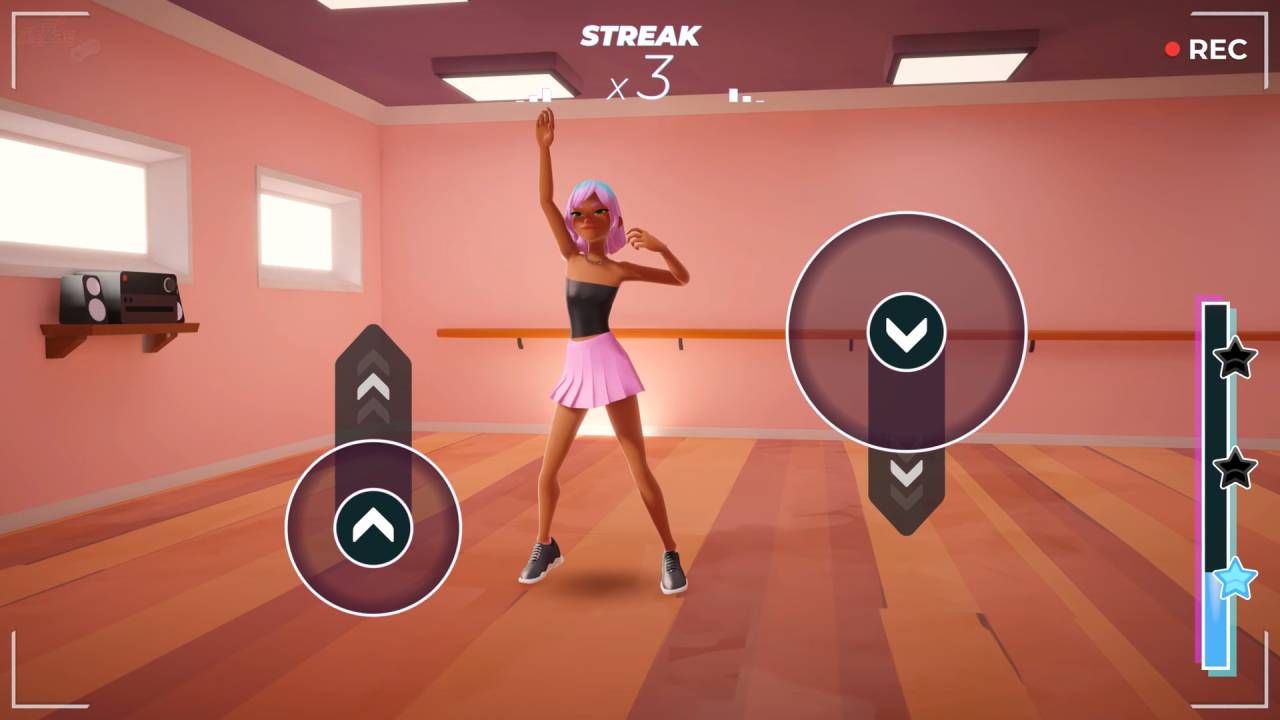
The main gameplay combines simulation and rhythm-based challenges, structured around the various stages of an aspiring performer's career. Training and rehearsals are key parts of the premise, and players are expected to develop their singing, dancing, and timing before pursuing larger musical opportunities.
This mix gives the experience a distinct identity compared with conventional rhythm titles. The larger structure links the performances to the protagonist's ambitions, not just musical accuracy. Players don't just play songs; they live a fictional career, developing their talent and building a presence in the industry.
The most recognizable interactive component is rhythm sequences. Players have to listen to the music and respond to the gameplay cues that go with it. This adds a layer of choreography and timing. The emphasis on accuracy is particularly apt for a game inspired by an entertainment industry where synchronization and performance quality matter.
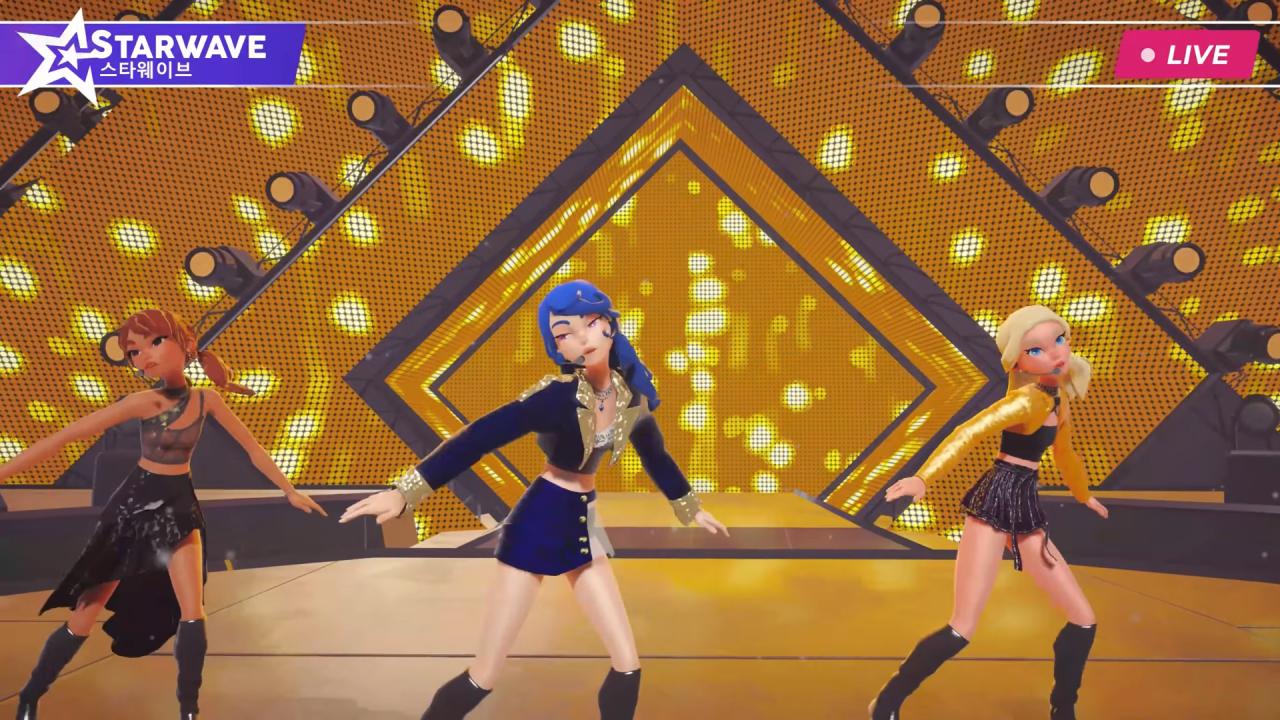
The gameplay footage also shows the connection between rehearsals and the big shows. This gives a visual contrast between the preparation and the final presentation of a musical routine. While the available footage doesn't detail every aspect of the underlying simulation systems, the relationship between training, musical development, and performance is central to the advertised experience.
Keeping up with the rhythm, the choreography.
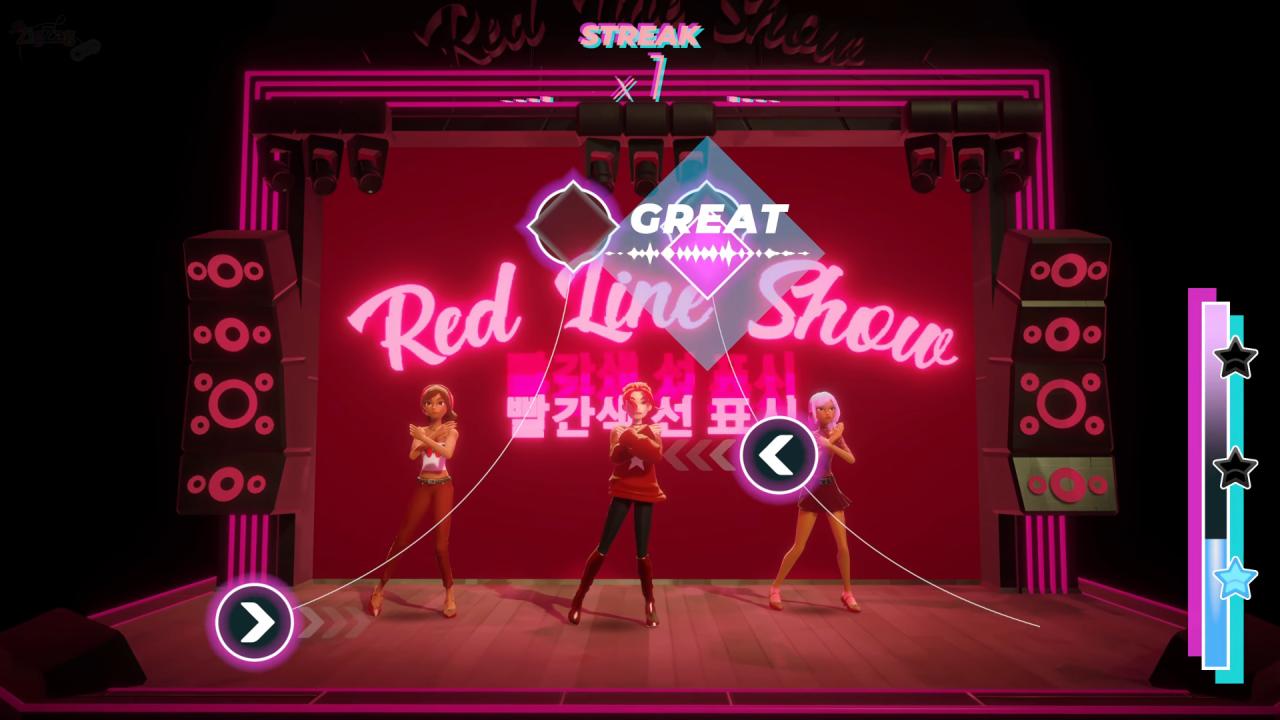
Where K-Pop Rising - Dream to Shine's musical identity really shines through is in the rhythm gameplay. Players are expected to match the musical cues and keep their timing in the singing- and dance-related sequences. It's all about responding to the beat. It's not the classic action-game style of mechanics. It keeps the experience focused on musical performance.
Another important part of the presentation is choreography. K-pop performances are famous for their synchronized movements, and the game builds on this characteristic as part of its interactive foundation. The focus on exact routines makes the musical challenges more closely tied to the subject than simply playing background songs while doing unrelated things.
The themes listed for the game are also reinforced by quick-time events, suiting its rhythm-focused identity. They also represent players' timed responses in the experience. But the available promotional descriptions don't cover every variation or difficulty level, so it would be unfair to say the system offers particularly complex sequences without further evidence.
One appealing thing about the whole idea is that it is easy to understand. Players don't need extensive rhythm-game experience to understand the basic premise. But the focus on timing and accuracy gives the musical parts a clear goal, making them more engaging than simply watching a performance develop.
Building a group and managing the personal identity can get tough.
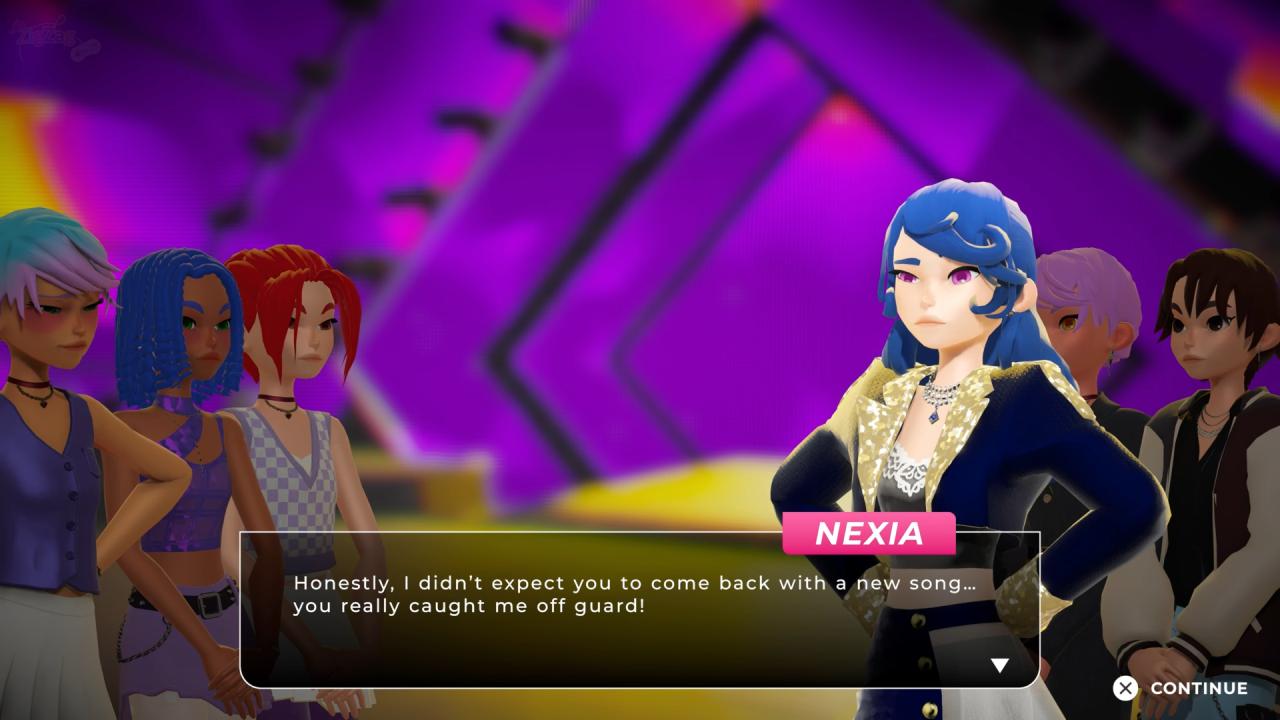
The idol group element extends the experience beyond the individual protagonist. Players can create a group to represent the identity of their choice and add other members. This is important because it connects character creation to a bigger musical ambition, letting players build something that stands for more than a single performer.
The recruitment system also provides a management element to the overall structure. Instead of focusing only on the main character's looks and musical skills, players take responsibility for the team they create. The idea of recruiting members and steadily building a collective reputation fits perfectly with how the game portrays the K-pop industry.
Community management is another element in this process. Social media is part of the experience, and players try to grow their fan community and popularity. This reflects today's entertainment space, where artists and bands maintain relationships with fans beyond their music and gigs.
However, the presence of management features should not be automatically mistaken for an extensive business simulation. The published information confirms group creation, recruitment, and community growth, but does not establish complex financial structures, detailed contracts, or extensive member-relationship mechanics. The main appeal is crafting a musical identity and driving toward greater recognition.
One man's musical journey, all man's musical experience.
Singleplayer is a big part of the game's structure, letting players pursue the central adventure independently. This lets players develop their character and musical group without coordinating with other participants. The individual journey remains the bedrock of the larger career-building premise.
Multiplayer offers another way to enjoy the adventure. K-Pop Rising - Dream to Shine supports co-op for up to two additional friends so that you can play with a total of three players. This also fits well with the group-oriented concept, because cooperation enables players to share the experience of building and presenting a musical act.
The difference between solo and co-op play is especially relevant for a music-focused game. Some players may want to take their time with the character creation and individual journey, while others may want to experience the musical activities with friends. Having both options broadens the potential audience without making multiplayer essential.
The co-op feature further solidifies the idea of music as a shared activity. But its existence doesn't show how much multiplayer adds in terms of content or mechanical variety. Think of it more as an alternate way to experience the core adventure than a wholly separate multiplayer campaign.
The game's anime-style appearance.
The game's visual direction is complemented by a colorful and stylized presentation that mirrors its youthful musical premise. Its character designs and overall look tap into the appeal of anime-inspired entertainment, giving the experience a recognizable identity. This also aligns with the heavy emphasis on appearance and fashion.
This visual direction supports character customization, as clothing and makeup are key parts of the overall presentation. The stylized character designs are especially relevant because they allow players to create a performer with an individual appearance. It also encourages players to experiment with different combinations rather than a single fixed look.
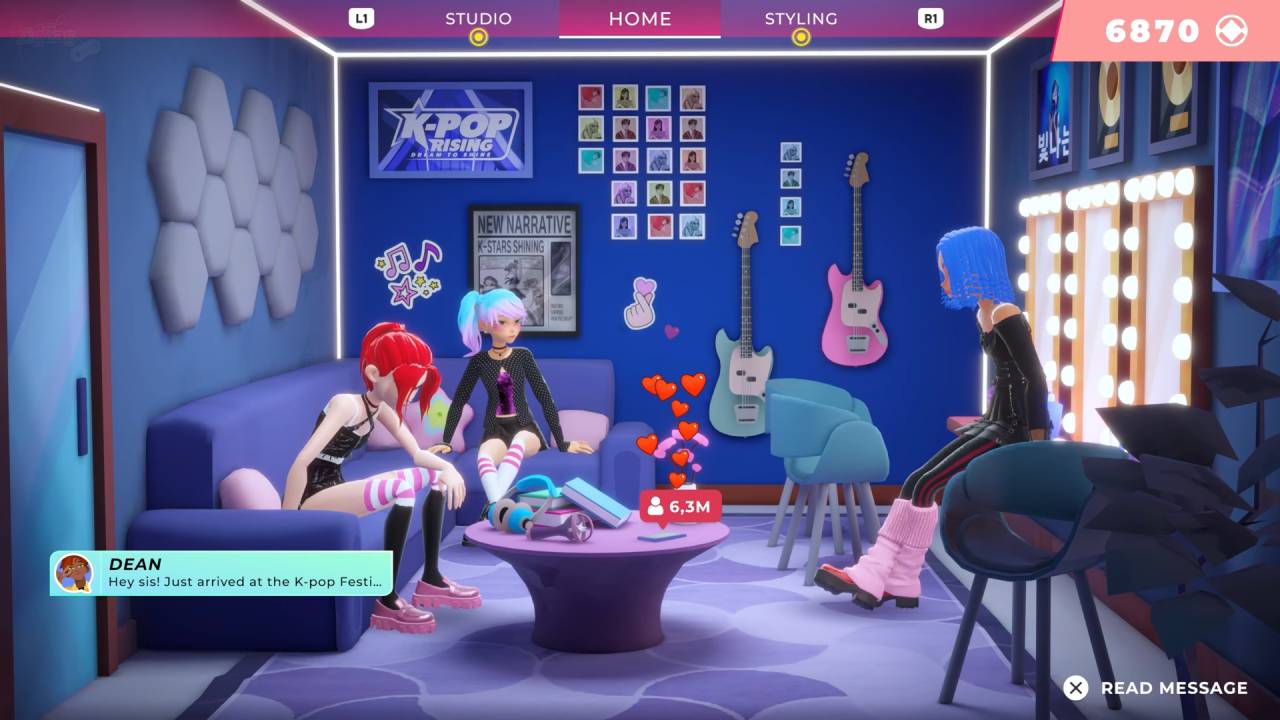
The performance sequences also offer another chance for the presentation to show its personality. The journey from rehearsals to bigger stages provides a clear visual path for the adventure, echoing the main character's desire to be recognized as a performer. The promotional footage emphasizes this transition from preparation to the spectacle of performance.
But colorful art direction doesn't necessarily translate into visual variety across the experience. The footage sets the overall look and feel, but it doesn't support detailed claims about each environment, animation, or technical performance. The visual treatment fits the concept, but how well the presentation varies will determine its staying power.
Music is the main event of this game's experience.
Therefore, music is the most significant component of K-Pop Rising - Dream to Shine, and influences its presentation and interactive design. The game has an original soundtrack, composed for its K-pop-inspired setting. This gives the performances their own musical identity rather than relying on existing commercial releases.
The soundtrack is particularly important because rhythm challenges depend on the interaction between musical composition and player input. The right song selection can make these sequences more interesting, and different arrangements can give individual performances their own character. The original soundtrack is also separately available on music streaming platforms.
The musical direction will likely be a big reason K-pop fans want to check it out. The game taps into the genre's wider cultural appeal, building performance, fashion, and group identity into its structure. This isn't just a simulation with K-pop slapped on as a decorative backdrop.
However, musical taste is subjective, and an original soundtrack won't appeal equally to everyone. Also, K-pop-inspired original soundtracks aren't the same as collections of established chart hits, and players looking for licensed songs from their favorite real-world groups should be aware of the distinction.
Progression without any unnecessary complexity.
The progression system centers on the larger goal of building a music career. Players start by building their reputation, and as they play more games and take part in more group activities, they become better known. The structure gives the different features a shared purpose, tying character creation, rehearsals, and community management together.
This is not a traditional role-playing game experience, as the development focuses on improving music and career growth. The available information doesn't describe a detailed experience-point system, extensive skill trees, or complex character statistics. So it would be misleading to talk about progression through traditional RPG grinding mechanics.
But the appeal of tracking the protagonist's journey from wannabe performer to a more solidified musical identity remains. Related goals include forming a group, recruiting members, and building a fan community. These features create a sense of progression without requiring the game to implement complicated systems.
The big question is how much variety the activities offer over longer play sessions. The rhythm challenges and customization might be fun, but they can only be as successful as the range and quality of the content they provide. With little else to show for it, the game's progression can be viewed as a fairly concentrated musical career experience.
Editor, NoobFeed
Verdict
K-Pop Rising - Dream to Shine is an appealing K-pop simulation with creative customization and cooperative rhythm gameplay, although its overall depth remains difficult to establish from the available material.
77
Related News
No Data.