
The Wolf Among Us Remastered Review
PlayStation 5 Pro
A fresh coat of paint, playable deleted scenes, and plenty of familiar choices make this a great way to revisit Fabletown, even if returning players might not find enough reasons to buy it again.
Reviewed by Mahi Araf on Oct 28, 2026
Telltale Games has had quite a journey over the years. Before the studio became widely known for The Walking Dead, it was already making a name for itself with adventure games like Sam & Max and Back to the Future: The Game.
Its storytelling, character interactions, and the player's ability to shape the story eventually helped it reach a much larger audience, and titles based on Batman, Game of Thrones, and Guardians of the Galaxy followed. Among its many projects, The Wolf Among Us remains one of the studio's most memorable adventures, and its remaster gives players another reason to return to a world that's been waiting years for a proper continuation.
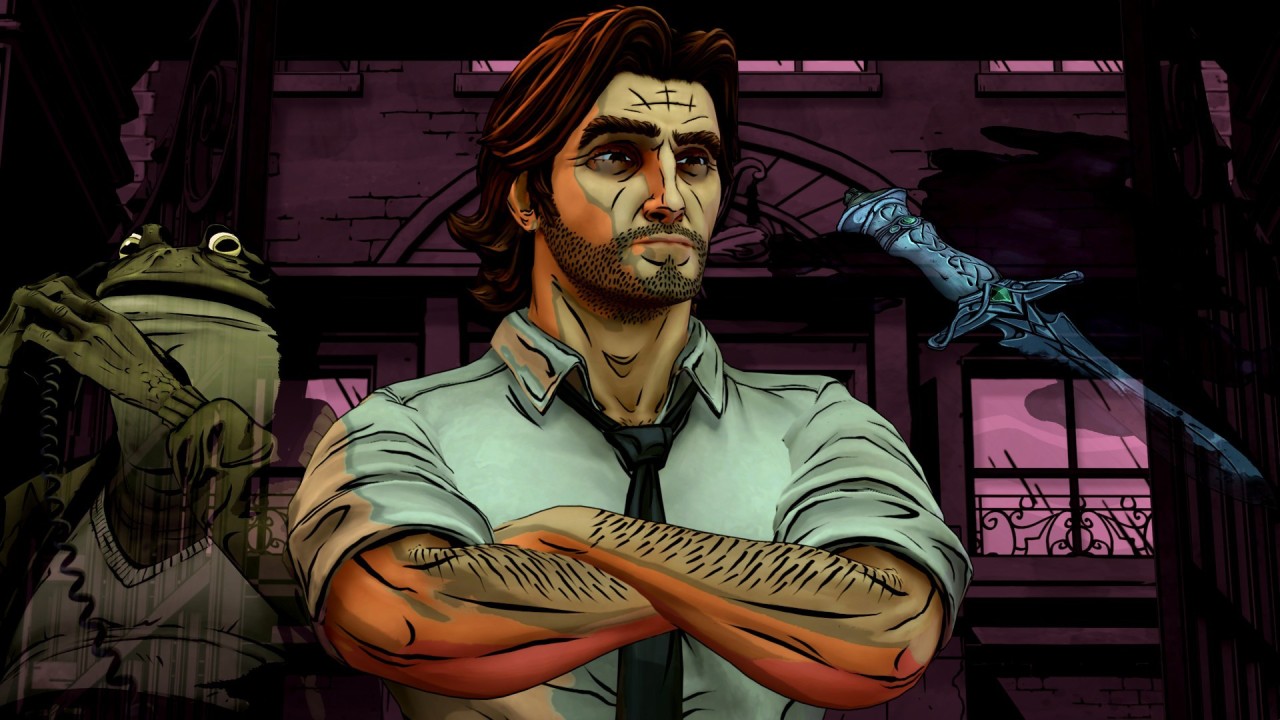
The Wolf Among Us launched in 2013 and quickly became a fan favorite, with its unique comic-book art style, memorable characters, and a murder mystery that kept players guessing until the end. The game stood out among other adventure titles at the time, offering a darker take on familiar fairy-tale characters while placing them in a grimy version of 1980s New York City.
Its long-awaited sequel has faced a difficult development journey, making this remaster a welcome opportunity to revisit the original before Bigby's story hopefully continues.
Of course, Telltale's history complicates this release. The original studio shut down in 2018, and LCG Entertainment purchased a selection of its intellectual property and assets the following year. The revived Telltale later released Batman and The Expanse, but bringing back The Wolf Among Us is a particularly important step because of how much the original means to its audience. The question is whether a remaster can preserve what made a beloved game special without changing too much, and thankfully, this one mostly understands what it needs to do.
The Wolf Among Us Remastered isn't a complete remake, nor does it try to rebuild the original experience from scratch. Instead, it improves the visuals, cleans up the technical presentation, and adds several extras for longtime fans.
More importantly, it keeps the original story and its player-driven decisions intact. After spending some time with it, I can say this is a great way to experience the game if you missed it the first time around, though those who already own the original might find the upgrade a little harder to justify.
Set some 20 years before the events of Bill Willingham's Fables comics, it follows several fairy-tale characters forced to leave their homeland and move to the human world.
These characters live in modern-day New York City and try to keep their identities hidden from ordinary people while adapting to a society never built for them. Now they have a new home, called Fabletown. It's a place to live, but it doesn't promise comfort, especially if you have no money, no influence, and can't pass for human.
Your hero is Bigby Wolf, otherwise known as the Big Bad Wolf from traditional fairy tales. Now he's the sheriff of Fabletown, a job that means keeping order among folks who don't always want it. Bigby isn't exactly the most popular person in town, and his reputation precedes him. And the violent history attached to his name makes it hard for others to trust him, as he tries to live a different life. This conflict becomes central to the story, especially as he decides how to deal with the people around him.
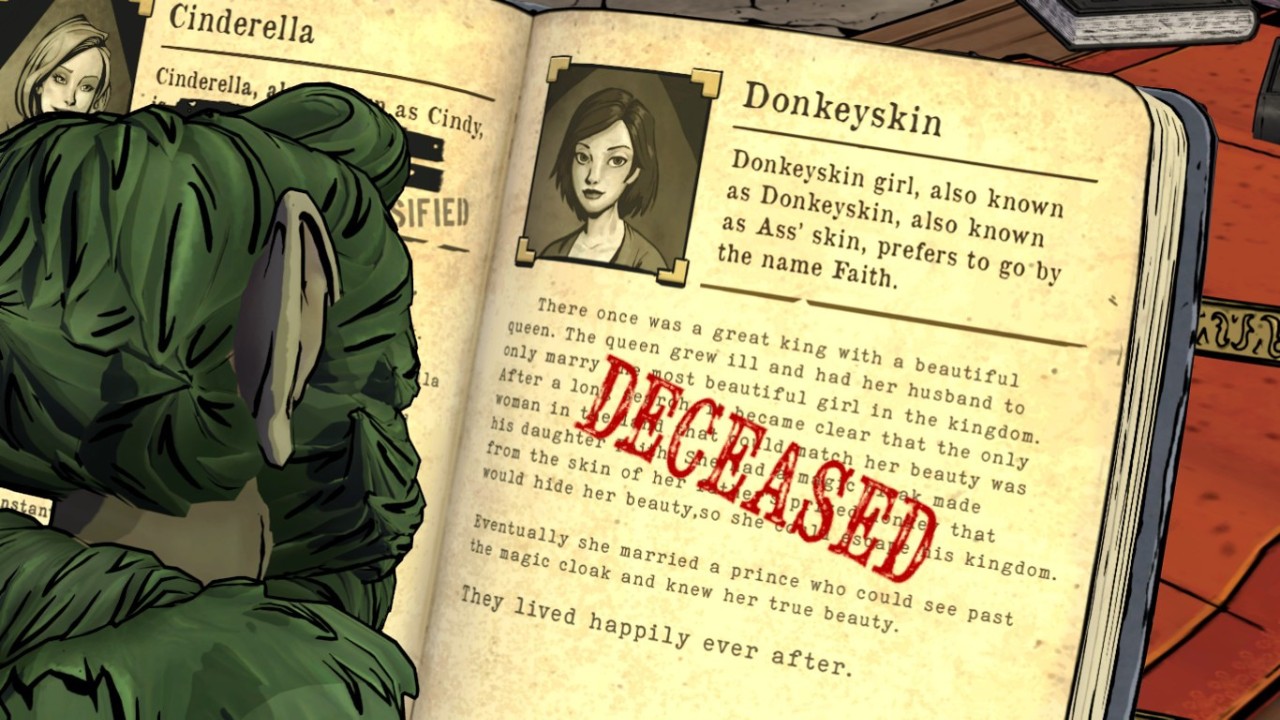
Bigby answers the call of a disturbance involving one of his old fairy tale enemies, the Woodsman, and things begin to stir. After sorting out the situation, he meets a young woman who seems to be running for someone. She finally agrees to accept his help and arranges to meet him later to explain what is going on.
Unfortunately, things take a much darker turn when Bigby finds her head severed outside his apartment. Snow White, Bigby's old friend and the mayor of Fabletown's assistant, joins the investigation, setting the stage for a mystery that goes far beyond one murder.
As you follow the investigation, you find links between the residents, their troubled circumstances, and the secrets they would rather keep buried.
The mystery gives the story clear direction, but the real appeal is the characters and the hard choices you make along the way. The game explores what happens when people defined by their past try to change, and Bigby is the perfect character to explore that idea.
His reputation as the Big Bad Wolf means that even his attempts to do the right thing are met with suspicion. You can play him as an aggressive lawman who relies on intimidation, or you can show restraint and give people a reason to believe he's changed.
Neither approach makes every problem disappear, and the people around him will react differently depending on how you behave. This gives the story a personal edge because you are not simply watching Bigby's struggle to become a better person. You are deciding what that struggle looks like.
The writing also hints at the less glamorous side of life in Fabletown.
Just because you're a fairy tale character doesn't make life easier. And just because you're immortal doesn't mean you're richer, happier, or more powerful. Some residents struggle to get by, while others abuse the system or find themselves in desperate situations. The game shows how social structures can fail the people who need help most, and it gives its familiar fairy-tale cast more grounded problems.
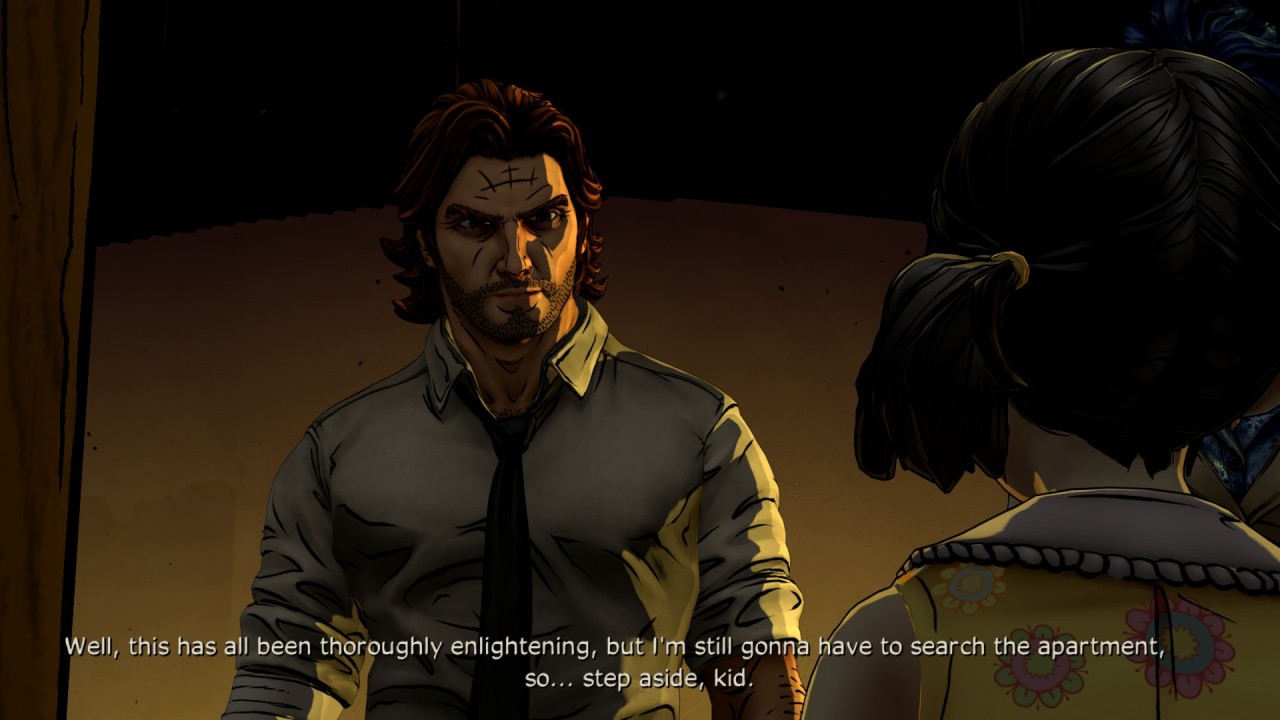
This way, even the supporting characters get a benefit. Bigby's talking pig roommate isn't just for laughs, and Snow White is more than a familiar fairy-tale figure. It just feels more believable because the game treats these characters with respect, and everyone has their own thing going on.
Although series creator Bill Willingham no longer considers the game canon to his comics, the story still works on its own terms. Its interpretation of these characters remains one of the strongest reasons to play, and the narrative has aged well despite the years since its original release.
As for gameplay, you get the familiar Telltale adventure formula.
You spend most of your time exploring locations, talking with characters, examining objects, collecting clues, and deciding how Bigby should respond to the people he encounters. There's no complicated progression system or a bunch of combat mechanics to learn. Instead, the game is about dialogue, investigation, and the consequences of your decisions, letting the story carry the experience.
Conversations matter because they give you multiple ways to handle a situation. You might try to calm them down, question their story, threaten them, or push them to reveal information they would rather keep secret. Your responses often reflect different aspects of Bigby's personality and can change how other characters see him. Sometimes aggression gets you the information you need, but it can also damage relationships or make people less willing to cooperate later.
Not every choice will dramatically change the overall story, and you shouldn't expect every conversation to lead to a totally different branch of events. But the smaller reactions are often interesting enough to make your choices seem worth it. Watching characters respond to the version of Bigby you have created can be just as rewarding as seeing the immediate consequences of a major decision. The game encourages you to consider who he is becoming, even as the broader investigation follows a familiar path.
Exploration is simple, with locations serving as places to gather information and move the investigation forward.
You search rooms, check evidence, and talk to people who might know something useful. These parts aren't very demanding, but they help set the mood and give you time to soak in Fabletown's details. Conversations and discoveries, rather than complex puzzles, fuel the mystery, so the experience stays accessible even if you haven't played Telltale's older games.
Combat in The Wolf Among Us Remastered mostly relies on quick-time events, however. When you get into a confrontation, you respond to on-screen prompts by pressing the right buttons or taking the required actions. These sequences can involve avoiding attacks, fighting enemies, or navigating dangerous situations, giving you brief moments of direct interaction between the more dialogue-heavy sections.
The problem is that these quick-time events feel dated by modern standards.
They were already a familiar, sometimes controversial feature of adventure games when The Wolf Among Us launched, and time hasn't made them much more sophisticated. Although they serve their purpose and help maintain the pace during action scenes, they rarely offer much depth. The remaster does not redesign these encounters, so you are still playing through the same sequences with essentially the same mechanics.
That is not necessarily a deal-breaker, because the game's greatest strength has never been its combat. The quick-time events support the narrative rather than replace it, and the story remains engaging enough that their limitations don't ruin the experience. Still, if you expect a remaster to modernize every aspect of the gameplay, you might be disappointed. This is a faithful restoration of an older adventure, and some of its original design choices naturally remain visible.
The remaster's strongest first impression comes from its visual improvements.
The development team didn't simply increase the resolution of the original assets; they recreated the character models as high-resolution variants and enhanced the environments with cleaner textures and added detail. Faces, hair, clothes, and character models are sharper, and the differences are especially noticeable when you compare the two versions side by side.
Buffkin, the winged monkey who works in Fabletown's business office, shows off the extra detail. His feathers are much clearer, and the updated model gives him a level of definition the original release couldn't achieve. Bigby, Snow White, and the rest of the cast also get a visual makeover. The background elements have also received attention, adding detail to familiar locations without losing their original identity.
The lighting has also been redone, deepening the shadows and giving the characters and environments more definition. For example, Bigby's apartment has cleaner background details, and Manhattan's streets and run-down buildings look more developed thanks to added props and better textures.
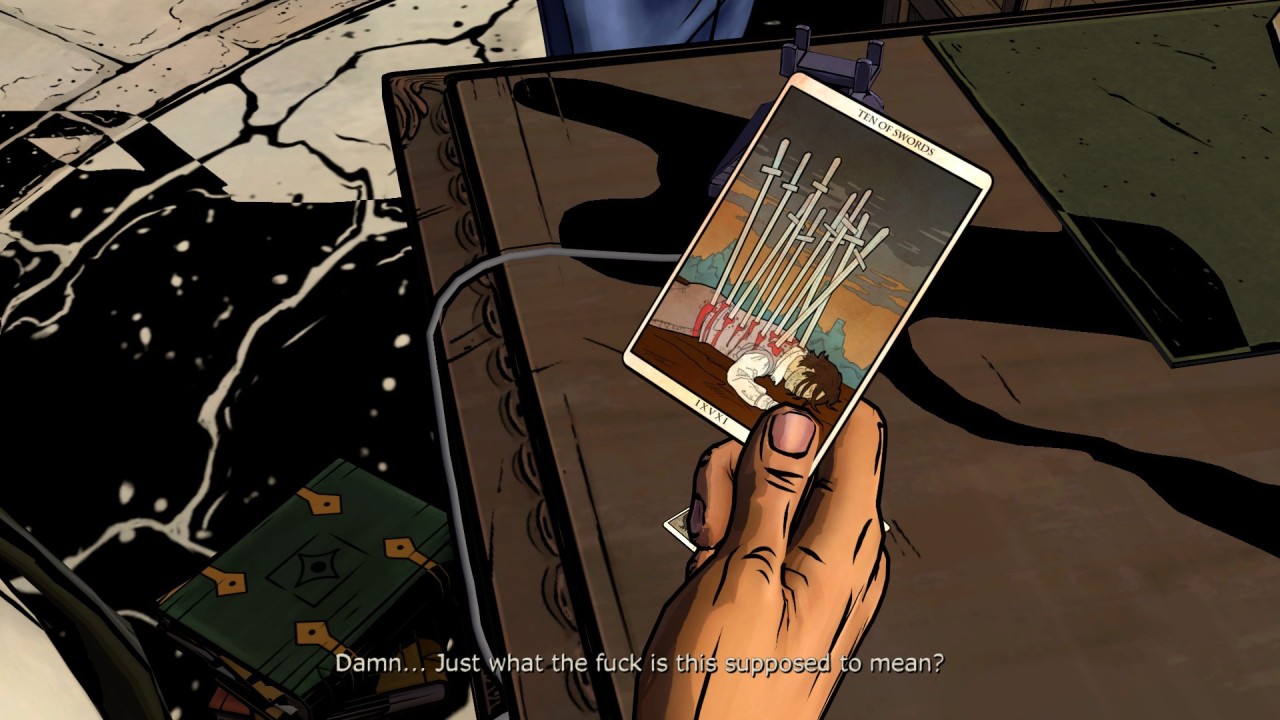
Some places undergo more dramatic transformations, like the Woodlands Apartments, whose more pronounced Victorian aesthetic heightens the contrast between the building and the everyday city around it. These changes support the setting itself: Fabletown is a place where characters from another world try to fit into a society that doesn't quite belong to them.
The remaster makes these environments more convincing, without making them unrecognizable.
Bigby's werewolf form has also been redesigned to be more intimidating. The original model could look a little goofy, which worked against the threatening presence the character was supposed to have. The new version gives him a more commanding look while keeping the spirit of the original design. It is one of the more noticeable individual changes, and it fits the character better.
Importantly, The Wolf Among Us Remastered does not abandon the game's comic-book presentation. The original neon-noir art direction remains intact, and the sharper visuals complement rather than replace it. The characters look the same as you remember them, just more detailed. This is a good move, since the original game's distinct visual style was a big part of what made it, and a more realistic redesign could easily have sapped some of the charm.
We still have some technical limitations. Character animations can look stiff, and the improved models sometimes make their older movement animations more noticeable. You may also notice brief instances of visual pop-in, though they are less distracting than in the original release.
Overall, the technical improvements make the game more comfortable to play, and a stable playthrough without major crashes improves the experience.
The audio has also been revisited, with the voice acting and film-noir-inspired soundtrack rebalanced for clarity. The new presentation helps maintain the suspenseful atmosphere, and the performances still carry much of the emotional weight. Voice acting is especially important in a dialogue-driven game, where how a line is delivered can make a threat, an accusation, or a moment of vulnerability believable.
Beyond the main game, the remaster includes several extras that give returning players more reasons to spend time in Fabletown. Noir Mode lets you play through the adventure using a black-and-white filter, drawing more directly from the detective films that influenced the game's style.
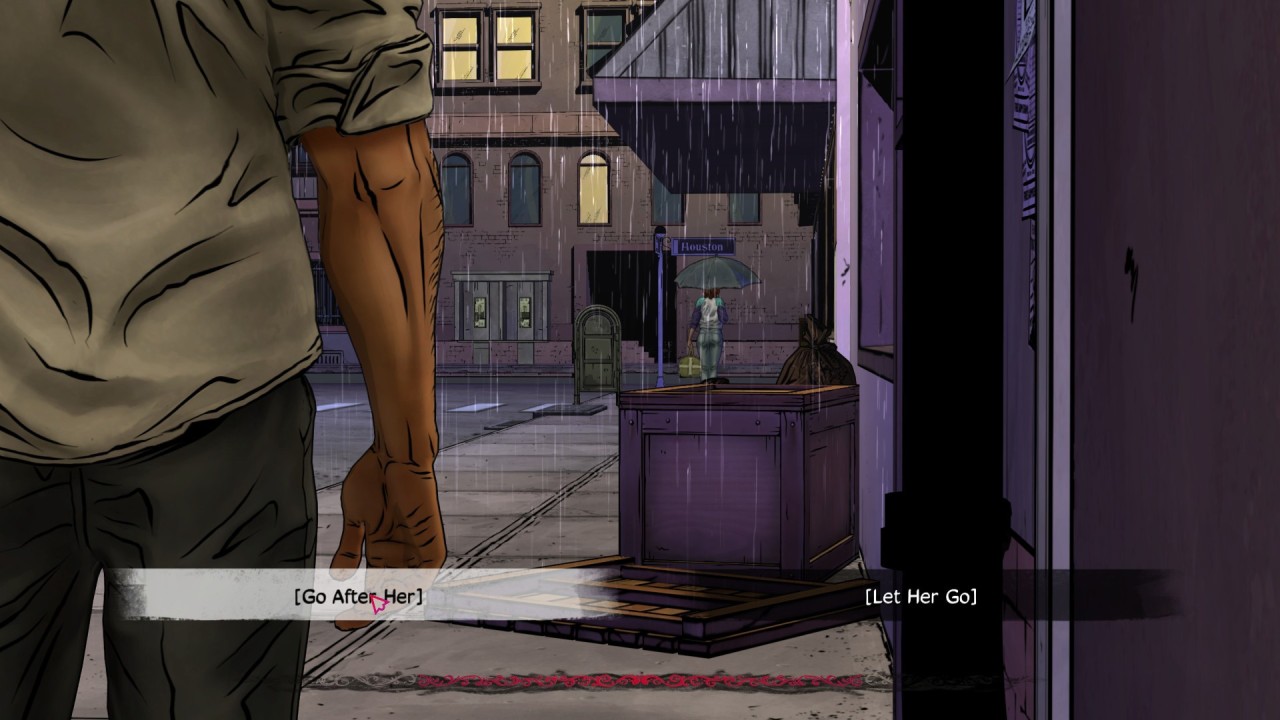
It is an interesting alternative, particularly if you have already completed the story, but I found that removing the neon colors took away too much of the original visual identity. The monochrome presentation fits the genre, but the original color palette is a big part of what makes this game memorable.
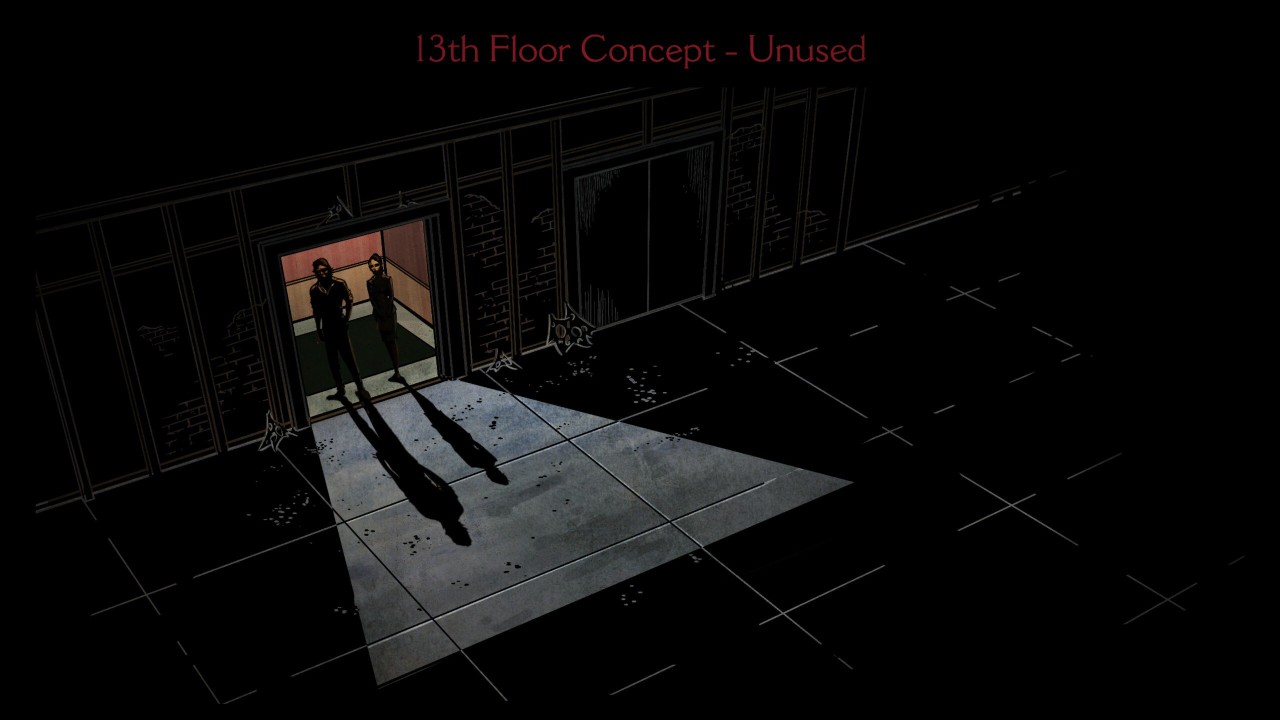
The five playable deleted scenes are a much more compelling addition.
These sequences include alternate or extended versions of scenes cut from the original game, letting you explore ideas that never made it into the final release. One example is an alternate version of the scene where Beauty discovers the body, which sets the investigation in motion. Other material expands on conversations and moments from the story, including an alternate take on the Anderson Street sequence.
Keep in mind that these scenes are presented in their unfinished state. Some animations are missing or incomplete, and some voice lines were never recorded, so some dialogue appears as text. That said, interacting with this cut content offers fascinating insight into the development process. These scenes are more than ordinary bonus videos because they let you experience the material as playable sequences, making them particularly worthwhile for dedicated fans.
The package also includes behind-the-scenes interviews with development team members and cast, along with an art gallery featuring more than 100 images from the original game and the remaster. The interviews provide insight into how the developers approached the project, while the gallery highlights artwork and ideas that never made it into the finished game.
Some of this material will naturally appeal more to longtime fans than newcomers, so be careful with the interviews if you want to avoid spoilers.
The remaster costs $25, more than the original game currently costs on Steam. However, the original release remains available, and launch discounts offer a more affordable way to upgrade, including a larger discount for existing owners.
The remaster also targets modern platforms, making it a convenient option if you want to play on current hardware rather than return to an older version. The Nintendo Switch 2 edition was delayed so the developers could spend more time getting the port right, so its final performance remains something to assess separately.
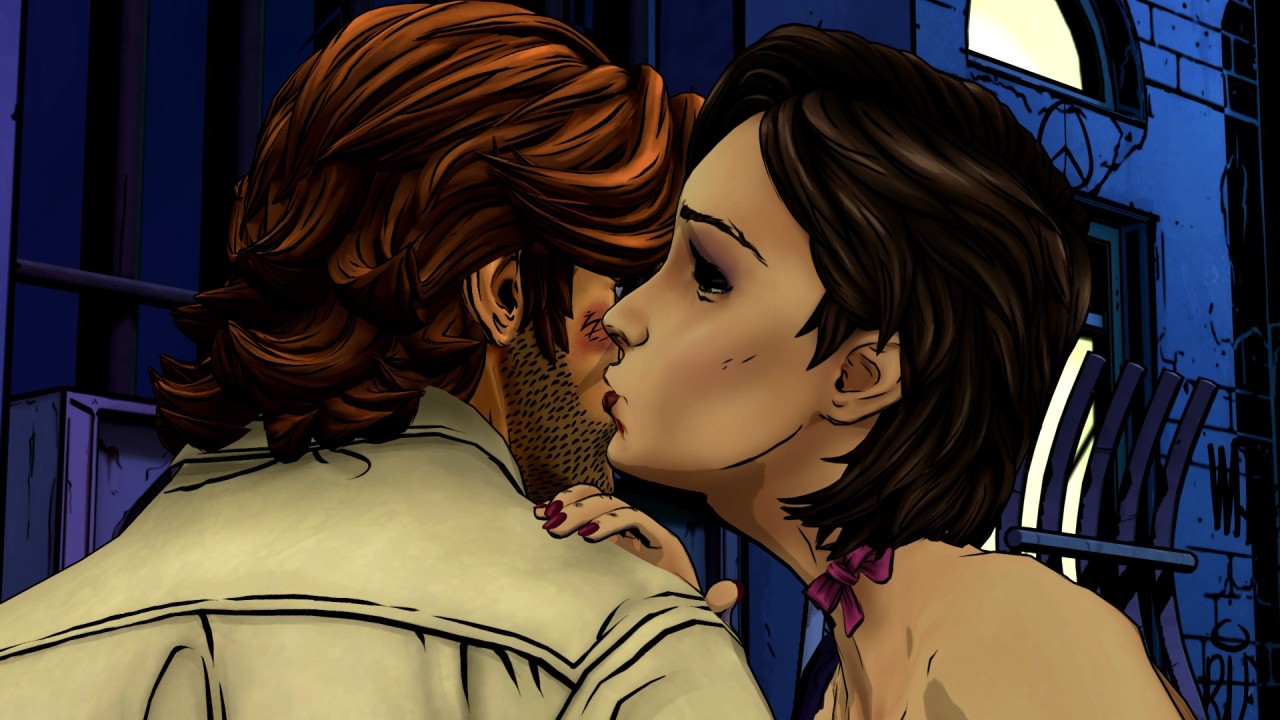
Ultimately, The Wolf Among Us Remastered understands what made the original game special. Its story, characters, mood, and choices are just as effective, and the visual overhaul gives Fabletown a cleaner look without sacrificing its unique identity. The enhanced audio, technical fixes, deleted scenes, interviews, and art gallery make this a more complete package than a resolution upgrade.
But at its core, it's the same game that came out in 2013. The quick-time events have aged, the animations can feel stiff, and the story has not been rewritten to offer a new adventure. If you already own the original and are happy with how it plays, there is no urgent reason to upgrade. The improvements are worthwhile, but they do not fundamentally change the experience.
For newcomers, though, this is an easy recommendation. You get one of Telltale's best stories in a version that looks and runs better, along with extra material that offers a closer look at how it was made. And with The Wolf Among Us 2 still representing the continuation fans have been waiting for, revisiting Bigby's original adventure feels like a good way to prepare for whatever comes next.
Senior Editor, NoobFeed
Verdict
The Wolf Among Us Remastered is the definitive way to experience Telltale's memorable murder mystery, with improved visuals and worthwhile extras. Returning players can skip it, but newcomers should give it a chance.
88
Related News
No Data.