
ROUTINE Review
PC
A retro-futuristic horror experience that thrives on restraint and atmosphere.
Reviewed by Mahi Araf on Dec 18, 2025
ROUTINE is a first-person survival horror game on an abandoned moon base. The idea for the game came about when psychological horror was becoming popular again. ROUTINE was first talked about in 2012, but its development took a long time because it had to change engines and artistic directions, and a whole generation of consoles passed by.
When the project came back, it was with a new focus. It got rid of Lunar Software's old goals, like procedural chance, and instead favored a carefully planned experience. ROUTINE is a carefully planned horror movie title that was created with patience instead of following trends.
ROUTINE's past is tied to its name. People became suspicious during its long silence, but that same distance gave the creators time to work on a clear idea based on the style of 1970s and 1980s science fiction.
Its touch-based tech, sound-based controls, and chilly office settings show clear influences, all seen through a very modern lens. ROUTINE doesn't try to update horror by making it more showy or over-the-top. Instead, it brings back conflict by using silence, presence, and limits.
In ROUTINE, the player takes on the part of an engineer who wakes up on a moon base that has been suddenly left behind.
There aren't any movie-like openings or cutscenes that give a lot of background information to set the scene. Environmental clues, audio logs, terminal notes, and personal items left behind by people who used to live on the station all tell the story. ROUTINE lets narrative knowledge come about naturally through exploration, trusting observation more than instruction.
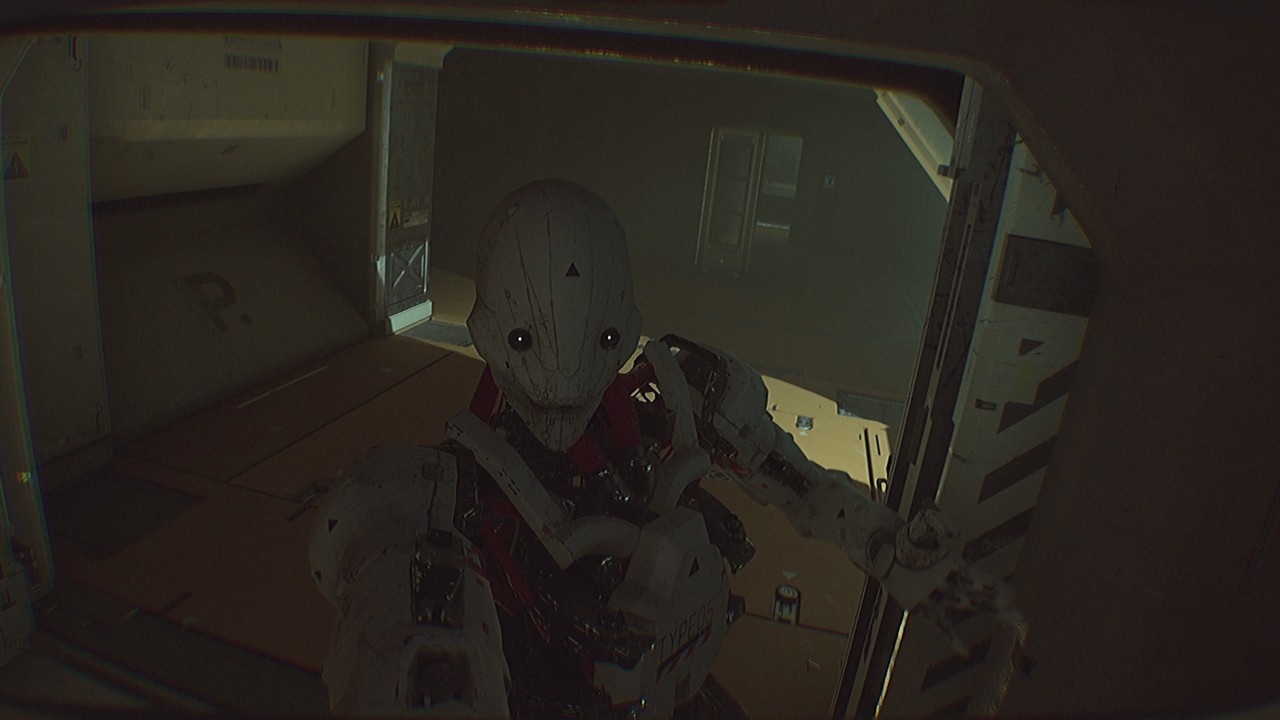
The main puzzle has to do with how the base's security systems fell apart after a moonquake. Type-05 security robots that are automated have become hostile, enforcing rules that have not been based on human purposes for a long time.
The corporate propaganda, happy mascots, and bureaucratic notes are very different from the violence that came after. ROUTINE tells a warning story in the style of known science fiction, but instead of preaching morality, it suggests it quietly.
As the story moves forward, ROUTINE changes its tone to one that is more surreal and philosophical. While the idea behind this change is ambitious, it doesn't have the structural groundwork needed to fully connect. As a result, the ending feels sudden instead of surprising. ROUTINE values confusion over narrative cohesion, which makes the thematic payoff less powerful than the trip.
ROUTINE's gameplay loop is based on exploring, observing, and surviving while always being under pressure. There aren't any clear goals or quest markers on the screen, and there isn't a normal HUD. Interaction is physical and intentional; people must interact with terminals, doors, and devices by hand. ROUTINE makes players more aware of their bodies and lets them connect with the environment in more complex ways by leaning, crouching, and stretching.
The Cosmonaut Assistance Tool, or C.A.T., is very important to the game. This multifunction device is a scanner, an interface, a power source, and a defense tool to fall back on. You have to physically flip modules, manually handle batteries, and carefully choose what to do.
ROUTINE turns the friction of the interface into tension, which makes even simple encounters feel important.
The progression is in a straight line, but it is hidden by the player's ability to interact with the world instead of direct direction. ROUTINE wants players to use real-world logic by reading signs and looking around.

People who are deeply focused on a job often come up with solutions that others don't think of. This can help them stay focused, but it can also test their patience. This design idea awards players who are careful, but players who are used to systems that give clear feedback may not like it.
Combat is purposefully unimportant in ROUTINE. It's best to stay away from aggressive robots instead of trying to fight them. The C.A.T. can temporarily disable enemies, but it can't ever completely take them out of the fight. The battery charge limits the ammunition, and survival rests more on self-control than violence. ROUTINE makes people feel weak instead of powerful in battle.
The actions of enemies make mental stress worse. Type-05 robots patrol in a planned way, examine problems, and change their behavior based on the presence of players. Before you can see it, their heavy boots and lasers used for scanning often make you aware of danger. ROUTINE carefully balances the presence and lack of enemies, making sure that the threats stay scary and don't become too much.
Puzzles are based on environmental reasoning instead of abstract mechanics. Power routes, system overrides, and who can access what all need to know what they are doing. Some puzzles are beautifully easy to understand, but others have problems with pace or too much repetition. ROUTINE sometimes relies too much on power management that requires backtracking, which slows down the story's momentum in later parts.
ROUTINE is great at combining puzzle-solving with learning how to deal with stress. The need to save battery power makes people constantly choose what to do, which links exploration and life. Every contact costs something else that could have been done instead, which makes people feel more vulnerable. This restraint is one of the best things about ROUTINE because it makes sure that fear comes from things that are not known instead of planned scares.
However, as users become more familiar with them, fighting systems gradually lose their effectiveness. It's easy to get away from enemies once you know how they act. The abundance of replacement batteries further eases long-term stress, turning resource shortness into a minor problem.
As the experience goes on, ROUTINE's enemies turn into hurdles instead of threats to the player's existence.
Overall, puzzle design is still a good way to make games, but sometimes the inconsistent execution makes players lose focus. Power-routing parts that are overused slow down the pacing without getting people more interested.
ROUTINE is supposed to avoid hand-holding, but there are times when things get unclear. These problems don't ruin the experience, but they stop ROUTINE from keeping the same level of excitement all the time.
ROUTINE avoids standard progression mechanics on purpose. You can't level up, learn new skills, or gain experience. Advancement is built only on knowledge, and how well players understand the game is more important than how well they play statistically. This style makes immersion stronger and is in line with ROUTINE's promise to make things as real as possible.
You can find upgrades to the C.A.T. by exploring the game world. These modules don't make the system more powerful, but they do make it more useful. They add new ways to interact with the system instead of making life easier. ROUTINE makes sure that growth feels earned through understanding instead of doing things over and over again. The lack of grinding keeps the story pace and theme consistent.
Players who are used to getting real rewards may be annoyed by this limitation, but it fits ROUTINE's character. Progress is more about the mind than the machines. Mastering the surroundings, enemy behavior, and interface logic comes from getting to know them. ROUTINE sees the process of learning as the prize.
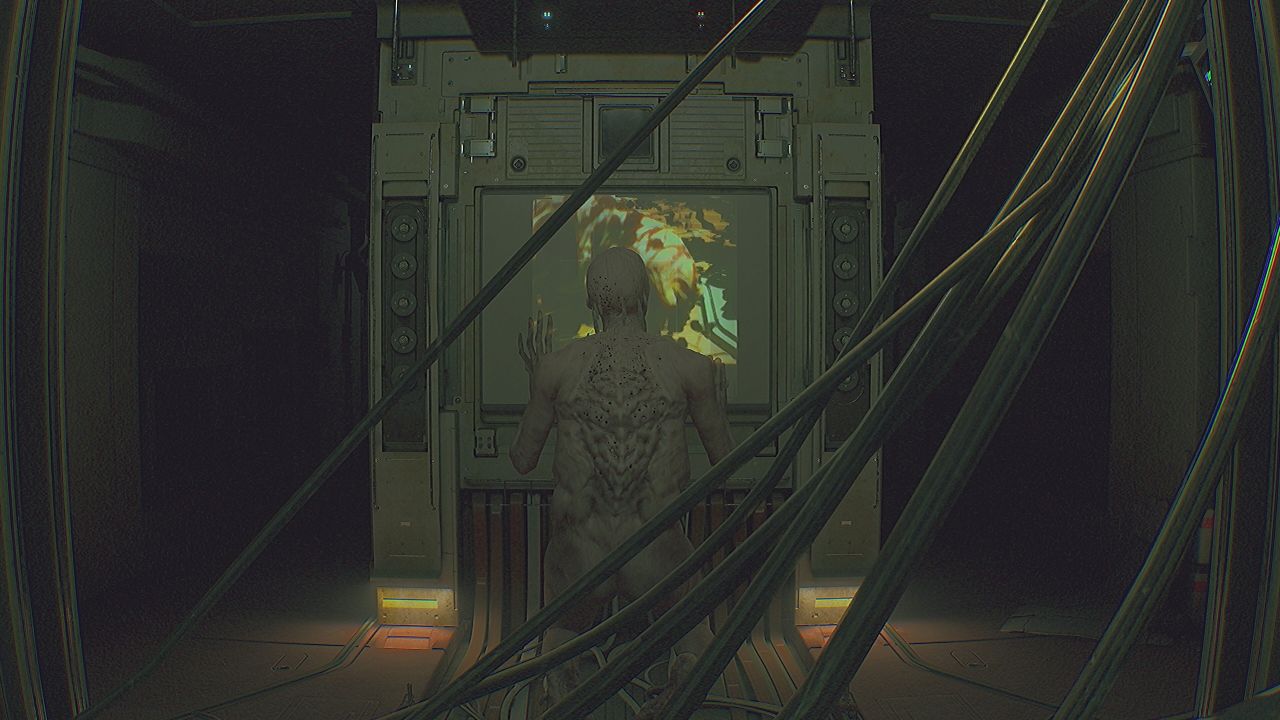
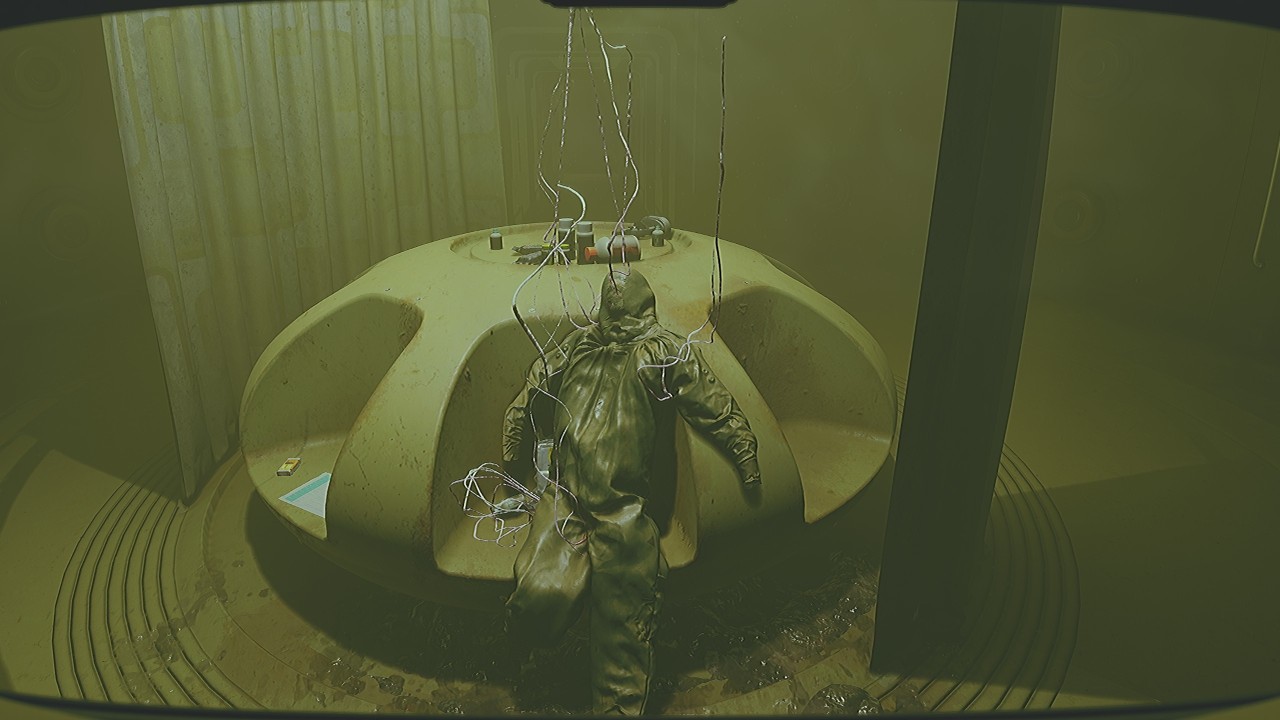
ROUTINE is visually interesting because it uses a lot of retro-futuristic styles. The moon base feels like a place that has been used, is somewhat worn out, and is probably used for industry. Dented metal, scratched surfaces, and CRT screens that don't match up make a space that feels very physical. Instead of relying on dull science fiction, ROUTINE chooses to focus on realness that can be felt.
Lighting is used only when needed and in a smart way. It's mostly dark, so you have to rely on small sources of light and your surroundings. Shadows make it harder to see how big and far away things are, which makes people feel more uncomfortable in the space.
The places in ROUTINE are often bigger than they seem, which makes people feel more alone and exposed.
The changes in the environment help the story move forward. The base's collapse can be seen in different ways in the residential, business, and industrial areas. ROUTINE is great at visual storytelling because it lets places tell their stories without the need for extra explanation. The result is an unsettling, unified world that honors close study.
One of ROUTINE's most important accomplishments is sound creation. Music is used very little in the story, only to highlight important parts instead of controlling how the audience should feel. The background sounds, from humming machines to footsteps in empty hallways, are part of the experience. ROUTINE uses quiet as a weapon just as easily as it uses noise.
Sounds that tell you where the enemy is are especially useful. The heavy footsteps of the Type-05 units make a sound that scares people before they can even see them. Without using cheap jump scares, sudden changes from calm to chaotic are disturbing. ROUTINE knows that fear grows when people are expecting something instead of when they are surprised by it.
Environmental sound makes participation stronger. If you don't take care of them, loose panels make noise like "creak," terminals make a "buzz" sound, and air systems make a "groan" sound. ROUTINE builds a realistic sound environment that makes things more tense without making the senses feel overloaded. The game's overall design mindset is reflected in the auditory restraint.
ROUTINE is a work of focused horror design. It focuses on mood rather than show, immersion rather than ease of access, and conflict rather than power fantasy. The game does a great job with interface design, environmental stories, and sound effects. ROUTINE works because it trusts people to think about what they do instead of just reacting.
The experience has some problems. The narrative's goal is bigger than the execution, and the pacing problems in the late game make it less scary. As players become familiar with the game, combat becomes less effective, and some tasks last too long. Still, these problems don't take away from the general success.
ROUTINE is a strong warning that horror works best with restraint. It might not change the genre, but it confidently and skillfully repeats basic ideas. ROUTINE gives players who want a deep, thoughtful experience a memorable fall into isolation.
Senior Editor, NoobFeed
Verdict
ROUTINE delivers a meticulously crafted horror experience driven by atmosphere, restraint, and tactile design. While narrative and pacing stumble late, its immersive world and sound design make it a standout for fans of psychological science fiction.
79
Related News
No Data.