
SAND: Raiders of Sophie Review
PC
Early Access
A PvPvE extraction shooter where your customizable mechanical fortress matters just as much as the loot you're chasing across a desert world.
Reviewed by Mahi Araf on Jun 23, 2026
Extraction shooters have become one of the busiest genres in multiplayer gaming. Games built around risk, reward, and the constant possibility of losing everything have carved out a loyal audience, but they've also become increasingly difficult to stand out in.
Many titles chase the same formula established by genre giants, tweaking a few mechanics while keeping the overall structure intact. SAND: Raiders of Sophie is unlike anything. Instead of just focusing on weapons, inventory management, or firefights, it builds its entire identity around something much bigger: a giant walking fortress called the Trampler.
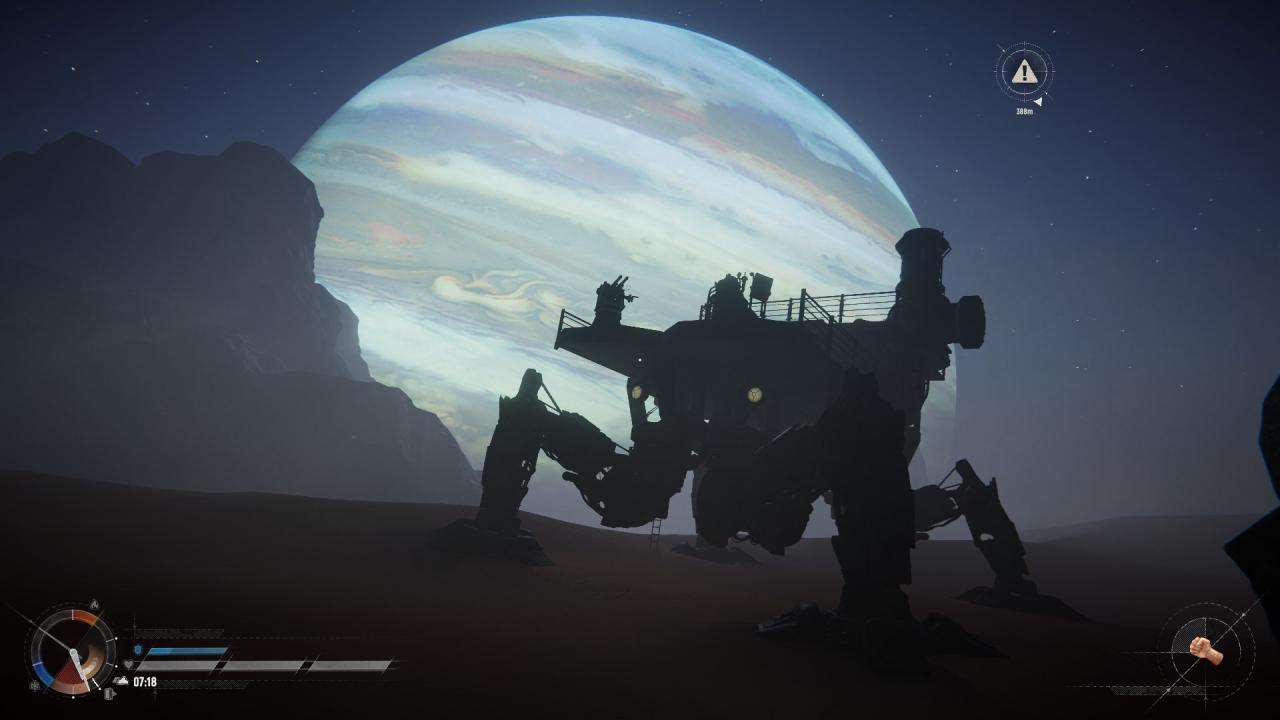
Published by TinyBuild, a company known for supporting unusual projects that don't always fit neatly into traditional categories, SAND: Raiders of Sophie immediately feels like a game that knows exactly what it wants to be. Rather than trying to compete directly with every extraction shooter on the market, it takes a specific piece of that experience. It develops it into the centerpiece of the entire game.
The result is a multiplayer experience that feels like Sea of Thieves transplanted into a massive desert, replacing sailing ships with towering mechanical walkers and replacing oceans with endless dunes. It's still an extraction shooter at heart, but the way it delivers that experience feels very different from most of its competitors.
The game takes place in an alternate version of the early twentieth century.
In this timeline, the Austro-Hungarian Empire didn't stop at conquering neighboring nations. Instead, it spread into space and began colonizing entire planets. One particularly important world in this expansion was Sophie, a resource-rich planet that was the crown jewel of the empire's ambitions.
The Kaiser had urged the Galatian settlers to move here, promising them wealth, opportunity, and new lands to call their own. Those promises were believed in. Cities were built, industries developed, and Sophie was a thriving colony.
Then came the disaster. A strange environmental catastrophe spanning the whole world. There were emergency evacuations, and people had to evacuate entire settlements. Oceans were swallowed by great dunes, cities rotted, and the once-rich world became a desert.
What remains is a strange frontier where former seabeds have become deserts and forgotten ruins conceal valuable resources. You don't come back here to Sophie for loyalty or nostalgia. You come back for profit. Lost technology, weapons, artifacts, and precious materials are scattered throughout the ruins of civilization.
The story itself is very much in the background.
This isn't a story-heavy game about characters, dialogue, and cinematic storytelling. The setting provides atmosphere and context for what you are doing instead. The world is mainly there to support the gameplay, but it does create an identity that is truly its own. The alternate-history science-fiction setting feels distinct from the usual post-apocalyptic environments seen in extraction shooters.
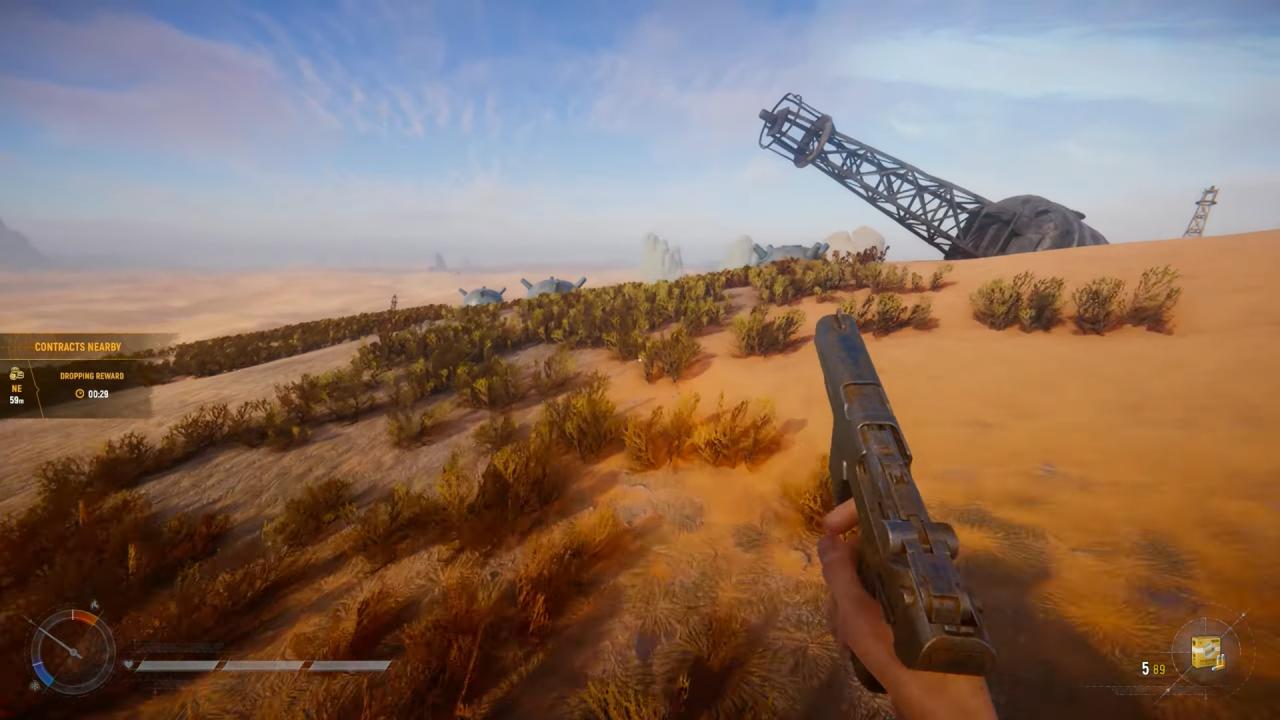
At its core, SAND: Raiders of Sophie is a PvPvE extraction shooter. You enter a raid, search for loot, fight enemies, survive encounters with other players, and attempt to escape with everything you've collected.
What separates it from nearly every other game in the genre is the Trampler.
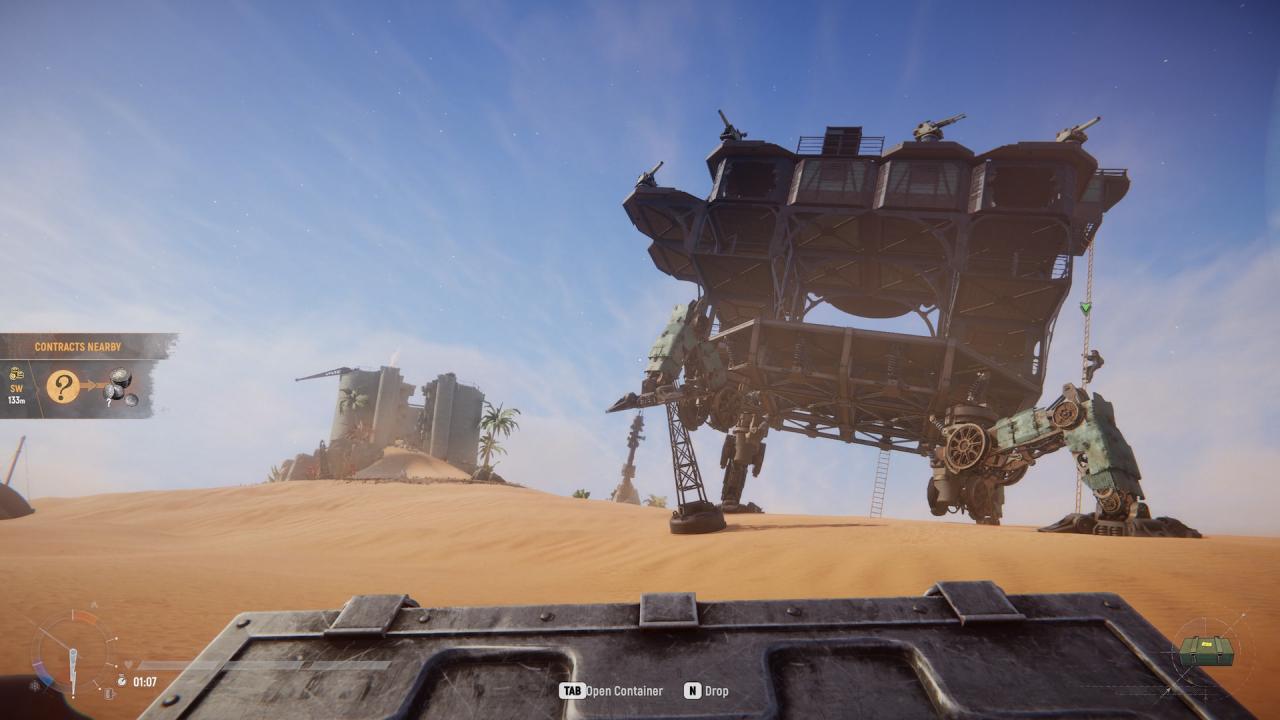
The Trampler serves as your transport, mobile base, loot storage system, respawn point, and combat vehicle all at once. More importantly, it becomes your main project outside of raids. Before entering a match, you construct your Trampler using a surprisingly accessible building system.
You determine its layout, storage compartments, engines, weapon placements, armor, and internal structure. Some players will build enormous walking fortresses packed with armor and cannons. Others may prefer smaller, faster designs that can move quickly between objectives.
The building system is a compromise between flexibility and accessibility. Players who tend to steer clear of heavily customized systems will soon learn how it works. Components snap together logically, the requirements are clearly communicated, and creating new blueprints becomes something you can comfortably do while waiting for friends to join.
One of the smartest design decisions is how the game handles progression and ownership.
Unlike survival games, where bases can be destroyed while you're offline, your Trampler extracts with you at the end of every successful session. That means you're never waking up to discover hours of work have disappeared overnight. You build, raid, extract, upgrade, and repeat.
The game supports solo play, but everything about the design clearly encourages teamwork. A full crew can contain up to six players. One person can drive, another can operate weapons, others can handle repairs, manage loot, or defend against boarding attempts.
That creates situations where communication is just as important as aim skill. Older groups or players who enjoy tactical coordination often benefit just as much as highly skilled shooters. The game often rewards tactics, positioning, and teamwork over pure reflexes.
Each raid is on huge desert maps, with ruins, deserted settlements, crashed ships, and other points of interest. Leave your Trampler, walk these locations, gather resources, and return everything before heading to extraction. There are a lot of raid mechanics in the game at the moment.
Voyage Mode is a more relaxed experience where you can learn mechanics, test vehicle designs, and collect lower-tier resources with less pressure. Storm Dive Mode is a lot more intense. A massive sandstorm creeps in slowly, shutting off safe zones and forcing players into each other. The endgame is often a full-on fight, with many crews trying to stay alive and gain access to the biggest rewards.
Combat is where SAND: Raiders of Sophie becomes both impressive and occasionally frustrating.
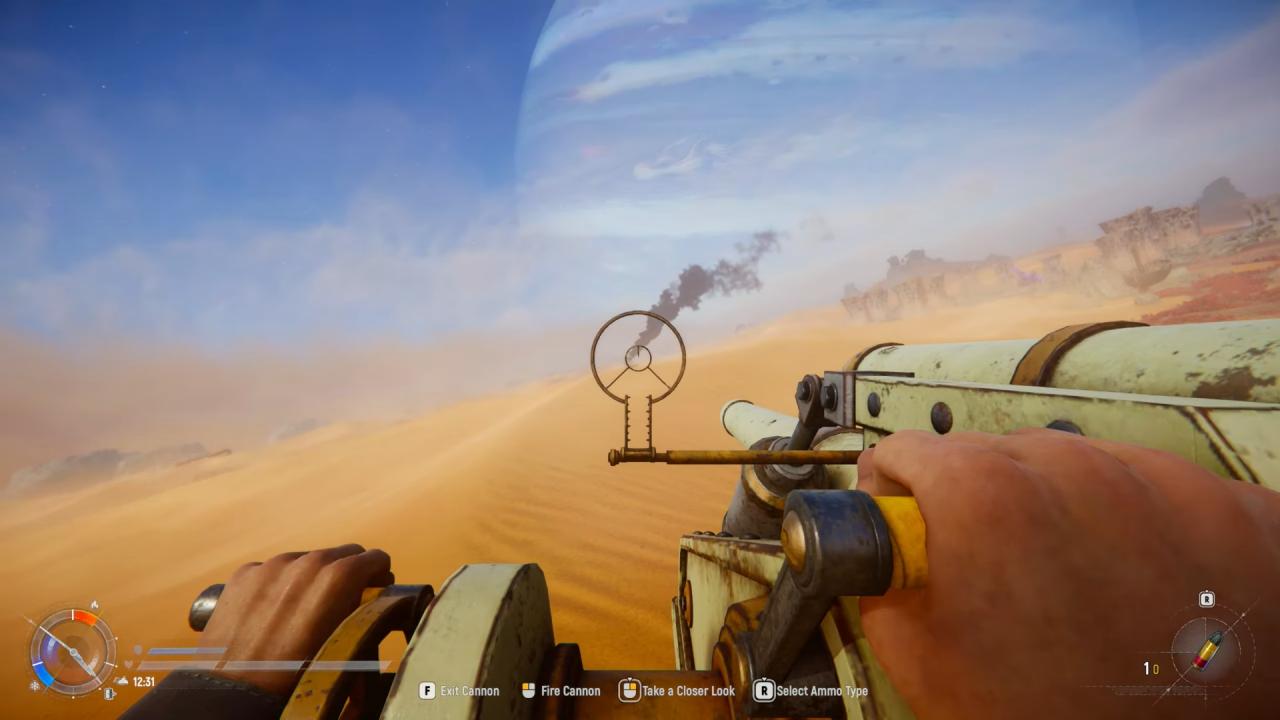
The player-versus-player encounters are easily among the game's strongest elements. Battles between Tramplers create dynamic, unpredictable moments. Sometimes two heavily damaged crews end up exhausting their ammunition supplies and resorting to desperate hand-to-hand fights beneath the legs of their disabled walkers. Other times, you'll exchange artillery fire across dunes while trying to turn off enemy engines or destroy critical ship components.
Unlike many extraction shooters, death isn't always the end of your match. Crew members can respawn on their Trampler as long as the vehicle remains operational. This changes the overall tone significantly. Encounters remain intense because valuable loot is still at risk, but individual deaths don't immediately remove you from the action.
That design creates a more approachable form of competitiveness. Losing a firefight doesn't necessarily end your session. A damaged Trampler can often be repaired, rebuilt, and limped toward extraction even after suffering severe damage.
The boarding mechanics are another clever addition.
Unlike Sea of Thieves, where you can easily board your foes and create a mess, SAND: Raiders of Sophie has plenty of ways to defend yourself. Locked doors, airlocks, and compartment systems make infiltration far more difficult. Successful boarding attempts feel earned rather than cheap.
The vehicle combat is especially memorable. Massive cannons fire shells the size of your torso. Engines explode. Armor plates shatter. Entire walkers collapse after sustained bombardment. Ramming attacks are possible. Critical components can be targeted. The battles often feel cinematic without requiring scripted events.
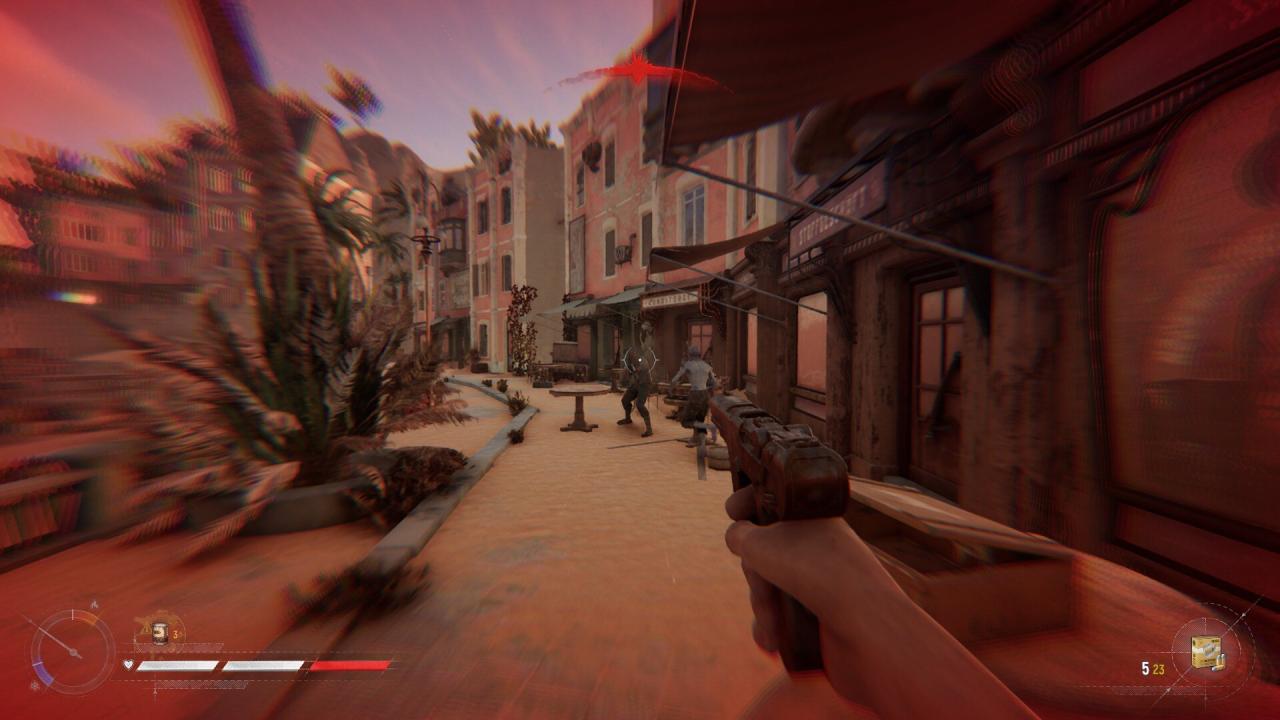
However, the combat isn't flawless. Weapon handling occasionally feels inconsistent. Some firearms behave strangely, hit registration can become unreliable during network-heavy encounters, and various forms of jank still appear throughout the experience. Players who demand perfectly polished competitive gameplay may find these issues frustrating.
The PvE side is less impressive. AI enemies tend to feel simplistic compared to player-versus-player interactions. Most encounters are based on inflated health pools rather than sophisticated behavior, whether you're battling hostile creatures, zombies, or larger enemy walkers.
Difficulty often arises from the sheer number of bullets an enemy can soak up instead of forcing you to develop new strategies. This means that PvE encounters can get boring over time. Thankfully, they're rarely the main attraction. Most of the excitement is in the interactions between player crews.
Progression is all about gathering resources, making money, and researching a tree of new technologies to unlock.
Every successful raid helps you broaden your options. New technologies unlock additional construction components, weapons, modules, and customization options for your Trampler. Some of the upgrades are cosmetic, but there are a ton that offer real gameplay benefits.
This progression system is a very strong motivation to keep playing. You're not simply gathering loot for larger numbers. You're actively expanding the possibilities of what your vehicle can become.
The economy also remains relatively approachable compared to some extraction shooters. Inventory management exists, but it never reaches the overwhelming levels often associated with games like Escape from Tarkov. You spend less time managing menus and more time actually playing.
The loot distribution system is especially refreshing for group play. The game doesn't make your teammates compete for loot; it just divides the loot evenly amongst the players, but players can choose to pass on items they don't want. This keeps the focus within your own squad on cooperation, not competition.
Just a few successful raids can lead to many ideas for future upgrades, experimental builds, and new equipment combinations. The feeling of perpetual progress keeps the momentum going between games.
Visually speaking, SAND: Raiders of Sophie is more about style than technical prowess.
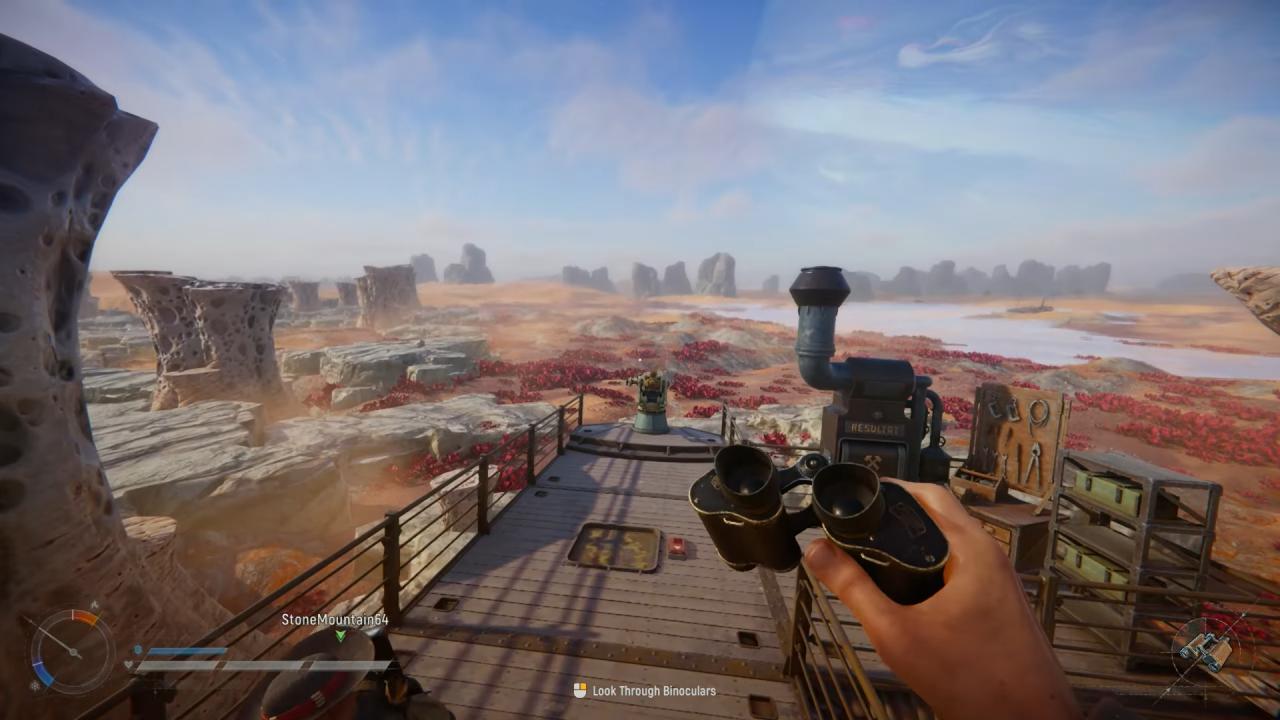
The game's alternate-history setting influences its appearance. A combination of dieselpunk machinery, early-twentieth-century influences, and giant mechanical walkers creates an instantly recognizable identity. The Tramplers themselves are pretty impressive. It's a nice touch that each custom design reflects its crew's personality, making the vehicles mobile showcases of player creativity.
The deserts of SAND: Raiders of Sophie do a great job of communicating the vastness of a world turned upside down by catastrophe. Dunes replace the oceans, and the landscape is dotted with ruined settlements, with great wrecks standing as landmarks throughout the environment.
At the same time, technical issues persist.
During testing, players experienced graphical bugs, resolution issues, occasional clipping, network-related visual glitches, and various performance hiccups. None of these problems felt fundamentally damaging to the game's core design, but they were noticeable. Fortunately, most of the problems will likely be fixable through optimization and post-launch support rather than deeper structural flaws.
The audio design is probably the game's biggest strength. Its heavy artillery makes a hell of an impact. Those cannon booms sound strong. Engines rumble for real. There are explosions in the desert. Every major battle has its soundscape that always underlines the scale of what's going on.
The music is just as memorable, even if it feels a little weird sometimes. The soundtrack reflects the game's odd identity and will have you humming tracks long after the session is over. Some songs feel almost wrong for what's happening on screen, but for some reason, they work because they are so different.
The audio, coupled with the mechanical noises of the Tramplers and the constant chaos of battle, helps sell the fantasy of running a massive walking fortress in a hostile desert world. SAND: Raiders of Sophie doesn't try to reinvent extraction shooters entirely.
Instead, it focuses on one central idea and develops it exceptionally well. The Trampler transforms almost every aspect of the experience, creating something familiar while still offering mechanics few competitors currently provide.
The strongest moments come from the interactions between players.
Coordinating with a crew, surviving desperate vehicle battles, repairing damaged walkers, fighting through final storm circles, and extracting valuable loot create stories that feel unique to each session.
Not everything works perfectly. The AI isn't deep, combat is still clearly jank, and there are still technical issues. Players looking for a strong narrative or a purely solo experience will also be disappointed.
But all its faults aside, the entire package feels surprisingly complete. The progression systems are satisfying, the vehicle customization is actually fun, the multiplayer dynamics create memorable situations, and losing is often fun too.
Most importantly, SAND: Raiders of Sophie knows what it wants to be as a game. Instead of spreading in all directions, it focuses on its strengths and builds a surrounding experience. That focus helps it stake out its own niche in a crowded genre where many games struggle to find their own identity.
Senior Editor, NoobFeed
Verdict
SAND: Raiders of Sophie's customizable Trampler system makes for some memorable crew-based extraction gameplay. There are still some AI and technical issues, but the PvP, progression, and teamwork offer a truly fresh take on the genre.
72
Related News
No Data.