

GPU Prices Expected to Rise Sharply as Memory Costs Spiral Out of Control
Escalating component prices threaten long term affordability of PC gaming and high performance computing hardware.
Hardware by Okazaki on Jan 02, 2026
More and more people are worried that graphics cards may eventually be seen as investments instead of consumer electronics. A new rumor claims that GPU pricing could reach levels once thought impossible for the gaming and PC sectors.
Rising memory prices are one of the main reasons GPU prices are projected to rise. As the price of RAM rises, it affects all hardware that uses memory components. GPUs are a perfect example of this. News sources say Nvidia and AMD are both expected to raise GPU prices significantly starting early next year, as the cost of parts rises.
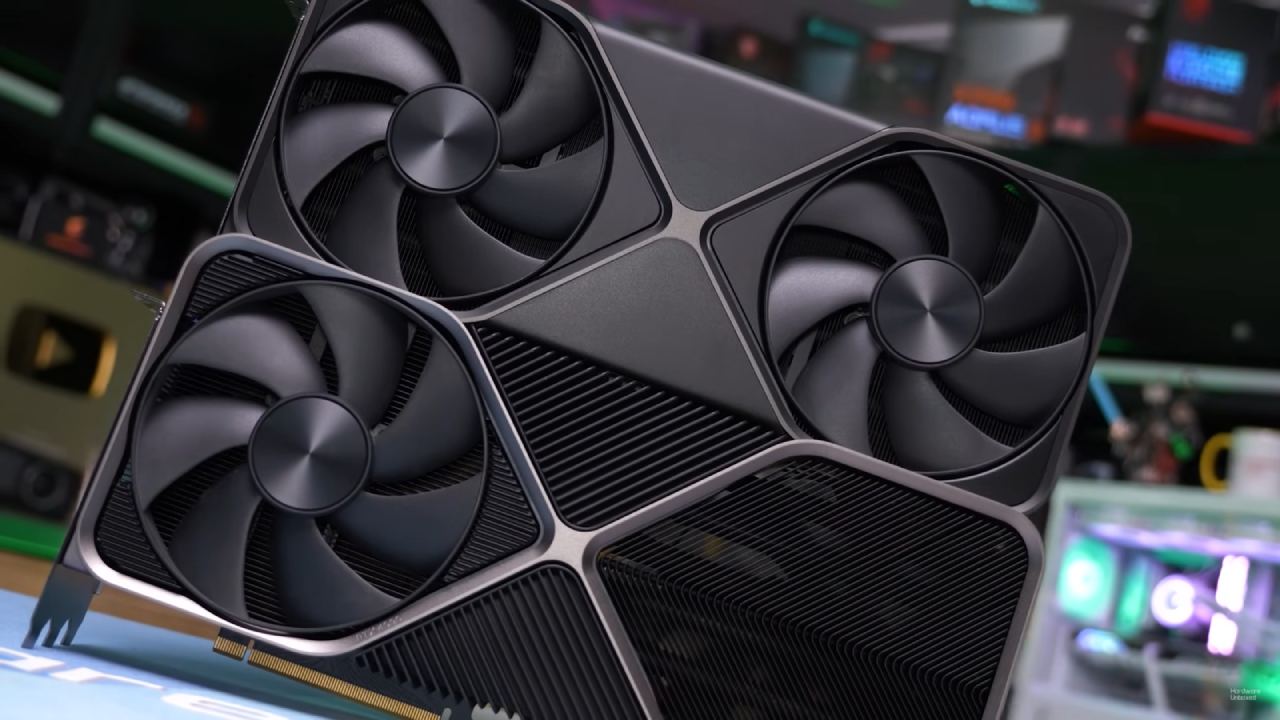
Rumor about RTX 5090 Price Sets Off Alarm
Graphics card prices could reach $5,000 in 2026, with the lowest price at $1,999. It is said that the RTX 5090 is linked to that number. Insider Gaming originally brought attention to the material, which said Nvidia might raise the price of the RTX 5090 to $5,000 next year. The rumor isn't out of the blue or out of the ordinary, given recent trends.
AMD and Nvidia are likely to raise prices together.
If you were expecting AMD to go against the trend, it doesn't look like they will. Starting in January and February, Nvidia and AMD are both reportedly preparing to raise the prices of their GPUs. These price hikes are not likely to be one-time changes. Instead, it is said that both corporations aim to raise prices slowly each month, affecting all their products.
Effects Beyond Graphics Cards for Consumers
The disclosed pricing scheme extends beyond consumer GPUs. Prices are also likely to go up for GPUs used in servers, data centers, and AI applications. Costs are rising in those areas, which could ripple through other companies that rely on AI infrastructure. Because of this, you could have to pay more for services that use that gear.
The console market is also under significant stress.
You might think console gaming isn't affected. Still, the rising cost of RAM has already caused delays for the next generation of consoles. Reports say hardware makers are struggling with declining margins, even when they already have stock on hand. Console sales may drop even further if prices go up. Reports from the last several weeks indicate that November sales were the lowest in 20 years. This is because people are spending less, and prices are rising across the board.
A Change in the Market Toward Subscriptions
As GPUs can cost up to $5,000, owning one becomes less viable for many individuals. We might be heading toward a future where you pay for access instead of owning hardware. This change is already clear in cloud gaming services. Subscription prices have gone up, bandwidth constraints have tightened, and monthly rates keep rising. When the cost of hardware is close to the cost of a used automobile, fewer people will be able to play PC games the old-fashioned way.
RAM Prices Set the Standard
The problem started with the price of RAM. PC memory used to be one of the cheapest parts, but now it's one of the most expensive. Reports say RAM costs rose by as much as 250% earlier this year and by an average of 25% since late November. Some kits went up by 50% or more.
The price of a Kingston Fury kit with 16GB of memory went from $62.99 to $241. The price of a 64GB GSkill kit went up from $249 to $669. The price of a Corsair Vengeance package went up from $239.99 to $899. These modifications set a trend that makes GPU pricing hikes seem reasonable rather than crazy.
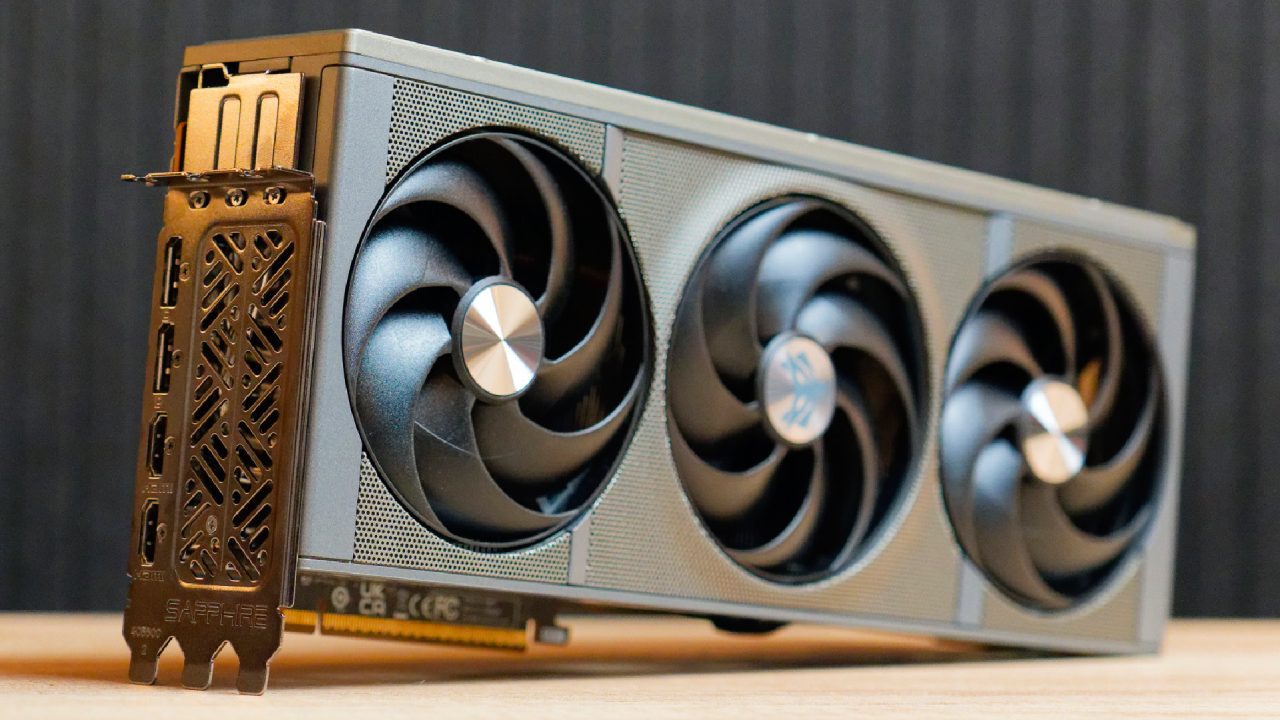
What Hardware Buyers Should Expect in the Long Run
More people won't be able to build or upgrade PCs if the prices of GPUs, CPUs, and RAM keep rising. As AI becomes more common, CPUs may follow suit. As manufacturers try to offset rising production costs, console prices may rise again. History suggests that it is rare for prices to fall after they rise and then decline in value.
Final Thoughts
Some consumers are preferring to acquire hardware sooner rather than later because reports say GPU prices will rise each month going forward. It may soon be difficult to get a GPU at its original MSRP. Work-related purchases may still be worth the cost, but consumer gaming is facing increasing problems.
The future is still unclear, but existing trends suggest prices will keep rising over time rather than just for a short time. The hardware market may continue migrating away from ownership toward paid-access models if demand and supply don't change.
Also, check our other hardware articles below:
- AMD Ryzen 9 9950X3D Review: Setting The Standard For 2025 Gaming CPU
- Amazon Luna 2025 Review: Is Prime Gaming's Cloud Service Your Go-To For Casual Fun?
- AMD RX 9070 XT Review: AMD's RDNA 4 Champion for 1440p Gaming
- GeForce Now Ultimate: Ditching Your Gaming PC For Cloud RTX 4080 Power?
- NVIDIA GeForce RTX 5080 Review (2025): Still A 4K Gaming Powerhouse?
- Intel Core Ultra 9 285K Review And Performance Breakdown (2025)
- AMD Ryzen 7 9800X3D Review: 3D V-Cache Goes God Mode with Stunning Gaming Performance
- Intel Core Ultra 9 285K vs AMD Ryzen 7 9800X3D: In-Depth Gaming Performance and Benchmark Comparison
- NVIDIA GeForce RTX 5080 Super Performance In Cyberpunk 2077: Path Tracing & DLSS 4.0 Tested
- AMD Radeon RX 9070 XT In Cyberpunk 2077: Ray Tracing & FSR 4.0 Tested
- Intel Arc B580 Review: The $250 GPU Revolutionizing 1440p Gaming
- Intel Arc B570 Vs. B580: Value, Specs, And Real-World Gaming Performance
- RTX 5090 Laptop Vs. M4 Max MacBook Pro: Ultimate Raw Performance Vs. Battery Endurance
- Intel Arc b580 Vs. RTX 4060: Game Performance And Value Analysis
- RTX5090 Hell Is Us Demo 4K Ultra Benchmark: DLSS Vs. Native Performance Guide
- NVIDIA RTX 5070 Review: Mid-Range Muscle or Marketing Hype?
- Nintendo Switch 2 Review: Handheld Performance, Features & Value Breakdown
- RTX 5070 Ti Review: Performance, Thermals & Power Efficiency Tested
- Samsung Odyssey OLED G81SF Review 2025: Ultimate 32-Inch QD-OLED Gaming Monitor
- AMD RX 9070 Performance Review: Thermals, Clocks, and Real-World FPS
- AMD Ryzen 5 7600 Review: Best Budget Gaming CPU of 2025?
- AMD Radeon RX 7800 XT Review: RDNA 3 Power For Midrange Gaming
- Asus ROG RTX 5090 Astral OC Vs. Founders Edition: The 4K Gaming Benchmark
- Intel Core i5-13400F Gaming Performance: Still Worth It in 2025?
- ASUS GeForce RTX 5090 LC Liquid Cooled GPU Review: Unmatched Silence & Speed
- ASUS ROG Ally X Handheld Review: Double the Battery, Double the Comfort
- Lenovo Legion Go S Review: The Ultimate Steam Deck 2 Alternative
- Sapphire NITRO+ AMD Radeon RX 9070 XT Review: The Ultimate 4K Gaming GPU
- Alienware 16 Area 51 Review: The Ultimate 2025 Gaming Laptop
- Alienware Area-51 Review: Unmatched 4K, Thermal, and Acoustic Performance
- AMD Ryzen 7 7800X3D: Delivers Gaming Performance Far Beyond Expectations
- AMD Ryzen 9 7900X Review: Powering the AM5 Era with DDR5 & PCIe 5.0
- Intel Core i9‑14900K vs. AMD Ryzen 7 7800X3D: Power Profiles & Gaming Benchmarks
- Intel Core i9 14900K: Specs, Benchmarks, and Competitor Comparison
- ASRock Radeon RX 7800 XT Challenger OC Review: Best Price-to-Performance GPU of 2025
Editor, NoobFeed
Latest Articles
No Data.