
The Hidden Costs of Free to Play Games: What You’re Really Giving Away
Other by John Snow on Aug 04, 2025
"Free to play" sounds like a deal you can't pass up, right? You can get the game for free, play it right away, and have a good time, don’t you?
But gamers who have spent time in these ecosystems know that "free" often comes with a cost, whether it's money, time, or privacy. Free-to-play games may look like they have a simple economy, but it's much more complicated and far-reaching.
The Lure of "Free"
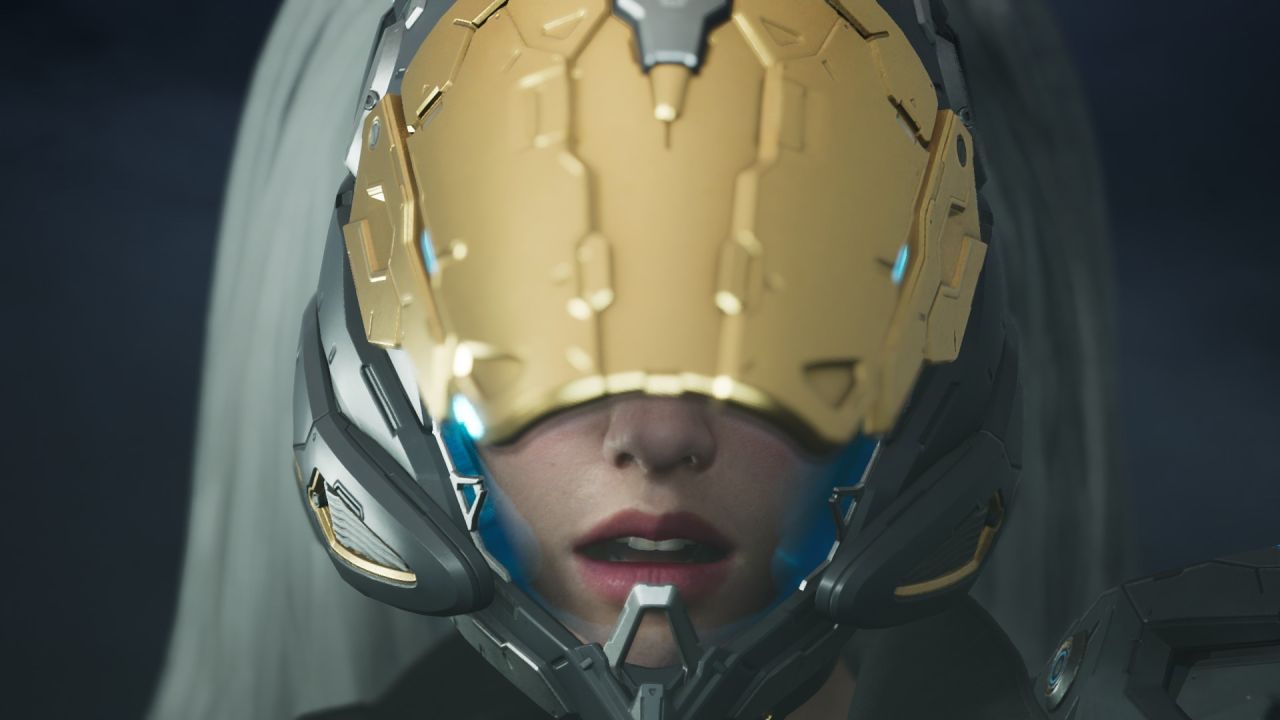
People who make games know a lot about how people think. When you hear that a game is free, you want to play it right away. People are much more likely to try something if they don't have to pay for it right away. But the world changes once they start playing.
Battle passes, unlockable characters, and cosmetic upgrades make it so that having fun and being competitive often depend on spending money. You get nudged, reminded, and rewarded to make small purchases over time.
The point of these games is to make you want to play all the time (making the game addictive). Social pressure from multiplayer systems, daily rewards, and time-limited offers really make players want to spend money on these games.
You can download the game for free, but it can feel like you're walking uphill when you try to get ahead without paying. To make matters more complex, many players in countries with stricter online regulations may use tools like a VPN to access international servers, exclusive in-game content, or to avoid regional price discrimination.
Time Isn’t Always Free
Time is another hidden cost of free-to-play games. These games are often set up so that you have to check in often, grind a lot, or wait a long time unless you pay to skip them. Many players fall into a pattern of checking the game constantly to earn rewards, finish challenges, or keep up with other players.
This kind of design not only takes up a lot of time, but it also changes the player's focus. They don't play for fun anymore; they play to keep making progress. Playing games can go from fun to stressful and mandatory, especially in competitive games.
Also, community features like clans and guilds add social responsibilities. You need to be there, do your part, and keep up with the other kids. Suddenly, your free time starts to feel like a second job.
Your Data as Currency
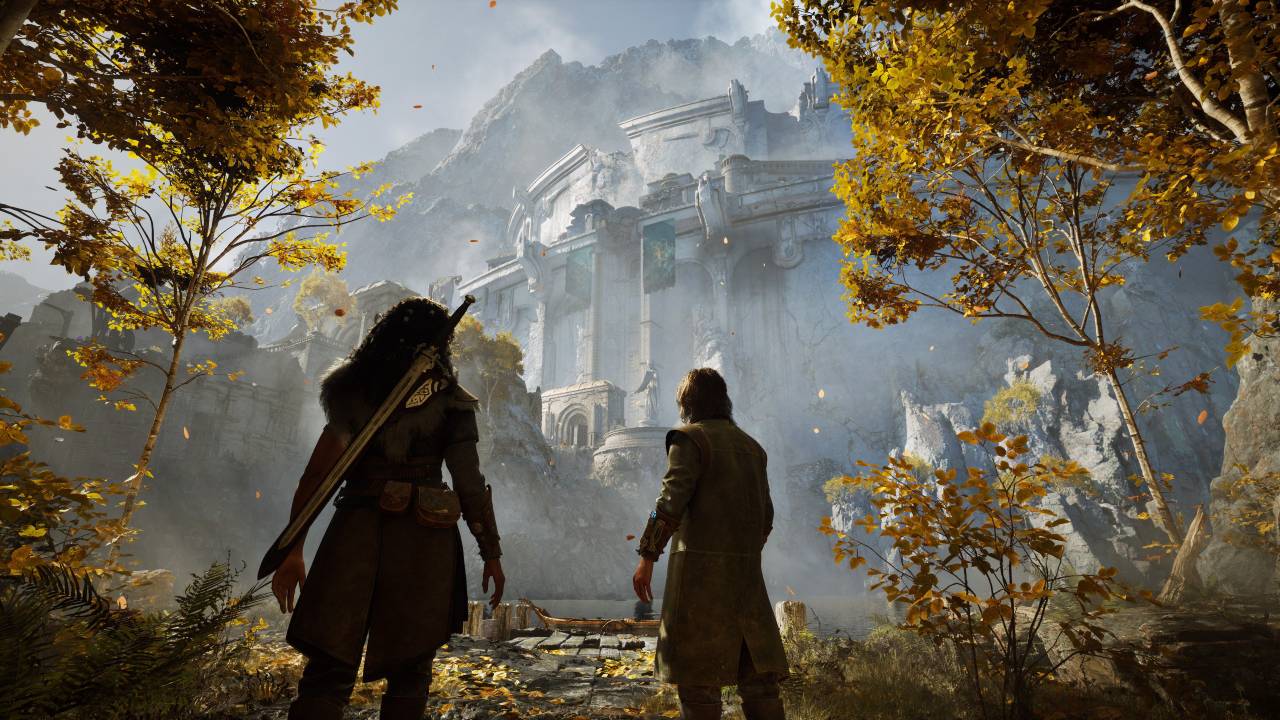
If you're not paying with money, you're probably paying with something else, like your personal information. Many free-to-play games collect a lot of data from users, like the device they use, where they are from, how they play, and how much money they spend.
Now, advertisers collect that data, other third parties buy it, and even the game itself uses it to change how players act.
User profiling lets these games change prices, make personalized offers, and target ads. If you've ever wondered why a certain character skin is always on sale when you log in, it's probably because the system knows what you like better than you do.
As this detailed breakdown of the hidden costs behind free games notes, what appears to be a simple pastime is often a finely tuned data-extraction model disguised as entertainment.
The Ethics of Monetization
Not all ways to make money are wrong, but many free-to-play models make it hard to tell the difference between fair play and cheating. Some games are made for kids or younger people and have flashy graphics and rewards that make people want to buy things right away.
Others use "whale" strategies, targeting a small portion of users who are willing to spend big, often through psychological tactics that encourage compulsion. This method makes the gaming experience uneven and can sometimes take advantage of weak players.
It brings up important questions about rules. Should there be limits on how much people can spend? Should businesses be more open about how they collect and use data? The industry still debates the answers.
Academic Perspective on Free-to-Play Dynamics
According to a study on free-to-play game monetization, most players know about manipulative tactics but still choose to engage because of social dynamics and game progression systems.
The study says that being open, charging fair prices, and giving users more control can help with some of the more predatory parts of free-to-play models. But change is likely to be slow as long as these games make money.
Community Impact and Social Pressure
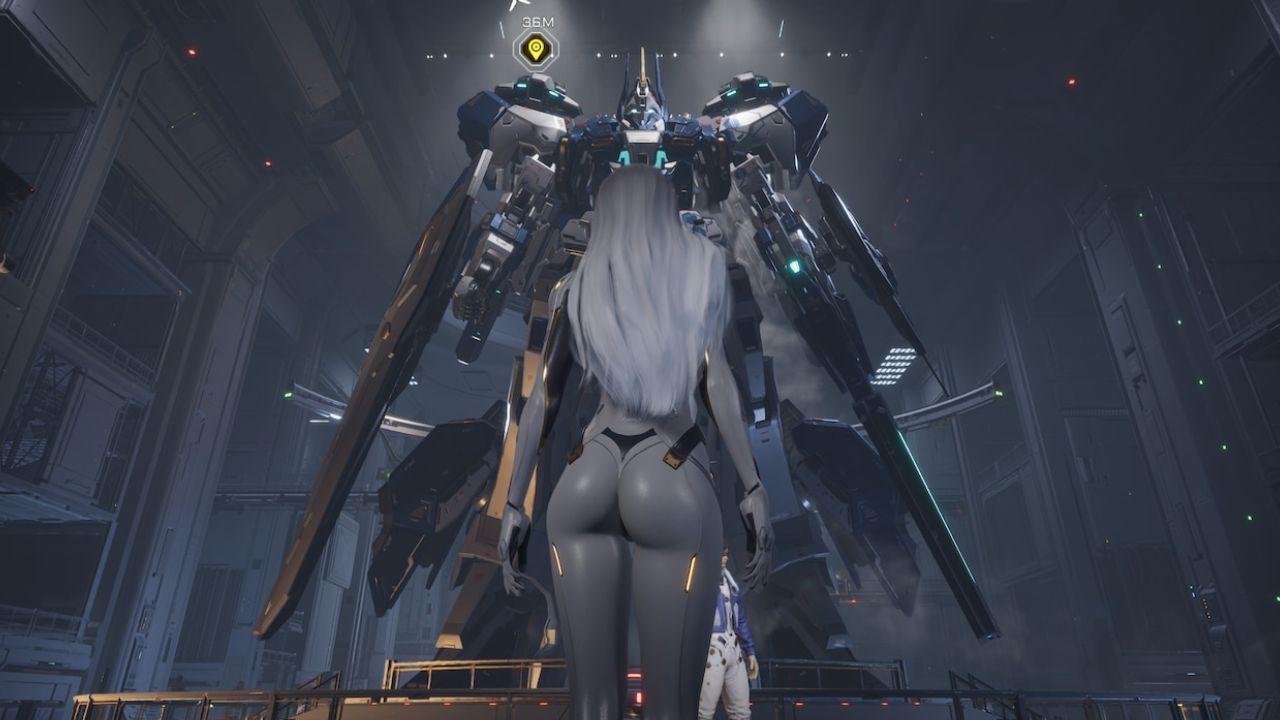
In multiplayer games, you need to have the best gear!
It's also a way to show off your social status. Players who don't spend money may not be able to go to some events or keep up with their friends.
This pressure is made worse by the rise of streaming culture and social media. Casual gamers might feel like they're missing out when they see a popular streamer with high-end gear. This feeling of not being good enough can definitely make players want to spend more than they can afford.
Conclusion: Play Smart, Stay Aware
Nothing is really free, whether it's money, time, data, or peace of mind. Before you hit "download", you should think about what the game might really want. You can have a healthier relationship with these digital worlds by staying informed, setting limits, and taking breaks. Games should be fun for you, not the other way around.
Moderator, NoobFeed
Latest Articles
No Data.