

Panther Lake vs. AMD Gorgon Point: High-End Laptop Efficiency and Pricing Breakdown
Intel efficiency gains create an opportunity for AMD if they fail to respond to Panther Lake effectively in 2026.
Hardware by Vecna on Feb 10, 2026
A few months ago, there were rumors that Panther Lake was really more of a Strix Halo rival than a Strix Point competitor, at least when price was taken into account.
Because of where it was placed, it had to perform at least as well as Strix Halo while also offering better features or greater efficiency, so people would choose it over AMD's 1-year-old top APU. Recent news stories have shown that Panther Lake does reach that goal, at least for the 12XE Core iGPU models.
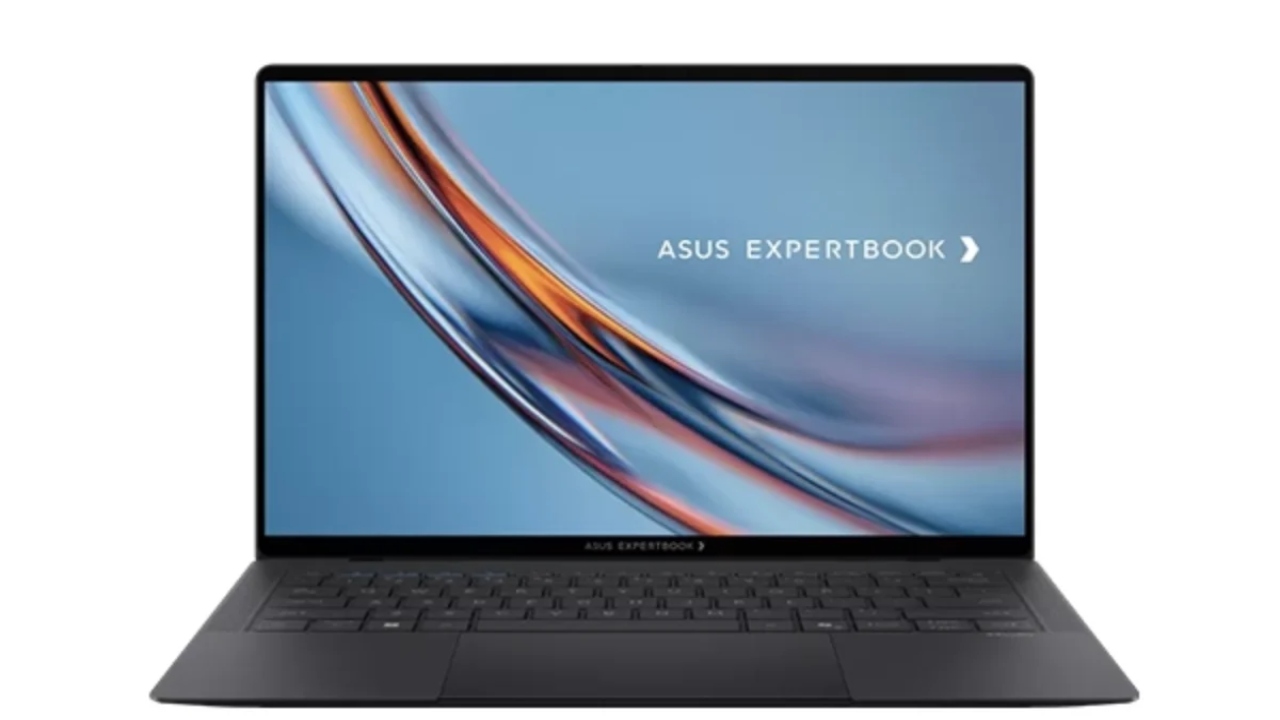
When their power levels are low, these types fight Strix Halo. Even though they don't always win and definitely lose when the power exceeds 35 W, they get better features and are much more efficient in exchange. Because it is so efficient, Panther Lake can carve out a clear performance niche in laptops for 2026. This finally gives Intel better competition against AMD than we've seen in recent years.
Positioning for Panther Lake Performance
When power is reduced, Panther Lake's 12XE Core iGPU models can compete with Strix Halo, but they don't always perform better. Panther Lake falls behind when power exceeds 35 W, but the efficiency gains are still significant.
You get better features and much better power efficiency in exchange for a slight drop in peak speed. This balance is what makes Panther Lake stand out rather than just copying AMD's current lineup. In a wider sense, this means that Panther Lake is an important product for Intel and a good alternative for high-end laptops after 2026.
Pricing Reality Behind the Scenes
Along with predictions about success, early on, prices were also set. Panther Lake was supposed to cost a lot more than Strix Point and Gorgon Point. This would make it a Halo-class product, both in terms of how well it works and how much it costs to make.
New information from OEM and store sources backs up the fact that Panther Lake is pricey, sometimes very pricey. Panther Lake laptops with the more powerful 12XE Core iGPU are priced behind the scenes at around $1400 to $2400, with at least one store saying the usual price is around $2100.
When you look at the better iGPU models at the bottom of that range, they are usually Ultra X7 configurations instead of Ultra X9 setups. Performance goes down a little because of this, by about 6% in single-threaded workloads and about 10% in multi-threaded tasks.
That's when it's not faster than Gorgon Point and might even be slower than both Gorgon Point and Strix Point for jobs that use more than one thread. Even so, Panther Lake's efficiency advantage remains a strong reason to consider it, as long as expectations are reasonable.
The Low-End Models and Misleading Price Claims
There are rumors that Panther Lake computers might cost around $1000, but those prices don't apply to the top-of-the-line models. Systems that cost that much only have 4XE cores, which is about a third of the iGPU resources in the best models, most fans are excited about.
According to people who know about these systems, testing shows that the 4XE types don't have as good graphics as the more expensive ones. In some cases, they're only about a third as good. That puts them behind not only Gorgon Point's built-in images but maybe even Strix Point's.
Panther Lake may still be appealing in those situations because it works well, but you need to know what you're getting. Intel indeed has a good product here, but the best versions won't come cheap, and the cheaper ones will have significant graphics performance issues.
Manufacturing Costs and Supply Constraints
One OEM was ready to say in public why Panther Lake prices are set the way they are. Panther Lake costs much more than Lunar Lake, and supplies are very scarce. Also, Panther Lake doesn't come with memory preinstalled, so OEMs have to buy RAM separately, which costs much more.
Lunar Lake, on the other hand, came with memory built right in, which protected OEMs from rising RAM costs. Because of this, Panther Lake systems are pricey not only because of the CPU but also because memory is expensive.
As a result, people should expect the best Panther Lake computers to cost around the same as the Strix Halo. That OEM says that, until most of 2026, people who want to save money should consider getting Lunar Lake computers. Many companies stocked up on Lunar Lake APUs with cheaper memory already built in because they expected RAM prices to rise.
These stocks are now being used as a strategic reserve, ensuring that computers will still be available at reasonable prices year-round. Sometimes, Lunar Lake devices might even be less expensive than options in Gorgon Point.
What the Pricing Means for the Laptop Market
Panther Lake costs a lot more than Lunar Lake and Gorgon Point, according to an OEM. Because of this, fully loaded, high-quality Panther Lake laptops are expected to cost more than Strix Halo and future Gorgon Halo systems.
That fact makes room for AMD, especially if Intel ends up charging a lot for its most efficient range of the year. The next question is what AMD will do to sustain the momentum it has built in the laptop business over the past 9 years.
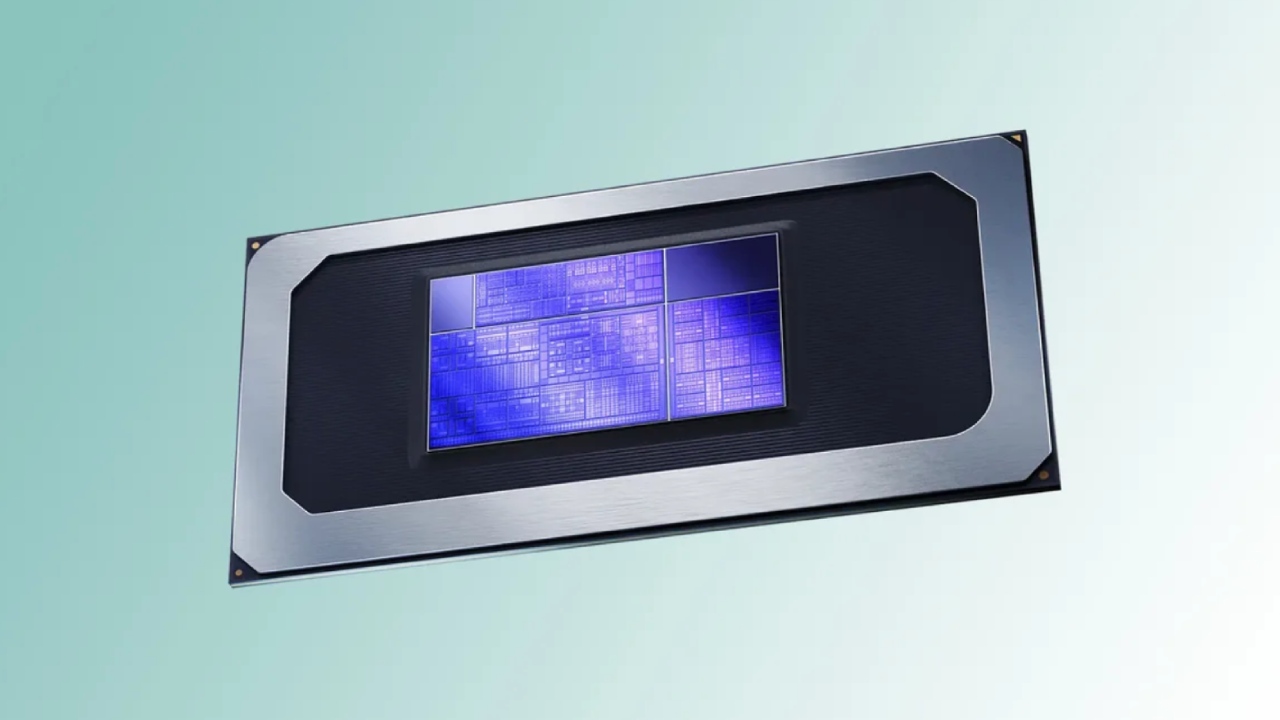
Why AMD Cannot Ignore Panther Lake
Even though it costs more, Panther Lake is a real win for Intel. About two-thirds of the x86 market and almost 80% of the laptop market are still owned by Intel. AMD has been working hard for years to reach 20%+ in laptops.
It would be a big mistake for them to lose that progress because of a slow reaction. Relying solely on AI-generated messages is not enough. It looks like Intel is finally answering back with features and performance that can compete with AMD's, and AMD can't ignore that.
Option One: Accelerating Zen6 APUs
One answer could be to stop putting off the Zen6 APU plan. Zen6 APUs made on 3nm might be able to outperform Panther Lake even if they don't use bonus 2nm cores. A less expensive Zen6 setup with 10 cores and 8 CUs could easily match or beat cheap Panther Lake processors with only 4XE cores.
High-end setups, like a 14-core Zen6 with 24CUs, might have about 50% better CPU performance than Gorgon Point and maybe even twice as good integrated graphics performance, easily beating the best Panther Lake models.
At the very top, a Medusa Halo setup with 14 Zen6 cores and 48CUs of RDNA5 could have much better CPU performance than Gorgon Halo, especially for jobs that only need to be done once. It would also improve iGPU performance by about 50% to 80%.
A 256-bit LPDDR5X setup could still beat all of Intel's APUs, even without LPDDR6. This is because it doesn't require the advanced packaging costs that make Panther Lake more expensive.
Option Two: Pushing Gorgon Point and Gorgon Halo Aggressively
The second choice is based on what AMD already has. Don't put off Gorgon Halo until the end of the year. It could be a strong competitor to Panther Lake if it got even 5% to 10% better than Strix Halo and used 20w of power more efficiently. It is very important to launch earlier, preferably in time for back-to-school demand.
Just as important is setting prices aggressively. Panther Lake's main benefit is efficiency, not speed. If Gorgon Point can be bought for less than the base Panther Lake models, it will look very good on price and efficiency.
As well, many people would probably choose AMD's clearly faster laptops if the prices of Gorgon Halo laptops were closer to $1500-$2200, rather than pushing toward $3000.
Final Thoughts
Panther Lake is not a cheap product, even when set up properly. Making it is expensive, supplies are limited, and high memory costs have a big effect on it. Still, it works very well and performs well enough to support its place in the premium laptop market. That makes it a real threat to AMD's recent progress.
For AMD, there is no way to stay still. There needs to be a reaction, and it should be either faster Zen6 APUs or aggressively pricing Gorgon Point and Gorgon Halo.
Ideally, both should be done. Intel is not the loser, and the market could easily return to a near-monopoly if AMD lets Intel maintain its efficiency and mindshare for a full year. Not only would that hurt AMD, but it would also hurt customers in the long run.
Also, check our other hardware articles:
- AMD Ryzen 9 9950X3D Review: Setting The Standard For 2025 Gaming CPU
- Amazon Luna 2025 Review: Is Prime Gaming's Cloud Service Your Go-To For Casual Fun?
- AMD RX 9070 XT Review: AMD's RDNA 4 Champion for 1440p Gaming
- GeForce Now Ultimate: Ditching Your Gaming PC For Cloud RTX 4080 Power?
- NVIDIA GeForce RTX 5080 Review (2025): Still A 4K Gaming Powerhouse?
- Intel Core Ultra 9 285K Review And Performance Breakdown (2025)
- AMD Ryzen 7 9800X3D Review: 3D V-Cache Goes God Mode with Stunning Gaming Performance
- Intel Core Ultra 9 285K vs AMD Ryzen 7 9800X3D: In-Depth Gaming Performance and Benchmark Comparison
- NVIDIA GeForce RTX 5080 Super Performance In Cyberpunk 2077: Path Tracing & DLSS 4.0 Tested
- AMD Radeon RX 9070 XT In Cyberpunk 2077: Ray Tracing & FSR 4.0 Tested
- Intel Arc B580 Review: The $250 GPU Revolutionizing 1440p Gaming
- Intel Arc B570 Vs. B580: Value, Specs, And Real-World Gaming Performance
- RTX 5090 Laptop Vs. M4 Max MacBook Pro: Ultimate Raw Performance Vs. Battery Endurance
- Intel Arc b580 Vs. RTX 4060: Game Performance And Value Analysis
- RTX5090 Hell Is Us Demo 4K Ultra Benchmark: DLSS Vs. Native Performance Guide
- NVIDIA RTX 5070 Review: Mid-Range Muscle or Marketing Hype?
- Nintendo Switch 2 Review: Handheld Performance, Features & Value Breakdown
- RTX 5070 Ti Review: Performance, Thermals & Power Efficiency Tested
- Samsung Odyssey OLED G81SF Review 2025: Ultimate 32-Inch QD-OLED Gaming Monitor
- AMD RX 9070 Performance Review: Thermals, Clocks, and Real-World FPS
- AMD Ryzen 5 7600 Review: Best Budget Gaming CPU of 2025?
- AMD Radeon RX 7800 XT Review: RDNA 3 Power For Midrange Gaming
- Asus ROG RTX 5090 Astral OC Vs. Founders Edition: The 4K Gaming Benchmark
Editor, NoobFeed
Latest Articles
No Data.