
How Steam’s Exploding Library is Hurting Indie Game Visibility
The increasing volume of releases has made meaningful game discovery difficult for both players and developers.
Hardware by Shinji Okazaki on Feb 05, 2026
The person who built Steam Labs, a series of tools to help people find games, says that the way people find games is faulty. The number of Steam titles keeps increasing every year. The overall count should never go down unless games are removed from the list. The total would increase by 5 if there were 1,000 games last year and 5 more were added this year. That's just how numbers work.
Steam doesn't have to handle tens of thousands, or even hundreds of thousands, of games. There are over 100,000 games to choose from. The difference is evident when you look at other platforms. Nintendo Switch has about 4,000 games, the Xbox has about 15,000, and the PlayStation has about 8,000. Steam has more games than all these other platforms combined.
.jpg)
Increase in Annual Releases on Steam
New releases are coming out much faster than before. Steam added 14,000 new games in 2023. In 2024, that amount rose to 18,000, and in 2025, it rose to 20,000. You may see these numbers on steamdb.info, which tracks yearly releases. Most of these titles can be played on platforms that support Steam.
Steam's library rose by more than 20% in 2025 alone. Even if no new games came out for the next 1,000 years, no one would be able to finish everything that is already out.
Limited Time and Backlogs
Many players have more games than they can actually play. Sales on Steam, bundles, and impulse buys add up rapidly. People can link their Steam accounts and use tools like HowLongToBeat to estimate how long it will take them to finish their backlog. For some, this might be more than 700 days of uninterrupted play. It would take almost two years to clear such a backlog, even if you played all day, every day.
Still, people keep buying new games. It's hard to resist adding more games when new ones come out all the time, even though many of the ones you already have are still untouched.
Games that people don't notice and that aren't very visible
Many games released on Steam don't get much notice. Most people don't notice many of them. One way to see this is to visit steamdb.info, which lists the current player count and the peak. Some games are fun and work well, but they only get a few people at their best.
Almost half of all the games that come out on Steam are in this group. About half of the 20,000 new titles released in 2025 received fewer than 10 reviews. That means very few sales. A game with 10 reviews may have sold about 300 copies, while a game with 1 review may have sold about 30 copies. These numbers are not exact, but they do help show how big the problem is.
Reviews, Sales, and Market Saturation
Popular games are different from each other. A big title that sells millions of copies can get hundreds of thousands of reviews. About 3% of players leave reviews in many circumstances. This ratio is similar to other online interactions, such as the number of likes on a video compared to the number of views.
When you use it on smaller titles, the math gets depressing. Many indie games struggle to recoup the 100 USD listing fee on Steam. According to estimates, about 8% of Steam releases gross more than $100,000, while about 40% don't even break even. There are a lot of games on the market, and most indie creators don't have the money to sell their games; it's hard for them to get noticed.
Why Discovery Doesn't Work
Word of mouth, reviews, and publicity from big platforms are all highly important for game discovery. Friends, news, and video platforms are the most common ways people discover games. People don't usually pay attention to indie games that don't already have a lot of buzz because they don't get searches or clicks. Big channels and stores prefer to show only well-known games, so only those already famous get additional attention.
A lot of people don't like browsing Steam directly because there is so much stuff. Because of this, users typically wait until they hear others talking about a game before considering it. This makes it less likely that undiscovered games will do well.
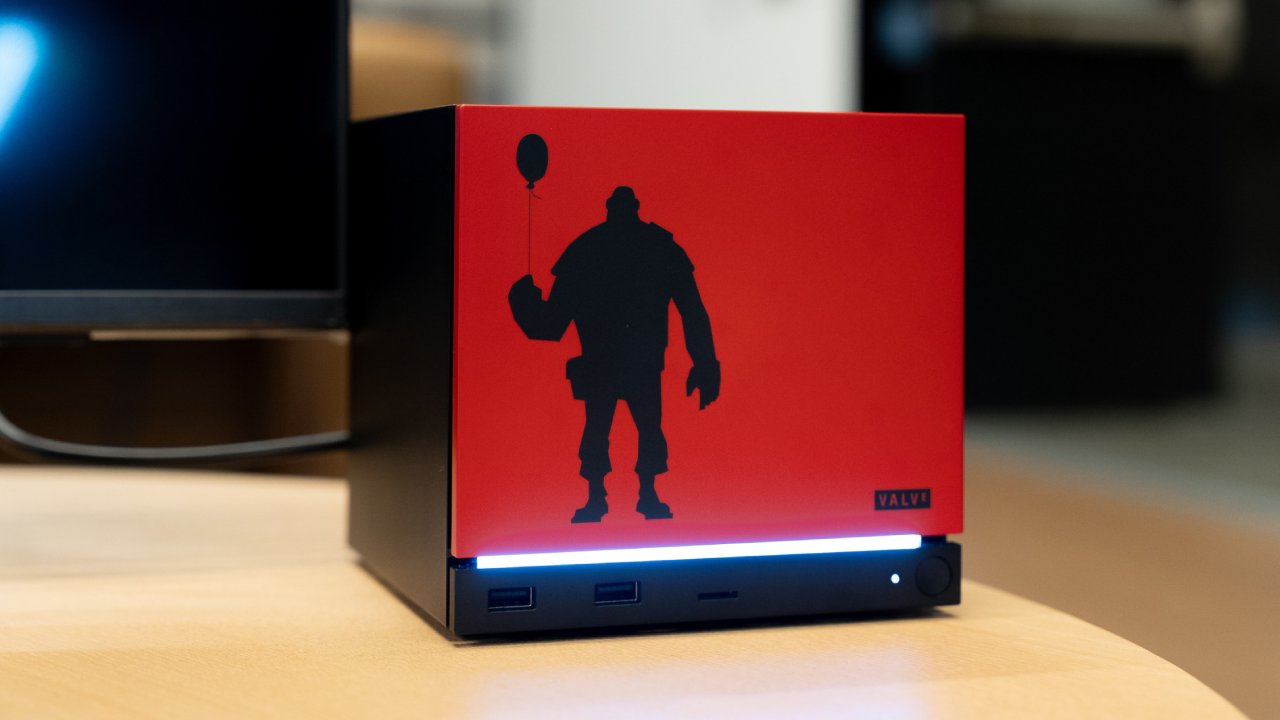
Valve's Work and Community Involvement
Valve has been trying to fix these problems with technologies like Steam Labs, the Discovery Queue, and the Steam personal calendar. These systems show recommendations based on what you've played in the past and what's coming out soon. These tools are helpful, but they don't fully solve the discovery problem.
Getting involved in your community can help. Sharing indie games that aren't as well-known can help spread the word about titles that might not get much attention otherwise. Even if they offer great experiences, some new games with unique mechanics only have a few hundred reviews.
Final Thoughts
Even though Steam is currently ahead of most other media platforms, its game discovery feature is still problematic. The number of releases is increasing, but most of the attention remains on a small number of them. Many creators will keep making games that don't reach their target audience unless the way games are presented and discussed changes.
Also, check our other hardware articles below:
- AMD Ryzen 9 9950X3D Review: Setting The Standard For 2025 Gaming CPU
- Amazon Luna 2025 Review: Is Prime Gaming's Cloud Service Your Go-To For Casual Fun?
- AMD RX 9070 XT Review: AMD's RDNA 4 Champion for 1440p Gaming
- GeForce Now Ultimate: Ditching Your Gaming PC For Cloud RTX 4080 Power?
- NVIDIA GeForce RTX 5080 Review (2025): Still A 4K Gaming Powerhouse?
- Intel Core Ultra 9 285K Review And Performance Breakdown (2025)
- AMD Ryzen 7 9800X3D Review: 3D V-Cache Goes God Mode with Stunning Gaming Performance
- Intel Core Ultra 9 285K vs AMD Ryzen 7 9800X3D: In-Depth Gaming Performance and Benchmark Comparison
- NVIDIA GeForce RTX 5080 Super Performance In Cyberpunk 2077: Path Tracing & DLSS 4.0 Tested
- AMD Radeon RX 9070 XT In Cyberpunk 2077: Ray Tracing & FSR 4.0 Tested
- Intel Arc B580 Review: The $250 GPU Revolutionizing 1440p Gaming
- Intel Arc B570 Vs. B580: Value, Specs, And Real-World Gaming Performance
- RTX 5090 Laptop Vs. M4 Max MacBook Pro: Ultimate Raw Performance Vs. Battery Endurance
- Intel Arc b580 Vs. RTX 4060: Game Performance And Value Analysis
- RTX5090 Hell Is Us Demo 4K Ultra Benchmark: DLSS Vs. Native Performance Guide
- NVIDIA RTX 5070 Review: Mid-Range Muscle or Marketing Hype?
- Nintendo Switch 2 Review: Handheld Performance, Features & Value Breakdown
- RTX 5070 Ti Review: Performance, Thermals & Power Efficiency Tested
- Samsung Odyssey OLED G81SF Review 2025: Ultimate 32-Inch QD-OLED Gaming Monitor
- AMD RX 9070 Performance Review: Thermals, Clocks, and Real-World FPS
- AMD Ryzen 5 7600 Review: Best Budget Gaming CPU of 2025?
- AMD Radeon RX 7800 XT Review: RDNA 3 Power For Midrange Gaming
- Asus ROG RTX 5090 Astral OC Vs. Founders Edition: The 4K Gaming Benchmark
Editor, NoobFeed
Gaming Hardware Updates
No Data.