
AMD GFX13 Driver Update Reveals Early RDNA 5 GPU Preparations
AMD's massive Linux driver update signals serious RDNA 5 development progress, revealing multiple graphics configurations ahead of its anticipated launch.
Hardware by Tanvir Kabbo on Nov 10, 2026
AMD has taken another important step toward hardware ready for its next-generation Radeon graphics architecture. The company's continued work on GFX13, commonly assumed to be RDNA 5, is evident in a major new contribution to the open-source Linux graphics driver. For Linux enthusiasts and hardware researchers, this development offers an early look at AMD's next-generation GPU preparations before the company officially introduces its upcoming graphics products.
AMD has posted an eight-patch series adding initial Graphics Core 13.x compatibility with over 12,600 lines of code in 32 files. More importantly, the submission lists two different hardware targets, GFX 13.0.1 and GFX 13.0.4, implying AMD is prepping various graphics IP configurations for its next generation.
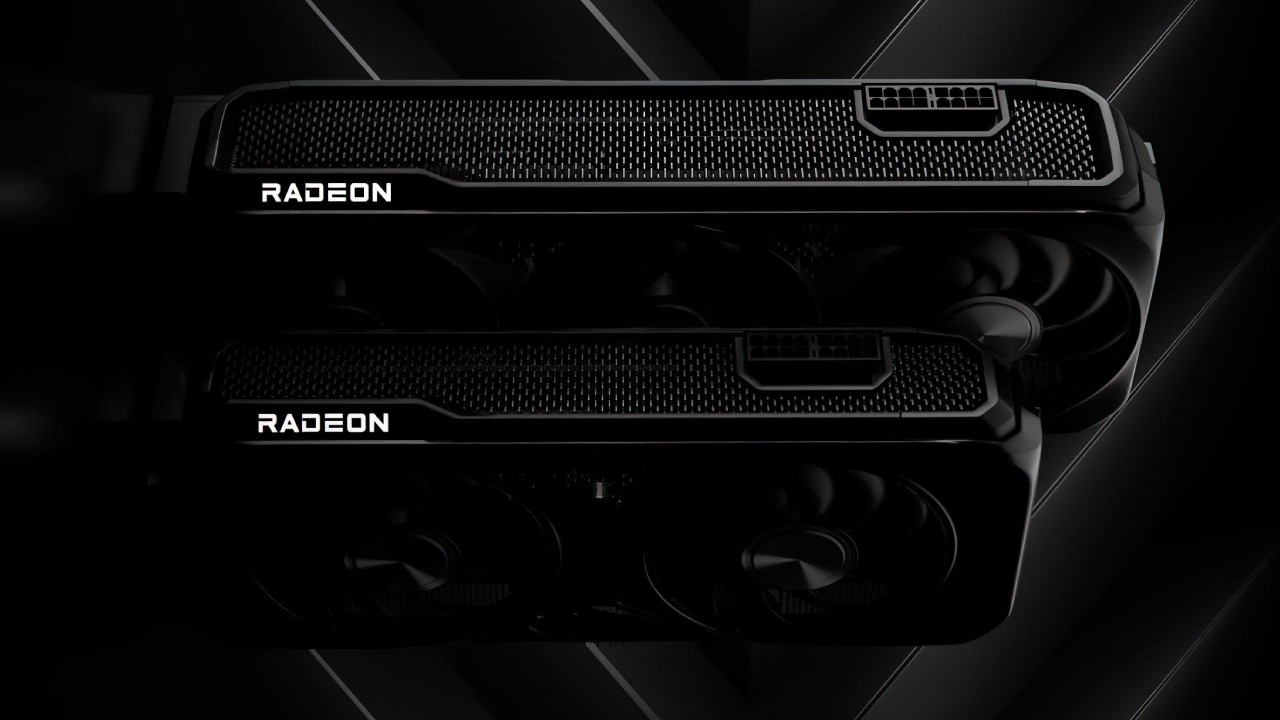
While the patches don't offer performance numbers or architectural innovations, they suggest AMD is moving from early detection to broader graphics-core enablement. This is a crucial step in building the software infrastructure needed before new Radeon hardware reaches consumers.
AMD's GFX13 Architecture Receives a Massive Linux Driver Update
Most importantly, this submission brings core graphics processing technology into AMD's Linux kernel driver. Previous GFX13 work provided compiler support, but this effort enables the OS to recognize and connect with the future graphics architecture.
The eight-patch series adds a new implementation of the GFX13 graphics engine, support for the Micro Engine Scheduler (MES), integration of the Integrated Management Unit (IMU), and more features for AMD's Kernel Fusion Driver (KFD) that controls GPU compute workloads. It also contains a compute-wave save-and-restore trap handler and some graphics clock-management features.
You need these parts because the current GPU needs a lot more than a working graphics engine. The operating system coordinates workload scheduling, manages hardware resources, handles computational activities, and controls power usage. AMD is beginning to establish these fundamental software pathways for GFX13.
However, the implementation remains preliminary. One submitted change explicitly disables queue-reset functionality because the new MES implementation does not yet support it. This confirms that the current contribution represents an early enablement stage rather than a finished driver.
GFX 13.0.1 and GFX 13.0.4 Reveal Multiple Hardware Configurations
For the hardware geeks, perhaps the most fascinating detail is the presence of two different graphics IP identifiers: GFX 13.0.1 and GFX 13.0.4. AMD's graphics IP versioning mechanism lets its driver differentiate between hardware implementations and configurations. Their inclusion implies that AMD is already planning for multiple GFX13 setups within its software infrastructure.
These could be alternative GPU dies, silicon configurations, or product segments in the future Radeon portfolio. But such IDs shouldn't be instantly read as confirmation of two distinct retail graphics cards. IP revisions can have very similar architecture but need to be initialized separately.
The patches include no confirmed numbers for Compute Unit counts, clock speeds, memory capacity, or performance targets. But supporting many configurations early on indicates AMD is building a wider hardware ecosystem, not just a single implementation.
Display Core Next 6 Establishes the Foundation for Next-Generation Displays
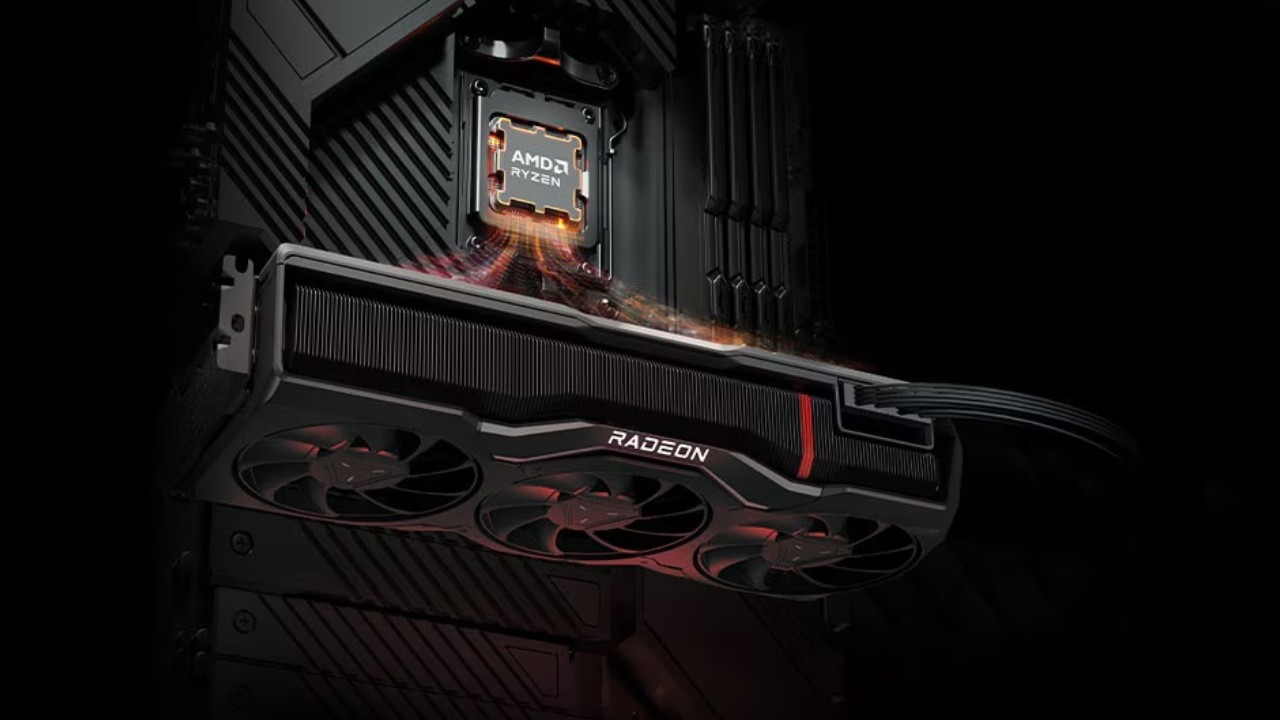
This new GFX13 enhancement builds on prior Linux inclusion of Display Core Next 6 (DCN6), the next-generation display engine for its forthcoming graphics architecture.
DCN6 handles display-related tasks such as display pipelines, monitor connectivity, timing management, and image processing for attached screens. Its integration is particularly important because a modern GPU must support more than rendering and compute workloads.
Earlier DCN6 development also included preparations for new pixel formats and UPSP pre-scalers. These components support display processing and scaling, although their inclusion does not confirm specific new monitor standards or resolutions.
Integrating display functionality early lets developers establish compatibility and prepare the software needed to run new display hardware. In addition to the recent GFX13 upgrades, the DCN6 is another key component of AMD's next-gen graphics technology.
Linux 7.5 Could Become an Important RDNA 5 Milestone
The latest submission is timed to be pulled into the next Linux 7.5 kernel development cycle. While upstream acceptance and the release timetable shouldn't be taken as assured, AMD appears keen to have foundational driver support in place well before RDNA 5 hits the market.
This builds on a development pattern seen throughout 2026. LLVM gained initial GFX13 compiler support, DCN6 display engine integration, and more graphics infrastructure preparations.
Current expectations suggest a possible late-2027 hardware release, while AMD has not yet confirmed this schedule. If upstream contributions continue, Linux developers will have plenty of lead time before commercial Radeon products launch.
Senior Editor, NoobFeed
Gaming Hardware Updates
No Data.