
AMD’s Zen 6 Architecture: What 2nm Means for Gaming Performance
Zen 6 introduces substantial architectural enhancements driven by the advanced 2nm process and expanded single-CCD core configurations.
Hardware by Tanvir Kabbo on Nov 14, 2025
When it comes to PC gaming, sometimes waiting for new hardware makes sense, especially when major improvements are right around the corner. AMD's upcoming Zen 6 architecture has been the subject of a substantial leak following a recent financial analyst day, where Zen 6 was mentioned along with confirmation that it will be built on a 2nm node.
The details surrounding Zen 6 point toward dramatic gains in performance, efficiency, and architecture design that could reshape expectations for upcoming desktop CPUs.
2nm Node and Major Density Improvements
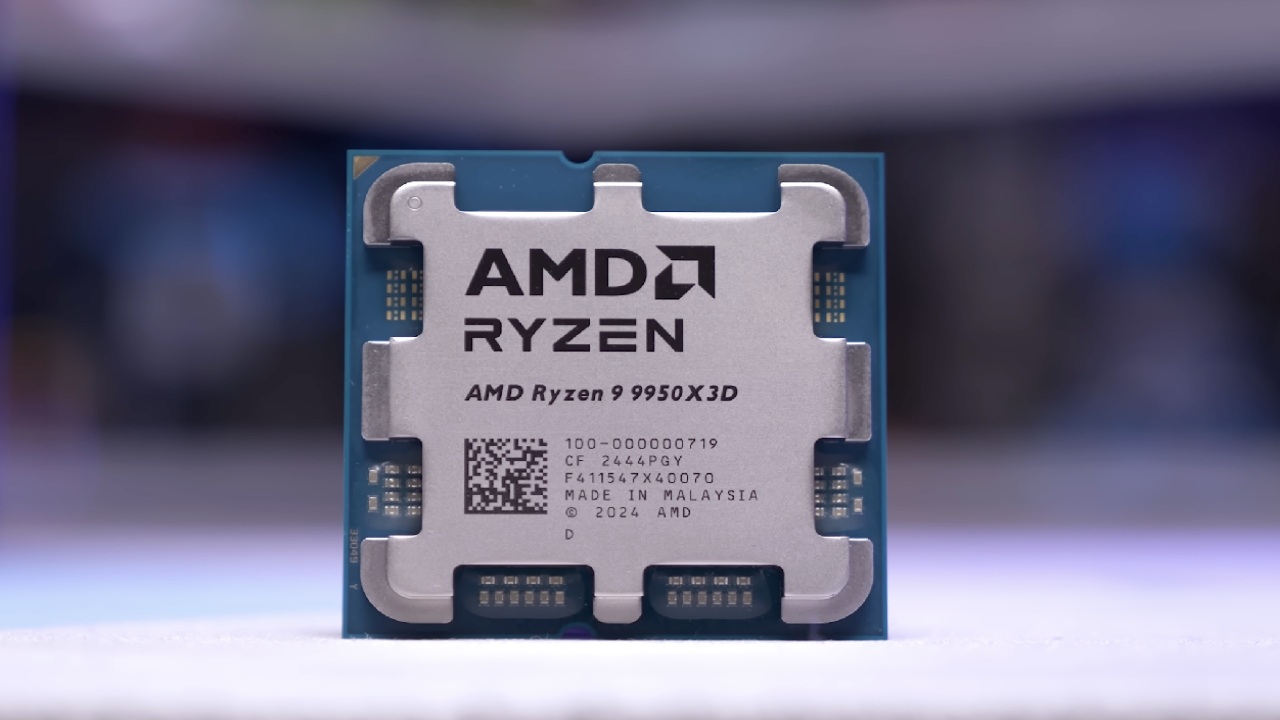
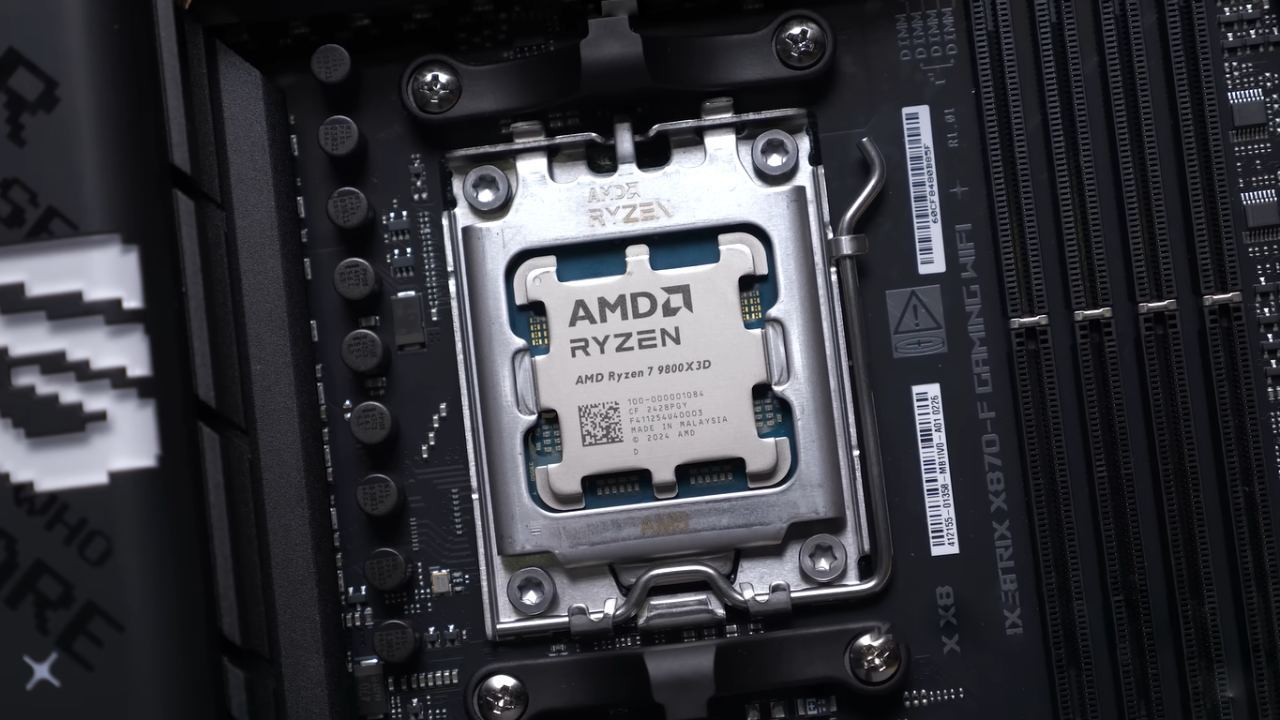
At the Financial Analyst Day, AMD outlined its shift to a 2nm process. Research on the 2nm node indicates that it brings significant improvements over the 4nm process used in Zen 5 CPUs, such as the Ryzen 7 9800X3D. While the 9800X3D wasn't a massive leap over the 7800X3D, Zen 6 appears positioned for a far more substantial jump.
We believe the mainstream desktop lineup, particularly the 8-core models, is poised for a transformation. The 8-core CCDs currently used may be replaced with 12-core single CCDs due to increased transistor density and efficiency on the 2nm node. Higher density enables AMD to pack more cores while also increasing clock speeds due to improved power efficiency.
Expected Naming and Launch Strategy
Based on AMD's typical generational pattern, we expect naming such as Ryzen 11700X and Ryzen 11800X3D for this next generation of Zen 6 CPUs. AMD tends to increment desktop model numbers to distinguish them from upcoming mobile series, which is likely why the 11000 series is expected for desktop chips.
We also anticipate AMD will reveal Zen 6 CPUs at CES in the US. This aligns with their historical strategy of showcasing major desktop CPU generations at CES, especially when the gains are expected to be substantial.
12-Core Single CCDs and Efficiency Gains
With the transition to 2nm, 12-core single CCD designs appear realistic. TSMC's advancements in efficiency and greater density mean clock speeds and power consumption will improve together. These improvements carry implications not just for gamers, but also for creators, editors, and productivity-focused users, who will benefit from increased core counts and higher clock speeds.
Next-Generation Infinity Fabric Improvements
Zen 6 is expected to introduce a redesigned Infinity Fabric. The new layout drastically reduces the traditional gap between the CPU cores and the IO die, increasing throughput and lowering latency. This design resembles what Intel is doing with its Ultra CPUs, reflecting a broader convergence in the direction of the x86 architecture.
We have been hearing from industry sources that AMD and Intel CPUs may become 80–90% similar in layout in the near future. Although they are identical, AMD is currently better suited for gaming due to its X3D cache technology, which sets new standards for performance and efficiency.
Cache Size Increases and Lower Latencies
Due to increasing density and the addition of more cores, cache sizes are likely to grow by approximately 50%. Even if Zen 6 delivered nothing more than an upgrade from 8 cores to 12 cores, gamers would still see meaningful performance improvements from the larger caches alone.
Lower latencies from the new Infinity Fabric will enhance responsiveness for gaming, content creation, and professional workloads. Combined with higher throughput, Zen 6 may deliver both higher FPS and a noticeably snappier user experience.
DDR5 Improvements and a New 3nm IO Die
Zen 6 is rumored to adopt a new 3nm IO die. Previous Ryzen generations utilized a 6nm IO die, which restricted the integrated memory controller and limited optimal DDR5 performance to around 6000 MHz–6400 MHz with tight timings. Since DDR5 already reaches 8000MHz+ with excellent timings, the new 3nm IO die could unlock much higher stable memory frequencies.
This would further reduce latency and boost gaming performance, especially for those pairing Zen 6 with high-speed DDR5 kits.
Release Order and X3D Models
AMD typically launches non-X3D models first. We expect the initial release to include CPUs like the 11700X and 11950X. X3D models will arrive later once yields stabilize, given how fast they sell and how heavily they rely on additional cache stacking.
The X3D variants, such as a hypothetical 11800X3D, are expected to be some of the strongest gaming CPUs available, continuing the legacy of the 7800X3D and 9800X3D.
AM5 Compatibility and Potential AM5+ Future Boards
Zen 6 is expected to support the existing AM5 socket. Users will likely only need a BIOS update to use Zen 6 on current AM5 motherboards. There is also speculation about an AM5+ platform in the future that will feature PCIe Gen 6 support. Still, Zen 6 CPUs are likely to work on AM5 first with minimal friction.
Potential Clock Speeds and Performance Targets
With TSMC's projected improvements on 2nm, all-core speeds exceeding 6ghz on 12 cores appear possible. TSMC has shown strong yield confidence, and AMD has already demonstrated notable clock speed increases from the Ryzen 7000 to the Ryzen 9000 series. Zen 6 may push multi-core frequency ceilings even further.
Expected Pricing and Market Positioning
TSMC's next-generation nodes are more expensive, and inflation continues to drive manufacturing costs upward. Because Zen 6 introduces higher core counts, more cache, denser fabrication, and upgraded IO components, we will likely see higher prices for 12-core CPUs compared to the current generation.
Final Thoughts
With increased core counts, improved efficiency, a redesigned Infinity Fabric, larger caches, an enhanced memory controller design, and expected high clock speeds, Zen 6 appears to be one of the most significant architectural leaps AMD has delivered in years. If you are considering a flagship gaming CPU upgrade and can wait a few months, it may be worth holding off for the announcement of the Ryzen 11000 series, expected at CES.
The anticipated gains across gaming, productivity, latency, and efficiency suggest Zen 6 could become one of the most impactful CPU generations in recent memory.
Also, check our other AMD articles:
- AMD Ryzen 9 9950X3D Review: Setting The Standard For 2025 Gaming CPU
- AMD Ryzen 7 9800X3D Review: 3D V-Cache Goes God Mode with Stunning Gaming Performance
- AMD RX 9070 Performance Review: Thermals, Clocks, and Real-World FPS
- AMD Ryzen 5 7600 Review: Best Budget Gaming CPU of 2025?
- AMD Radeon RX 7800 XT Review: RDNA 3 Power For Midrange Gaming
- Sapphire NITRO+ AMD Radeon RX 9070 XT Review: The Ultimate 4K Gaming GPU
- AMD Ryzen 7 7800X3D: Delivers Gaming Performance Far Beyond Expectations
- AMD Ryzen 9 7900X Review: Powering the AM5 Era with DDR5 & PCIe 5.0
- ASRock Radeon RX 7800 XT Challenger OC Review: Best Price-to-Performance GPU of 2025
- Intel Core i9‑14900K vs. AMD Ryzen 7 7800X3D: Power Profiles & Gaming Benchmarks
Senior Editor, NoobFeed
Gaming Hardware Updates
No Data.