
Apple Targets M5 Performance Boost for GPU and Mac Gaming Support
The M5 chip introduces significant GPU and AI performance gains designed to strengthen gaming and visual computing capabilities.
Hardware by Tanisha Aria on Nov 12, 2025
The M5 chip from Apple has garnered significant attention due to its substantial GPU upgrade, enhanced compatibility thanks to the Game Porting Toolkit, and a growing library of native titles. The bigger question now is what Apple wants to do with gaming in the long run.
People are wondering if Apple is truly entering the gaming business, given the company's appointment to the advisory board for The Game Awards and its active updates to Apple Arcade. Or is this just another symbolic move in its ongoing strategy?
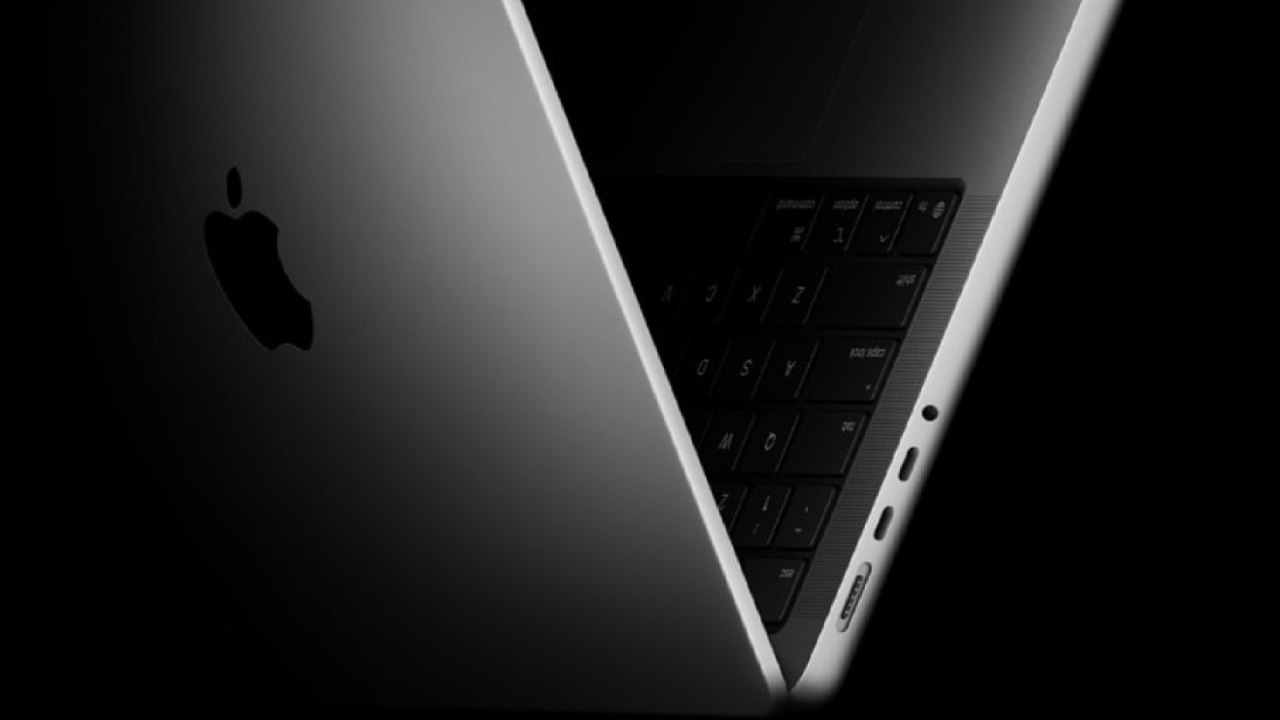
Apple's Role in the Gaming World
It appears that Apple aims to play a significant role in the gaming industry. Still, the way it plans to do so might be different from what we usually think. It appears that Apple is no longer interested in traditional gaming. Instead, it might be using gaming technology as a test bed for its growing work in VR and XR platforms.
The Vision Pro headset is a significant project for Apple, and rumors persist about additional XR products, including AR glasses with built-in cameras and virtual displays, such as Ray-Ban's smart glasses.
In this case, games and interactive media could easily be part of Apple's future plans for mixed reality experiences. However, to create a successful gaming ecosystem in VR or XR, you need to invest a significant amount of money in new technologies.
It's essential to have a comprehensive understanding of graphics APIs, advanced rendering techniques, and how to leverage machine learning.
Apple's Vision Pro hardware features the M5 chip, which is powerful for a mobile device; however, it still falls short of the capabilities of high-end VR systems that run on PCs. This means that Apple's plans for gaming are more about how technology is changing than about competing directly with traditional gaming consoles or PCs.
The Shifting Focus Away from Mobile Gaming
Not too long ago, it seemed that Apple wanted to bring console-quality games to its mobile devices. It seemed that premium mobile gaming was entering a new phase when titles like Resident Evil 7, Death Stranding, and Assassin's Creed Mirage arrived on iPhones and iPads.
However, that momentum has slowed significantly. The number of new mobile games being released has slowed to a trickle, and the few major ports that were announced appear to have halted.
This slowdown could indicate that Apple was dissatisfied with the sales performance or the number of players of these games. Apple may have helped these projects through internal sponsorships or co-development. Still, they don't seem to be a major focus for the company anymore.
Renewed Interest in Mac Gaming
However, Mac gaming seems to be slowly gaining popularity. Apple is now focusing on bringing AAA games to macOS, now that games like Cyberpunk 2077 can run on Apple Silicon. The Mac market remains relatively small compared to the mobile market.
However, Apple's efforts to enhance its gaming APIs and optimize Metal for modern workloads indicate that it still aims to make the Mac a more robust gaming platform.
Still, the Mac's total addressable gaming market is small. Even with better tools and more powerful chips, it is unlikely to be able to compete with consoles or Windows PCs in terms of the number of games it can play.
The bigger picture is that Apple's focus on gaming isn't so much about taking over the gaming world right now as it is about making it possible for more interactive experiences on more platforms in the future.
.jpg)
M5 GPU Improvements and Future Implications
The M5's GPU upgrades make a significant difference in its performance. According to reports, the M5 is approximately 40–50% faster than the M4 in traditional rasterization workloads. Ray tracing performance has continued to improve.
Adding machine learning acceleration directly to the GPU, in addition to what the neural engine does, is a big change in the architecture.
This upgrade enhances the M5's capabilities in handling advanced AI-driven graphics and compute tasks, which are crucial for both gaming and XR applications. These features align perfectly with Apple's broader objectives for immersive media and interfaces that utilize machine learning to enhance their functionality.
There are also strong signs that Apple may use chiplet-based designs in its higher-end M5 Max and M5 Ultra models. That could address some of the scaling issues observed in earlier designs, which featured two monolithic chips connected by an interposer.
This change would mean that Apple is not only improving the performance of its chips but also modifying the way they are built so that they can work more effectively with a wider range of devices.
Final Thoughts
It appears that Apple's growing presence in gaming isn't a sudden change, but rather a planned evolution. Apple doesn't seem to want to get into the high-risk, low-margin console market. Instead, it appears they aim to utilize gaming technologies as a means to achieve the next level of immersive computing.
Gaming remains one of the most challenging areas to optimize with hardware and software, making it an ideal platform for testing new APIs, machine learning methods, and high-efficiency GPU designs.
Suppose Apple continues to improve these technologies in the M series and the macOS ecosystem. In that case, it's possible that high-end games like GTA 6 could run natively on Apple devices, even on an M-series iPad.
The M5 is a significant development at present, given its current capabilities and implications for Apple's future plans.
Also, check our other hardware articles:
- AMD Ryzen 9 9950X3D Review: Setting The Standard For 2025 Gaming CPU
- Amazon Luna 2025 Review: Is Prime Gaming's Cloud Service Your Go-To For Casual Fun?
- AMD RX 9070 XT Review: AMD's RDNA 4 Champion for 1440p Gaming
- GeForce Now Ultimate: Ditching Your Gaming PC For Cloud RTX 4080 Power?
- NVIDIA GeForce RTX 5080 Review (2025): Still A 4K Gaming Powerhouse?
- Intel Core Ultra 9 285K Review And Performance Breakdown (2025)
- AMD Ryzen 7 9800X3D Review: 3D V-Cache Goes God Mode with Stunning Gaming Performance
- Intel Core Ultra 9 285K vs AMD Ryzen 7 9800X3D: In-Depth Gaming Performance and Benchmark Comparison
- NVIDIA GeForce RTX 5080 Super Performance In Cyberpunk 2077: Path Tracing & DLSS 4.0 Tested
- AMD Radeon RX 9070 XT In Cyberpunk 2077: Ray Tracing & FSR 4.0 Tested
- Intel Arc B580 Review: The $250 GPU Revolutionizing 1440p Gaming
- Intel Arc B570 Vs. B580: Value, Specs, And Real-World Gaming Performance
- RTX 5090 Laptop Vs. M4 Max MacBook Pro: Ultimate Raw Performance Vs. Battery Endurance
- Intel Arc b580 Vs. RTX 4060: Game Performance And Value Analysis
- RTX5090 Hell Is Us Demo 4K Ultra Benchmark: DLSS Vs. Native Performance Guide
- NVIDIA RTX 5070 Review: Mid-Range Muscle or Marketing Hype?
- Nintendo Switch 2 Review: Handheld Performance, Features & Value Breakdown
- RTX 5070 Ti Review: Performance, Thermals & Power Efficiency Tested
- Samsung Odyssey OLED G81SF Review 2025: Ultimate 32-Inch QD-OLED Gaming Monitor
- AMD RX 9070 Performance Review: Thermals, Clocks, and Real-World FPS
- AMD Ryzen 5 7600 Review: Best Budget Gaming CPU of 2025?
- AMD Radeon RX 7800 XT Review: RDNA 3 Power For Midrange Gaming
- Asus ROG RTX 5090 Astral OC Vs. Founders Edition: The 4K Gaming Benchmark
Contributor, NoobFeed
Gaming Hardware Updates
No Data.