
RAM Prices Fall as AI Demand Slows and DRAM Supply Stabilizes
RAM prices decline as expected AI-driven demand fails to materialize and supply pressure across global DRAM markets begins easing.
Hardware by Nahe Yan on Apr 01, 2026
For the first time since the RAM crisis began in October of last year, RAM prices are going down. The change comes after a time when worries about supply and strong demand forecasts drove prices up across the board. Recent events show that the big purchases expected did not materialize, which has begun to reduce the strain on supplies.
The problem started when Sam Altman and OpenAI struck deals with big companies like SK Hynix and Samsung to secure a large share of the world's DRAM supply. These letters of intent were not binding contracts or purchase orders. Even still, the announcement caused a lot of worry.
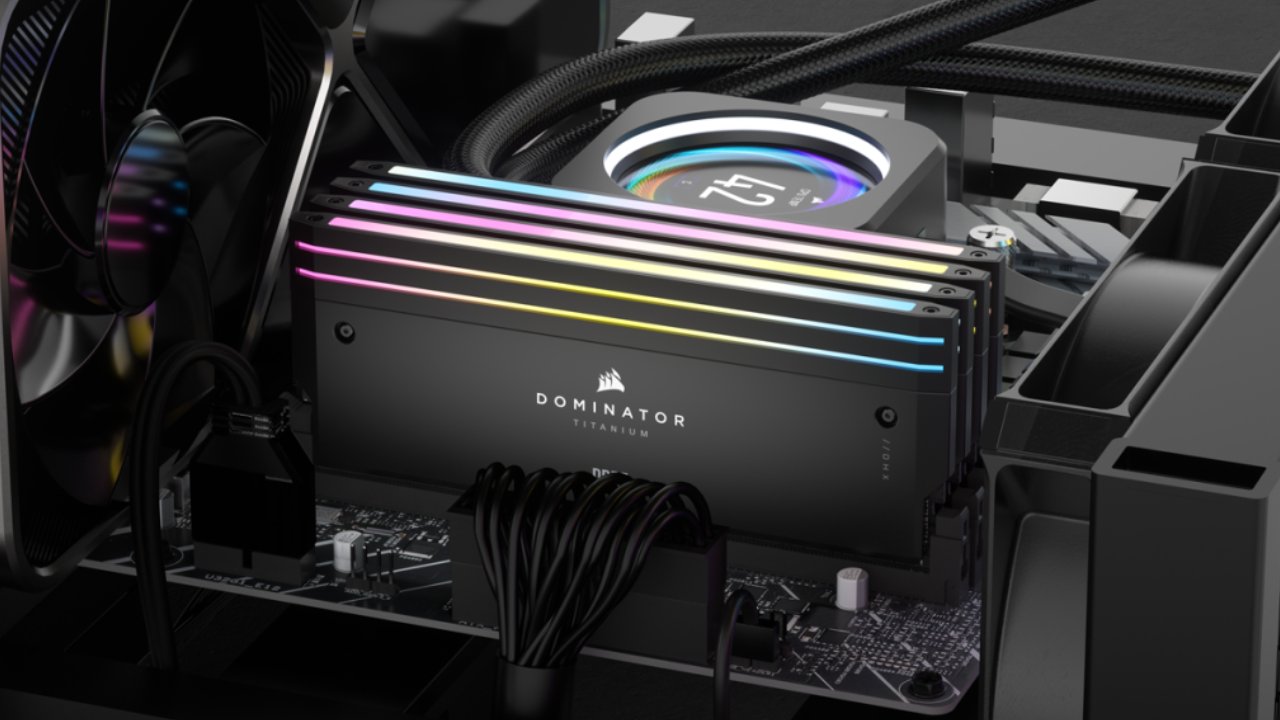
A Breakdown of the OpenAI RAM Deal Situation
We saw AI hyperscalers race to get their own supplies. At the same time, companies like Dell, Lenovo, and Acer started buying RAM for consumers. You could see how this reaction caused RAM prices to rise sharply as demand rose based on anticipation rather than real, verified orders.
Plans for AI Growth and Money Problems
OpenAI's big infrastructure development, which includes projects worth hundreds of billions of dollars, has not gone as planned. Reports said that a $500 billion project was planned but hasn't started yet. Some elements may be cut back or put on hold. There are signs that corporations like Microsoft and Amazon may rely more on their existing data centers rather than build new ones.
At the same time, several initiatives have been put on hold because they were too expensive and didn't make enough money. People are worried that these large expenditures won't last because AI services aren't generating enough revenue.
The Market's Response and Falling Stock Prices
These changes had a quick effect on the financial markets. Over a short period, the stock prices of major memory makers fell sharply. Samsung Electronics lost nearly 10% in five days, SK Hynix lost 12%, and Micron lost about 20%.
We can see that investors are changing their expectations because they realize the demand AI businesses were expected to generate may not materialize at the same level as before.
More things that Affect the Demand for RAM
Technological advancements are also affecting demand. New methods, such as improved quantization techniques, could reduce the memory requirements for AI inference workloads. In some circumstances, memory use could go down a lot; this is mostly true for inference, not for training.
You should know that high-bandwidth memory, used in AI data centers, requires more resources to produce than regular DRAM. This has also caused supply problems because more wafers are being used to make HBM than to make DDR4 or DDR5.
Trends in RAM Prices Right Now
Recent price data shows that prices have gone down in both the DDR4 and DDR5 categories. The price of 16GB DDR4 kits has dropped by about $5, and the price of 32GB kits has dropped by about $20. The price of DDR5 16GB kits has also gone down by about 10%, from about $250 to $230.
We also find DDR4 16GB kits that cost about $123, with some variants costing about $119 after discounts. Prices for DDR4 32GB kits have reduced from $230–$240 to about $200.
There are now many 16GB DDR5 kits priced around $230, and some discounts go as low as $199. There are many more options available now, and they are easier to find in stores. Prices for 32GB DDR5 kits are still high, usually around $370, but some bargains have been seen for approximately $321.
Changes in Market Supply and Availability
The number of RAM kits available has increased, which is a big development. Previously limited choices have expanded, indicating that supply problems are improving. This means that either producers are changing how much they make or demand is leveling off.
Depending on how manufacturers divide production between HBM and regular DRAM, we should expect more adjustments.
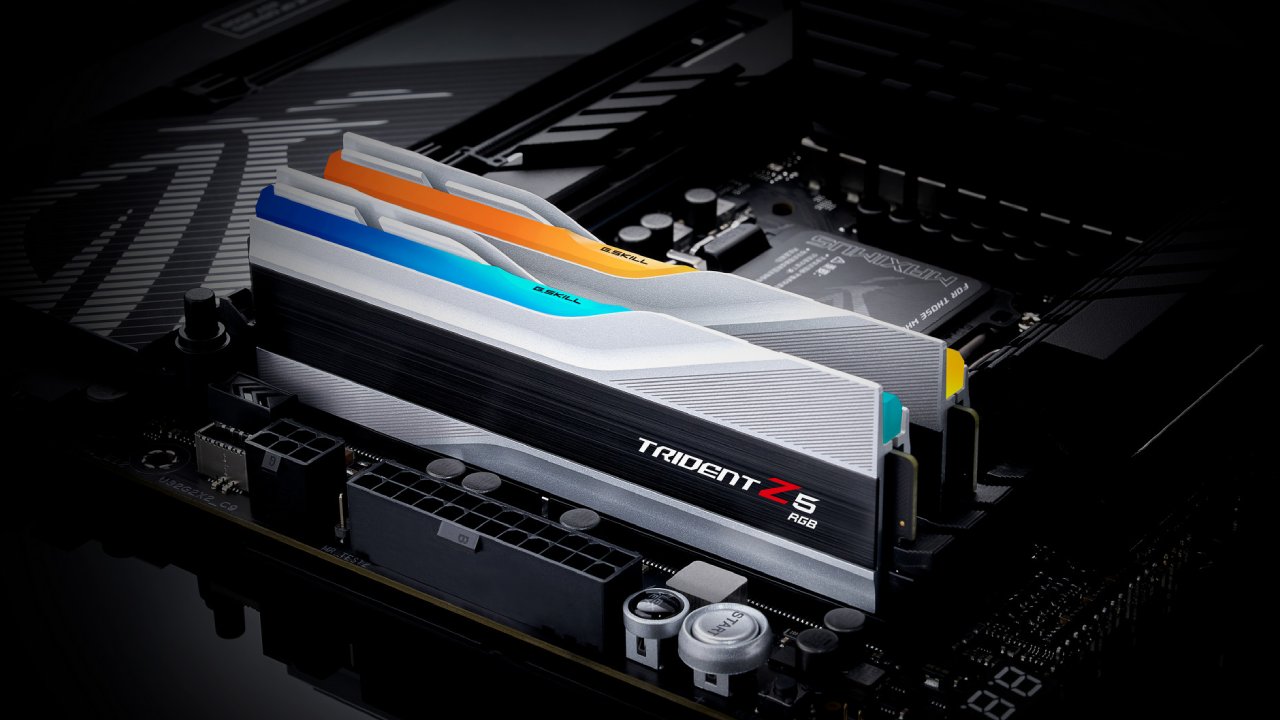
Should you Buy now or Hold off
Whether you should buy now or wait depends on your schedule. Prices are starting to go down, although it may take longer for big drops, especially for DDR5 32GB kits. It can take longer for bigger price corrections to happen.
If you want to create a computer in the next year, you might want to look into combo offers that contain RAM, CPUs, and motherboards. These bundles usually bring the effective price of RAM back to levels closer to what it was before.
If you'd rather wait, you should know that prices may keep going down, but it's not certain when they'll hit their former lows.
Final Thoughts
After a period of disturbance caused by speculative demand, RAM prices are starting to level off and decline. There have been fewer large-scale confirmed purchases, easing the supply pressure. At the same time, improvements in availability show that the market is moving toward balance.
We are starting to see signs of recovery, but how quickly prices decline will depend on changes in production and actual demand for AI infrastructure projects.
Also, check our other hardware articles:
- AMD Ryzen 9 9950X3D Review: Setting The Standard For 2025 Gaming CPU
- Amazon Luna 2025 Review: Is Prime Gaming's Cloud Service Your Go-To For Casual Fun?
- AMD RX 9070 XT Review: AMD's RDNA 4 Champion for 1440p Gaming
- GeForce Now Ultimate: Ditching Your Gaming PC For Cloud RTX 4080 Power?
- NVIDIA GeForce RTX 5080 Review (2025): Still A 4K Gaming Powerhouse?
- Intel Core Ultra 9 285K Review And Performance Breakdown (2025)
- AMD Ryzen 7 9800X3D Review: 3D V-Cache Goes God Mode with Stunning Gaming Performance
- Intel Core Ultra 9 285K vs AMD Ryzen 7 9800X3D: In-Depth Gaming Performance and Benchmark Comparison
- NVIDIA GeForce RTX 5080 Super Performance In Cyberpunk 2077: Path Tracing & DLSS 4.0 Tested
- AMD Radeon RX 9070 XT In Cyberpunk 2077: Ray Tracing & FSR 4.0 Tested
- Intel Arc B580 Review: The $250 GPU Revolutionizing 1440p Gaming
- Intel Arc B570 Vs. B580: Value, Specs, And Real-World Gaming Performance
- RTX 5090 Laptop Vs. M4 Max MacBook Pro: Ultimate Raw Performance Vs. Battery Endurance
- Intel Arc b580 Vs. RTX 4060: Game Performance And Value Analysis
- RTX5090 Hell Is Us Demo 4K Ultra Benchmark: DLSS Vs. Native Performance Guide
- NVIDIA RTX 5070 Review: Mid-Range Muscle or Marketing Hype?
- Nintendo Switch 2 Review: Handheld Performance, Features & Value Breakdown
- RTX 5070 Ti Review: Performance, Thermals & Power Efficiency Tested
- Samsung Odyssey OLED G81SF Review 2025: Ultimate 32-Inch QD-OLED Gaming Monitor
- AMD RX 9070 Performance Review: Thermals, Clocks, and Real-World FPS
- AMD Ryzen 5 7600 Review: Best Budget Gaming CPU of 2025?
- AMD Radeon RX 7800 XT Review: RDNA 3 Power For Midrange Gaming
- Asus ROG RTX 5090 Astral OC Vs. Founders Edition: The 4K Gaming Benchmark
Editor, NoobFeed
Gaming Hardware Updates
No Data.