
AI and HBM Demand Drove the 2025 DDR5 Memory Shortage
How AI supercomputers and hyperscalers increase HBM memory demand, affecting availability and costs for PC builders.
News by Mitsuba Miyu on Dec 31, 2025
In the last few weeks, the PC hardware market has been hit by a severe memory shortage, and the prices of both DDR4 and DDR5 memory kits have risen in ways that don't make sense.
Builders are unsure how long this will last or whether making PCs will soon become too expensive. Also, could the AI boom hurt gamers badly going into 2026?
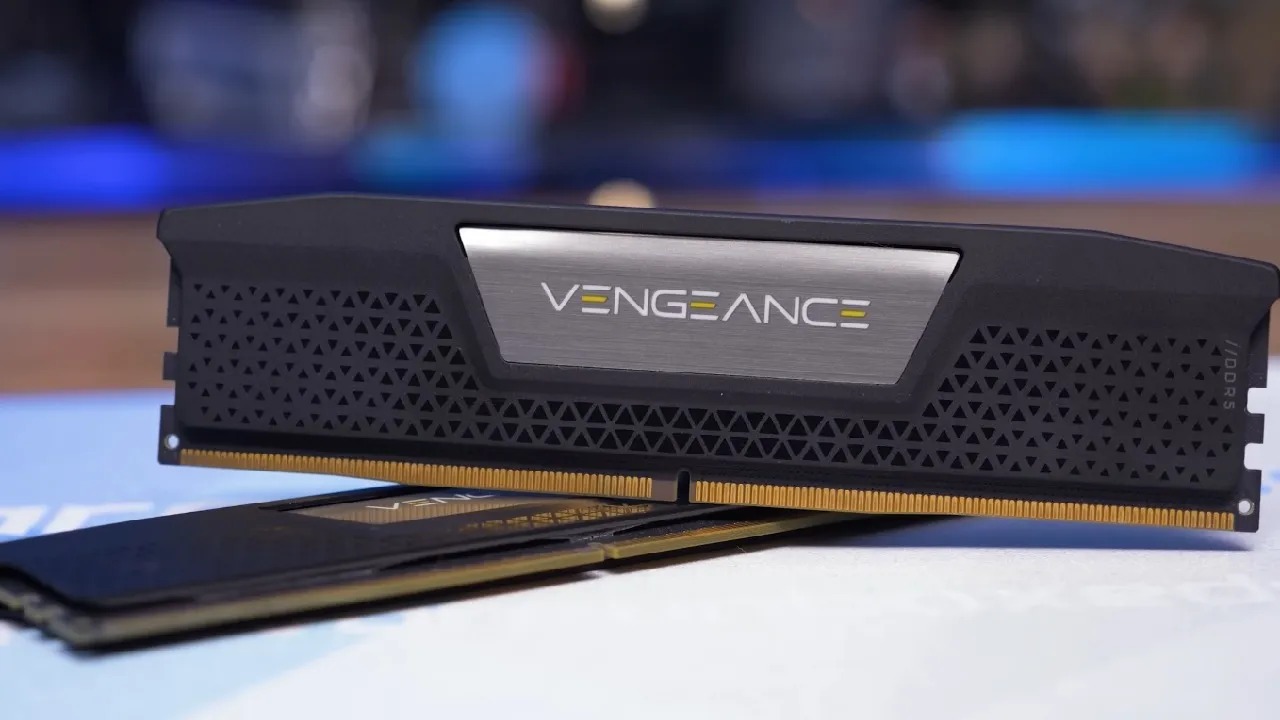
To get a grip on what's going on, we need to look at how the memory market works, why prices rose so quickly, and if there is really a chance things will get better.
To get a better idea of how things got to this point, it helps to look more closely at the memory market. In this case, memory refers mainly to the DDR4 and DDR5 kits used in new PCs, but it also includes video memory on GPUs.
Online stores offer many brands, such as Corsair, Kingston, Team Group, GSkill, and Adata. However, these companies are memory brands and not real memory manufacturers.
These brands source memory ICs from the original manufacturers, mount them on PCBs, verify XMP and Expo profiles, and sell the finished modules with their own branding and heat spreaders.
Micron, SK Hynix, and Samsung are the three companies that make the most of the memory ICs in the world.
Because of this concentration, memory makers can't just make more when demand goes up.
For both supply and pricing, they rely completely on these three manufacturers. When fabs raise prices, those increases are passed straight down the chain.
The combination of rising demand and limited supply at the manufacturing level causes price rises to occur quickly. When it's already hard to get memory ICs, and fabs raise prices, this is exactly what happens.
But the real driver of the sudden pressure on the memory market is the surge in demand for AI hardware.
AI has been growing rapidly this year, and every AI prompt, picture, or video relies on massive hyperscale data centers. It takes a lot of energy to run today's AI models, and as these models get more complicated, the need for high-end hardware keeps growing.
These data centers don't use much DDR5 directly, but they do use a lot of HBM (high-bandwidth memory). High Bandwidth Memory (HBM) is used in advanced AI GPUs, and the same three companies that make DDR4 and DDR5 also make HBM. This mismatch is where things start to go really wrong
The same raw ingredients and wafers are used to make HBM and DDR5. The reason makers do what they do becomes very clear when people compare prices.
DDR5 usually costs about $3 to $5 per gigabyte, even with higher prices, but HBM can get $30 to $45 per gigabyte. Even though HBM is harder to produce and yields less, it makes much more money.
As a result, fabs are focusing on HBM production rather than consumer memory. This directly reduces the availability of DDR4 and DDR5. This change alone can explain much of the sudden shortage of goods.
It's even more confusing now that Micron has left the Crucial commercial name and is no longer associated with it. For a long time, Crucial has been a big name in consumer memory and storage, so it's a bit surprising that it is leaving.
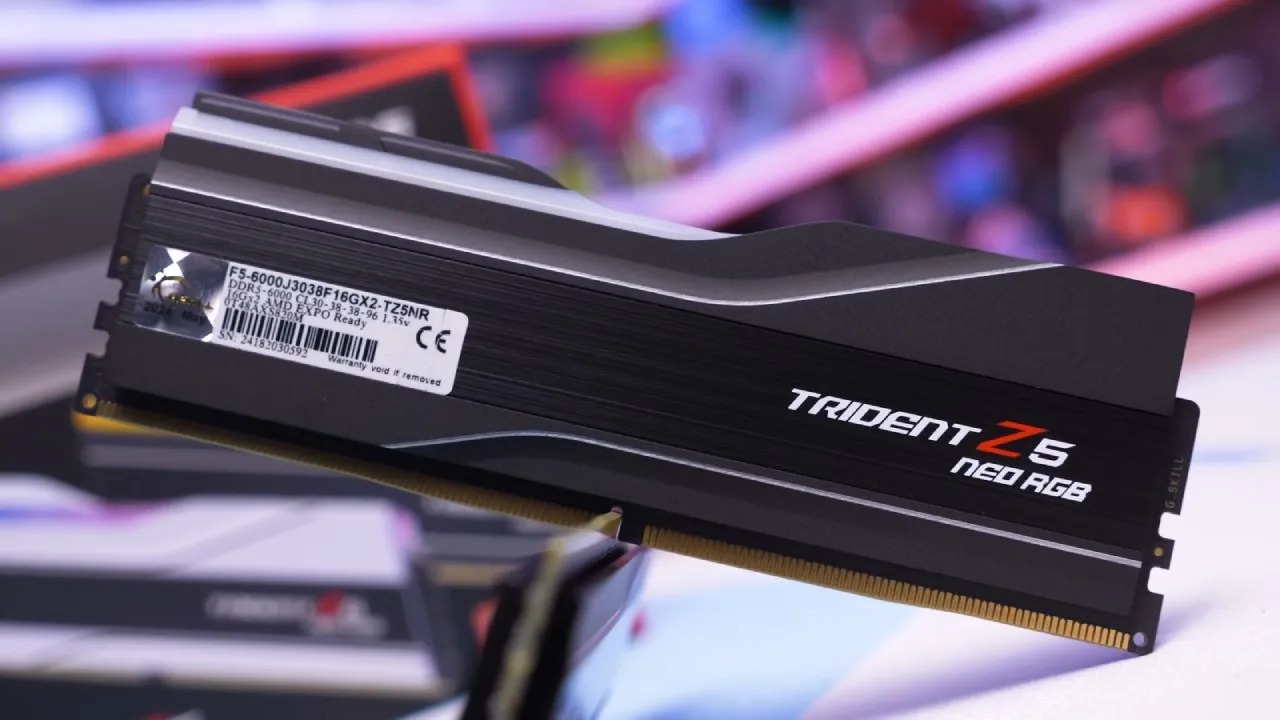
But that doesn't mean Micron has stopped making DDR5. Rather than that, Micron has decided to stop selling memory products under its own retail name.
This way, Micron can make more of the goods with higher profit margins while still selling memory ICs to brands like Corsair and Kingston, but at higher prices. This choice has had a significant impact on raising prices per gigabyte across the market.
As shown by past GPU shortages, a small supply leads to panic buying very quickly.
When buyers rush to get memory because they are scared, demand goes up even more, and shortages happen faster.
Just to keep production going, builders and system integrators often have to pay a lot more than they would have just a few weeks ago. This behavior widens the gap between supply and demand, even though it makes sense.
Changes to trade rules and tariffs have further confused memory fabs in East Asia. When tariffs were high, manufacturers didn't want to hold large stocks that could become costly or hard to sell. This hesitation led to less stock available in retail channels and added even more pressure to a supply chain already under a lot of stress.
At its core, there isn't enough memory, and it is a basic supply-and-demand issue. Demand is very high, but supply hasn't kept up. The mismatch can only be fixed if demand goes down, supply goes up, or both happen. New fabs are already in the works, and many are focused on AI memory.
They probably won't make DDR5 for consumers right away, but they should take some of the pressure off current fabs in the long run.
But these new buildings won't be ready all at once. Many will show up in 2027. Until then, people who want to buy things have to deal with a market that is hard to understand.
A drop in demand for AI technology could also help ease the situation. Hyperscalers are building a lot and fast with the help of huge amounts of capital, but it's unclear whether they can keep this pace up forever.
If AI models get more efficient and need less hardware, memory demand could simply drop. There's no way to be sure, but the current demand probably won't last forever.
If you're going to build a new computer and already have memory that will work with it, even if it's slower or doesn't have as much capacity as you'd like, the safest thing to do is usually not to get rid of it. The used market can be a good place to find deals, but it also faces the same price gouging and reselling problems that occurred during past shortages.
One potential idea is to sell memory bundles with cases or coolers. This would give builders a better chance to get memory at a lower price.
In the end, memory prices are already becoming more stable in some areas. They might never go back to the very low levels they had before, but the worst of the increase might be over now
It won't take long to fix the current memory problem, but it's still hard to build a PC right now. Sometimes, pre-built systems may be worth the money compared to building them from scratch.
Things are still annoying, but at least prices are starting to drop a little. This might help limit demand and bring things back into balance over time.
The real question going forward is whether memory costs will rise even more in GPUs and storage, which could make things worse.
Memory production will have to be expanded, and there is no question that manufacturers will spend a lot of money to make it happen. Right now, PC builders in this unstable market can only do their best with patience, careful tracking, and flexibility.
Editor, NoobFeed
Related News
No Data.