
Crimson Desert’s Day-One Patch Raises Big Questions
Crimson Desert’s massive day-one patch highlights growing concerns about ownership, digital control, and the uncertain future of physical video games.
News by Wasbir Sadat on Mar 15, 2026
In the past few months, the argument over physical vs. digital media has been heating up again, especially among younger people who are rediscovering DVDs and Blu-rays.
More people want to own real copies now that subscription costs are going up and movies and TV shows are being taken off of streaming services all of a sudden. For some, this change made them wonder if video games could go back to being owned physically in the same way.
Collectors and people who like physical media will be disappointed to see that the gaming business seems to be going the other way.
Publishers and platform owners are pushing people to use digital distribution more and more, often by saying it will make things easier for everyone. But new information suggests that this change could have big effects on ownership and protection.
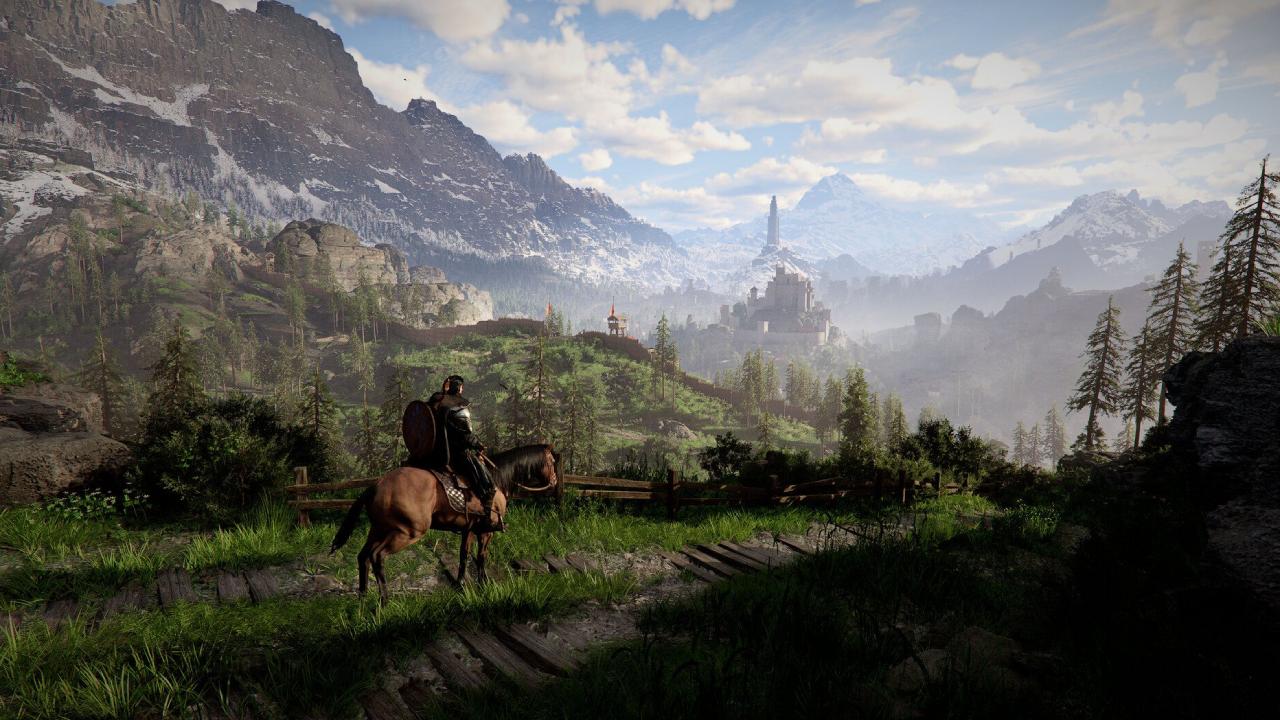
The much-anticipated open-world action RPG Crimson Desert, which comes out this week, is a current example. Fans have been getting more and more excited about the game for years, but early reports from players who got real copies before they came out have revealed a surprising requirement: you can't play the game without downloading a big update on the first day it comes out.
This finding has made people worry again about how "physical" modern albums really are. Players may still need to be online and join publisher-controlled servers to get the full experience, even if they buy a disc. This trend is making people who like physical copies more and more angry. People used to think that physical discs were proof of title because when you put them in, the game would run. These days, that assumption is becoming less certain.
A report that is going around the internet say that the Crimson Desert disc has about 77 GB of data on it.
However, you have to download an extra 48 GB patch before the game will start. Without that patch, the system only shows a message that says the game needs to be updated over the internet. The physical disc by itself isn't really useful until the fix is ready and can be downloaded.
Over the past ten years, day-one patches have become routine, but this case shows a bigger problem. If a player properly buys a physical copy of a game, even if it's early, it makes you wonder why the disc can't at least start the game. What's more, it makes me worry about long-term protection. Will you still be able to play the physical form if the servers go down years from now?
This is not an unusual case. A number of new versions have required big downloads, even when they were bought in stores. A lot of games, like Star Wars Jedi: Survivor, Indiana Jones, and many Call of Duty games that come out every year, depend on patches or downloads that do a lot more than just fix bugs.
Physical releases don't always work like full copies; sometimes they're more like game keys.
Even though the disc could be used as proof of purchase, most of the data still needs to be downloaded. It's interesting that some games with similar features still let people play early. For example, people who got copies of some games that came in "game key card" forms were able to download them before they were officially released.
Crimson Desert, on the other hand, doesn't seem to let anyone in until the actual launch window. Players have to wait until computers let them update, even if the disc is already in their drive. Putting more than one disc in the case is a clear option. But that method isn't used very often these days, even though current games often take up more than 100 GB of space.
Triple-layer Blu-ray discs, which can hold about 100 GB of data, are what the PlayStation 5 uses right now. That amount of space is no longer enough for many current AAA games. Large games often go over this size limit, which means creators have to rely on extra downloads. This makes a weird mix of formats, where part of the game is on the disc, and the rest is on a computer.
There are more modern storage options available in terms of technology.
Researchers working on the next generation of optical discs have supposedly shown that they can hold up to 200 terabytes of data. But this kind of technology is still not useful for market hardware because it is too expensive, read speeds are too slow, and energy use is a problem. Another thing that slows down innovation is that 8K media isn't widely used, which could have increased the need for larger physical forms. The business doesn't have much reason to put a lot of money into next-generation optical storage without that pressure.
Instead, it looks like a lot of businesses are going toward a simpler solution: distributing everything digitally. There are clear benefits for platform owners in a digital environment. Digital storefronts let businesses set prices, decide how material is distributed, and decide who can access it all from within their own platforms.
Participants can download games ahead of time and start playing at a launch time set by the developer. In terms of logistics, it gets rid of the costs of sending, making, and selling. But some critics say that this level of control could make customer ownership less secure in the long run. Digital games, on the other hand, are only available in stores that are controlled by the platform.
There have already been times in the movie and TV business when users' digital sales were taken away because of changes in licensing. Some video game players are afraid that this could happen in the future, even though it hasn't happened very often yet. As an example of current industry tension, Sony is being sued several times over its rules for digital storefronts. One well-known lawsuit says the company limited digital game sales to its own ecosystem, which could have made it harder for customers to choose and possibly caused prices to go up.
People who like real media say that discs still have important uses for customers.
Because physical copies make shops compete with each other, they can offer discounts and used copies of games at lower prices. During sales events like Black Friday and Cyber Monday, prices are often a lot lower than they would be online.
Players who have finished a used game can sell it again, creating a secondary market that is good for both buyers and sellers. If video games are only available digitally, many of these benefits will go away. In platform shops, prices stay the same, and items can't be sold again. It doesn't look like physical files will be used in games in the future.
Microsoft is putting more and more emphasis on its Xbox Play Anywhere environment, which combines PC and console games into a mostly digital platform.
This method makes me wonder if discs will even be important in future Xbox systems. Sony might keep selling disc drives, especially since there are already so many real PlayStation 5 games out there. However, physical formats might not be the main goal, but rather an option. With the new use of Game Key Cards by Nintendo, it's already hard to tell the difference between physical and digital ownership. Even though they come in retail packaging, these cartridges often need big downloads. If these trends keep up, physical games might become less popular over the next ten years.
The situation in the Crimson Desert may be a warning sign for people who like to gather things and protect historic sites. Players may need servers, patches, and developer approval more and more in order to play a game, even if they buy the disc. As the business world changes, it gets harder to avoid the question: Are physical games still physical when they need the internet to start up?
Contributor, NoobFeed
Related News
No Data.