
Cyberpunk 2 is Taking Its Time, and this Time that Might be the Point
CD Projekt Red is staying in pre-production longer on purpose, building the foundation early, and lining up multiplayer from the start.
News by Mahi Araf on Feb 05, 2026
If you have been keeping an eye on Cyberpunk 2 and wondering why it feels so quiet, there is actually a good reason for that. The game has been in pre-production for more than six months now, after officially entering that phase in May 2025, and CD Projekt Red is clearly in no rush to push it into full production.
This time around, you are watching a studio take a slower approach, and it feels like a direct response to everything that went wrong with Cyberpunk 2077’s launch. Instead of racing toward flashy reveals and tight deadlines, they are focusing on building the foundation properly before committing to years of intense development.
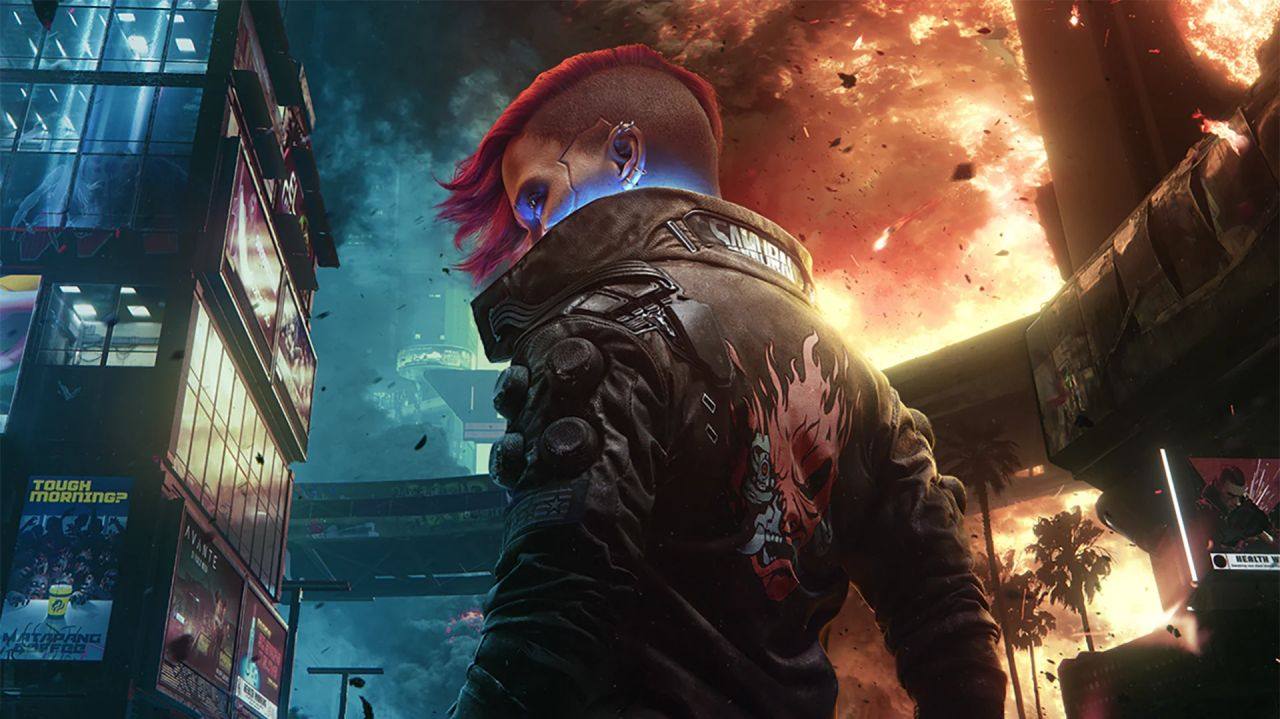
Right now, pre-production for Cyberpunk 2 is not just about vague planning or throwing ideas at a wall. This phase is where the creative and technical backbone of the game is being built. It is where the team decides whether the project will hold together over time or struggle under its own ambition.
If you have ever played a big game that felt unfinished or poorly connected, chances are those problems started way back in this early stage. CD Projekt Red seems determined not to repeat that mistake.
A major part of this phase is narrative and world design. This is where the core story, main character, supporting cast, and overall structure of the game are being locked in.
You are talking about decisions that will guide four or more years of development. Writers are shaping the framework that hundreds of developers will eventually build on, so getting this right early matters more than anything.
At the same time, the team is deep into technical prototyping using Unreal Engine 5. Instead of polished demos meant for trailers, these are rough experiments designed to test whether core systems actually work.
Combat, movement, RPG progression, and especially multiplayer infrastructure are being tested and refined. The goal is not to impress you yet. The goal is to make sure these ideas function properly before massive resources are poured into them.
Another important focus is building the production pipeline. This is where CD Projekt Red sets up how assets move from concept art to finished in-game content and how teams across Boston, Vancouver, and Warsaw work together.
It is also where they decide how single-player and multiplayer components connect, or whether some parts stay separate. These choices may sound technical, but they will directly affect how smooth or chaotic development is over the next several years.
Staffing is also being handled carefully. The Boston studio, which is leading Cyberpunk 2, started by hiring senior leadership first. Now, they are gradually adding mid-level and junior developers who will carry out the vision that those leaders set. This approach helps avoid confusion later, because the structure is already in place before the team grows too large.
Another big job is to learn Unreal Engine 5. The team needs to know what the engine can do, what it can't do, and how to make it work best for a huge open-world RPG with multiplayer.
The Witcher 4 team is already doing a lot of this early work, and Cyberpunk 2 is learning from it. The team still needs to change those tools in their own way because Cyberpunk has different gameplay needs.
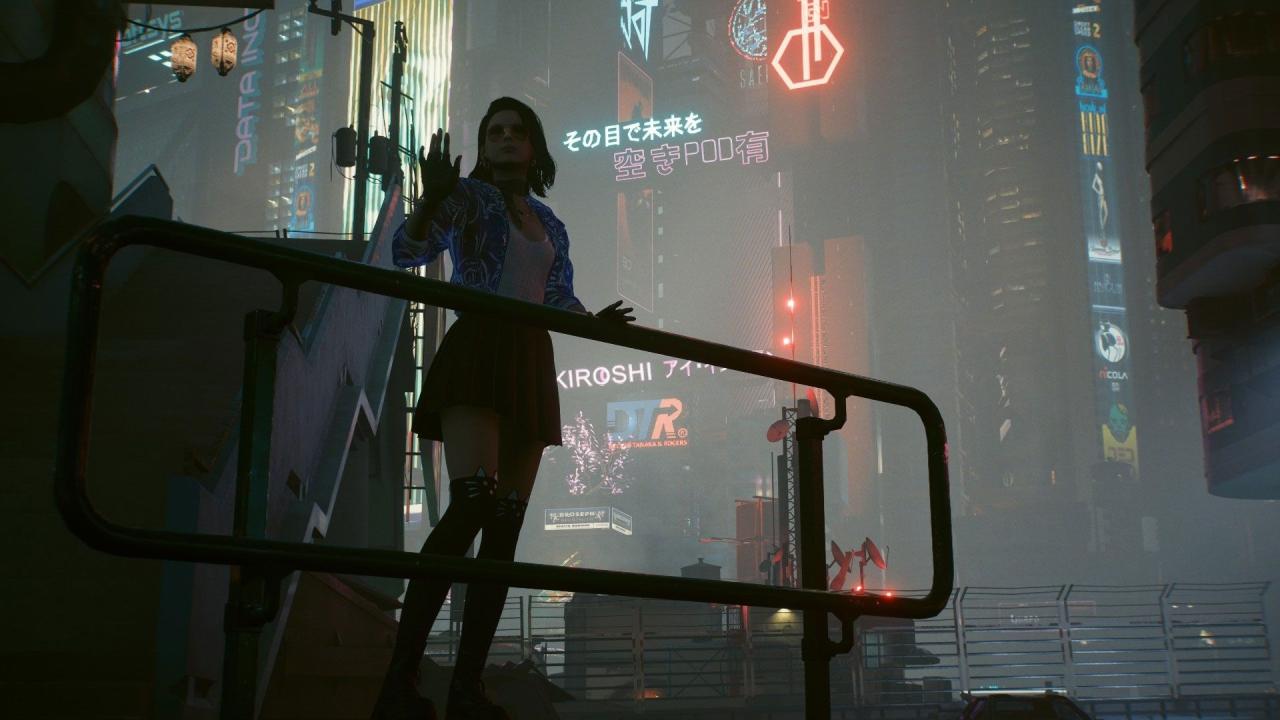
For a game this big, pre-production usually lasts between 18 and 24 months. Since Cyberpunk 2 entered this phase in May 2025, it is likely to stay here well into 2026. CD Projekt Red has also said it plans to double the Boston team over the next two years. On paper, that could mean full production in late 2026, but realistically, late 2027 or even 2028 seems more likely.
So why stretch this phase out so much? The biggest reason is simple: they learned the hard way with Cyberpunk 2077. You probably remember how rough that launch was. Bugs, performance issues, missing features, and broken promises damaged the game’s reputation and the studio’s image. On top of that, the original plan for a standalone multiplayer mode never happened, largely because the team had to spend years fixing the base game.
This time, multiplayer is being planned from the beginning. Instead of building the main game first and then trying to bolt online features on later, everything is being designed together. That means networking, servers, matchmaking, and progression systems are being considered early, so they actually fit into the game instead of feeling like an afterthought.
CD Projekt Red also cannot afford another disaster. Cyberpunk 2077 eventually recovered thanks to years of updates and the success of the anime, but that kind of comeback is rare. It is not something you can rely on twice.
This slower approach is clearly about protecting the studio’s future as much as it is about making a good game. Another big topic is Mike Pondsmith, the creator of Cyberpunk. His role in Cyberpunk 2 is still important, but it looks different from what it did before.
He was very involved in the making of Cyberpunk 2077 and often had to step in to fix creative choices that didn't fit the world. One well-known example is when developers wanted to make Cyberpunk guns look cool and futuristic, but Pondsmith had to remind them that they should feel brutal and real, not like toys from the future.
He even visited studios to explain these ideas in person, and the team regularly asked for his input. That constant feedback helped keep the game aligned with his vision.
He is more of a consultant for Cyberpunk 2. He reads scripts, looks at environmental designs, checks cyberware, and makes sure everything fits in with the universe. He doesn't make decisions every day anymore, but he is still involved in important events.
On his most recent visits, he has gone from one department to another, looking at what teams are working on and giving his opinion. His approval still means something when he says something works.
This lighter involvement works because CD Projekt Red understands Cyberpunk much better now. After shipping the base game and the Phantom Liberty expansion, the team knows the rules of the universe.
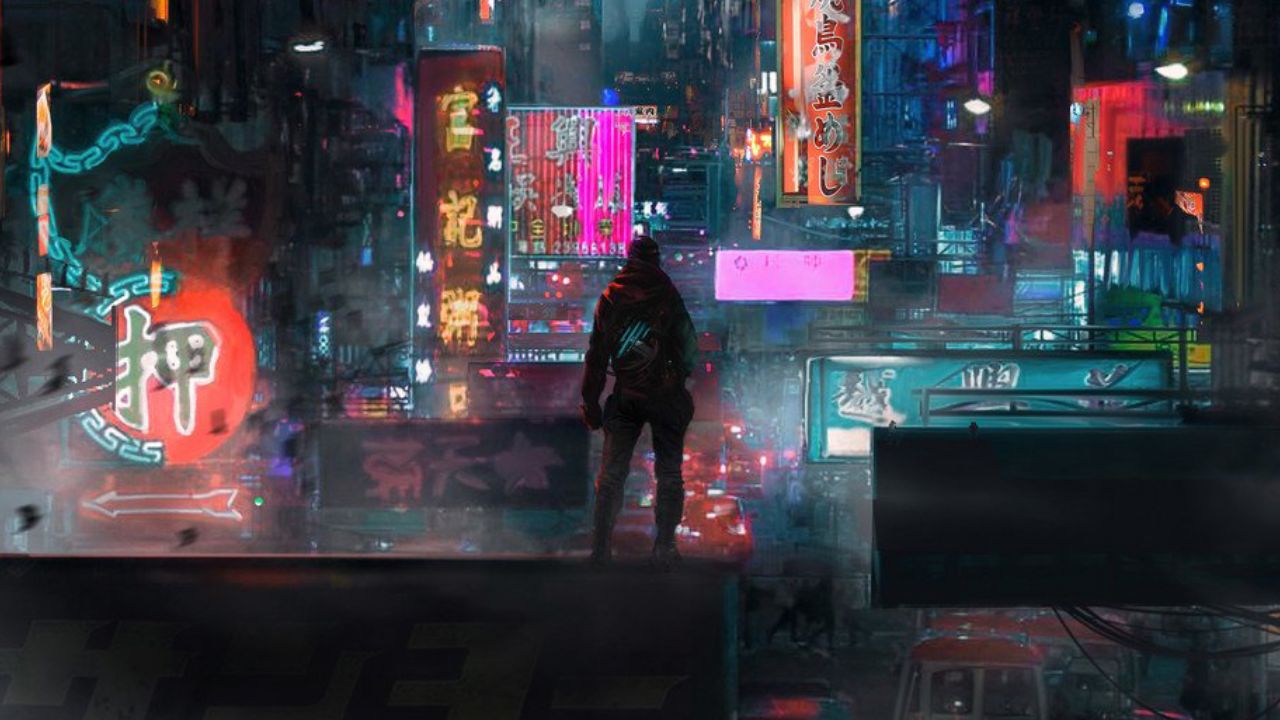
They do not need constant guidance. They just need validation and correction when something feels off. Pondsmith now acts more like a guardian of tone and lore than a hands-on director. The studio's overall plan for the future is also very important to Cyberpunk 2's timeline.
CD Projekt Red is currently working on The Witcher 4. About 447 people were working on The Witcher 4 full-time in the middle of 2025, and about 135 people were working on Cyberpunk 2 before it was even made.
That difference is huge, and it explains why Cyberpunk 2 seems to move more slowly. During full production, hundreds of people build the final content. During pre-production, they plan and test.
CDPR has also talked about releasing a new Witcher trilogy on a relatively tight schedule. Using Unreal Engine 5 and shared assets makes that more realistic. Once the world and systems are established, later games become easier to build.
Cyberpunk, however, probably cannot follow that same model.
The Witcher games are being made mainly by experienced teams in Warsaw and Krakow, who have worked on the franchise for years. Cyberpunk 2 is being led by the Boston studio, which is still growing and building new pipelines. That alone makes fast iteration harder.
Then there's the multiplayer side. The online part is expected to be big, more like GTA Online than just co-op. That means that after launch, there will be ongoing updates, live service support, and teams that are only for that game. It takes resources that could be used for sequels to support that kind of system, which slows everything down.
Creatively, Cyberpunk is also more demanding. The Witcher trilogy can follow a connected storyline across familiar locations. Cyberpunk often explores new cities, new time periods, and new protagonists. Each game requires more conceptual work, which adds time.
Looking at all this, full production for Cyberpunk 2 will likely begin in late 2027 or early 2028. CDPR plans to double the Boston team by around 2027, and that is usually when studios are ready to scale up content creation. As The Witcher 4 nears completion, some senior staff may move over to Cyberpunk 2, strengthening the team.
According to CDPR leadership, the average development cycle from production to release is about four to five years.
If Cyberpunk 2 enters full production around 2027, that points to a release window somewhere between 2030 and 2032. Multiplayer systems also need at least a year or more of testing before large-scale content can be built, which supports that timeline.
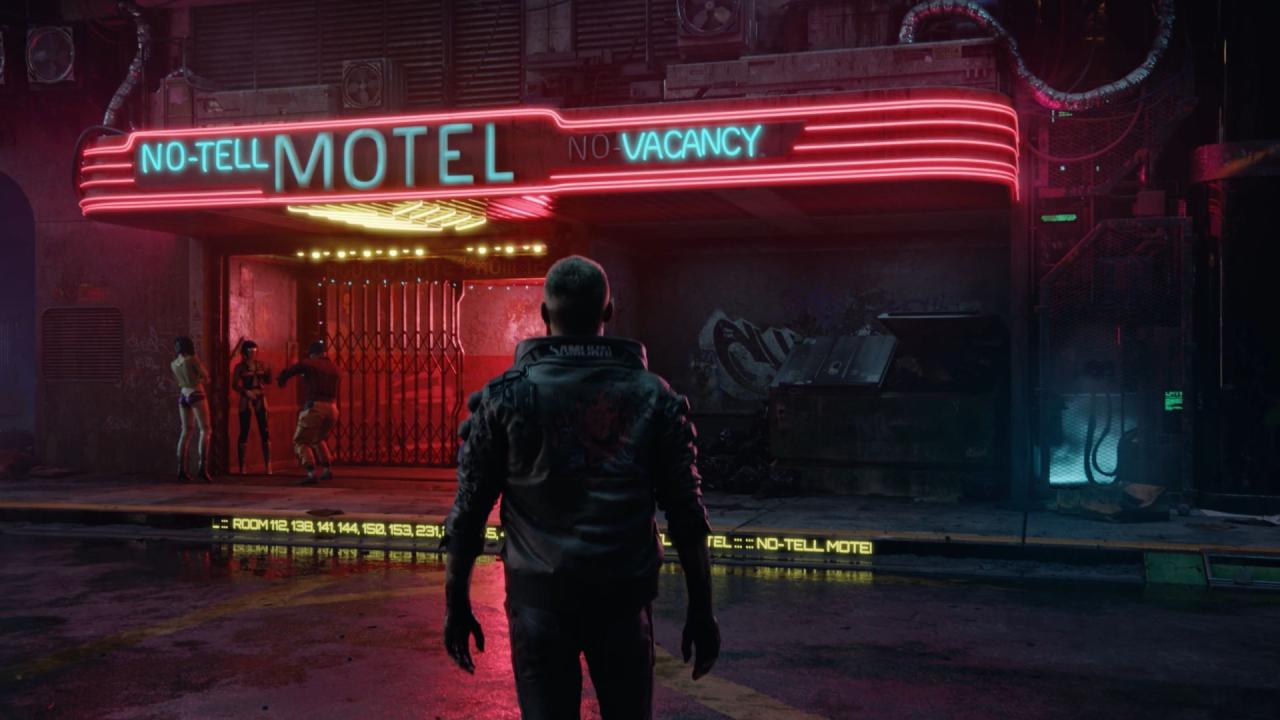
Everything changes when full production starts. The team will grow from 135 people to maybe 300 or 400. You will see environment artists making new cities, character artists making NPCs and story characters, combat designers improving systems, quest designers writing missions, and QA teams testing everything. There will be separate teams working on progression, activities, and shared systems for both single-player and multiplayer modes.
Right now, though, Cyberpunk 2 is still firmly in pre-production.
About six months in, with possibly another year or more to go. Hiring is ongoing, prototypes are being tested, and public information is limited. There is no official release date, but based on current plans, 2030 to 2032 seems realistic.
The CEO is reportedly satisfied with progress, and there is no pressure to rush. Overall, Cyberpunk 2 appears to be in a healthier place than its predecessor was at the same stage. CD Projekt Red is being cautious, patient, and focused on long-term quality.
If you are hoping this approach leads to a smoother launch and a stronger game, then this slow pace is probably good news. It means the studio is trying to deliver the Cyberpunk game it originally promised, this time with better planning and a multiplayer mode that actually works from day one. Whether you are willing to wait that long is another question, but for now, it looks like CD Projekt Red is choosing patience over pressure.
Senior Editor, NoobFeed
Related News
No Data.