
GPU Prices Skyrocket in 2026: Why Nvidia and AMD Are Raising Costs
Massive purchases by AI data centers are creating hardware shortages affecting gamers and consumers worldwide.
News by Tanisha Aria on Jan 08, 2026
Prices for GPUs are going up a lot across the board, and this year they're likely to go up even more than most people thought they would. Several news sources say that both AMD and Nvidia are planning to significantly raise the prices of consumer GPUs.
The price changes could happen as soon as next month. The main reason for this rise is not demand from gamers, but the rapidly rising cost of memory in the computer hardware market. This is mostly because of the construction and growth of large AI data centers.
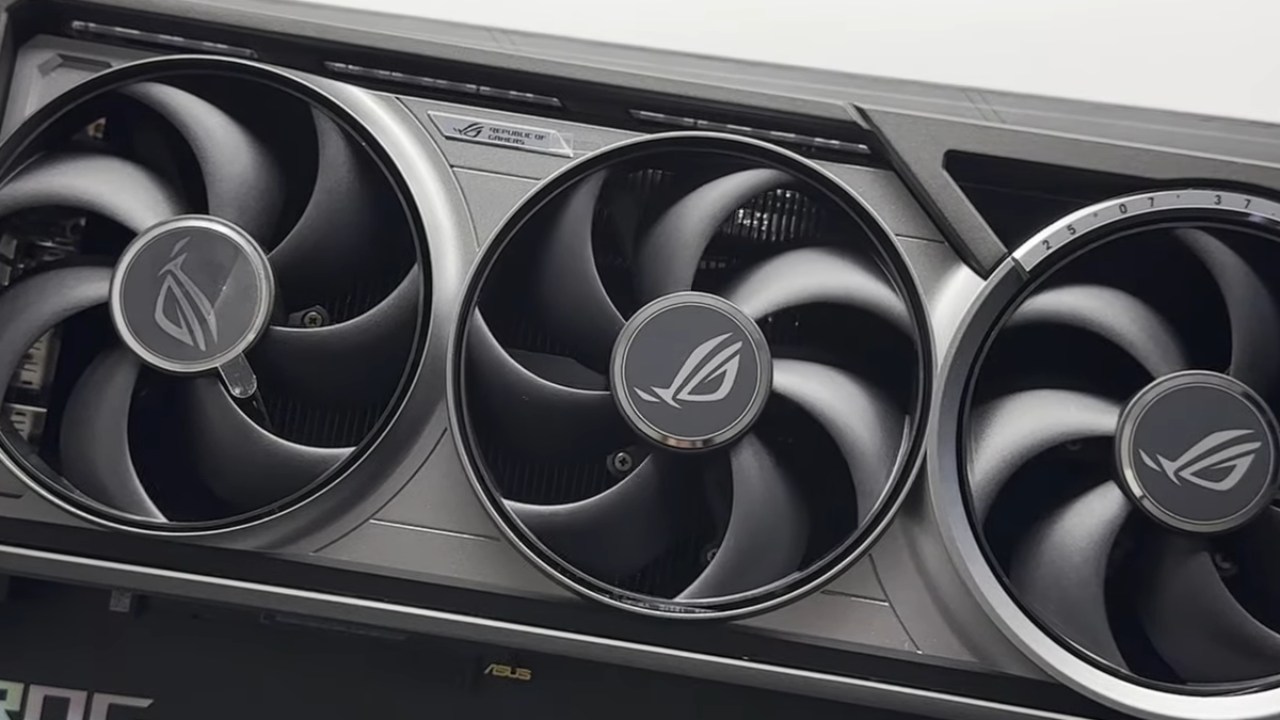
Newsis reports that industry sources say AMD may start raising prices in January, with Nvidia following in February.
It's unlikely that these first changes will be the last. Instead, both businesses are said to be planning to slowly raise prices throughout the year. This will make GPUs more expensive over time.
It's thought that these price hikes will mostly affect high-end products, such as Nvidia's GeForce RTX 50 series and AMD's Radeon RX 9000 series. The prices of these GPUs are already very high, and any further increases could make them unaffordable for most people.
The RTX 5090 from Nvidia started at around $2,000, but the same source says that if things keep going the way they are, it could reach $5,000 within a year. With prices going up that much, top GPUs would be out of reach for many PC gamers and fans.
More and more reasons for these price increases are becoming clear. Building GPUs is getting more expensive due to rising costs.
Still, AI companies are putting more pressure on the industry as a whole because they need a lot of gear. Big AI players are buying GPUs and memory in bulk, making the battle for a limited supply fierce.
Jensen Huang, CEO of Nvidia, said that the next generation of AI models might need up to 100 times more computer power than those that came before.
At the same time, Microsoft's leaders have openly acknowledged the limited availability of electricity and infrastructure, even though the company has a large number of GPUs in stock.
It doesn't matter what you think about generative AI and big language models; companies are buying GPUs and RAM because they think that future models will need crazy amounts of hardware.
The market is experiencing a standard supply-and-demand imbalance because AI companies are buying up huge amounts of GPUs and memory. NVIDIA and AMD can also charge much more to people interested in AI because their companies need cutting-edge tech to keep growing and improving.
This trend is bad news for the average person building or upgrading a gaming PC. PC parts are going to get a lot more expensive over the next few months. If the claims are true, prices will keep rising because demand far exceeds supply in the hardware market.
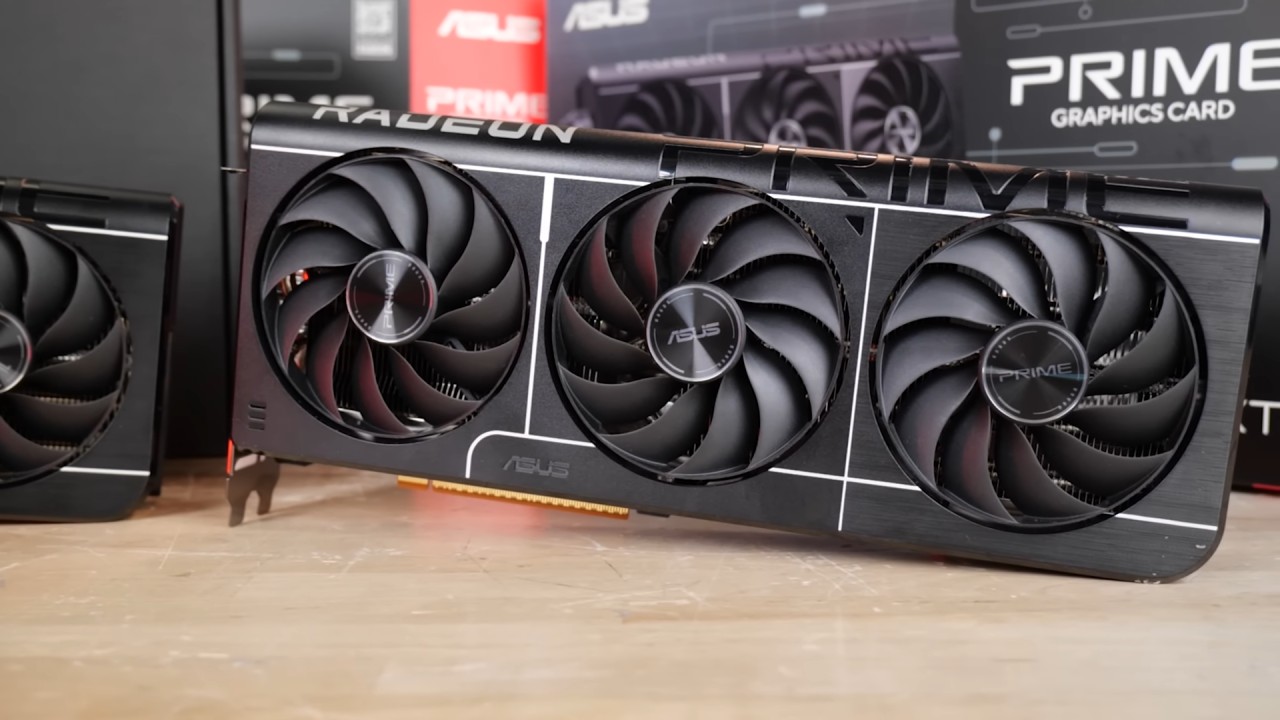
At the same time, more and more video game companies say they want to use AI to drive their growth, connecting the gaming ecosystem to these already-stressed resources.
It's getting more expensive to play video games. Gaming has been getting more expensive over the last few years.
Prices for consoles and games have gone up because production costs have risen, and it's harder to justify buying high-end gear.
Price hikes affected everything from new console releases to the release of $80 games in 2025, which was a big turning point.
PC gamers are under even more stress because of this. The prices of GPUs, RAM, storage, and other key components have started to rise. This is mostly because more money is being put into AI infrastructure.
Even worse, new reports say AMD and Nvidia will keep raising GPU prices all year. This will affect not only graphics cards but also memory and other parts that work with them.
It's easy to see this trend in the Nvidia GeForce RTX5090. The card is already selling for well above its original MSRP. This is due to a global shortage of RAM and rising demand from AI-focused industries. These pressures are increasingly evident in retail ads, where prices are rising as supplies run out.
One big reason for the RTX 5090's price rise is that it requires a lot of VRAM. When the card has 32GB of memory, it is especially sensitive to problems in the memory supply chain. High-end GPUs depend on advanced memory, and when there are shortages in this area, prices go up straight away.
More and more of the memory that companies make is going to AI data centers, where demand for advanced RAM is much higher than in standard consumer markets. As supply tightens, GPU makers have to pay more for parts, which they then pass on to stores and distributors.
The rapid expansion of AI workloads has reshaped the global landscape.
The rapid growth of AI workloads has shifted the world's semiconductor priorities. RAM makers are placing greater emphasis on working with businesses and AI, leaving them with less time and money to focus on consumer hardware like graphics cards and desktop memory kits. Given how profitable and large AI-driven demand is, this change is unlikely to reverse any time soon.
PC gamers considering an upgrade are facing many problems right now. The prices of high-end GPUs are constantly changing, and they are still not always available everywhere. Prices may change quickly, even when stock is available, due to ongoing supply issues.
As of now, Nvidia has not officially announced any changes to the RTX 5090's price or production. But if the pressure on memory supply chains doesn't go away, access could be even lower, and prices could rise even further.
If RAM output doesn't increase much or AI demand stays the same, the prices of high-end PC hardware are likely to remain high. This will change what people expect from flagship GPU launches in the coming years.
We hope this breakdown was useful for you. If you want to upgrade your PC, you might want to consider when you do it, because the next few months aren't going to be good for your budget.
Contributor, NoobFeed
Related News
No Data.