
The Blood of Dawnwalker is Setting Up a Major RPG Franchise After a Successful Debut
Rebel Wolves has built a strong foundation with its debut RPG, and the studio may have already given players a glimpse of where the Dawn Walker saga could go next.
News by Tahmid Mahi on Sep 09, 2026
The Blood of Dawnwalker has quickly become one of the standout new IPs of the year, giving players another original RPG to get excited about. The game arrives during a period when several new properties are managing to attract attention instead of relying entirely on established franchises.
What makes The Blood of Dawnwalker particularly compelling is that it already feels like the beginning of something much larger. The game seems to be setting up a series that could eventually include multiple entries and significantly expand its world.

There was always a reason to suspect The Blood of Dawnwalker could become a bigger universe, but it made sense to wait before assuming it would.
Rebel Wolves is still a new studio, yet many of its developers have worked on games in the Witcher series before. Until the game actually came out, there was no way of knowing whether it would be a critical or commercial success.
The first game has also given you a pretty good idea of what Rebel Wolves could build upon in the future. The Blood of Dawnwalker Walker reportedly delivers a strong debut despite some rough edges, and players have received the core experience positively. The world-building, story, side characters, and combat all provide areas that the studio can develop further in future games.
One of the most compelling details comes after you finish the game and reach the end credits. A video plays after the credits, and although the transcript does not reveal its contents, it reportedly works as a tease for the wider The Blood of Dawnwalker universe.
The unusual part is that Rebel Wolves had already uploaded the trailer several months earlier, meaning players could technically have seen it before completing the game. For someone encountering it naturally after finishing the story, though, it apparently works much better as a final glimpse at what could come next.
The ending itself also appears to leave plenty of room for the story to continue. Without getting into spoilers, several plot threads remain open, giving Rebel Wolves different directions it could explore in future installments.
Even if you focus heavily on the main story, the game suggests that there is considerably more happening within its world than the central conflict initially reveals. The optional content is especially noteworthy because it provides additional context for the history and lore of the Blood of Dawnwalker universe.
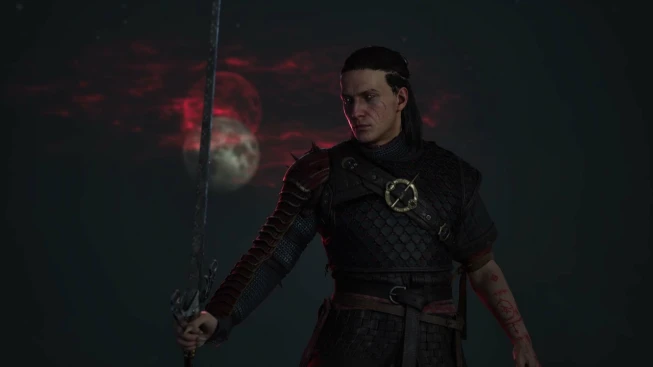
At the center of the first game is the goal of saving your family, with the 30-day time mechanic providing the main narrative pressure.
That premise gives the story a clear sense of urgency, but the game also uses the limited time to build out other characters, historical events, and storylines. A lot of the wider world becomes more interesting when you move beyond the main objectives and explore the optional quests.
The 30-day mechanic is also one of the game's more divisive systems. It does not necessarily prevent you from completing the important content, but simply knowing that activities take time can make you reconsider what you are doing.
Upgrading skills can cost time, opening certain chests can cost time, and some conversations can consume several segments of the clock. That can make even ordinary decisions feel more significant when you are trying to manage everything within the game's limited window.
For players getting into The Blood of Dawnwalker, the time limit may sound more intimidating than it actually is. The core story can be completed within the 30-day structure, especially if you understand which objectives should take priority.
The major enemies and important narrative quest lines are the areas that you should focus on if you want to experience the central story while still learning more about the game’s history and lore. You can also complete a considerable amount of optional content without necessarily feeling like you are constantly racing against the clock.
The ticking clock on screen still creates an understandable amount of pressure.
Some players may find themselves constantly calculating whether they can afford to spend time on a particular activity, even when the game allows them enough time to handle the important content.
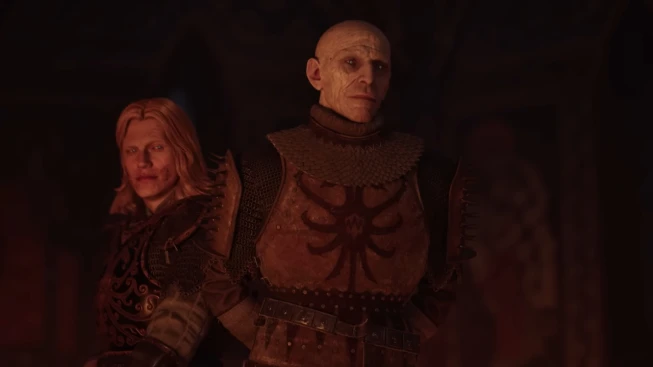
The issue is less about the game actually forcing you to rush and more about the psychological effect of knowing that every action can potentially move the clock forward. For players who want to complete everything before moving on, that can make the system more stressful than necessary.
Replayability also becomes part of the discussion because learning how the time system works could make a second playthrough easier. However, not everyone wants to replay a 40- or 50-hour RPG simply to understand how to manage its mechanics more efficiently.
Players have plenty of other games competing for their time, so expecting everyone to complete The Blood of Dawnwalker multiple times is not particularly realistic. The good news is that the time mechanic shouldn't scare you away from the game.
The Blood of Dawnwalker does have some rough edges, which is not especially surprising considering that it is Rebel Wolves' debut title. There are smaller quality-of-life issues that can make the experience less convenient than it could be, including the way rapid travel works.
You reportedly have to travel to the shrines themselves before you can use them for fast travel, rather than simply being able to travel directly to them whenever you want. The quest journal also does not always show how far objectives are from your current location, which is another small issue that could easily be improved through updates.
There are also bugs and glitches that come with the game's open-world RPG structure.
None of these issues undermine the core experience, but they add up and make the game feel less polished. Since this is Rebel Wolves' first release, there is plenty of room for the studio to address those problems through patches.
.jpg)
One of the biggest strengths of the game is the world itself. The side characters are apparently done especially well, with characters such as Anka being a memorable part of the experience. The side stories and additional narrative content also help make the world feel larger than the central objective would suggest.
Combat turned out to be another major surprise. Before playing the game, the directional combat system could easily give the impression that The Blood of Dawnwalker would feel similar to Kingdom Come: Deliverance, which might put off players who are not fans of that style. Instead, the combat reportedly becomes satisfying once you understand how it works.
The combat becomes much more demanding when several enemies are attacking at the same time. You have to pay attention to where each opponent is positioned and record which direction attacks are coming from. That forces you to stay focused rather than simply attacking the closest enemy until the fight ends.
For a debut game, that is an important achievement. Rebel Wolves has not only created a new world but also established a combat system that can serve as a foundation for future games. The first Mass Effect provides one useful comparison in terms of how much a franchise can improve after its first entry.
The vampire setting is another part of the game that apparently works better than expected. Even if you are not normally interested in vampire stories, The Blood of Dawnwalker's approach to the setting gives it a distinct identity. The day-and-night cycle is especially important because it ties the game's world and atmosphere into its central concept.
The biggest question surrounding future games is whether the 30-day mechanic will return.
It works in the first game because the story gives you a clear reason to save your family within a limited amount of time. Carrying the exact same structure into every future entry, however, could eventually become repetitive.
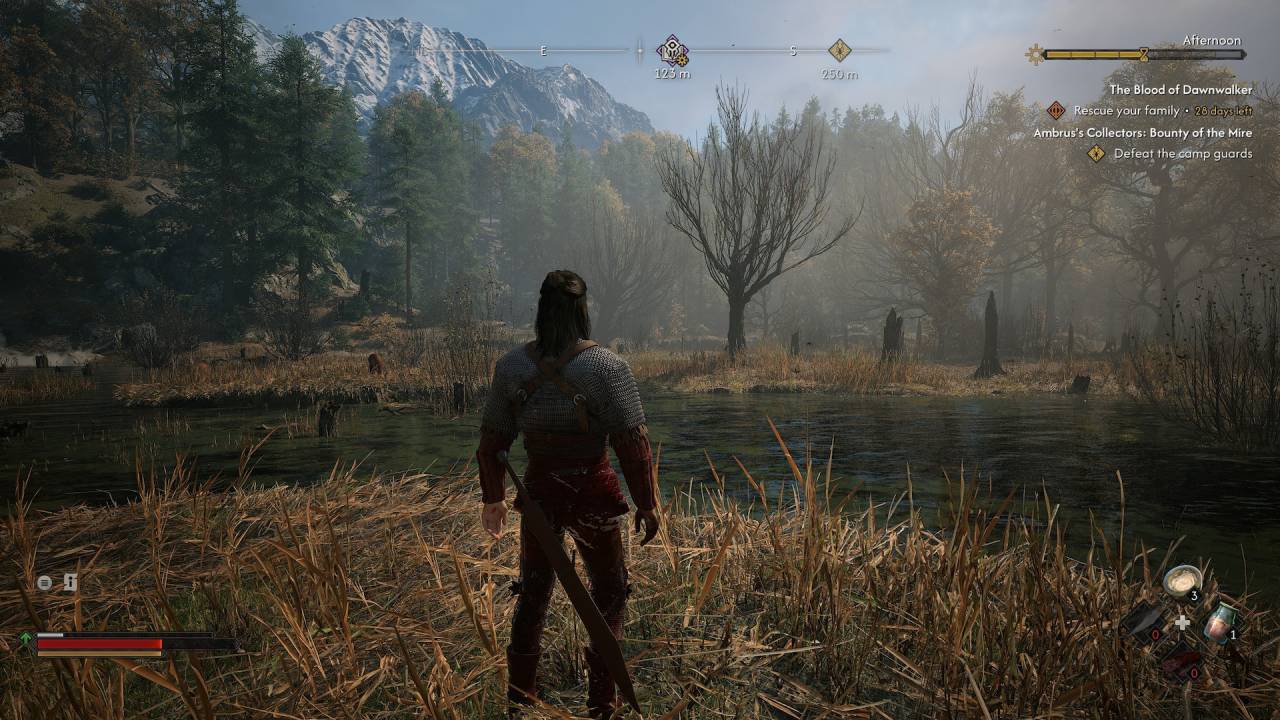
That does not mean the concept has to disappear entirely. Rebel Wolves could potentially adapt the idea into a different form or connect future time restrictions to entirely different circumstances.
The important part will be making sure the mechanic continues to serve the story rather than becoming something the series repeats simply because it was part of the original game. For now, the 30-day system works because it connects directly to the first game's narrative, but its long-term role remains uncertain.
Despite those concerns, the overall reaction to The Blood of Dawnwalker has been strongly positive. The game reportedly sold one million copies, matching the same milestone as Onimusha, which released around the same time and gave players another major RPG to choose from.
Facing off with two games simultaneously probably made it harder for either game to reach its full potential right away. Still, The Blood of Dawnwalker has already proven itself as a successful new IP, and a future sale could bring even more players into the franchise.
What makes the game's success even more notable is how quickly Rebel Wolves managed to create it.
The studio was established in 2022, meaning it reportedly took only around four years to form the team, develop a completely new IP, and release the finished game. That is a significant achievement when you consider how long modern game development can take.
The Blood of Dawnwalker therefore feels like more than just a successful debut. Rebel Wolves has created the basic structure of a universe, established its characters and lore, introduced a distinctive time-based system, and delivered a combat system that gives the series somewhere to go.
The game has some quality-of-life problems and technical issues that could be cleaned up, but those weaknesses do not erase the strength of its foundation. If the studio can build on what worked while addressing the problems, The Blood of Dawnwalker saga could become one of the more interesting new RPG franchises to follow.
Editor, NoobFeed
Related News
No Data.